Averages Can Mislead: Reading Money Claims With Care
Misleading averages explained with small made-up numbers, so ads, offers, and money claims are easier to read with a calm, careful eye.
Misleading averages explained with small made-up numbers, so ads, offers, and money claims are easier to read with a calm, careful eye.

Currency exchange costs in plain words: rates, fees, markups, and where the hidden cost sits, with simple made-up math for trips and transfers.
Credit unions vs banks in plain words: who owns them, how membership works, what fees and insurance look like, and questions to ask either one.

Price anchoring in plain words: how a first number, a was price, or a pricey option can shape what feels fair, with made-up examples.
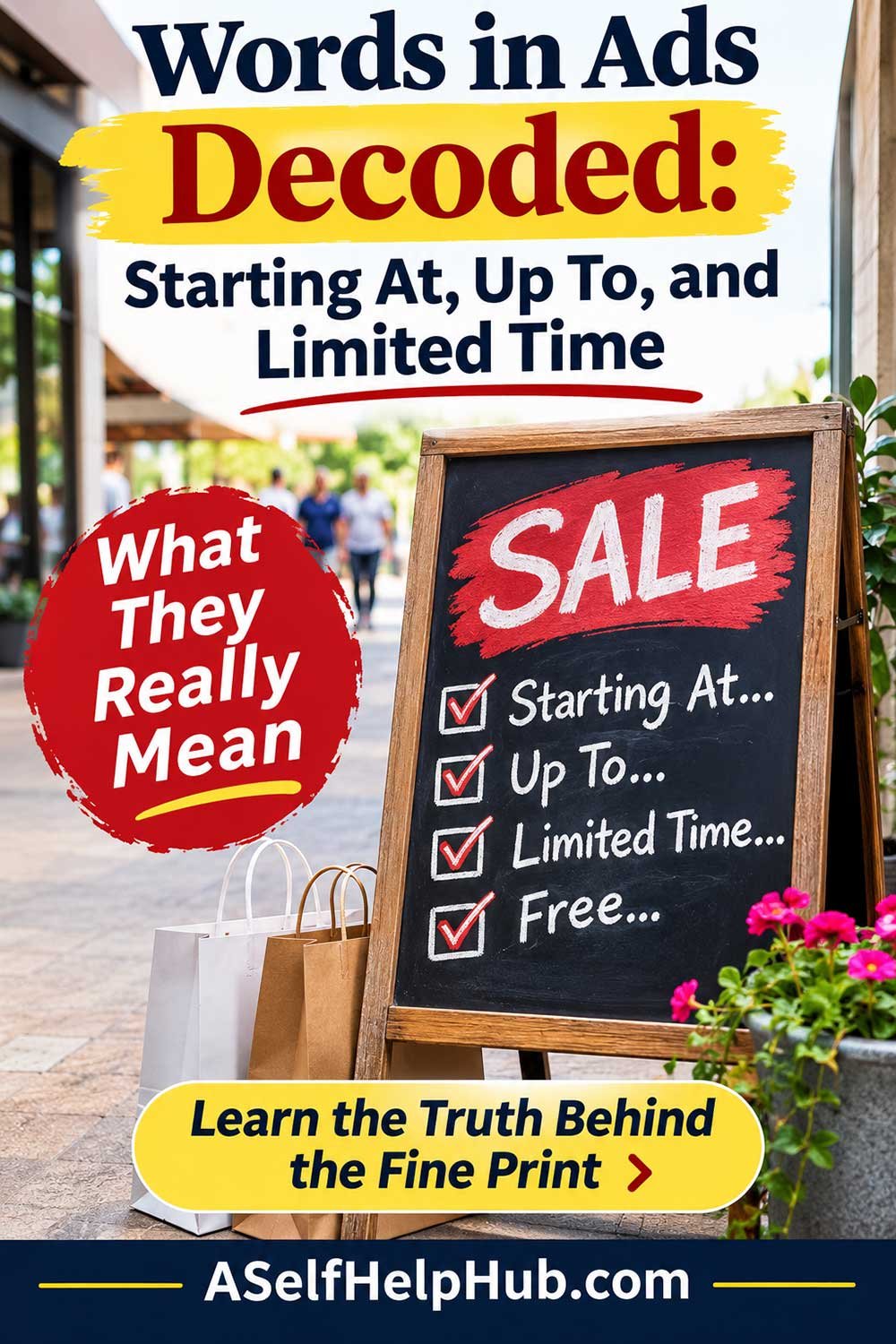
Common advertising words decoded in plain words: starting at, up to, limited time, free, and more, with small made-up examples and calm questions.
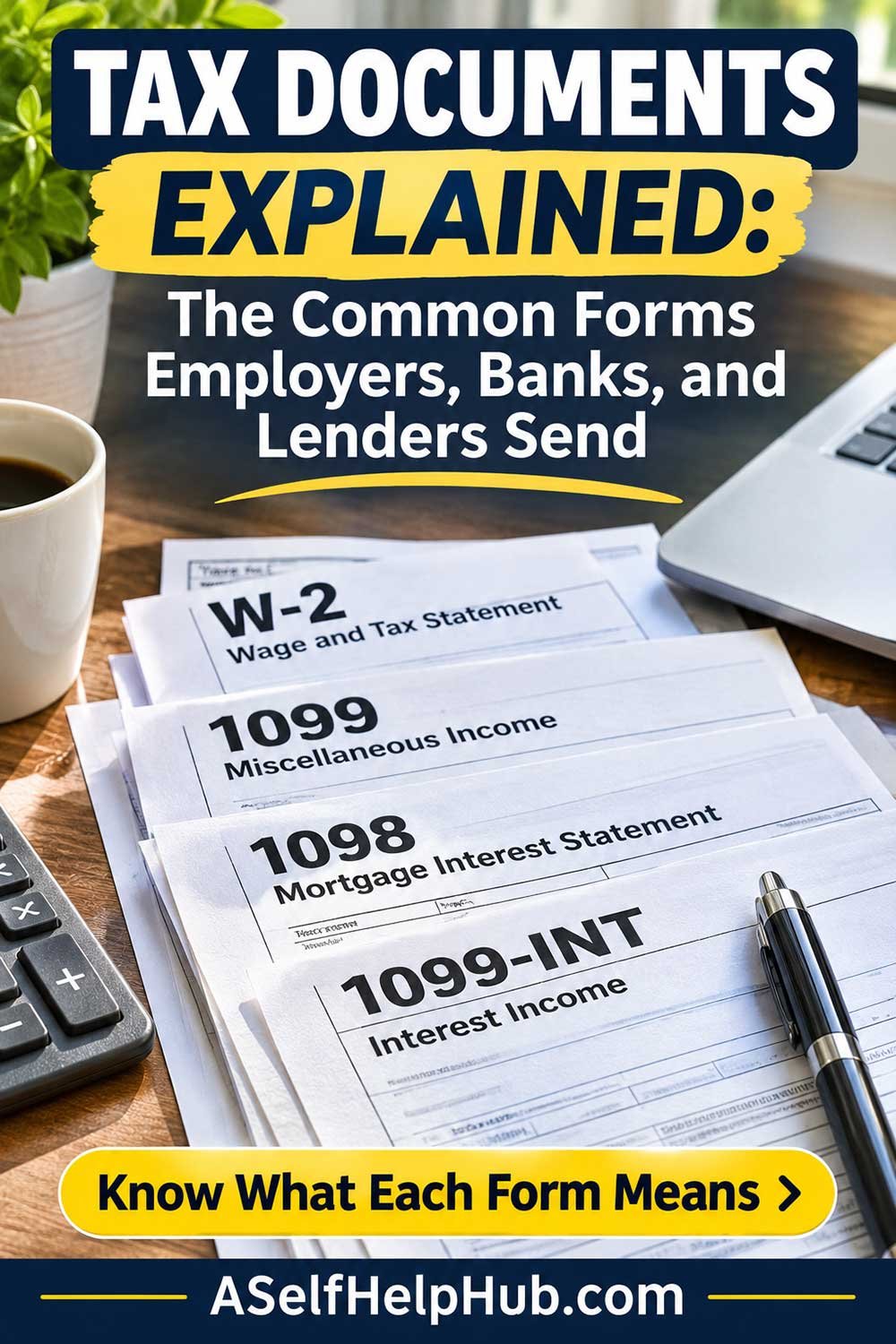
Tax documents explained in plain words: the common forms employers, banks, and lenders send, what they show, and how to keep them organized.

College sticker price vs net price in plain words: cost of attendance, grants, loans, and how to read a financial aid offer, with made-up math.

Common scam patterns in plain words: urgency, secrecy, and odd payment requests, plus calm ways to pause, check, and report.

How to read fine print without stress: a simple five-question method for any offer, plus common terms and calm ways to ask for help.

How to read a job offer beyond the salary: benefits, bonuses, retirement match, time off, and total pay, with simple made-up math.
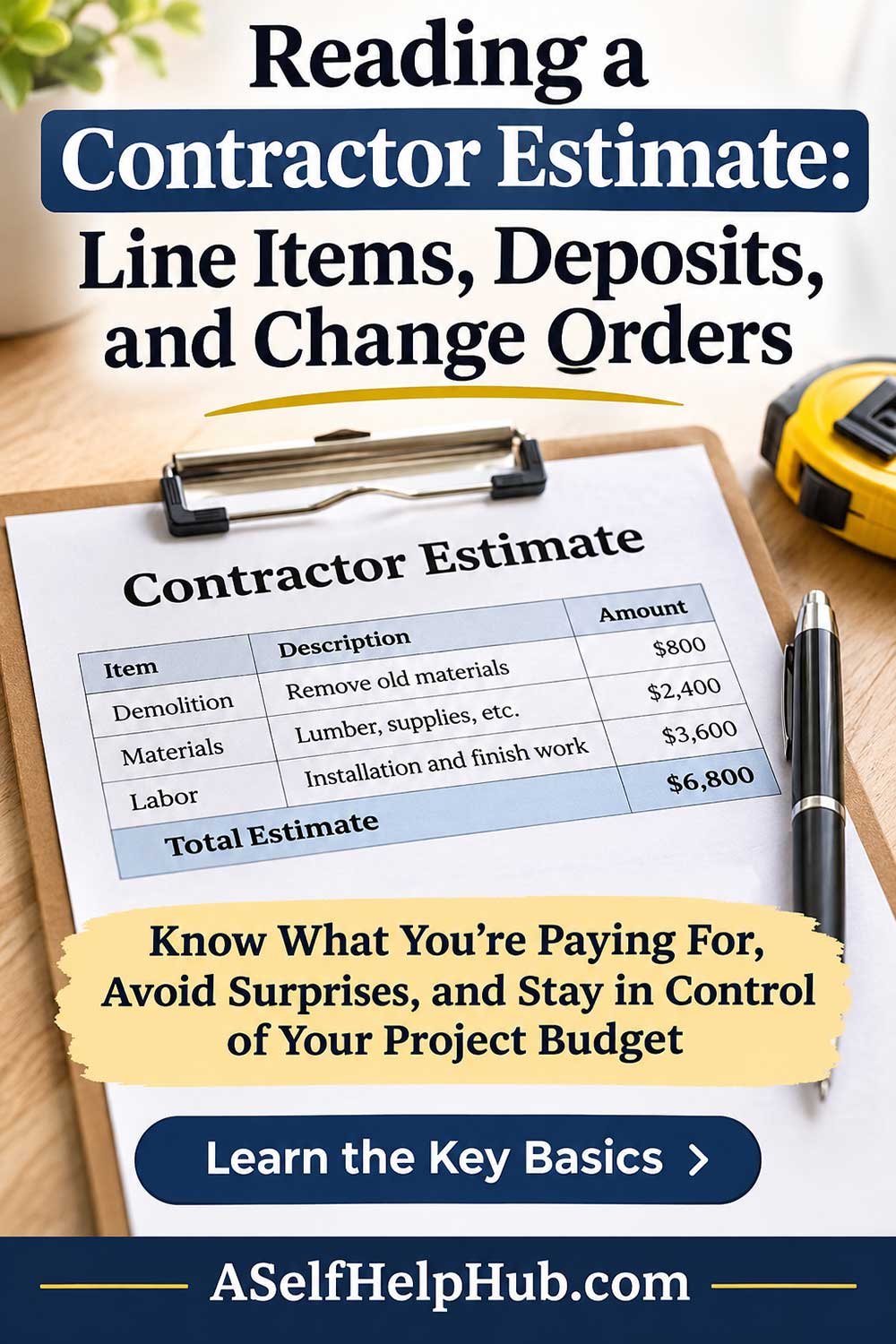
How to read a contractor estimate in plain words: line items, allowances, deposits, payment schedules, and change orders, with made-up math.

Understanding odds with everyday money: how chance math applies to extended warranties, checkout add-ons, and prize offers, with made-up examples.