11 Core Values Questions That Help You Create Better Choices
A choice made without any real reference to actual values tends to be decided by whatever feels most urgent or most comfortable in the moment, which is not the same thing as being decided well. Core values, made explicit and actually consulted, give a decision something more stable to be checked against than momentary pressure or convenience.
The eleven questions below are written to be asked directly, before a decision is finalized. Each one checks a specific dimension of a choice against genuine values, rather than leaving values as a vague, unexamined backdrop.
Build the Daily Habits Behind Genuinely Values-Aligned Choices
Download the free 9 Daily Habits guide and get nine simple morning practices that build the daily foundation these values questions are meant to support.
Get the Free Guide1. What are your actual top three values, written down specifically, rather than assumed to already be generally known?
Core values held only vaguely, without ever being written down specifically, are considerably harder to actually consult during a real decision than values that have been made concrete and explicit in advance. Writing down your actual top three values, specifically, creates something genuinely usable to check future choices against.
Write down your actual top three values specifically this week, rather than leaving them as a vague, unexamined assumption.
2. Does this choice move you toward or away from one of your stated values, and can you name specifically which one?
A choice evaluated only on its immediate convenience or urgency, without checking its actual relationship to a stated value, can drift away from what genuinely matters without this drift ever being consciously noticed. Naming specifically which value a choice moves toward or away from makes this relationship concrete rather than assumed.
The next time you face a meaningful choice, name specifically which of your values it moves you toward or away from.
Surround Yourself With What Supports Values-Aligned Choices
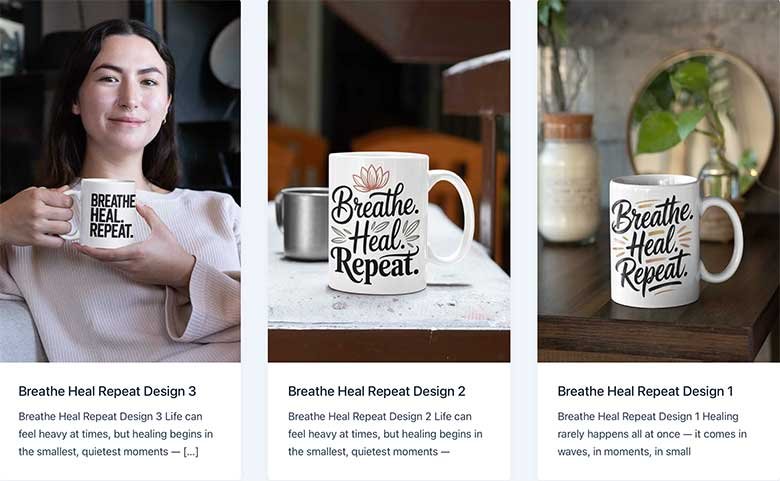
Premier Print Works creates quality prints, mugs, and shirts for people who are building the daily habits that support genuinely values-aligned decisions. Find what speaks to your journey today.
Visit Premier Print Works3. Is this choice being driven by a genuine value, or by fear of a specific outcome dressed up as a value?
Fear of a specific outcome — disapproval, missing out, being wrong — can sometimes masquerade as a stated value, when the actual driving force behind the choice is closer to avoidance than to a genuinely held principle. Distinguishing genuine value from disguised fear reveals which one is actually shaping the current decision.
The next time you make a significant choice, ask honestly whether it is being driven by a genuine value or by fear dressed up as one.
“A choice checked against your actual values tends to hold up better later than one decided purely by what felt easiest in the moment.”
Get Clear on the Values Actually Behind Your Choices
The free 7-Day Life Reset gives you one short prompt a day for a week, helping you get honest about the values you actually want your choices to reflect.
Start the Free Reset4. Would you make this same choice if no one else would ever find out about it?
Some choices are shaped, at least partly, by how they will be perceived by other people, rather than purely by genuine personal values, and this influence often goes unnoticed unless it is directly examined. Asking whether the same choice would still be made privately, with no outside audience, reveals how much of the current decision is actually values-driven versus perception-driven.
The next time you face a significant choice, ask honestly whether you would still make the same one if no one else would ever know.
5. Which of your values are actually in tension in this specific decision, and how are you weighing them against each other?
A difficult choice frequently involves two genuine values that are actually in tension with each other, rather than one clear value pointing obviously in a single direction, and this tension is easy to overlook if the decision is examined only for a single, dominant value. Naming both values in tension directly clarifies what is actually being weighed.
Identify which of your values are actually in tension in your current decision, and consider honestly how you are weighing them against each other.
6. Does this choice reflect who you actually are now, or who you used to be at an earlier point in your life?
A choice pattern established at an earlier point in life can continue running on autopilot well after genuine values have actually evolved, producing a choice that reflects an outdated version of a person rather than their genuine current values. Checking a current decision against present, rather than past, values catches this specific kind of misalignment.
The next time you notice yourself making an automatic choice, check whether it reflects who you actually are now, or an earlier version of yourself.
7. What would this choice look like if you fully trusted your own judgment, rather than second-guessing it against outside expectations?
A choice filtered heavily through anticipated outside expectations can end up reflecting those expectations more than genuine personal judgment, even when the person making the choice has genuinely sound judgment of their own to draw on. Asking what the choice would look like with full trust in your own judgment surfaces a version less shaped by outside expectation.
The next time you are second-guessing a choice, ask what it would look like if you fully trusted your own judgment instead.
8. Is there a values-aligned option you have not fully considered because it initially seemed harder than the more obvious choice?
The most values-aligned option in a given decision is sometimes overlooked simply because it initially appears more difficult than a more obvious, easier alternative, even though the harder option may actually reflect genuine values more accurately. Deliberately checking for an overlooked, harder option before finalizing a decision protects against defaulting to ease over genuine alignment.
Before finalizing your next significant choice, check whether a harder, more values-aligned option has been overlooked in favor of an easier one.
9. If you imagine explaining this choice honestly to someone you deeply respect, does the explanation genuinely hold up?
Imagining an honest explanation of a choice to someone genuinely respected provides a useful, informal test of whether the choice actually reflects real values, since the imagined explanation strips away some of the internal rationalization that a purely private evaluation can allow to slide by unexamined.
Imagine explaining your current choice honestly to someone you deeply respect, and check whether the explanation genuinely holds up.
10. What did a similar past choice, made in genuine alignment with your values, actually feel like once it was made?
A past choice made in genuine alignment with values tends to leave a specific, recognizable feeling — a sense of rightness or ease — that can serve as a useful reference point for a current decision, if it is deliberately recalled rather than left as a vague, general memory. Recalling this specific past feeling provides real, personal evidence to check the current choice against.
Recall a past choice made in genuine alignment with your values, and let that specific feeling inform your current decision.
11. Revisit your own core values periodically, since a value list written once may not automatically stay accurate as your life genuinely evolves.
A list of core values written at one point in life can become genuinely outdated as circumstances and priorities evolve over time, continuing to be used as a decision-making reference even after it has stopped accurately reflecting what actually matters now. Periodically revisiting the list keeps it genuinely current rather than frozen at an earlier point.
Revisit your own core values list this year, and update it honestly if it no longer fully reflects what actually matters to you now.
Explore Our Top Picks for a Better Life
We have gathered the tools, resources, and products we think are genuinely worth your time — covering mindset, habits, health, and home. All in one place, hand-picked to support the choices behind these questions.
See Our Top PicksReal Stories, Real Results
Amara had always assumed she generally knew her own core values without ever having actually written them down specifically, until a significant decision revealed just how vague and unusable that unwritten version genuinely was in the moment it actually mattered. Writing her top three values down specifically, for the first time, gave her something concrete enough to actually check the decision against. She said her values had not really changed once she wrote them down. Her ability to actually use them in a real decision finally had.
Joel had made a significant choice recently that had felt reasonable enough in the moment, until asking himself honestly whether he would still make the same choice if no one else would ever find out revealed that a considerable part of his reasoning had actually been about how the choice would look to other people. Recognizing this shifted how he approached the decision going forward. He said the choice itself had not necessarily been wrong. The reasoning behind it had simply not been as values-driven as he had originally assumed.
Better Choices Are Built Question by Question, Not Instinct by Instinct
Each question in this article checks a specific dimension of a choice against genuine values — the named tension, the private test, the recalled past alignment. None of these require values to already be perfectly clear before they can help.
Choose the two or three questions that speak most directly to your own current decision, and actually write out honest answers to them. Download the free 9 Daily Habits guide to give this values-based decision-making a consistent daily foundation to build from. A choice checked against real values tends to hold up better than one decided purely by what felt easiest.
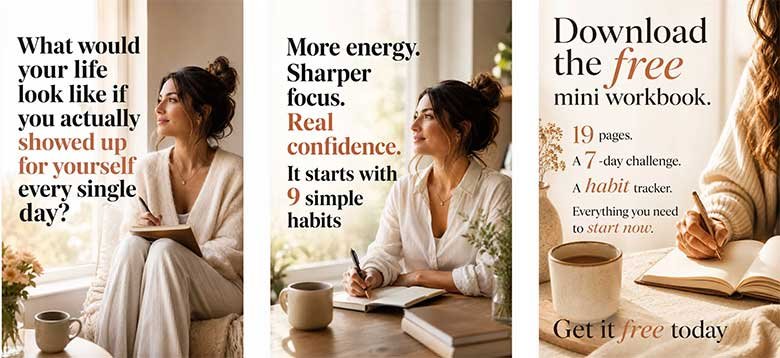
Ready to Build the Habits Behind Values-Aligned Choices?
The free 9 Daily Habits guide walks you through nine simple morning practices that build the daily foundation these values questions are meant to support.
Download Free Now
Fill Your Space With What Supports Values-Aligned Choices
Premier Print Works makes quality prints, mugs, and shirts for people building genuinely values-aligned decisions into their daily lives. Browse the collection and find what speaks to your journey today.
Visit Premier Print WorksDisclaimer
The content on this page is for informational and inspirational purposes only. It is not professional mental health, medical, financial, or legal advice of any kind. If you are experiencing significant or persistent difficulty making decisions, anxiety, or other mental health challenges, please consider seeking support from a qualified professional. Results and experiences vary significantly from person to person.
The stories of Amara and Joel are illustrative composite characters created to bring the content to life. They are not real people. Any resemblance to a real person is purely coincidental.
Some links on this page, including links to Premier Print Works and other resources, are affiliate links. If you make a purchase through one of these links, we may earn a small commission at no extra cost to you. We do not own, produce, or control any affiliate products, and we are not responsible for them — we only own and sell the products offered through our own store, Premier Print Works.
All content on A Self Help Hub is the property of Digital Marketing 215 LLC and is protected by copyright law. No part of this page may be copied, reproduced, republished, distributed, or transmitted in any form without prior written permission from the author.