13 Frugal Living Habits That Help You Live Below Your Means
Living below your means is not the same as living less of a life. It is the decision to have the life on your own terms rather than on the terms of every expense that presents itself. The person living below their means is not the person eating less or doing less or having less of what genuinely matters. They are the person who has identified what genuinely matters — and stopped paying for what does not. The gap that results is the beginning of wealth. Not the destination of it — the beginning. The gap is where the building starts.
These thirteen habits are how the gap gets built and how it stays built. Not through deprivation — through the daily intentional choices that keep the spending below the earning consistently enough that the difference accumulates into something real. Some of these habits produce large savings. Some produce small ones. All of them together produce the financial position that the spending-at-the-ceiling approach never can: a life that costs less than it earns, every month, consistently, by design. Start with the habit most available to the current life. Build from there. The gap opens. The building begins.
Free Download: The Money Reset Workbook
Living below your means starts with a clear honest picture of where every dollar is currently going. The free Money Reset Workbook gives you the complete framework to find that picture and start building the gap that creates real financial freedom. Download it free today.
Get the Free Money Reset Workbook1. Pay Yourself First — Before Any Other Expense Gets the Money
“The gap between what you earn and what you spend is where wealth is born.”
The most reliable structural habit for living below your means is the automatic savings transfer that moves a defined percentage of every paycheck to savings before the spending has a chance to claim it. Not the savings from what is left at the end of the month — the savings taken from the beginning before the spending begins. This reversal of the sequence is the single most effective change available in most household finances because it converts the savings from the optional remainder to the guaranteed first allocation.
The percentage matters less than the automaticity. Five percent saved automatically every paycheck produces more annual savings than twenty percent saved manually and inconsistently. Start with whatever the budget can absorb without stress. Increase the percentage by one point every three months as the spending adjusts to the lower available amount. The automatic transfer set once and maintained produces the consistent gap between earning and spending that living below the means requires. Pay yourself first. Every paycheck. Always. The gap is built one automatic transfer at a time.
“Living below your means today is the price of living above your dreams tomorrow.”
2. Know Your Monthly Number — The Exact Cost of Your Life
“The gap between what you earn and what you spend is where wealth is born.”
Most people have a rough sense of what their life costs per month but have never calculated the actual number. The actual number — every fixed expense, every variable category, totaled for a realistic monthly picture — is almost always higher than the rough sense suggests and is the starting point for every frugal living decision that follows. You cannot live below a number you do not know. The person who knows their monthly number with precision has the specific information needed to identify where the gaps can be widened and where the cuts would be most effective.
Calculate the number. Pull three months of statements. Total every expense. Divide by three for the monthly average. The number that results is the actual cost of the current life. Compare it to the take-home income. The gap between the two — positive or negative — is the current financial position stated plainly. If the gap is negative the frugal living habits are the path to reversing it. If it is positive the habits are the path to widening it. Either way the number is the beginning. Know it. Build from it.
“Living below your means today is the price of living above your dreams tomorrow.”
3. Adopt the Wait-and-See Habit for Every Discretionary Purchase
“The gap between what you earn and what you spend is where wealth is born.”
The discretionary purchase made in the moment of wanting is the discretionary purchase most likely to be regretted. The waiting period — twenty-four to seventy-two hours between the wanting and the buying — is the filter that separates the genuine preference from the momentary impulse. Most genuine preferences survive the waiting period. Most impulses do not. The purchases filtered out by the waiting period are the purchases that would have produced no lasting value and would have narrowed the gap without improving the life.
Make the waiting period the default for every discretionary purchase above a personally defined threshold. Add the item to a list rather than the cart. Return to it after the waiting period. If it is still genuinely wanted and fits the budget — buy it with full permission. If the wanting has diminished — as it frequently does — the money stays available for the gap. The habit requires no special skill and no sacrifice of genuinely desired things. It simply requires the delay that converts the impulse into the considered choice. The considered choice is almost always cheaper than the impulse and almost always more satisfying when made.
“Living below your means today is the price of living above your dreams tomorrow.”
4. Grocery Shop With a List and a Budget — Every Single Time
“The gap between what you earn and what you spend is where wealth is born.”
The unplanned grocery trip is one of the most consistently expensive habits in the household budget. The cart fills with whatever is appealing rather than whatever was planned. Items appear in the cart that will not all be used before they expire. The total at checkout is consistently higher than the mental estimate because the mental estimate did not account for the unplanned additions. The planned grocery trip with the written list from the week’s meals and a defined spending limit produces a consistently lower total from the same store for the same quality of food.
Write the list before every grocery trip. Build the list from the week’s planned meals. Set the approximate budget for the trip and hold it. The list removes the browsing that produces the unplanned additions. The budget removes the casual additions that produce the checkout total surprise. The meal plan that drives the list removes the ingredients purchased for meals that do not get made. These three connected habits — the plan, the list, the budget — produce consistent grocery savings every week they are practiced without any reduction in the quality or variety of the food purchased. Practice all three. Every trip.

Visit Premier Print Works
Keep the reminder that the gap between what you earn and what you spend is where wealth is born visible where the daily financial decisions are made. Premier Print Works offers prints, mugs, and art for the person building the gap that creates real financial freedom. Visit the shop today.
Visit Premier Print WorksHow Cosimo Widened the Gap Between His Earnings and His Spending by Getting Honest About What He Was Actually Spending On
Cosimo had an income he considered adequate and a financial position he considered frustrating. The income covered the expenses. At the end of most months there was very little left. He had been in this position for three years and had attributed it, without close examination, to the cost of living in his area. The cost of living was high. That was the explanation. It felt accurate because it was partially true. What he had not examined was whether the full cost of his specific life was necessary or whether a portion of it was the accumulated result of habits that had never been questioned.
He spent one month tracking every dollar with a specific question attached to each transaction: was this spending intentional or automatic? The intentional spending was spending he had thought about and chosen — the rent, the groceries from the list, the activities genuinely enjoyed. The automatic spending was spending that had happened without the conscious choosing — the coffee purchased from habit rather than desire, the restaurant meal chosen because it was easier than deciding what to cook, the online purchase made while scrolling without a specific need in mind. By the end of the month he had two lists. The intentional spending was largely what he had expected. The automatic spending was significantly higher and contained almost no items he could identify as genuinely contributing to the quality of his life.
He did not cut anything from the intentional list. He reduced the automatic list by approximately sixty percent over the following two months by applying the wait-and-see habit to every non-essential and by replacing several automatic convenience purchases with planned alternatives. The monthly gap that appeared between his income and his spending was not large. It was consistent. For the first time in three years the money left at the end of the month was a number he had produced deliberately rather than found accidentally. The cost of living had not changed. His relationship with his own spending had. The gap had been available the whole time inside the automatic spending he had never examined.
5. Build the Contentment Habit — Resist the Upgrade Impulse
“Living below your means today is the price of living above your dreams tomorrow.”
The upgrade impulse is one of the most expensive recurring costs in the modern consumer life. The working phone upgraded because a new model exists. The functional car replaced because a newer one is available. The adequate apartment exchanged for the nicer one because the income grew and the lifestyle is supposed to grow with it. Each individual upgrade decision can be justified. Collectively they are the mechanism that ensures the spending expands to consume every income increase rather than allowing any of it to widen the gap.
Build the contentment habit — the deliberate practice of identifying what is working in the current situation and choosing satisfaction with it rather than the reflexive reach for the upgraded version. The phone that works well is the phone worth keeping until it genuinely does not work well. The car that reliably provides transportation is the car worth keeping until the transportation is no longer reliable. The apartment that comfortably houses the current life is the apartment worth staying in until the current life genuinely outgrows it. The contentment habit applied to the upgrade impulse is one of the highest-yield frugal living habits available. The money not spent on the upgrade stays in the gap and compounds there. Let it.
“The gap between what you earn and what you spend is where wealth is born.”
6. Make Your Home the Entertainment Center
“Living below your means today is the price of living above your dreams tomorrow.”
The entertainment budget is one of the most elastic categories in most household budgets — capable of expanding significantly in response to the options the modern environment provides and capable of being reduced significantly without a corresponding reduction in the actual quality of the entertainment. The home entertainment center — the streaming service, the game, the creative hobby, the dinner with friends cooked at home — provides the same quality of experience as the paid external entertainment at a fraction of the cost. The difference is the default rather than the deliberate choice that home entertainment requires.
Make the home the deliberate first choice for entertainment. The movie at home before the cinema. The dinner hosted before the restaurant. The creative project engaged with before the evening consumed by the screen. Not every occasion — the external entertainment has its place for the specific experience that the home version cannot replicate. For the routine entertainment evening the home version is genuinely as satisfying and significantly less expensive. Change the default deliberately. The entertainment budget shrinks. The gap widens. The quality of the evenings does not diminish.
“The gap between what you earn and what you spend is where wealth is born.”
7. Review the Budget Monthly — and Adjust It Based on What Actually Happened
“Living below your means today is the price of living above your dreams tomorrow.”
The budget reviewed only at setup and never revisited is the budget that describes the intended life rather than the actual one. The monthly review — ten to fifteen minutes at the end of each month to compare the planned spending to the actual spending by category — is the practice that converts the budget from a static document into a living financial tool. The categories that consistently overshoot are the categories that need adjustment. The categories that consistently undershoot have room that could be redirected to the gap. The monthly review produces the information that makes the next month’s budget more accurate than the previous one.
Build the monthly review into the calendar. The last day of the month or the first day of the new one — a fixed appointment that does not move. Compare actual spending to the budget in every category. Identify the two or three categories with the largest variance. Adjust those categories in the next month’s budget based on what the actual spending revealed. The budget that has been adjusted twelve times — once per month for a year — is the budget that fits the actual life. That budget is the one that reliably produces the gap. Get to it by reviewing monthly and adjusting from the honest data the review provides.
“The gap between what you earn and what you spend is where wealth is born.”

Free Download: The 9 Daily Habits Checklist
Frugal living that lasts is built from consistent daily money habits. The free 9 Daily Habits Checklist gives you the daily structure to keep the most important financial habits consistent week after week. Download it free today.
Get the Free Habits Checklist8. Cultivate Free Pleasures With the Same Intention as Paid Ones
“Living below your means today is the price of living above your dreams tomorrow.”
The free pleasure is consistently undervalued relative to the paid one because the paying produces a feeling of having invested in the experience in a way the free version does not. The walk in the park is fully available and rarely taken as seriously as the fitness class that costs forty dollars and produces a similar physical benefit. The library book is the same content as the purchased book and carries less anticipation. The home-cooked meal enjoyed slowly at the table is the same experience category as the restaurant meal and receives less ceremony. The frugal living habit of cultivating the free pleasure with genuine intention closes this gap.
Treat the free pleasure with the same ceremony as the paid version. The walk planned and anticipated rather than taken apologetically. The library book held with the same attention as the purchased one. The home meal set with care rather than eaten from the container. The investment is in the attention and the intention rather than the money — and the experience produced is often genuinely equivalent or better because the attention is what makes an experience feel valuable rather than the price paid for it. Cultivate the free pleasures. Give them the same quality of presence the paid ones receive. The enjoyment is genuine. The cost is not.
“The gap between what you earn and what you spend is where wealth is born.”
9. Avoid Lifestyle Inflation When Income Increases
“Living below your means today is the price of living above your dreams tomorrow.”
The income increase that immediately produces the spending increase of the same magnitude closes the gap before it can widen. The raise spent on the nicer apartment, the newer car, and the more frequent restaurant visits is the raise that produces no lasting improvement to the financial position — only the upgraded lifestyle that now requires the higher income to maintain. Lifestyle inflation is the mechanism that keeps high earners in the same financial position relative to their income as low earners. The income grew. The spending grew to match it. The gap did not change.
When income increases, direct a significant portion of the increase to the gap before the lifestyle has a chance to adjust upward to consume it. A commonly cited approach is to direct at least half of every income increase to savings or debt payoff before allowing any lifestyle adjustment from the increase. Consult a qualified financial advisor for guidance appropriate to your specific situation. The income that grows while the spending stays partially anchored below it is the income that produces the widening gap. The widening gap is the building of the financial future. Protect it from the lifestyle inflation that would consume it before the building gets a chance to begin.
“The gap between what you earn and what you spend is where wealth is born.”

Building Financial Freedom Through Recovery? This Is for You.
For some people, building a more intentional relationship with money is part of the larger work of building a more stable and free life in recovery. If that is where you are, the free Sober Survival Guide offers honest daily support for that whole journey. Download it free.
Get the Free Sober Survival Guide10. Repair Before Replacing — and Learn One New Repair Skill Per Year
“The gap between what you earn and what you spend is where wealth is born.”
The replacement default — the immediate replacement of the broken or worn item with a new purchase — is one of the most expensive household habits available. The minor repair that costs a fraction of the replacement price is bypassed in favor of the new item because the replacement is more convenient, because the repair skill is not present, or because the consumer habit has made the replacement feel like the normal response to the broken thing. The repair habit — checking whether an item can be repaired before buying the replacement — is the frugal living habit that produces real savings in the categories where the replacement cost is highest.
Learn one new repair skill per year. Not an advanced skill — the repair most likely to be useful in the current household. The basic clothing repair that extends the life of a garment by months. The minor appliance fix that is available in a ten-minute YouTube tutorial. The basic bike maintenance that avoids the shop fee. Each skill learned is a recurring savings — available every time the relevant item needs the repair that was previously being outsourced to the replacement. The skill investment is a one-time cost in time that produces ongoing savings for as long as the skill is available to use. Learn one per year. The library of skills builds gradually into a meaningful capability that the household’s expenses reflect.
“Living below your means today is the price of living above your dreams tomorrow.”
11. Use the Library as Your Media and Entertainment Hub
“The gap between what you earn and what you spend is where wealth is born.”
The modern public library provides access to books, ebooks, audiobooks, magazines, streaming content, films, music, and in many cases tools, equipment, and educational resources — all at no cost beyond the library card that is free to any resident. The library’s digital offerings through apps like Libby have expanded the accessible library to include millions of titles available on any device. The household that uses the library as the primary media source rather than the secondary one redirects the money previously spent on books, audiobooks, and content subscriptions to the gap without any reduction in the quality or quantity of the content available.
Make the library the first check before any media purchase. The book being considered for purchase — check the library first. The audiobook to listen to during the commute — check Libby first. The documentary that requires a specific streaming subscription to access — check Kanopy, available free through many library systems, first. The library check takes thirty seconds. The savings it produces — across every media purchase it replaces — add up to meaningful annual amounts from a habit that requires no sacrifice in the actual media consumption. The content is the same. The cost is the library card.
“Living below your means today is the price of living above your dreams tomorrow.”
12. Cook From Scratch More Often Than From Packages
“The gap between what you earn and what you spend is where wealth is born.”
The packaged and convenience food category is one of the most consistent sources of unnecessary food spending in most households. The pre-cut vegetables at three times the cost of the whole vegetable. The pre-marinated protein at double the cost of the plain version with a marinade that takes three minutes to apply. The bagged salad kit at four times the cost of the individual ingredients. The seasoning packet that represents a minor fraction of the actual seasonings it contains. These convenience premiums are paid millions of times per week by households whose food budget would be meaningfully lower if the premium ingredients were replaced by the whole versions with the small amount of additional preparation they require.
Cook from the whole ingredient more often than from the packaged shortcut. Not every meal — the convenience premium is sometimes worth the convenience. As the default rather than the exception, the whole-ingredient cooking habit produces consistent food savings without any reduction in the quality of the food prepared. The skills required are modest and improve with practice. The savings accumulate across every meal where the whole ingredient replaced the convenience version. Start with the three packaged items most consistently purchased. Find the whole-ingredient version of each. Practice the switch. The savings begin immediately.
“The gap between what you earn and what you spend is where wealth is born.”
13. Define Wealth Personally — and Stop Spending Toward Someone Else’s Version of It
“Living below your means today is the price of living above your dreams tomorrow.”
The most expensive financial habit available is the spending driven by the external definition of what the good life looks like. The car, the home, the wardrobe, the vacation, the renovation — each purchased at least partly in response to the implicit standard of what success and comfort are supposed to look like in the social environment rather than what they actually feel like from the inside of the specific life being lived. This spending is the spending most disconnected from the genuine satisfaction it is supposed to produce because it is purchased for the visible result rather than the lived experience.
Define what wealth means in the actual life being lived. Not the abstract aspiration — the specific version. The specific amount of financial security that would produce the genuine feeling of safety. The specific experiences that produce the genuine feeling of a life well lived. The specific freedoms that matter most. These are usually smaller in dollar terms than the version the culture suggests and more personally specific than any external standard could capture. Spend toward your version. Stop spending toward the culture’s version. The gap between the two definitions is real money available for the actual goals. Find it. Direct it. The wealth it builds will fit the life it is building toward.
“The gap between what you earn and what you spend is where wealth is born.”
How Wyla Built Real Financial Freedom by Finally Deciding What Freedom Actually Meant to Her
Wyla had been working toward financial freedom for five years without being entirely certain what she was working toward. The phrase meant something genuine to her — the absence of financial stress, the options that money provides, the sense of having built something rather than just maintained a position — but she had never translated it into the specific numbers and specific conditions that would tell her she had arrived. Without the specific destination the progress was invisible and the motivation to continue the frugal habits was intermittent at best.
A conversation with a financially independent friend changed the approach. The friend asked: what does your version of financial freedom actually require? Not the general concept — the specific version. Wyla sat with the question for a week before answering honestly. Her version was specific and, when she named it clearly, considerably more achievable than the vague aspiration had implied. She did not want the yacht or the second home. She wanted six months of expenses saved, a fully funded emergency fund, no high-interest debt, and enough passive income to cover one month of expenses per year — which she could reach in considerably less time than she had been estimating. She wanted the option to take a month unpaid if a personal situation required it. She wanted the knowledge that an unexpected thousand-dollar expense would not derail the month. These were specific and achievable from her current income with the frugal habits she had been building.
The specificity changed the frugal habits from discipline imposed in service of a distant vague goal to discipline in service of a near specific one. The six months of expenses savings was real and approaching. The emergency fund was funded. The high-interest debt was gone. The passive income goal was on track. Each habit had a specific purpose that the general aspiration of financial freedom had never provided. She arrived at her specific version of financial freedom in three years — not five. Not because the habits had changed but because the destination had been named clearly enough to make the habits feel like progress rather than sacrifice. The freedom she had built was hers. Not the culture’s version. Hers. It was exactly what she had needed and considerably less than what she had been told she should want. That was the point.
The Gap You Build Today Is the Freedom You Live Tomorrow
Pay yourself first. Know your number. Wait before buying. Shop from the list. Resist the upgrade. Make the home the entertainment center. Review the budget monthly. Cultivate the free pleasures. Protect the income increase from the lifestyle inflation. Repair before replacing. Use the library. Cook from scratch. Spend toward your version of wealth — not someone else’s. These thirteen habits are the gap being built. The gap is where the wealth is born. Not in the dramatic income event or the perfect market timing — in the quiet consistent daily choice to spend below the earning and direct the difference toward something real. Start the habit most available today. Add the next one when the first is running. Build the gap. The freedom it produces is already on its way.

Free Download: The Money Reset Workbook
Build the complete financial picture that makes these frugal living habits part of a strategy that produces real financial freedom. The free Money Reset Workbook gives you the spending tracker, the savings framework, and the monthly review tools to keep the gap growing. Download it free today.
Get the Free Money Reset WorkbookOur Top Picks for a Better Life
We have gathered our favorite tools, resources, and recommendations for frugal living, building the habits that close the gap between earning and spending, and creating the financial foundation that makes the freedom you are building toward feel genuinely close and genuinely worth the building. Everything we trust enough to share, all in one place.
See Our Top Picks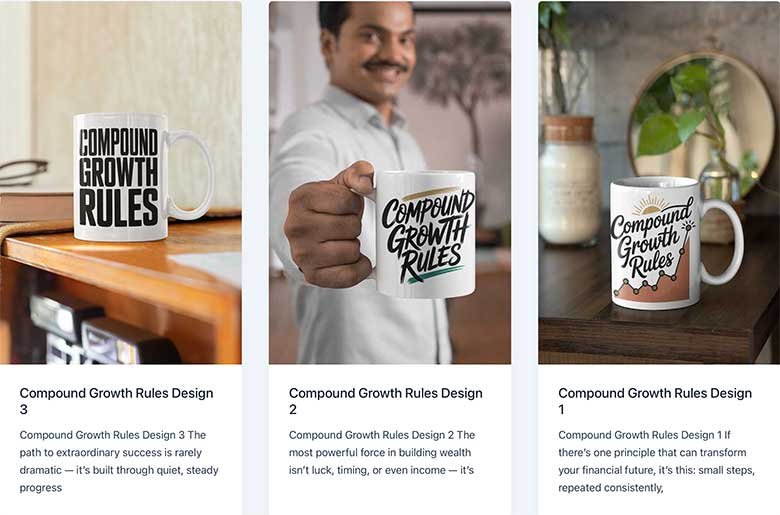
Financial Freedom Prints at Premier Print Works
Keep the reminder that living below your means today is the price of living above your dreams tomorrow visible where the daily financial choices are made. Visit Premier Print Works for prints, mugs, and art for the person building the gap that creates the freedom.
Visit Premier Print WorksDisclaimer
The content on A Self Help Hub is for informational and educational purposes only. The frugal living habits and personal stories in this article offer general guidance for everyday money management and lifestyle choices. They do not constitute professional financial advice, investment advice, tax advice, or legal advice of any kind. A Self Help Hub is not a licensed financial advisor and nothing in this article should be interpreted as a recommendation to take any specific financial action.
Every person’s financial situation, income, obligations, and personal preferences are different. The savings approaches and income allocation guidance described in this article are general examples and may not be appropriate for every individual situation. Before making significant financial decisions — including decisions about savings allocation, debt repayment, or income management — please consult a qualified and licensed financial advisor who can evaluate your specific situation. Savings figures and outcomes referenced are illustrative examples only and are not guarantees of specific results for any individual.
The stories and composite characters in this article, including Cosimo and Wyla, are illustrative. They are based on common financial experiences and created to make the content relatable. They are not real people. Any financial figures or outcomes described are examples only and not representations of typical or guaranteed results.
Some links on this site, including links to Premier Print Works, may be affiliate links. A Self Help Hub may earn a small commission at no extra cost to you. We only recommend things we genuinely believe in.
The Sober Survival Guide linked in this article is general supportive information only. It is not a substitute for professional addiction treatment or medical care. If you or someone you love is struggling with addiction, please seek help from a qualified professional. Recovery is possible.
If you are in a mental health crisis or thinking about self-harm, please do not rely on this content for support. Contact emergency services or a crisis helpline right away. You deserve real help and it is available to you now.
All content on A Self Help Hub is copyrighted. You may not copy or republish it without written permission. By reading this article you agree to this disclaimer.