15 Growth Mindset Hacks That Help You See Pain Differently
For a long stretch, I treated my pain like an enemy I had to defeat.
I tried to push it down, talk myself out of it, or wait for it to leave. The harder I fought, the more it seemed to hold on. What helped was a slow change in how I related to it. I stopped asking it to disappear on my schedule, and I began to ask what it was telling me and what I needed. Nothing about the pain changed overnight, but my place in it did.
A growth mindset, as I use the term, is the belief that you can learn and change, even in hard seasons. It leaves no need to pretend that pain is good, and no need to find a silver lining. These fifteen hacks are about relating to pain in ways that give you a bit more room and a bit more choice. If your pain feels overwhelming, please reach out to a doctor, counselor, or someone you trust. Take what helps, and leave the rest.
Build Steady Daily Habits Under Hard Feelings
Download the free 9 Daily Habits guide and get nine simple morning practices that give you steadier ground while you work through pain.
Get the Free Guide1. Treat pain as a message to listen to, and not as a verdict on you.
Pain can feel like proof that something is wrong with you. A gentler view is that pain is a signal. It points to something that matters: a loss, a need, a limit, or a hurt that deserves care.
Try asking, “What is this pain trying to tell me?” The answer may be simple, like “I miss someone” or “I am exhausted.” Often, listening makes the pain less lonely.
You do not need to solve it. Just listening is a good start.
When pain shows up today, pause and write one sentence about what it might be telling you.
2. Separate the pain from your identity, since “I am hurting” is different from “I am broken.”
The words we use shape how we feel. “I am broken” sounds like a permanent fact. “I am hurting right now” describes a state that can change. Small changes in language can loosen a heavy belief.
Notice when you describe yourself with your pain. Try changing the sentence to something that leaves room for change.
You can admit exactly how bad it feels and still keep the pain from defining everything you are.
Rewrite one sentence you say about yourself, such as “I am broken,” as “I am hurting, and I am more than this pain.”
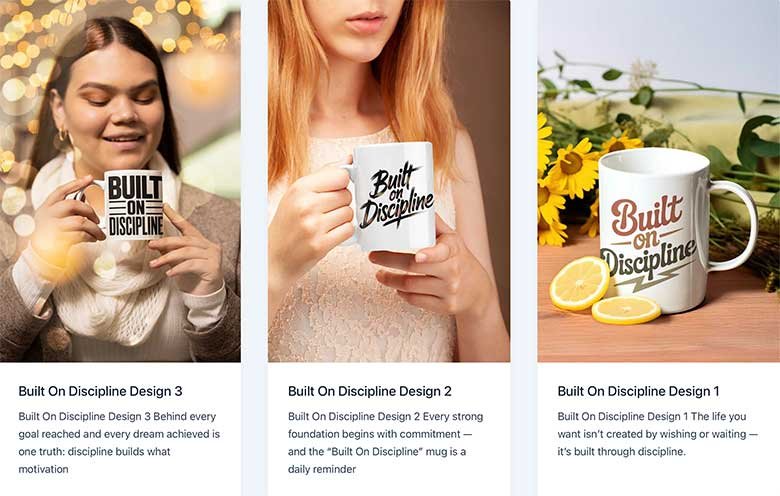
Keep a Reminder That You Are More Than Your Pain
Premier Print Works creates quality prints, mugs, and shirts for people learning from hard seasons. Find a small reminder that you are growing, even now.
Visit Premier Print Works3. Ask “What do I need?” instead of only “Why me?”
“Why me?” is a natural question, and it rarely has a satisfying answer. It can keep us circling in the same place. “What do I need right now?” gives us something we can act on.
The answer might be rest, company, quiet, a walk, a good cry, or help with a practical problem. Even a small answer gives you a next step.
You can still ask “Why me?” Just add the second question next to it.
The next time you feel stuck in “Why me?”, ask what you need, and do one small thing to meet it.
“You do not have to like your pain to learn how to live beside it with a little more gentleness.”
4. Let pain and other feelings exist at the same time.
Many people believe that they have to feel only one way. But we can hold more than one feeling at once. You can be sad and also grateful for a friend. You can be angry and still care. You can hurt and still laugh once in a while.
Using the word “and” can help. “I am hurting, and I am getting through today.” “I miss them, and I am learning to go on.”
This does not diminish the pain. It simply makes room for the rest of you.
Write three sentences that join two feelings with the word “and.”
Look at Your Week With More Perspective
The free 7-Day Life Reset gives you a short, simple way to step back and see your week with a little more distance and kindness.
Get the Free Reset5. Do not force a silver lining, and let meaning arrive when it is ready.
Well-meaning people sometimes say that everything happens for a reason. That can feel dismissive when you are in pain. You are allowed to say that something was simply hard, unfair, or sad.
Some people find meaning later, in their own way, and some do not. Both are okay. You can skip the search for a lesson in everything.
If a sense of meaning comes naturally, welcome it. If it does not, you can simply keep caring for yourself.
Give yourself permission to skip the lesson, and write one sentence that simply says, “This was hard.”
6. Give your pain a time and a place, so it does not take over the whole day.
Pain can seep into every hour. A gentle technique is to set aside a short time each day to let yourself feel it fully. It might be fifteen minutes in a quiet spot with a notebook. When the time is up, shift to something steadying.
If pain arises at other times, you can say, “I will give this attention at my set time.” This does not suppress your feelings. It gives them a safe container.
If this feels too hard, please talk with a counselor, who can guide you.
Choose a daily fifteen-minute window to give your pain your full attention, and plan something calming afterward.
7. Notice what you have already survived, because it says something about your strength.
When we are hurting, it is easy to forget what we have already handled. Take a few minutes to list hard things you have been through. A loss, a move, an illness, a heartbreak, a difficult year. You are still here.
Your current pain still counts. The list simply reminds you that you have carried hard things before, and found your way.
Read the list on days when you feel unsure of yourself.
Write down five hard things you have already gotten through, and keep the list handy.
8. Look at your pain from a little distance, as you would look at a friend’s.
When we are inside our pain, it fills the whole view. Imagining that a good friend is going through the same thing can help you step back a little. What would you say to them? What would you notice about their effort? How would you treat them?
Then say those things to yourself. This can soften harsh self-judgment, and make your own experience feel more human.
It is a small shift in perspective that often brings more kindness.
Write a short note to yourself as if you were writing to a friend who is going through the same thing.
9. Write a letter from your future self, and let it offer some perspective.
Imagine yourself a year or two from now, in a gentler place. Write a short letter from that person to you today. What would they say? What would they want you to know? What would they thank you for doing?
No one can promise that everything will be fine. The letter is a way of widening your view. Sometimes the future self sees more patience and strength than we can see now.
Keep the letter, and read it when you need it.
Write a one-page letter from your future self to you today, and read it out loud.
10. Look for small shifts, and not only big breakthroughs.
Growth in hard seasons is usually quiet. You might notice that you slept better, cried less, laughed a bit, or reached out. These small shifts are real signs of movement.
Keep a short list of them. On days when you feel stuck, you can see that things are changing, even slowly.
Be generous in what you count.
Write down three small shifts you have noticed in the last month, however tiny.
11. Decide what you want to carry forward, and what you are ready to set down.
Over time, you may notice some things you want to keep from a hard season, like a deeper kindness, a new boundary, or a clearer sense of what matters. You may also notice some things you are ready to leave behind, like old beliefs or habits that no longer serve you.
There is no rush, and no requirement. You can sort this slowly.
Write two short lists, one of what you want to carry, and one of what you are ready to put down.
Make two short lists, “What I want to keep” and “What I am ready to set down,” and add one item to each.
12. Do not compare your pain to anyone else’s, since it only adds a second hurt.
Comparing can make us feel guilty or inadequate. “Other people have it worse” can make you ashamed of hurting. “Other people seem to cope better” can make you feel weak.
Your pain belongs to you, with your history and your circumstances. It deserves care, whatever size it is in comparison.
When you catch yourself comparing, gently bring your attention back to your own needs.
The next time you compare your pain to someone else’s, say, “My pain is real and deserves care,” and take one caring action.
13. Practice speaking to yourself with compassion, especially on the hard days.
The way you talk to yourself in pain matters. Harsh words add weight. A kinder voice offers support. Try saying things like, “This is hard, and you are doing your best.” “It makes sense that you feel this way.” “You do not have to have it all figured out.”
It may feel awkward at first. Practice in small moments.
Self-compassion is a skill, and it grows with use.
Write three compassionate sentences you can say to yourself on a hard day, and read them aloud.
14. Let yourself rest, since growth often happens in the quiet.
It is tempting to think that growth must be active and busy. But often it happens in rest. Sleep, quiet, and slow days give your mind and body time to process.
Plan regular rest. Let yourself do less on hard days. A quiet afternoon can be part of healing.
Rest is part of how you recover.
Schedule one real rest period this week, and protect it as you would any important appointment.
15. Get support, and see a professional if pain stays heavy.
A growth mindset leaves room for asking for help. If your pain is intense, long-lasting, or affecting your daily life, please reach out to a doctor, counselor, or therapist. Support can make a real difference.
If you have experienced trauma, a trained professional can help you work through it safely. If you ever have thoughts of harming yourself, please contact a crisis line or emergency services right away.
Reaching out is a way of caring for yourself.
Write down the name or number of one professional or crisis service, and save it where you can find it quickly.
Explore Our Top Picks for a Better Life
We have gathered the tools, resources, and products we think are genuinely worth your time, covering mindset, self-care, health, and home. All in one place, hand-picked to support the way you grow through hard seasons.
See Our Top PicksReal Stories, Real Results
Let me share two examples I like to use. Kezia had been trying to fight her pain, and it felt like it was winning. When she began asking what she needed, and allowing two feelings at once, something eased. She told me the pain did not go away, but she felt less at war with herself. She started to say, “I am hurting, and I am getting through today.”
Daniel’s helpful hack was the letter from his future self. He wrote it on a bad night, expecting to feel silly. The letter was gentler than he expected, and it reminded him of what he had already survived. He kept it in a drawer and read it when he needed to. Both of them said the same thing: seeing pain differently began with more kindness, and not with trying to make it vanish.
Seeing Pain Differently Begins With a Little More Room and a Little More Kindness
Picture a hard day, with the hurt still present. But you have stopped fighting it, and you are no longer alone with it. You know what you need, you speak to yourself gently, and you remember what you have survived. The pain is there, and so are you.
Choose two or three hacks from this list, and begin with listening to what your pain is telling you. Download the free 9 Daily Habits guide to give your days a steady base. Hard seasons can change you gently, and you can help by being kind to yourself.
Want Ready-Made Tools to Help You Put This Into Action?
Sometimes the fastest way forward is a tool that someone has already built. Browse our hand-picked resources and downloads, chosen to help you take the next step with less guesswork.
Browse Resources and Downloads
Ready to Build Steadier Ground Beneath Hard Feelings?
The free 9 Daily Habits guide gives you simple morning practices that make steady growth easier, even in hard seasons.
Download Free Now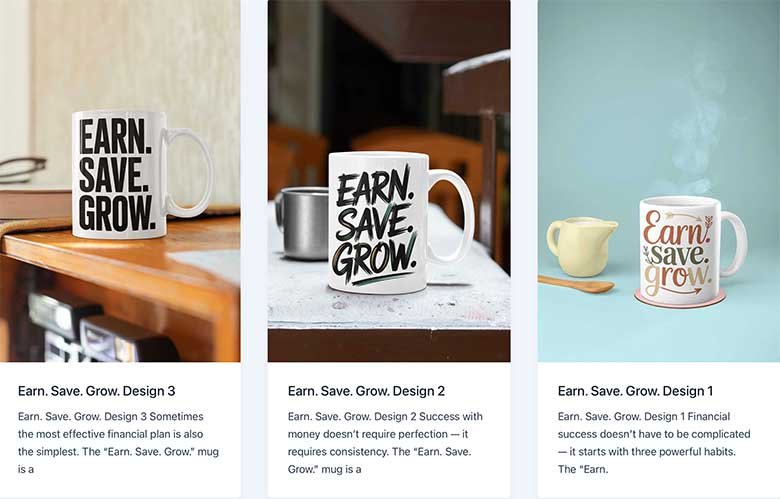
Fill Your Space With Growth Through Hard Times
Premier Print Works makes quality prints, mugs, and shirts for people growing through hard times. Browse the collection and find what speaks to your journey today.
Visit Premier Print WorksDisclaimer
The content on this page is for informational and inspirational purposes only. It is not professional mental health or medical advice of any kind, and it is not a substitute for professional care. If you are experiencing grief, trauma, abuse, persistent sadness, hopelessness, or thoughts of harming yourself, please reach out to a qualified healthcare or mental health professional, or contact a crisis line or emergency services in your area right away. Results and experiences vary significantly from person to person.
The stories of Kezia and Daniel are illustrative composite characters created to bring the content to life. They are not real people. Any resemblance to a real person is purely coincidental.
Some links on this page, including links to Premier Print Works and other resources, are affiliate links. If you make a purchase through one of these links, we may earn a small commission at no extra cost to you. We do not own, produce, or control any affiliate products, and we are not responsible for them — we only own and sell the products offered through our own store, Premier Print Works.
All content on A Self Help Hub is the property of Digital Marketing 215 LLC and is protected by copyright law. No part of this page may be copied, reproduced, republished, distributed, or transmitted in any form without prior written permission from the author.