17 Personal Growth Habits That Help You Become More Courageous
Courage often gets tested in small, social moments most people never notice. Raising your hand in a meeting. Sharing an honest opinion. Letting someone see your work before it is perfect. These moments are easy to avoid, and avoiding them quietly adds up.
These 17 habits focus on being seen and heard, on purpose, in small ways you can practice this week.

Build the Habits Behind Real Courage
Get the free 9 Daily Habits guide. It gives you nine simple morning steps to build daily courage.
Get the Free Guide1. Speak first in a meeting instead of waiting for someone else to go.
Going first means sharing your honest thought before you have heard everyone else’s, which takes more nerve than agreeing with what has already been said. It also tends to get noticed and remembered.
In your next meeting, share your point first instead of waiting to hear others.
2. Share an opinion you are not sure others will agree with.
A safe opinion is easy to say out loud. A real one carries the risk that someone might disagree. Sharing your honest view builds the muscle of standing behind your own thinking.
Share one honest opinion today, even if you are not sure others will agree.

Support Your Courage Journey
Premier Print Works makes prints, mugs, and shirts for people building real courage. Find something that fits you.
Visit Premier Print Works3. Post or share something you made before it feels finished.
Waiting until something is perfect is often just a way to delay being seen. Sharing work while it still feels a little rough teaches you that imperfect work can still be worth putting out there.
Share one piece of unfinished work with someone this week.
“Courage often gets tested in small, social moments most people never notice, like raising a hand or sharing an honest opinion.”
Get Clear on Where You Hold Back
The free 7-Day Life Reset gives you one short prompt a day for a week. Get honest about where you hold back the most.
Start the Free Reset4. Ask a question in a group instead of staying quiet.
Staying quiet in a group can feel safe, but it often means missing out on the answer you actually needed. Asking the question you are afraid sounds obvious is a small, repeatable act of courage.
Ask one question out loud today that you might normally keep to yourself.
5. Correct someone politely when they get something about you wrong.
Letting a small misunderstanding slide feels easier in the moment, but it trains you to stay quiet about things that actually matter. Speaking up, even gently, keeps your voice active.
Correct one small misunderstanding today, calmly and directly.
6. Introduce yourself to someone new instead of waiting to be introduced.
Waiting for someone else to make the first move puts your social life in someone else’s hands. Walking up and introducing yourself is a small, direct act that builds real confidence fast.
Introduce yourself to one new person this week without waiting to be introduced.
7. Say no to a request instead of agreeing out of habit.
Agreeing to avoid an awkward moment is common, but it slowly teaches you that your own limits do not matter as much as other people’s comfort. A clear “no” protects your time and your voice.
Say no to one request this week that you would normally agree to out of habit.
8. Ask directly for something you want instead of hinting at it.
Hinting protects you from a direct no, but it also means you rarely get a direct yes. Asking clearly for a raise, a favor, or help takes more nerve, and it works far more often.
Ask directly for one thing you want this week, instead of hinting.
9. Share a personal story in a conversation instead of keeping it surface-level.
Staying on safe, surface topics avoids the risk of being truly known. Sharing something real about your own life, even briefly, is a small but meaningful act of being seen.
Share one personal story today instead of keeping the conversation surface-level.
10. Give honest feedback when someone asks for it.
Softening honest feedback into something vague protects you from an awkward reaction, but it does not actually help the other person. Giving clear, kind, honest feedback takes real nerve.
Give one piece of honest, specific feedback today when someone asks for your opinion.
11. Try something new in front of people who might see you struggle.
Learning something new privately avoids the risk of looking clumsy in front of others. Trying it in front of people anyway, even if you are not good at it yet, builds real comfort with being seen imperfectly.
Try one new thing this week in front of someone else, even if you might struggle.
12. Speak up about a mistake before someone else points it out.
Staying quiet about a mistake and hoping no one notices is common, but it adds ongoing stress. Naming your own mistake first is uncomfortable for a moment and freeing afterward.
Speak up about one mistake today before someone else brings it up.
13. Wear or say something that reflects your actual taste, not just what blends in.
Blending in avoids attention, but it also means hiding a real part of yourself. Choosing something that reflects your actual taste, even in a small way, is a quiet act of visibility.
Wear or say one thing today that reflects your real taste, not just what blends in.
14. Reach out first to reconnect with someone you have lost touch with.
Waiting for the other person to reach out first can mean waiting forever. Sending the first message, even after a long silence, takes real nerve and often gets a warmer response than expected.
Reach out to one person today that you have lost touch with.
15. Raise a concern in a group instead of only mentioning it privately later.
Bringing up a concern privately, after the fact, avoids the discomfort of the moment but rarely changes anything. Raising it in the room, while it is happening, takes more courage and gets more results.
Raise one concern in the moment today, instead of saving it for a private conversation later.
16. Apply, audition, or pitch for something you are not sure you will get.
Not trying protects you from a possible no, but it also guarantees you will not get a yes either. Putting yourself forward, even with real doubt, is one of the clearest forms of courage.
Apply or pitch for one thing this week that you are not sure you will get.
17. Check in on where you are still staying quiet.
Courage in one area does not automatically show up in every area of your life. Check in regularly on where you are still holding back, and pick one small step forward.
Check in this month on one area where you are still staying quiet, and take one small step.
Explore Our Top Picks for a Better Life
We picked tools and products we think are worth your time. This covers mindset, habits, health, and home.
See Our Top PicksReal Stories, Real Results
Amara always waited to speak last in meetings, agreeing with whatever had already been said. The first time she spoke first and shared her honest, different take, a coworker told her it was exactly what the team needed to hear. She said she never realized how much she had been holding back until that moment.
Joel always hinted at wanting more responsibility at work instead of asking directly. The first time he asked his manager clearly for a new project, he got a yes within the week. He said he never expected asking directly to actually be that simple.
Courage Grows Through Being Seen, Not Just Feeling Brave
Each habit here puts you in a small, real moment of being seen or heard. Speaking first. Asking directly. Sharing work before it feels ready. None of these require a big, dramatic leap.
Pick two or three habits that feel most uncomfortable right now, and try them this week. Get the free 9 Daily Habits guide for a daily foundation. Courage builds through small, repeated moments, not one big leap.

Ready to Build Real Courage?
The free 9 Daily Habits guide walks you through nine simple steps. Build a strong daily foundation.
Download Free Now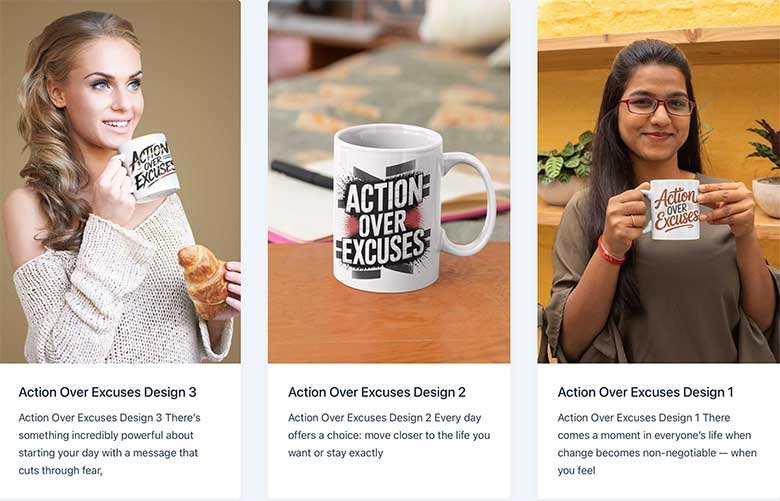
Support Your Courage Journey
Premier Print Works makes prints, mugs, and shirts for people building real confidence and courage. Browse the collection today.
Visit Premier Print WorksDisclaimer
This page is for information only. It is not professional coaching, mental health, or medical advice. Results vary from person to person.
Amara and Joel are made-up characters used to bring this content to life. They are not real people.
Some links on this page, including links to Premier Print Works, are affiliate links. If you buy something through one, we may earn a small commission at no extra cost to you. We only own and sell products through our own store, Premier Print Works.
All content on A Self Help Hub belongs to Digital Marketing 215 LLC and is protected by copyright law. No part of this page may be copied or reused without written permission.