The Beginner’s Guide to Frugal Living on a Tight Budget
When money is already tight, most frugal advice can feel a little insulting.
Skip the daily coffee, someone says, as if that were the problem. If your budget is stretched to the edge by rent, food, and bills, the usual tips about small treats do not touch the real pressure. You need a different kind of guide, one that starts from where you are and respects how little room you may have.
This guide is written for beginners on a tight budget. It begins with essentials, moves to the places where real savings often hide, and points to free and low-cost help along the way. I have kept it practical and kind. You do not need to do everything at once, and you do not need to feel ashamed. Frugal living is a set of skills, and anyone can learn them.

See Where Every Dollar Goes on a Tight Budget
Download the free Money Reset Workbook and get a simple way to list your essentials and your spending, so frugal living starts with a clear picture.
Get the Free WorkbookStart by understanding what frugal living really means
Frugal living means spending carefully on what matters and finding the best value for the money you have, which is quite different from being cheap or doing without everything. On a tight budget, that often means making a short list of essentials and treating every other dollar with care. If you want a gentler way to think about it, my money saving habits that build long-term financial peace may help.
Think of frugality as a skill that grows with practice. The more you use it, the easier it gets, and the more choices it gives you.
You are not failing if you are struggling. Many people are, and many of them find ways through.
Write down in your own words what you want frugal living to do for you, such as less stress or more breathing room.
Know your essentials, and cover them first
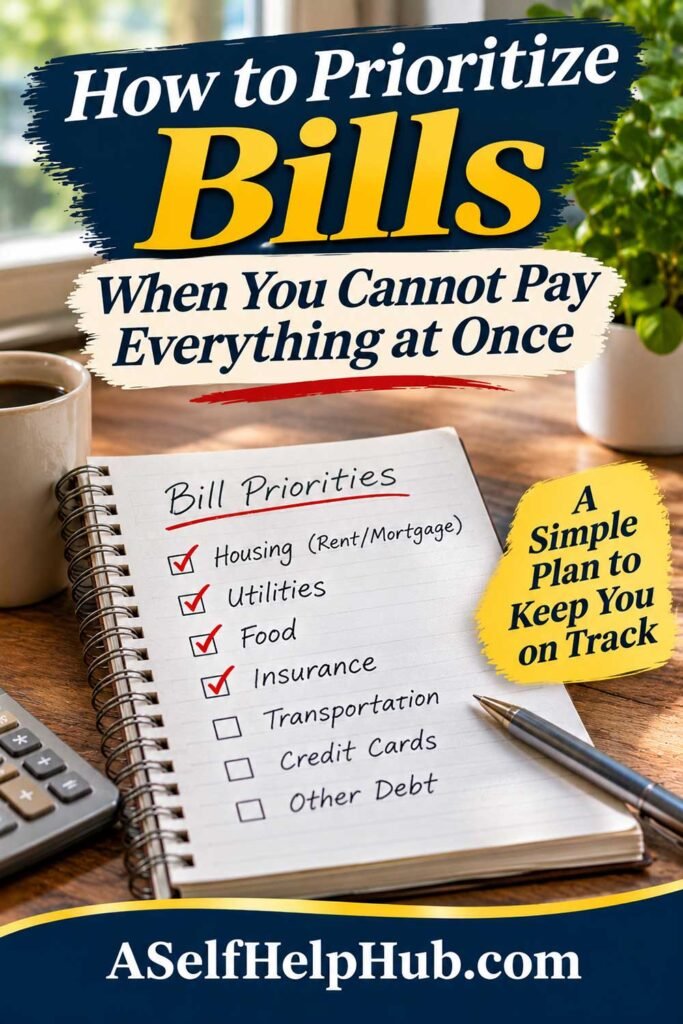
On a tight budget, the first job is protecting the basics. Housing, utilities, food, transportation to work, health care and medicine, and necessary insurance come first. Write down what each one costs, and make sure they are paid.
Everything else is flexible. Having a clear list of essentials helps you decide where to look for savings, and where not to cut. Never cut health or safety to save money.
If you cannot cover your essentials, that is a different problem, and there is help for it. Look for local assistance, which I mention later in this guide.
Write a list of your essential monthly costs with amounts, and add them up.

Keep a Reminder That You Are Resourceful
Premier Print Works creates quality prints, mugs, and shirts for people stretching every dollar. Find a small reminder that you can do this.
Visit Premier Print WorksTrack your spending for a couple of weeks
You cannot save what you cannot see. For two weeks, write down every dollar you spend, even small amounts. Use a notebook, a notes app, or your bank statement. The goal is to find where money goes, and not to judge yourself.
Many people find a few surprises. A subscription they forgot, a fee that repeats, or a spending habit that adds up. These are your first places to save, and they often cost you nothing in comfort.
Keep the list, since you will use it again in the next steps.
Track every purchase for fourteen days, and circle the three that surprise you most.
“Frugal living is a set of skills, and anyone can learn them, whatever the size of their budget.”
Cut the leaks before you cut the joy
A leak is money that goes out without giving you much in return. Unused subscriptions, bank fees, late fees, extra phone data, and delivery charges are common ones. Go through your statements, and stop what you can. For more ideas to lower stress while you do this, these personal finance tips for people who want less money stress are worth a read.
Call your phone, internet, and insurance providers, and ask whether there is a lower-priced plan or a discount. A short call can lower a bill for months.
Leaks are the best savings, because nobody misses them.
Cancel or lower two recurring costs this week, and make one call to ask about a discount.

Rank Your Essentials in One Clear Place
The free Money Reset Workbook gives you a clean page to rank what you must pay and what you can trim.
Get the Free WorkbookMake your food dollars go further
Food is often the biggest flexible cost. Plan meals around cheap staples like rice, beans, lentils, oats, pasta, eggs, potatoes, and frozen vegetables. Shop with a list, buy store brands, and use what you have before buying more.
Cook at home most of the time, and plan for leftovers. A pot of soup or beans and rice can feed a family for very little. Compare unit prices, and buy in larger sizes only when you will really use it.
If food is a struggle, food banks, pantries, community meals, and assistance programs are there to help. Using them is a smart use of what exists for you.
Plan three cheap, filling meals from staples, and write the shopping list for them.
Use free and low-cost resources
Many useful things cost nothing. Public libraries lend books, movies, and sometimes tools and passes. Parks, community events, and free classes offer entertainment and learning. Some communities have free clothing closets and household item swaps. For more ideas on keeping your plan peaceful, these budgeting tips for building a life with less money stress may help.
In the United States, you can dial 2-1-1 to find local help with food, housing, utilities, and other needs. Many areas also have programs for energy bills and phone service.
Look for what is available in your community, and use it without guilt.
Look up your library, one free community resource, and the 2-1-1 line for your area, and write down what you find.
Buy used, borrow, and repair before you buy new
For clothes, furniture, tools, and household items, secondhand is often much cheaper. Thrift stores, community groups, and swap events are good places to look. Ask friends and neighbors whether they have items they no longer need.
Before you replace something broken, see whether it can be fixed. A quick search online often shows a simple repair. A needle and thread, some glue, or a screwdriver can save you real money.
Be careful about safety with used items, especially anything for children, and check for recalls.
Before your next purchase, check one secondhand source or ask a friend if they have one to lend.
Avoid the false economy of very cheap things that cost more
Some cheap items turn out to be expensive. Shoes that fall apart in a month, a tool that breaks on first use, or a food that does not fill you up can cost more than a better option. Sometimes it pays to spend a little more on something you use every day.
Ask how long it will last, and what it costs per use. A well-made item that lasts for years is often cheaper in the end.
Also avoid costly shortcuts, like high-interest loans, which can make a tight situation much worse.
Before buying a cheap item you will use often, check reviews and think about how long it will last.
Be kind to yourself, and build up slowly
Frugal living on a tight budget can be tiring, and you do not need to be perfect. Choose a few habits, and add more over time. Celebrate small wins, like a lower bill or a week of home cooking. If you can, save even a tiny amount each week, which builds a cushion over time. For a calmer view of the whole picture, my list of personal finance ideas that help you build more peace around money may be a good next read.
Talk to someone you trust about how you are feeling. Money stress is heavy, and sharing it helps.
You are doing something hard, and you are doing it with care.
Choose two frugal habits to start with, and write one small win you will celebrate at the end of the month.
Explore Our Top Picks for a Better Life
We have gathered the tools, resources, and products we think are genuinely worth your time, covering mindset, self-care, health, and home. All in one place, hand-picked to support you through tight times.
See Our Top PicksReal Stories, Real Results
Let me share two examples I like to use. Kezia was discouraged by advice that told her to skip coffee, when her real problem was rent and groceries. She tracked her spending for two weeks, found three subscriptions she had forgotten, and called her phone company for a lower plan. She told me that the savings were small and real, and they gave her the hope to keep going.
Daniel’s biggest help was food. He learned to cook a few cheap meals from rice, beans, and frozen vegetables, and he found a community fridge near his work. He said that his grocery bill dropped, and he stopped feeling embarrassed about asking for help. Both of them said the same thing: starting with the basics made frugal living feel possible.
Frugal Living Can Begin Exactly Where You Are
Picture a month in which your essentials are covered, a few leaks are plugged, and you have a small habit that you are proud of. The budget is still tight, and you feel a little more in control. You are learning skills that will serve you for years.
Choose one step from this guide, and begin with listing your essentials. Download the free Money Reset Workbook to see where every dollar goes. Every careful step counts, even on a tight budget.
Want Ready-Made Tools to Help You Put This Into Action?
Sometimes the fastest way forward is a tool that someone has already built. Browse our hand-picked resources and downloads, chosen to help you take the next step with less guesswork.
Browse Resources and Downloads
Ready to Stretch Your Budget Without Burning Out?
The free Money Reset Workbook helps you see your numbers clearly, so every frugal step is one you chose.
Download Free Now
Fill Your Space With Resourcefulness
Premier Print Works makes quality prints, mugs, and shirts for resourceful, resilient people. Browse the collection and find what speaks to you today.
Visit Premier Print WorksDisclaimer
The content on this page is for informational and inspirational purposes only. It is not professional financial, investment, tax, legal, insurance, or estate planning advice. Programs, prices, and assistance vary by location and change over time. Please do not cut spending on health, safety, or necessities. If you are struggling to cover basic needs, please contact local assistance services, such as 2-1-1 in the United States, or a qualified professional. Results vary widely from person to person.
The stories of Kezia and Daniel are illustrative composite characters created to bring the content to life. They are not real people. Any resemblance to a real person is purely coincidental.
Some links on this page, including links to Premier Print Works and other resources, are affiliate links. If you make a purchase through one of these links, we may earn a small commission at no extra cost to you. We do not own, produce, or control any affiliate products, and we are not responsible for them — we only own and sell the products offered through our own store, Premier Print Works.
All content on A Self Help Hub is the property of Digital Marketing 215 LLC and is protected by copyright law. No part of this page may be copied, reproduced, republished, distributed, or transmitted in any form without prior written permission from the author.