13 Productivity Tips That Help You Make the Most of Every Day
Getting more done every day is not about squeezing more tasks into less time. It is about working with more intention on the things that truly matter, so that the hours you spend actually move you forward rather than simply keeping you busy.
These 13 productivity tips cover time blocking, energy management, and habit stacking strategies that help you move through your day with focus and purpose. None of them require a perfect schedule or extraordinary willpower. Most require only a small shift in how you structure what you are already doing.

Free Download: The 9 Daily Habits Checklist
How you spend your hours is how you spend your life, and the right daily habits are what turn intention into consistent action. The free 9 Daily Habits Checklist gives you nine proven daily practices to build your productive routine around. Download it free today.
Get the Free Habits Checklist1. Identify Your One Most Important Task Each Morning
“A productive day is not a full day, it is a focused one.”
Before the day fills with requests and interruptions, name the single most important task you need to complete today. Not the longest list, just the one thing that would make the day genuinely successful if it happened. Starting the day with that clarity sets a direction that reactive tasks spend the rest of the day competing against rather than overriding.
2. Use Time Blocking to Protect Focused Work
Time blocking assigns specific tasks to specific windows of time on your calendar rather than leaving the day as an open field that fills itself with whatever arrives first. Blocking time for your most important work creates a structure that meetings, messages, and minor requests have to fit around rather than consume. Even two blocked hours per day produces a meaningfully different output than two hours spent reactively.
3. Match Your Hardest Tasks to Your Highest Energy Window
“How you spend your hours is how you spend your life.”
Most people have a predictable daily energy pattern, a window of several hours when focus comes most naturally, followed by periods of lower alertness. Identifying your highest energy window and protecting it for the work that requires the most concentration is one of the highest-leverage productivity adjustments available. Save administrative tasks and low-stakes decisions for the lower-energy periods.

Visit Premier Print Works
Keep the reminder that a productive day is not a full day, it is a focused one visible where your daily work happens. Premier Print Works offers prints, mugs, and art for the person building real focus and purpose into every day. Visit the shop today.
Visit Premier Print Works4. Stack New Habits Onto Existing Ones
Habit stacking places a new behavior immediately after an established one, using the existing habit as the trigger. If you already make coffee every morning, a single journaling page stacked immediately after requires no new schedule slot and no separate reminder. The existing habit carries the new one forward, which significantly reduces the friction of building something new from scratch.
5. Batch Similar Tasks Together
Switching between different types of tasks, writing, then email, then a call, then more writing, carries a cognitive cost that most people underestimate. Batching similar tasks into the same time block, all emails together, all phone calls together, all writing together, reduces that switching cost and produces deeper, more efficient work in each category.
How Kezia and Daniel Stopped Ending Their Days Busy but Unsatisfied
Kezia and Daniel both described the same experience at the end of most days: they had been busy from morning to night, but nothing felt particularly accomplished. The days had been full without feeling productive, and the tasks that genuinely mattered kept rolling forward to tomorrow.
They each started naming one most important task the night before, so the morning began with a clear direction rather than a scan through messages to decide what to do next. Kezia also blocked her first ninety minutes for focused work before opening email. Daniel batched all his administrative tasks into a single afternoon slot.
Neither change added time to the day. Both changes made the existing time produce something they could point to with real satisfaction. The days stopped being full and started being focused, and the difference in how each evening felt was immediate and significant.
6. Set a Time Limit on Every Task
“A productive day is not a full day, it is a focused one.”
Work expands to fill the time available for it. A task with no deadline tends to consume more time than it actually needs. Setting a specific time limit for each task, and treating that limit as real rather than approximate, creates gentle urgency that improves both focus and efficiency without requiring extra effort.
7. Protect the First Hour of Your Day From External Input
The first hour spent reacting to messages, news, and other people’s priorities sets a reactive tone that often lasts all day. Protecting even the first thirty to sixty minutes for your own intentions, before checking anything external, gives you a meaningful window to begin the day on your own terms rather than someone else’s.

Free Download: The Self-Care Starter Kit
Sustained productivity is built on genuine self-care for your mind and body. The free Self-Care Starter Kit gives you simple daily practices to support the focus and energy that a productive day requires. Download it free today.
Get the Free Self-Care Starter Kit8. Use the Two-Minute Rule for Small Tasks
Any task that takes two minutes or less to complete should be done immediately rather than added to a list. The mental overhead of tracking small tasks often exceeds the time required to complete them. Clearing the small items in the moment they arrive keeps the task list reserved for work that genuinely requires scheduled time and attention.
9. Review Tomorrow’s Plan Tonight
“How you spend your hours is how you spend your life.”
A two-minute review of the next day’s priorities each evening before bed removes the morning decision-making that costs focus before the day has properly started. It also transfers the mental list of unresolved tomorrow tasks from your head onto paper, which often improves sleep quality along with morning clarity.
10. Eliminate or Reduce Your Biggest Daily Distraction
Most people have one primary distraction that consistently fractures their focus more than anything else, whether that is social media, a notification-heavy phone, or an open inbox. Identifying it honestly and building one specific barrier against it, whether a scheduled phone-free window or a turned-off notification, produces more focus than any number of productivity tools applied on top of a still-present distraction.
How Daniel’s Ninety-Minute Block Changed His Whole Relationship With Work
Daniel had always told himself he was not a focused person, that his mind simply moved too quickly from thing to thing to sustain deep work for any meaningful stretch. He had treated it as a fixed characteristic rather than something shaped by his environment.
The first morning he blocked ninety minutes and closed everything except the single document he was working on, he expected to last twenty minutes before the pull of other things became too strong. He lasted the full block and finished something he had been circling for two weeks.
He repeated it the next morning. And the next. The focused person he had believed he was not turned out to have been available the whole time, simply never given conditions that made the focus possible. The block had not changed who he was. It had removed what had been preventing him from being it.
11. Take Real Breaks Instead of Half-Breaks
Checking your phone for ten minutes between tasks is not a break. It is a context switch that costs focus without restoring energy. A real break, short and genuinely disconnected from the previous task, restores the attention capacity that sustained work depletes. Brief, genuine rest produces more total focused work across a day than continuous effort without it.
12. Say No to Low-Priority Requests Before They Fill Your Calendar
“A productive day is not a full day, it is a focused one.”
Every yes to a low-priority commitment is a no to something that matters more. The habit of pausing before agreeing to any new request and asking whether it serves your most important current priorities is one of the most protective productivity habits available. The pause does not require a permanent refusal. It requires only a deliberate decision rather than a reflexive one.
13. End Each Day With a Three-Line Review
A brief daily review, noting what went well, what got in the way, and what tomorrow’s priority is, takes about three minutes and builds a feedback loop that improves daily performance over time. The review is not for judgment. It is for course correction, and small course corrections made consistently produce a meaningfully better trajectory than none made at all.
A Focused Day Is More Valuable Than a Full One
Name your one most important task. Block time for focused work. Match hard tasks to high energy. Stack habits onto existing ones. Batch similar tasks. Set time limits. Protect the first hour. Use the two-minute rule. Review tomorrow tonight. Remove your biggest distraction. Take real breaks. Say no to low-priority requests. End with a three-line review. Thirteen tips. A productive day is not a full day, it is a focused one, and how you spend your hours is how you spend your life.

Free Download: The 9 Daily Habits Checklist
Start making every day count with the daily habits that build real focus and consistency. The free 9 Daily Habits Checklist gives you nine proven practices to build your most productive days from. Download it free today.
Get the Free Habits ChecklistOur Top Picks for a Better Life
We have gathered our favorite tools, resources, and recommendations for building real focus and productivity into every day. Everything we trust enough to share, all in one place.
See Our Top Picks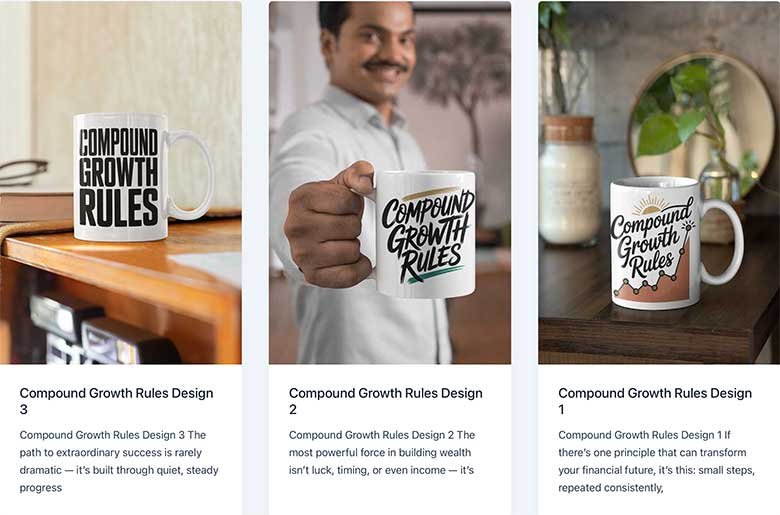
Productivity Reminders at Premier Print Works
Keep the reminder that how you spend your hours is how you spend your life visible where your daily work happens. Visit Premier Print Works for prints, mugs, and art for the person making every day count.
Visit Premier Print WorksDisclaimer
The content on A Self Help Hub is for informational and inspirational purposes only. The tips and personal stories in this article offer general support for everyday productivity habits and personal development. They are not professional mental health advice, medical advice, or any form of clinical treatment.
If you are dealing with significant burnout, ADHD, depression, or other conditions affecting your focus and daily functioning, please speak with a qualified mental health or medical professional. General self-help content is not a substitute for professional care.
The stories and composite characters in this article, including Kezia and Daniel, are illustrative. They are based on common experiences and created to make the content relatable. They are not real people. Any resemblance to a specific person is coincidental.
Some links on this site, including links to Premier Print Works, may be affiliate links. A Self Help Hub may earn a small commission at no extra cost to you. We only recommend things we genuinely believe in.
If you are in a mental health crisis or thinking about self-harm, please do not rely on this content for support. Contact emergency services or a crisis helpline right away. You deserve real help and it is available to you now.
All content on A Self Help Hub is copyrighted. You may not copy or republish it without written permission. By reading this article you agree to this disclaimer.