How to Make a Savings Bingo Card
B-7. A voice calls out a number, and across the room, someone grins and dabs a bright circle on a paper card. One more square, and the whole row will light up. Games like this pull people in because every small mark feels like a tiny win.
A savings bingo card takes that same feeling and points it at your money. Each square holds a small amount or a simple money action. When you put that money aside, you color in the square. Rows fill up, the card fills up, and your savings quietly grow along with it.
This guide walks through how to make a card of your own, from picking a size to choosing amounts, setting a few house rules, and keeping the fun going. Everything here is general information to think about. None of it is advice, and you get to shape the card to fit your life. Take it one square at a time.

Plan Your Bingo Card Goal in a Few Minutes
Download the free Money Reset Workbook and get simple pages to choose a savings goal and see how each small square adds up.
Get the Free WorkbookPick a goal for your card before you draw it
A card works best when it has a reason behind it. Some people make one for a holiday fund. Others make one for a small cushion of cash, a trip, or a new pair of work shoes. Writing the goal at the top of the card gives every square a purpose.
Your goal can be any size. A short card might aim for a small amount over a few weeks. A larger card might run for several months. For related reading, see saving your first $100 with a simple challenge.
If you are not sure what to save for yet, the goal can simply be to practice. Building the habit counts as a real goal too.
Write one short goal for your bingo card on a sticky note.
Choose a grid size that fits your budget
The classic bingo card has five rows and five columns. That makes 25 squares, with a free space in the middle. A five by five card can feel big, so some people start with a smaller grid of three by three or four by four.
A smaller grid fills up faster, and that quick finish can feel great. A larger grid takes longer, but it can hold more money and more variety. There is no wrong choice here. You can always make a bigger card once the first one is done.
Think about how often you plan to color in a square. If you add money once a week, a nine square card lasts about two months. A card with 24 squares to fill would last about six months at the same pace.
Decide on a grid size and sketch the empty boxes on paper.
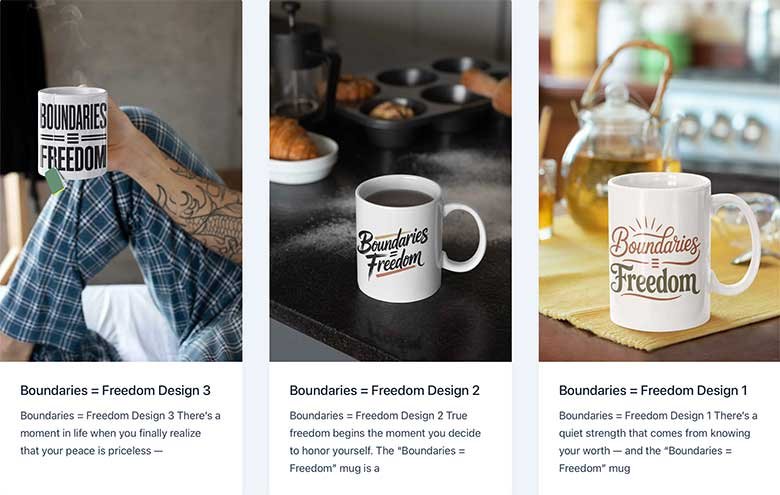
Keep a Cheerful Reminder Near Your Card
Premier Print Works creates quality prints, mugs, and shirts for people who like to make saving fun. Find a small reminder to color in one more square.
Visit Premier Print WorksFill the squares with amounts you can actually reach
Here is an example with made-up numbers. Picture a five by five card with the free space in the middle, which leaves 24 squares. Six squares say $1, six say $2, six say $5, and six say $10. Six times $1 is $6. Six times $2 is $12. Six times $5 is $30. Six times $10 is $60. Added together, the full card holds $108.
Your own amounts can be smaller or larger. Many people find it helps to mix tiny squares with bigger ones. On a tight week, a $1 square still lets you play. On a good week, you might grab a bigger one.
You may also like saving a few dollars at a time. Small numbers on a card still add up, one dab at a time.
Write an amount in every square, then add them up to see your card total.
“Every square you color in is a small promise you kept to yourself.”
Add a few no-cost action squares
Not every square needs a dollar amount. Some people mix in squares that ask for a simple action. One square might say pack lunch three days. Another might say skip one delivery order, or cook from the pantry for a night.
Action squares can be a nice way to find the money for the dollar squares. If you pack lunch and spend less, that money can move into savings. You color in the action square, and the savings follow.
Other ideas include selling one thing you no longer use, returning an item you did not need, or checking a bill for a lower rate. Keep each action small enough to finish in a day or two.
Swap three or four dollar squares for simple money actions.

Track Every Square You Fill
The free Money Reset Workbook gives you a clear page to write down your goal, your amounts, and the total you have saved so far.
Get the Free WorkbookMix the squares so the card stays interesting
If all the big amounts sit in one row, that row can feel too hard to finish. Spreading the small and large amounts across the card keeps every row within reach. Each line ends up with a mix of easy and stretch squares.
One fun way to mix them is to write each amount on a small slip of paper. Fold the slips, shuffle them in a cup, and draw them out one by one. Write each one in the next empty square as you go.
A random layout also makes the card feel more like a real game. You never quite know which square you will reach for next.
Shuffle your amounts and place them across the grid.
Set simple house rules for how you play
Rules keep the game fair and clear. One rule might be that you only color a square after the money is moved into savings. Another might be that you can pick any square you like, in any order. Some people choose one square per week, while others go as fast as they can.
You might also set a small reward for each row you finish. The reward can be free or very low cost, like a movie night at home or a walk in a favorite park. Keep the reward from costing more than the row saved.
Write your rules on the back of the card. Seeing them in your own words makes them easier to keep. Another place to look is starting a 30-day savings challenge.
Write three house rules on the back of your card.
Decide where the bingo money will live
The money from each square needs a home. Some people use a separate savings account. Others use a labeled envelope or jar at home, then move the cash to the bank once the card is full.
Keeping the money apart from everyday spending can make it easier to leave alone. If it sits in your main checking account, it may slip away without you noticing. A separate spot makes each win easy to see.
Account fees and terms vary, so it can help to read the details on any account you use. A simple, low-fee spot is often enough for a small savings game.
Pick one place to hold your bingo savings and label it.
Make the card easy to see and fun to mark
A card hidden in a drawer is easy to forget. Many people tape theirs to the fridge, a mirror, or the inside of a closet door. Every time you walk past, you get a small reminder of your goal.
Marking the squares can be part of the fun. You might use a bright marker, a sticker, or a stamp. Kids often love to help with this step if the whole family is playing.
If you prefer a screen, you can draw the grid in a simple spreadsheet and fill each square with color. Use whatever you are most likely to look at every day.
Hang your card where you will see it at least once a day.
Keep going when a week gets tight
Some weeks, there will be no extra money at all. That is part of real life, and it does not mean the game is over. You can simply skip that week and pick up again when things ease.
This is where the small squares and action squares shine. A $1 square or a pack-lunch square can keep the streak alive on a lean week. Even one small mark keeps the habit warm.
If the card feels too big, you can also shrink it. Cross out a few of the larger squares or turn them into action squares. Changing the card is fine. The goal is to keep playing.
Circle two easy squares to save for a tough week.
Celebrate the full card and plan the next one
When the last square is colored in, take a moment to notice what you did. Count the total. Look at how many weeks it took. A full card is real proof that small steps can add up.
Many people make a new card right away. You might raise the amounts a little, try a new goal, or add new action squares. For related reading, see a 52-week savings challenge you can customize.
Keeping your old cards in a folder can also be a nice touch. Over time, the stack becomes a simple record of every goal you reached.
Write your card total on the back and label it Card One.
Explore Our Top Picks for a Better Life
We have gathered the tools, resources, and products we think are genuinely worth your time, covering mindset, self-care, health, and home. All in one place, hand-picked to support a playful, steady savings habit.
See Our Top PicksReal Stories, Real Results
Let me share two examples I like to use. Amara wanted to save for a family beach day but kept spending the extra cash on snacks and small treats. She made a three by three bingo card with amounts from one to ten dollars and taped it next to the coffee maker. She told me that coloring each square felt like a little game, and the card was full before she knew it.
Joel felt that saving was dull and always gave up after a week or two. He made a big five by five card with a mix of dollar squares and action squares, like cooking at home on a Friday. He said that the action squares made him notice where his money went, and the dollar squares followed. Both of them said the same thing: turning saving into a game made it easier to keep showing up.
A Simple Grid Can Turn Saving Into Something You Look Forward To
Picture walking past your fridge and seeing a card that is almost full. Only two squares are left. You know that the money behind every colored box is sitting safely in its own spot, waiting for your goal.
Grab a sheet of paper and draw your first grid. Download the free Money Reset Workbook to plan your goal and amounts. One square is all it takes to start the game.
Want Ready-Made Tools to Help You Put This Into Action?
Sometimes the fastest way forward is a tool that someone has already built. Browse our hand-picked resources and downloads, chosen to help you take the next step with less guesswork.
Browse Resources and Downloads
Ready to Color In Your First Square?
The free Money Reset Workbook helps you see your numbers clearly, so your bingo card has a goal and a plan behind it.
Download Free Now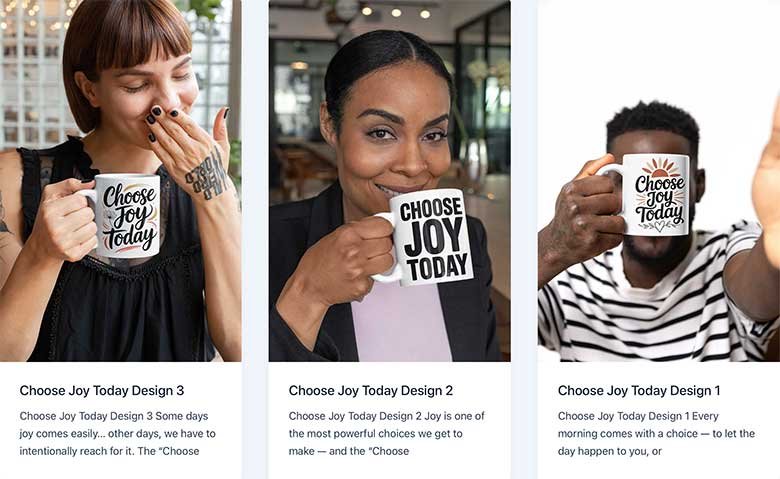
Brighten Your Space While Your Savings Grow
Premier Print Works makes quality prints, mugs, and shirts for playful savers. Browse the collection and find something that makes you smile.
Visit Premier Print WorksDisclaimer
The content on this page is for informational and inspirational purposes only. It is not professional financial, investment, tax, legal, insurance, or estate planning advice. The numbers in the bingo card example are made up to show how the math works, and your own amounts will depend on your income and expenses. Prices, fees, and account terms vary and change, so please read the details of any account you use to hold your savings. A savings game is one idea among many, and results vary widely from person to person.
I am not a financial advisor, and I am not a licensed tax, legal, or investment professional. I share this information to help people learn about money and see new options. Please treat it as general information only, and talk with a qualified professional about your own situation before making financial decisions.
The stories of Amara and Joel are illustrative composite characters created to bring the content to life. They are not real people. Any resemblance to a real person is purely coincidental.
Some links on this page, including links to Premier Print Works and other resources, are affiliate links. If you make a purchase through one of these links, we may earn a small commission at no extra cost to you. We do not own, produce, or control any affiliate products, and we are not responsible for them — we only own and sell the products offered through our own store, Premier Print Works.
All content on A Self Help Hub is the property of Digital Marketing 215 LLC and is protected by copyright law. No part of this page may be copied, reproduced, republished, distributed, or transmitted in any form without prior written permission from the author.