How to Decide Whether a Second Car Is Worth the Expense
Who gets the car today? In many one-car homes, that question comes up every morning. Schedules clash, someone waits for a ride, and a second car starts to sound like the answer. Before deciding, it helps to look at the full cost of a second car.
A second car can bring freedom and ease. It can also add a large, steady expense that is easy to underestimate. The cost of a second car goes well beyond the price or the monthly payment, and seeing the whole picture can make the choice much clearer.
This guide shares general ideas and questions to think about, and it is not advice or a recommendation to buy or skip a car. Every family’s needs, town, and budget are different. Take it one step at a time, and let the numbers and your life guide the choice.

See the Full Cost Before You Decide
Download the free Money Reset Workbook and get a simple page to compare a second car with other options.
Get the Free WorkbookWrite down why you want a second car
Start with the reasons. Maybe two people work in different places at the same hours. Maybe a teen needs rides to school and work. Maybe there is no transit nearby. Writing the reasons down can show how strong the need really is.
It can also help to note how often the conflict happens. Every day is very different from once or twice a month. A need that comes up rarely might have other, lower-cost solutions.
List the reasons your household wants a second car and how often each one comes up.
Add up every cost, not just the payment
The full cost includes more than the price or monthly payment. Insurance, registration, fuel, routine maintenance, repairs, tires, parking, and tolls all add up. Some of these come monthly, and some come once or twice a year.
Here is an example with made-up numbers. A $250 payment, $90 for insurance, $100 for gas, $60 set aside for upkeep, and $10 a month toward yearly registration. That totals $510 a month, or $6,120 over twelve months. Your own numbers could be higher or lower.
Make a list of every cost a second car would add and estimate a monthly total.
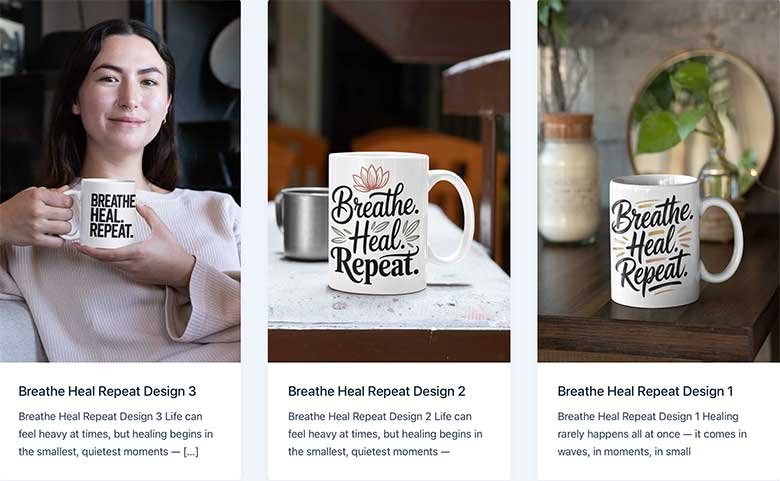
A Smile for the Morning Drive
Premier Print Works creates quality mugs, prints, and shirts for busy families on the move. Find one you love.
Visit Premier Print WorksUnderstand how a car loses value
Cars usually lose value over time, often called depreciation. A car bought today is likely worth less in a few years. This loss is easy to forget because it does not show up as a bill.
New cars often lose value faster in the first few years than older used cars. Thinking about how much value the car might lose can be part of the full cost picture. A used car may lose value more slowly, though repair costs can be higher.
Look up what a similar car sells for when it is a few years older.
“The right choice is the one that fits both your schedule and your budget.”
Get real quotes for insurance and upkeep
Insurance costs vary a lot based on the car, the driver, and where you live. Adding a second car or a teen driver can change your rates. Getting a quote before buying can prevent a surprise.
Maintenance costs also vary by car. Some models cost more to repair or need special parts. Setting aside money each month for upkeep can make repairs easier to handle. For related reading, see a car maintenance sinking fund.
Ask for an insurance quote on the type of car you are considering.

Compare Your Options in One Place
The free Money Reset Workbook gives you a clear page to add up car costs and see what fits your budget.
Get the Free WorkbookCompare the cost with other options
A second car is one way to solve a schedule problem, but not the only way. Transit, carpooling, biking, rideshare for occasional trips, and short-term rentals can all fill gaps.
Using the made-up example, say rideshare trips cost $120 a month and a bus pass costs $50. That is $170 a month, compared with $510 for a second car. The difference is $340 a month. The cheaper option may not fit every family, but comparing them side by side can help.
Estimate the monthly cost of one or two alternatives to a second car.
Look for ways to share one car more smoothly
Sometimes better planning makes one car work. A shared calendar, dropping one person at work, or shifting a schedule by half an hour can reduce conflicts.
Grouping errands into fewer trips can free up the car for others. Some families set one or two days a week when each person has the car. Another place to look is planning errands to reduce extra trips.
Try a shared calendar for the car for two weeks.
Try a test month before deciding
A test month can show whether a second car is truly needed. For one month, track every time the single car caused a problem and how it was solved. Note the cost of each solution, like a rideshare or a borrowed car.
At the end of the month, add it up. If the problems were rare and cheap to solve, a second car might not be worth the cost right now. If they were constant and costly, the second car might make more sense.
Track every car conflict and its cost for one month.
Think about fuel and how much it will be driven
A second car that sits most of the week still costs money in insurance, registration, and lost value. A car that is driven a lot will use more fuel and need more upkeep.
Estimating how many miles the second car would be driven each week can help you guess the fuel cost. Choosing a car that uses less fuel, or driving in ways that use less gas, can lower that cost. You may also like ideas for lower gas spending.
Estimate how many miles a second car would be driven each week.
See how the cost fits your full budget
Even a useful second car would share the budget with rent, food, bills, savings, and debt payments. Writing the monthly car cost into your budget can show whether it fits without crowding out other needs.
If the numbers are tight, waiting a few months and saving toward a lower-cost used car might be an option. Paying cash, when possible, avoids a monthly payment. For related reading, see budgeting for needs before wants.
Add the monthly cost of a second car into your budget and see what changes.
Keep safety in the picture
If you decide to buy, safety matters. Checking for recalls, having a trusted mechanic look at a used car, and choosing a car with good safety features can protect your family.
If a teen will drive the second car, safety and experience are extra important. Talking about rules for driving, like no phones and no extra passengers at first, can help keep them safe.
Write down three safety checks you would do before buying a car.
Explore Our Top Picks for a Better Life
We have gathered the tools, resources, and products we think are genuinely worth your time, covering mindset, self-care, health, and home. All in one place, hand-picked to support the goals you are working toward.
See Our Top PicksReal Stories, Real Results
Let me share two examples I like to use. Amara and her husband argued over the car almost every day. She added up the full cost of a second car and compared it with a bus pass and an occasional rideshare. They chose a shared calendar and a bus pass for three months. She told me that they saved a lot and the arguments mostly stopped.
Joel had a teen starting a job across town with no transit nearby. He ran the numbers, got insurance quotes, and chose a reliable used car he could pay for in cash. He also started a sinking fund for upkeep. Both of them said the same thing: seeing the full cost made the decision feel clear instead of rushed.
Picture a Car Decision You Feel Good About
Imagine knowing exactly what a second car would cost and how it fits your life. Whether you buy one or find another way, the choice feels right. Your mornings are smoother, and your budget stays steady.
You can start today by listing every cost a second car would add. The free Money Reset Workbook has space to compare options and plan your budget. A little math can lead to a confident decision.
Want Ready-Made Tools to Help You Put This Into Action?
Sometimes the fastest way forward is a tool that someone has already built. Browse our hand-picked resources and downloads, chosen to help you take the next step with less guesswork.
Browse Resources and Downloads
Ready to Make a Confident Car Decision?
The free Money Reset Workbook helps you see your numbers clearly, so big choices feel calmer.
Download Free Now
Take Some Encouragement on the Road
Premier Print Works makes quality mugs, prints, and shirts for people who plan ahead. Browse today.
Visit Premier Print WorksDisclaimer
The content on this page is for informational and inspirational purposes only. It is not professional financial, investment, tax, legal, insurance, automotive, or estate planning advice, and it is not a recommendation to buy or not buy a car. The numbers in the examples are made up to show how the math works, and your own costs will differ. Prices, insurance rates, fees, loan terms, and transit options vary and change, so please check the details. Please check for recalls, follow your vehicle maker’s instructions, and consult a qualified mechanic about used cars and safety. Results vary widely from person to person.
I am not a financial advisor, and I am not a licensed tax, legal, or investment professional. I share this information to help people learn about money and see new options. Please treat it as general information only, and talk with a qualified professional about your own situation before making financial decisions.
The stories of Amara and Joel are illustrative composite characters created to bring the content to life. They are not real people. Any resemblance to a real person is purely coincidental.
Some links on this page, including links to Premier Print Works and other resources, are affiliate links. If you make a purchase through one of these links, we may earn a small commission at no extra cost to you. We do not own, produce, or control any affiliate products, and we are not responsible for them — we only own and sell the products offered through our own store, Premier Print Works.
All content on A Self Help Hub is the property of Digital Marketing 215 LLC and is protected by copyright law. No part of this page may be copied, reproduced, republished, distributed, or transmitted in any form without prior written permission from the author.