How to Shop for Groceries Without a Car or With Little Storage
Four heavy bags rest against your knees on the bus. A carton of eggs sits on top, and you hold it steady at every stop. At home, the kitchen has two cabinets and a fridge the size of a suitcase. Grocery shopping without a car, or with very little space, takes a bit of extra thought.
Lots of people live this way by choice or by circumstance. City dwellers, students, older adults, and anyone between cars all find their own rhythm. This guide shares general ideas for grocery shopping without a car or with a small kitchen. It is not advice, and every household is different.
Below you will find ideas for carrying food, planning trips, choosing items that store well, and making the most of small spaces. Some will fit your life and some will not. Try one step at a time and see what feels easier.

Plan Groceries Around Your Space
Download the free Money Reset Workbook for a simple way to plan your food spending, trips, and lists around the space you have.
Get the Free WorkbookChoose a way to carry your food
The right bag can change the whole trip. A sturdy backpack keeps your hands free and spreads the weight across your back. Many people find it easier on the arms than plastic bags.
A folding rolling cart is another choice. It can carry more and rolls over sidewalks and onto buses. Some fold flat enough to fit in a closet when not in use.
Reusable bags with long straps can sit on the shoulder. A mix of one backpack and one bag works well for some shoppers.
Look at what you already own that could serve as a grocery carrier before buying anything new.
Plan smaller, more frequent trips
When you carry everything yourself, a giant weekly haul can be hard on the body. Many people find two or three smaller trips each week easier to manage.
Smaller trips can also mean fresher food and less waste. You buy what you plan to eat in the next few days. Nothing gets lost in the back of a tiny fridge.
The trade-off is time. Each trip takes effort, so linking a stop to something you already do, like the walk home from work, can help.
Try splitting next week’s shopping into two shorter trips and notice how it feels.
A Little Cheer for a Small Kitchen
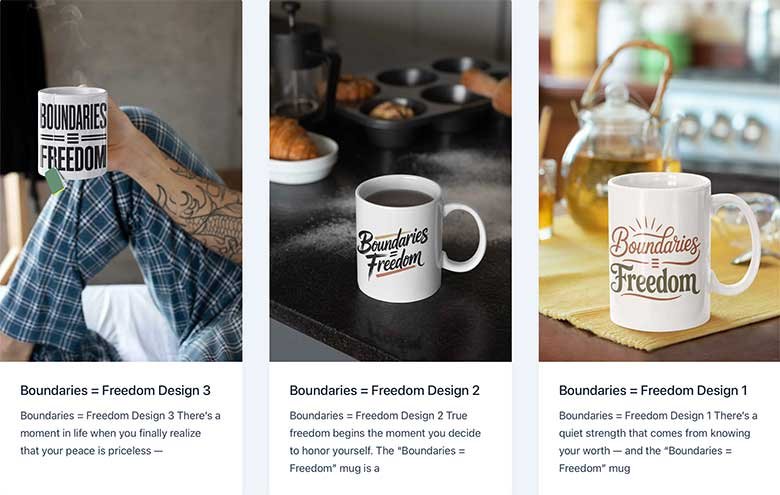
Premier Print Works makes quality prints, mugs, and shirts for people who make the most of small spaces. Find a reminder that small can be cozy.
Visit Premier Print WorksMake a list built around weight and space
A list helps on any trip, and it matters even more when you carry every item home. Think about weight as you plan. Milk, juice, canned goods, and potatoes are heavy. Bread, chips, and greens take up space but weigh little.
You might spread the heavy items across different trips. One trip could focus on drinks and cans. Another could focus on fresh produce and bread.
Writing your list in the order of the store aisles can also shorten the trip. Less wandering means less time holding a heavy basket. Another place to look is decluttering your kitchen to save on groceries.
Mark the heavy items on your next list and plan which trip each one goes on.
“A small kitchen and a long walk can still lead to full plates and a calm budget.”
Lean on foods that store well in small spaces
Some foods pack a lot of meals into a small space. Dry rice, oats, pasta, lentils, and dried beans are light to carry and keep for a long time in a sealed container.
Shelf stable items like peanut butter, canned fish, and canned tomatoes need no fridge space until opened. Hardy produce such as onions, carrots, cabbage, and apples often lasts longer than soft greens.
Spices and sauces add a lot of flavor for very little room. A few favorites can turn simple staples into many different meals.
Pick two or three shelf stable staples you enjoy and keep them on hand.

Map Out Your Shopping Trips
The free Money Reset Workbook gives you clear pages to list your staples, plan trips, and keep track of your grocery spending.
Get the Free WorkbookUse vertical space and odd corners
Small kitchens often have more room going up than going across. A tension rod, hooks under a shelf, or a simple stacking rack can add space. Before buying anything, it can help to see what you already have. You may also like making a home inventory before buying organizers.
Clear jars help you see what you have at a glance. Labels make it quick to grab the right one. The space above the fridge or the inside of a cabinet door can hold light items.
Some people keep pantry food in a closet, under the bed, or in a bin by the door. Any cool, dry spot can work.
Look up in your kitchen and find one unused spot that could hold food or tools.
Clear out before you fill up
In a small kitchen, every gadget and duplicate pan takes space from food. A quick sort can free up a whole shelf.
Many people find they own three of something and use only one. Letting go of extras can make room without buying storage bins. For related reading, see decluttering without buying more storage.
A cleaner space also makes it easier to see what you already own. That can stop repeat buys of things hiding in the back.
Pull out one cabinet, sort it, and set aside anything you have not used in a long while.
Organize a small freezer with care
Even a small freezer can hold a lot when it is packed well. Flat freezer bags stack like books and thaw faster. Labeling them with the contents helps you find things quickly.
A freezer works best at 0 degrees Fahrenheit, and a fridge at about 37 to 40 degrees. A cheap appliance thermometer can help you check.
Cooked leftovers can go into the fridge within about two hours, or one hour if it is above 90 degrees. Many people eat them within three to four days, or freeze them for later. Reheating leftovers to 165 degrees Fahrenheit is a common safety step.
Freeze one batch of soup or beans in flat bags and stack them upright.
Share bulk buys with a neighbor or friend
Large packs often cost less per item, but they are hard to carry and store. Splitting a bulk buy with someone nearby can solve both problems.
Two neighbors might share a big bag of rice, a flat of canned goods, or a large pack of toilet paper. Each person takes home only what fits.
A simple note of who paid what keeps things fair and friendly. Some groups take turns doing the buying.
Ask one neighbor or friend if they would like to split a bulk item you both use.
Weigh delivery and pickup options
Many stores offer delivery or order pickup. Delivery saves the trip and the carrying. Pickup can save time if you can get to the store another way.
These services often come with fees, tips, or higher item prices, and they vary a lot. Some people use delivery only for heavy items like drinks and cleaning supplies. Then they walk or ride for fresh food.
It can help to compare the total cost of one delivery order with the same items bought in person. Then you can decide what the convenience is worth to you.
Compare one delivery order total with the same list bought in the store.
Ride along or share a trip
A friend or family member with a car might be glad to share a monthly trip. You could chip in for gas or offer help in return, like cooking a meal or watching a pet.
Some community groups and senior centers run shopping shuttles. Local bus routes sometimes stop near larger stores too.
Using a shared trip for heavy or bulky items can take the pressure off your regular walks. For related reading, see not replacing what you already own.
Ask around about one shared ride or shuttle option near you.
Explore Our Top Picks for a Better Life
We have gathered the tools, resources, and products we think are worth your time, covering mindset, self-care, health, and home. All in one place, picked to support simple living in any size of home.
See Our Top PicksReal Stories, Real Results
Let me share two examples I like to use. Amara lived in a studio with a tiny fridge and took the train to the store. She used to buy too much, then watched half of it go bad. She switched to a backpack and two short trips a week, and she kept a small list taped to her door. She told me that her food lasted longer and her back stopped aching after shopping.
Joel sold his car and worried about getting groceries. He teamed up with a neighbor to split rice, beans, and paper goods once a month. He stacked his pantry items in clear jars on a narrow shelf by the window. Both of them said the same thing: planning around their space made shopping feel lighter in every sense.
Shopping That Fits Your Space and Your Steps
Picture coming home with one comfortable bag and putting each item right where it belongs. The fridge has room to breathe, the pantry is easy to see, and nothing is going to waste.
A good place to begin is a short list and one cleared shelf. The free Money Reset Workbook offers simple pages to plan your food spending around your own space. Small steps can make each trip feel easier.
Want Ready-Made Tools to Help You Put This Into Action?
Sometimes the fastest way forward is a tool that someone has already built. Browse our hand-picked resources and downloads, chosen to help you take the next step with less guesswork.
Browse Resources and Downloads
Ready for Lighter Bags and a Calmer Budget?
The free Money Reset Workbook helps you see your numbers clearly, so every grocery trip fits your space and your plan.
Download Free Now
Make Your Small Space Feel Like Home
Premier Print Works creates quality prints, mugs, and shirts for city dwellers, walkers, and home cooks. Browse the collection and find what speaks to you.
Visit Premier Print WorksDisclaimer
The content on this page is for informational and inspirational purposes only. It is not professional financial, investment, tax, legal, insurance, or estate planning advice. Prices, fees, and account terms vary and change, including delivery fees, tips, and store prices. Please follow safe food handling practices, keep cold foods cold, and check product labels for storage instructions. Nutrition needs and allergies differ for each person, so please talk with a doctor or registered dietitian about any health or diet questions. Please use carts and carriers safely and avoid lifting more than feels comfortable. Results vary widely from person to person.
I am not a financial advisor, and I am not a licensed tax, legal, or investment professional. I share this information to help people learn about money and see new options. Please treat it as general information only, and talk with a qualified professional about your own situation before making financial decisions.
The stories of Amara and Joel are illustrative composite characters created to bring the content to life. They are not real people. Any resemblance to a real person is purely coincidental.
Some links on this page, including links to Premier Print Works and other resources, are affiliate links. If you make a purchase through one of these links, we may earn a small commission at no extra cost to you. We do not own, produce, or control any affiliate products, and we are not responsible for them — we only own and sell the products offered through our own store, Premier Print Works.
All content on A Self Help Hub is the property of Digital Marketing 215 LLC and is protected by copyright law. No part of this page may be copied, reproduced, republished, distributed, or transmitted in any form without prior written permission from the author.