Easy No-Cook Meals for a No-Spend Challenge
It is six in the evening, the kitchen feels warm, and nobody wants to turn on the stove. The pantry has a few cans, the fridge has some odds and ends, and takeout is calling your name. During a no-spend challenge, that moment can feel like a test.
Easy no-cook meals can help you pass it without stress. With a can opener, a cutting board, and a little mixing, many pantry and fridge staples can turn into a real dinner. These meals can save energy, time, and the temptation to order out. They also tend to use up food you already bought.
This guide shares simple meal ideas, ways to build them from what you have, and a few food safety basics to keep in mind. These are general ideas to think about, and they are not advice or a meal plan. Check your own needs, allergies, and tastes, and try one idea at a time.

Plan Simple Meals Without Spending More
Download the free Money Reset Workbook and get simple pages to plan no-cook meals from what you already have.
Get the Free WorkbookStart with what is already in your kitchen
A no-spend challenge works best when meals come from food you already own. Before you plan anything, you might take a quick look through the pantry, fridge, and freezer. Write down what you see, even small things like half a jar of salsa or a few crackers.
Group the items into simple groups. Proteins, grains and breads, fruits and vegetables, and extras like sauces or spreads. This short list becomes your menu of building blocks.
Many people are surprised by how many meals are hiding in plain sight. For related reading, see building a grocery list from what you already have.
Write a quick list of the food in your kitchen, sorted into proteins, grains, produce, and extras.
Know a few ready-to-eat proteins
Protein helps a no-cook meal feel filling. Many common foods are ready to eat without any heat. Canned beans are already cooked, so a quick rinse is often all they need. Canned tuna, salmon, and chicken are also ready to eat straight from the can.
Other options include peanut butter or other nut butters, yogurt, cheese, and hard-boiled eggs you made earlier in the week. If you avoid certain foods, there are often good swaps. Seeds, hummus, and bean spreads can stand in for nut butter, for example.
Keeping one or two of these on hand makes almost any plate feel more like a meal.
Pick two ready-to-eat proteins from your kitchen to build meals around this week.

Keep a Cheerful Reminder in Your Kitchen
Premier Print Works creates quality prints, mugs, and shirts for people who love simple, thrifty meals. Find a small reminder for your kitchen.
Visit Premier Print WorksBuild a simple bean salad bowl
A bean salad is one of the easiest no-cook meals there is. Rinse a can of beans, then add chopped vegetables like cucumber, tomato, onion, or bell pepper. Frozen corn that has thawed in the fridge can work too. Toss it with a little oil, vinegar or lemon juice, salt, and pepper.
You can change the flavor easily. Salsa makes it taste like a taco bowl. Dried herbs and a bit of cheese give it a different feel. A spoonful of mustard can make a simple dressing.
A big bowl can often cover more than one meal. Store the leftovers in the fridge and eat them within three to four days.
Mix one can of rinsed beans with whatever chopped vegetables you have and a simple dressing.
“Some of the best meals start with a can opener and a little imagination.”
Make wraps and sandwiches from pantry basics
Tortillas, bread, and crackers are great bases for quick meals. A wrap with hummus, shredded carrot, and spinach takes just a few minutes. A tuna or chickpea salad sandwich can be made by mashing the main ingredient with a little mayo or yogurt and mustard.
If your bread is getting old, wraps and open-face toasts can help use it up. You can also freeze extra bread to keep it fresh longer. Then it is ready when you want it.
Try making a wrap bar for the family. Set out a few fillings and let everyone build their own. You may also like cheap lunch ideas to prep ahead.
Make one wrap or sandwich tonight with a spread, a protein, and one vegetable.

Track Your Meals and No-Spend Days Together
The free Money Reset Workbook gives you a clear page to plan meals and mark each day you stayed on track.
Get the Free WorkbookPut together a snack plate dinner
A snack plate can be a fun and easy meal. Some people call it a picnic plate. Pick a few small items from each group. Crackers or bread, cheese or hummus, a fruit, some raw vegetables, and maybe a few nuts or seeds.
This is a good way to use up small amounts of food. The last few olives, half an apple, or a handful of pretzels can all find a place on the plate. It can feel special even when it is simple.
Kids often enjoy snack plates too. Letting them choose a few items can make dinner feel like a treat.
Build a snack plate tonight using at least one item from each food group.
Try overnight oats or yogurt bowls for breakfast
Breakfast can be no-cook too. Overnight oats are made by mixing rolled oats with milk or yogurt in a jar and letting them sit in the fridge overnight. In the morning, the oats are soft and ready to eat. You can add fruit, cinnamon, or a spoonful of nut butter.
Yogurt bowls are even faster. Spoon yogurt into a bowl and add fruit, a sprinkle of oats, or a few seeds. Frozen fruit that has thawed in the fridge works well here.
Both of these are easy to make ahead for busy mornings. Another place to look is a budget meal plan built on pantry staples.
Mix a jar of overnight oats tonight so breakfast is ready tomorrow.
Use leftovers in new no-cook ways
If you cooked rice, pasta, or chicken earlier in the week, you can often use it cold in a no-cook meal. Cold rice can go into a rice salad with vegetables and a simple dressing. Cooked pasta works well in a pasta salad. Leftover chicken can be chopped into a wrap or a salad.
Food safety matters here. Refrigerate leftovers within about two hours of cooking, or within one hour if it is above 90 degrees Fahrenheit. Eat refrigerated leftovers within three to four days. If you are unsure how old something is, it is safer to toss it.
Labeling containers with the day you made the food can make this much easier.
Label your leftover containers with the day they were made.
Keep cold food cold and produce clean
No-cook meals rely on safe storage. Your fridge works best at about 37 to 40 degrees Fahrenheit, and your freezer at 0 degrees. A simple fridge thermometer can show you if your settings are right.
Rinse fresh fruits and vegetables under running water before you eat or cut them, even if you plan to peel them. Keep raw meat away from ready-to-eat foods, and wash your hands and cutting boards well.
If you pack a no-cook lunch, an ice pack or an insulated bag can help keep it cold until you eat.
Check your fridge temperature and adjust it to 37 to 40 degrees Fahrenheit if needed.
Plan a few go-to meals for the week
Having a small list of go-to meals can take the stress out of evenings. You might pick three or four no-cook meals that you like and that use what you have. Write them on a sticky note on the fridge so you do not have to think when you are tired.
Here is an example. Monday could be bean salad bowls. Tuesday could be wraps. Wednesday could be a snack plate dinner. Thursday could be leftovers. This simple rhythm can make the week feel lighter.
If you run out of an ingredient, you can swap in something similar from your kitchen. See also preparing your pantry for a no-spend week.
Write three or four no-cook meals on a sticky note and put it on the fridge.
Explore Our Top Picks for a Better Life
We have gathered the tools, resources, and products we think are genuinely worth your time, covering mindset, self-care, health, and home. All in one place, hand-picked to support the goals you are working toward.
See Our Top PicksReal Stories, Real Results
Let me share two examples I like to use. Amara worked long days and often ordered takeout because she was too tired to cook. During her no-spend challenge, she made big bean salads on Sunday and built snack plates on busy nights. She told me that she was amazed how many meals were already sitting in her pantry.
Joel had a hot kitchen in the summer and hated using the stove. He started making wraps and overnight oats from the food he already had. He said that his grocery bill went down and he did not miss cooking on hot nights at all. Both of them said the same thing: no-cook meals made the challenge feel simple instead of hard.
Simple Meals Can Make Your Challenge Feel Easy
Imagine coming home on a busy night and having dinner ready in ten minutes. You open a can, chop a few vegetables, and sit down to eat. No takeout, no stress, and no extra spending. The pantry did the work for you.
Pick one no-cook meal from this guide and try it this week. Download the free Money Reset Workbook to plan your meals and track your no-spend days. A little planning can make every evening calmer.
Want Ready-Made Tools to Help You Put This Into Action?
Sometimes the fastest way forward is a tool that someone has already built. Browse our hand-picked resources and downloads, chosen to help you take the next step with less guesswork.
Browse Resources and Downloads
Ready to Make Dinner Without the Stove?
The free Money Reset Workbook helps you see your numbers clearly, so your pantry meals and your budget work together.
Download Free Now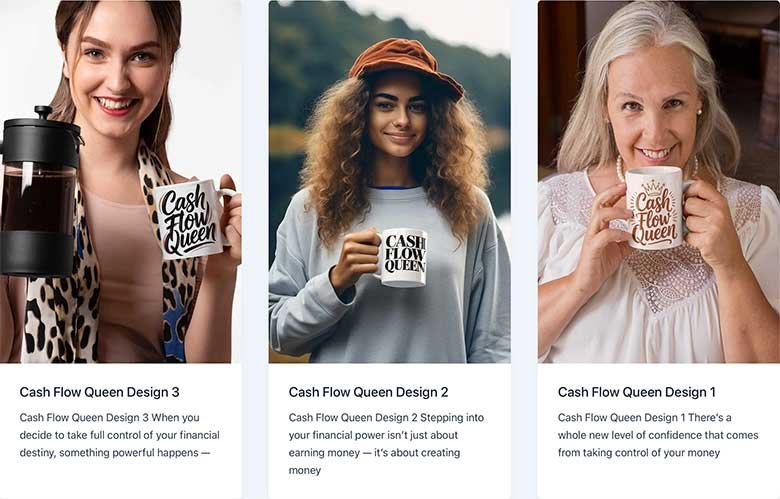
Fill Your Kitchen With Things You Love
Premier Print Works makes quality prints, mugs, and shirts for home cooks who keep it simple. Browse the collection and find what speaks to you today.
Visit Premier Print WorksDisclaimer
The content on this page is for informational and inspirational purposes only. It is not professional financial, investment, tax, legal, insurance, nutrition, or estate planning advice. Food needs, allergies, and health conditions vary, so please check labels and talk with a doctor or registered dietitian about what fits your diet. Follow food safety basics, including refrigerating leftovers within about two hours and eating them within three to four days. Prices, fees, and account terms vary and change. Results vary widely from person to person.
I am not a financial advisor, and I am not a licensed tax, legal, or investment professional. I share this information to help people learn about money and see new options. Please treat it as general information only, and talk with a qualified professional about your own situation before making financial decisions.
The stories of Amara and Joel are illustrative composite characters created to bring the content to life. They are not real people. Any resemblance to a real person is purely coincidental.
Some links on this page, including links to Premier Print Works and other resources, are affiliate links. If you make a purchase through one of these links, we may earn a small commission at no extra cost to you. We do not own, produce, or control any affiliate products, and we are not responsible for them — we only own and sell the products offered through our own store, Premier Print Works.
All content on A Self Help Hub is the property of Digital Marketing 215 LLC and is protected by copyright law. No part of this page may be copied, reproduced, republished, distributed, or transmitted in any form without prior written permission from the author.