The Not-Spent Tracker: Making Your Avoided Purchases Visible
Saying no to a purchase leaves no receipt. You skip the takeout, walk past the sale rack, or close the shopping tab, and nothing marks the moment. The money simply stays where it was, and by the next day, the win has faded from memory.
A not-spent tracker is a simple record of the things you chose not to buy, along with what they would have cost. It turns quiet, invisible choices into something you can see and count. Many people find that watching the list grow gives them a real sense of progress, especially during a no-spend challenge or a spending reset.
This guide covers how to set up a not-spent tracker, what to write in it, and a few gentle ways to use what you learn. It shares general ideas to think about, and it is not advice or a set of instructions. Choose the parts that feel useful, and go one step at a time.

Start Counting the Money You Did Not Spend
Download the free Money Reset Workbook and get simple pages to record skipped purchases, so your quiet wins become easy to see.
Get the Free WorkbookWhy avoided purchases are easy to forget
Spending is loud. A purchase brings a bag, a box at the door, or a line on your bank statement. Not spending is quiet. Nothing arrives, and nothing changes in a way you can see right away.
Because of this, many people underestimate how often they make good choices. They remember the slip and forget the ten times they walked away. Over time, this can make saving feel harder than it really is.
A tracker gives those quiet wins a place to land. It can be as simple as a line in a notebook.
Think back over the past week and write down one purchase you chose not to make.
Choose a format that feels easy
The best tracker is the one you will use. Some people like a small notebook in their bag. Others prefer a note on their phone, a simple spreadsheet, or a printed page on the fridge. For related reading, see budget printables.
A paper tracker can feel more satisfying, since you get to write each entry by hand. A phone note is handy because it is always with you. There is no wrong choice.
Keeping it simple matters more than making it pretty. A plain list you update every day beats a beautiful one you forget.
Pick one place for your tracker, and write today’s date range at the top, like week one.
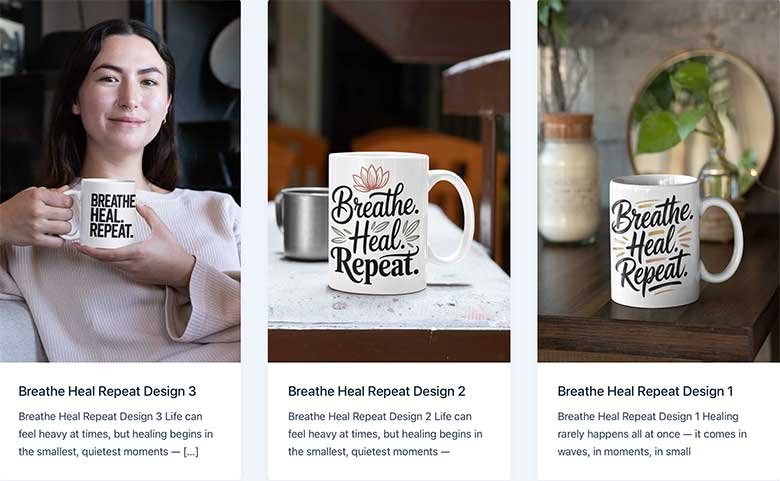
Keep a Reminder of Your Progress
Premier Print Works creates quality prints, mugs, and shirts for people building better habits. Find a small reminder that every choice counts.
Visit Premier Print WorksDecide what to write for each entry
A short entry is enough. Many people write three things. What the item was, about how much it would have cost, and why they skipped it. For example, takeout dinner, about $25, cooked pasta at home instead.
Some also add a word about how they felt. Tired, bored, stressed, or happy. Over time, these notes can show patterns, like urges that come at the end of a long day.
Try to keep the cost honest. A rough guess is fine. The goal is a fair picture, not a big number.
Write your first entry with the item, the rough cost, and one word about how you felt.
“The money you choose not to spend deserves to be counted too.”
What counts as not spent
It helps to decide what belongs on the list. Most people count purchases they wanted and then skipped. A coffee you made at home instead of buying, a shirt you left in an online cart, or a snack you passed at checkout.
Things you never wanted in the first place usually do not count. You might also leave off bills or needs that you simply delayed, since those will still need to be paid. Keeping these out makes the total more useful.
Swaps can count in part. If you skipped a $12 lunch out and spent $3 on groceries for lunch at home, you might write $9 as not spent.
Write one short rule for yourself about what goes on your list and what stays off.

Keep Your Not-Spent List in One Place
The free Money Reset Workbook gives you a clear page to write each skipped purchase and add up your totals week by week.
Get the Free WorkbookWatch the total grow
Adding up your entries at the end of each week can be one of the most encouraging parts. Here is an example with made-up numbers. Skipping a $5 coffee four times is $20. Skipping a $25 takeout meal twice is $50. Leaving a $30 shirt in the cart adds $30. That week’s total would be $100.
Seeing a number like that can feel surprising. It shows how small choices add up. Some people draw a simple bar or fill in a thermometer picture to make the total even more visible.
If the total seems small, that is okay. Every entry is a choice that you made on purpose.
At the end of the week, add up your entries and write the total in large numbers.
Give the not-spent money a job
Money you did not spend usually just stays in your account. That is still a win, but it can be easy for it to quietly get used up later. Some people choose to move part or all of the total into savings, so the progress feels real. You may also like saving your first $100 with a simple challenge.
Others use the total toward a goal, such as an emergency fund, a debt payment, or a trip. You might move the money once a week or once a month.
If money is tight, the money may already be needed for bills, and that is fine. The tracker still shows that your choices helped cover what matters.
Decide whether you would like to move any of your weekly total, and where it might go.
Look for patterns in your notes
After a few weeks, your tracker becomes a small map of your habits. You might notice that most urges happen on weekends, after work, or while scrolling at night. You may see that food, clothes, or home items show up again and again. Another place to look is habits for tracking spending.
These patterns can point to easy changes. If evening scrolling leads to urges, you might log out of shopping apps after dinner. If coffee shows up often, a travel mug by the door could help.
Patterns are information, never a reason for shame.
Read through your tracker and circle the type of purchase that shows up most often.
Notice what you already own
Many entries in a not-spent tracker happen because you found you already had something. A book at home instead of a new one. A scarf in the closet instead of a new one. Writing these down can make you more aware of what is already in your home. For related reading, see ways to stop replacing things you already own.
Some people add a small note like, used what I had. These can become some of the most satisfying entries on the list.
Over time, you may start to check your home first before shopping, almost without thinking.
Before your next planned purchase, look around your home for something that might work instead.
Keep it kind when you slip
A not-spent tracker works best as a record of wins, not a scorecard of failures. If you buy something you planned to skip, there is no need to write it in red or cross out your total. Many people simply keep going.
Some like to add a note on a slip day, just to learn from it. What happened? Were you tired or stressed? That is useful information, and it can stay calm and just for you in your own notebook.
A tracker full of wins can be a gentle reminder on hard days that you are making progress.
Write one kind sentence at the top of your tracker to read on days when you slip.
Decide how long to keep tracking
Some people use a not-spent tracker only during a challenge, like a no-spend week or month. Others keep it going as a regular habit. Both can work well.
You might try it for one month and then look back. How much did you not spend? Did the tracker change how you shop? If it felt helpful, you can keep it going. If it started to feel like a chore, you can pause and pick it up again later.
Even a short run can leave a lasting mark. Many people say they keep hearing the question in their head long after they stop writing it down.
Choose a length for your tracker, such as one month, and mark the end on your calendar.
Explore Our Top Picks for a Better Life
We have gathered the tools, resources, and products we think are genuinely worth your time, covering mindset, self-care, health, and home. All in one place, hand-picked to support the goals you are working toward.
See Our Top PicksReal Stories, Real Results
Let me share two examples I like to use. Amara felt like she was never making progress with money, because all she could remember were her slips. She started a not-spent tracker in a small notebook and added up her entries every Sunday. She told me that seeing a real number at the end of each week made her feel proud for the first time in a long while.
Joel used a phone note to track the takeout meals and gadgets he skipped. After a month, he noticed most of his urges came late at night while scrolling. Both of them said the same thing: making the skipped purchases visible made their good choices feel real.
Your Quiet Wins Can Add Up to Something You Can See
Picture flipping through a notebook full of small choices. A coffee made at home. A cart closed before checkout. A book borrowed instead of bought. At the bottom of each page is a total, and each one tells a story of progress.
Start your tracker today with one entry. Download the free Money Reset Workbook to keep your list and your totals in one place. Every skipped purchase is a small step forward.
Want Ready-Made Tools to Help You Put This Into Action?
Sometimes the fastest way forward is a tool that someone has already built. Browse our hand-picked resources and downloads, chosen to help you take the next step with less guesswork.
Browse Resources and Downloads
Ready to See Your Quiet Wins Add Up?
The free Money Reset Workbook helps you track your progress clearly, so every good choice gets counted.
Download Free Now
Celebrate Small Wins in Your Space
Premier Print Works makes quality prints, mugs, and shirts for people who notice their progress. Browse the collection and find what speaks to you today.
Visit Premier Print WorksDisclaimer
The content on this page is for informational and inspirational purposes only. It is not professional financial, investment, tax, legal, insurance, or estate planning advice. The numbers in the examples are made up to show how the totals work, and your own amounts will differ. Prices, fees, and account terms vary and change. Please keep paying for needs such as bills, health, and safety. Results vary widely from person to person.
I am not a financial advisor, and I am not a licensed tax, legal, or investment professional. I share this information to help people learn about money and see new options. Please treat it as general information only, and talk with a qualified professional about your own situation before making financial decisions.
The stories of Amara and Joel are illustrative composite characters created to bring the content to life. They are not real people. Any resemblance to a real person is purely coincidental.
Some links on this page, including links to Premier Print Works and other resources, are affiliate links. If you make a purchase through one of these links, we may earn a small commission at no extra cost to you. We do not own, produce, or control any affiliate products, and we are not responsible for them — we only own and sell the products offered through our own store, Premier Print Works.
All content on A Self Help Hub is the property of Digital Marketing 215 LLC and is protected by copyright law. No part of this page may be copied, reproduced, republished, distributed, or transmitted in any form without prior written permission from the author.