Three Days, One Week, or a Full Month? Choosing the Right Length for a No-Spend Challenge
Three days sounds easy. A month sounds brave. A week sits somewhere in the middle, and it is often hard to tell which one is a stretch and which one is too much. Many people start a challenge full of hope, choose a length on a whim, and only find out partway through that it did not fit their life.
Your no-spend challenge length can shape the whole experience. A short challenge is quick to finish and can build confidence. A longer one gives more time to notice habits and save more. Each choice has trade-offs, and the one that fits you depends on your calendar, your energy, and what you hope to get from it.
This guide compares three common lengths and shares questions to think through before you choose. It offers general ideas and information, and it is not advice or a set of rules. Read through the options, notice which one feels right, and go one step at a time.

Plan a No-Spend Challenge That Fits Your Life
Download the free Money Reset Workbook and get simple pages to choose your challenge length, set your rules, and track each day.
Get the Free WorkbookWhy the length of a challenge matters
The length of a no-spend challenge affects how it feels from day one. A short one can feel like a game. A long one can feel like a real change in how you live. Both can be useful, but they ask different things of you.
If a challenge feels too long, it can start to feel heavy. Many people give up when the end seems far away. If it feels too short, it may end before you notice any patterns or see much savings.
Choosing a length on purpose, and not just picking a number, can make it more likely that you finish and enjoy it.
Write one sentence about what you hope to get from a no-spend challenge.
Three days: a gentle first try
A three-day challenge is short enough to feel doable for almost anyone. It is a good fit if you have never tried a no-spend challenge, if your life is busy, or if longer challenges have felt hard in the past.
Three days gives you a small taste. You get to practice planning meals, finding free fun, and noticing urges. Many people pick a long weekend or a quiet stretch midweek. For related reading, see a no-spend weekend challenge.
The trade-off is that three days may not show many patterns. Some urges only appear on certain days or after payday. Still, finishing a short challenge can build the confidence to try something longer.
Look at the next two weeks and circle three days in a row that seem calm.

Keep a Reminder That Small Steps Count
Premier Print Works creates quality prints, mugs, and shirts for people trying new money habits. Find a small reminder to start where you are.
Visit Premier Print WorksOne week: enough time to see patterns
A one-week challenge covers every day of the week once. That means you will likely meet your weekday habits and your weekend habits. You might notice that Friday nights bring takeout urges or that Monday mornings bring coffee stops.
A week is long enough to feel like an accomplishment but short enough that the end is always in sight. Many people find it a good middle ground. It also gives you time to try a full round of meal planning and grocery shopping from one list.
The trade-off is that a week takes more planning. You may need to think about lunches, a social event, or a few small needs. A little preparation on the first day can help.
Choose one week that does not include a big event, and mark the start and end on your calendar.
“The best challenge length is the one you can finish with kindness.”
A full month: a deeper reset
A month-long no-spend challenge is the biggest of the three. It gives you time to change habits, not just pause them. Many people say the first week is the hardest, and that things start to feel more natural after that. Another place to look is planning a first no-spend month.
A month also covers a full cycle of bills, paydays, and errands. That can show you a clear picture of where your money goes. The savings can feel larger too, since many small choices add up over thirty days or so.
The trade-off is that a month asks for patience and flexibility. Birthdays, repairs, and surprises are more likely to come up. It can help to plan ahead for these and to set clear rules about what is still allowed.
If a month appeals to you, list any events or known costs that fall within it.

Map Out Your Challenge Days
The free Money Reset Workbook gives you a clear page to mark your start and end dates and record your progress along the way.
Get the Free WorkbookCompare the options with a made-up example
Seeing rough numbers side by side can help. Here is an example with made-up numbers. Say a person normally spends about $15 a day on extras like coffee, snacks, takeout, and small online buys.
Over three days, that would be $45 not spent. Over one week, it would be $105. Over a thirty-day month, it would be $450. Your own numbers will be different, and some days will cost more or less than others.
Bigger numbers can be motivating, but they are only one part of the picture. A short challenge you finish with a smile can be worth more than a long one that feels miserable.
Estimate your own daily extras and multiply by three, seven, and thirty to see your own range.
Check your calendar before you choose
Your calendar can make the choice much easier. Look for birthdays, holidays, trips, school events, or work dinners. These are the times when spending often goes up, and they can make a challenge harder. You may also like handling birthdays during a no-spend month.
If your next month is full of events, a shorter challenge might fit better right now. If you see a quiet stretch coming, it could be a great time to try something longer.
You can also plan around events. Some people allow one planned celebration and keep everything else on pause.
Look at your calendar for the next month and note any busy or costly days.
Think about your energy and stress
A no-spend challenge takes some mental energy. You will make more meals at home, plan more, and say no to urges. During a stressful season, like a new job, a move, or a hard time in your family, that energy may be low.
When stress is high, a shorter challenge or a very simple set of rules can feel kinder. When life feels steady, you may have more room for a longer one.
There is no shame in choosing the short option. Taking care of yourself is part of taking care of your money.
Rate your current stress level from one to five, and let that number guide your choice.
Include the people you live with
If you share a home with a partner, kids, or roommates, the length of the challenge affects them too. A three-day challenge may be easy for everyone to try. A full month may need more talks and buy-in. For related reading, see money-saving challenges to try.
You might ask others what feels doable for them. Some families start with a weekend and build up. Others choose a challenge that only covers one person’s spending.
When everyone agrees on the length and the rules, the challenge can feel more like a team effort.
Talk with the people you live with about which length feels fair and doable for the household.
Start short and stretch if it goes well
If you cannot decide, one option is to start with the shorter choice and add more time if it feels good. For example, you could plan three days and decide on day three whether to keep going to a full week.
This approach takes away the pressure of a big promise. Each small finish can feel like a win. Some people work their way up from three days to a week, and then to a month, over several tries.
You can also go the other way. If a longer challenge feels too hard, it is okay to shorten it and finish strong.
Pick your starting length, and write a note to check in with yourself at the end of it.
Plan for the day after
Whatever length you choose, the end of the challenge matters. Some people go on a spending spree right after, which can undo the progress. Planning a gentle return can help.
You might list a few things you want to buy and space them out, or set a small budget for the first week after. Looking back at what you learned can also guide what you keep doing.
A challenge of any length can leave you with new habits. The length is just the frame. What you notice inside it is what lasts.
Write down one habit from your challenge that you would like to keep afterward.
Explore Our Top Picks for a Better Life
We have gathered the tools, resources, and products we think are genuinely worth your time, covering mindset, self-care, health, and home. All in one place, hand-picked to support the goals you are working toward.
See Our Top PicksReal Stories, Real Results
Let me share two examples I like to use. Kezia had tried a no-spend month twice and quit both times in the second week. She decided to start with three days, then stretched it to a week when it felt easy. She told me that finishing something, even something short, changed how she felt about herself and her money.
Daniel looked at his calendar and saw a quiet month with no trips or big events. He chose a full month and planned simple meals ahead of time. Both of them said the same thing: picking a length that fit their real life made the challenge feel possible.
The Right Length Can Turn a Challenge Into a Win
Imagine reaching the last day of your challenge feeling proud, not drained. You chose a length that fit your life, planned for the hard parts, and saw it through. Now you know what you can do.
Look at your calendar, think about your energy, and pick a length today. Download the free Money Reset Workbook to plan your challenge and track your progress. A good fit makes every day easier.
Want Ready-Made Tools to Help You Put This Into Action?
Sometimes the fastest way forward is a tool that someone has already built. Browse our hand-picked resources and downloads, chosen to help you take the next step with less guesswork.
Browse Resources and Downloads
Ready to Choose Your Challenge Length?
The free Money Reset Workbook helps you plan a challenge that fits your calendar and your energy, so you can finish strong.
Download Free Now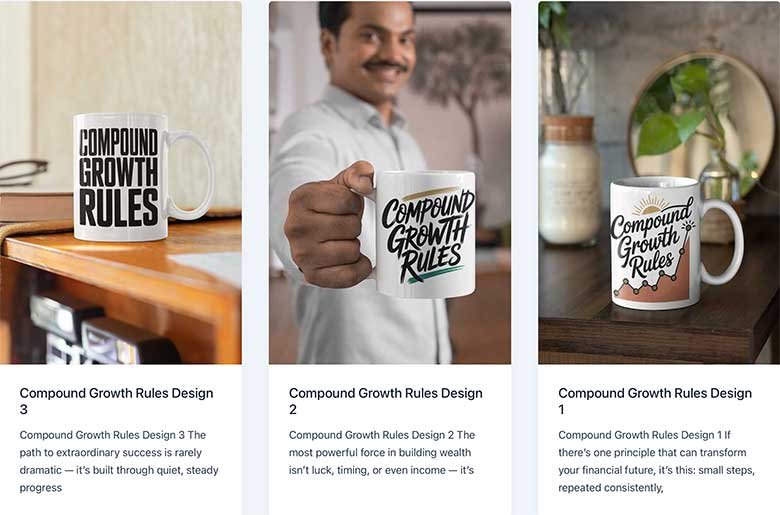
Bring Encouragement Into Your Space
Premier Print Works makes quality prints, mugs, and shirts for people who take one step at a time. Browse the collection and find what speaks to you today.
Visit Premier Print WorksDisclaimer
The content on this page is for informational and inspirational purposes only. It is not professional financial, investment, tax, legal, insurance, or estate planning advice. The numbers in the example are made up to show how the math works, and your own spending will differ. Prices, fees, and account terms vary and change. Please continue paying for needs such as bills, health, and safety during any challenge. Results vary widely from person to person.
I am not a financial advisor, and I am not a licensed tax, legal, or investment professional. I share this information to help people learn about money and see new options. Please treat it as general information only, and talk with a qualified professional about your own situation before making financial decisions.
The stories of Kezia and Daniel are illustrative composite characters created to bring the content to life. They are not real people. Any resemblance to a real person is purely coincidental.
Some links on this page, including links to Premier Print Works and other resources, are affiliate links. If you make a purchase through one of these links, we may earn a small commission at no extra cost to you. We do not own, produce, or control any affiliate products, and we are not responsible for them — we only own and sell the products offered through our own store, Premier Print Works.
All content on A Self Help Hub is the property of Digital Marketing 215 LLC and is protected by copyright law. No part of this page may be copied, reproduced, republished, distributed, or transmitted in any form without prior written permission from the author.