A Medical Sinking Fund: Planning for Copays, Deductibles, and Prescriptions
You walk out of the doctor’s office feeling relieved that the visit went well. A few weeks later, a bill shows up in the mail. Then the pharmacy charges more than you expected. Health costs have a way of arriving in pieces, long after the moment of care.
A medical sinking fund is money set aside a little at a time for out-of-pocket health costs. It can cover copays, prescriptions, dental cleanings, glasses, and part of a deductible. Having money already waiting can make it easier to get care when you need it, instead of putting it off because of cost.
This guide shares general information, and it is not medical, insurance, or financial advice. I wrote it with the United States in mind, where health plans and costs vary widely. Below are plain-language terms, simple math, and ideas for building a fund. Take it one step at a time, and please never skip care you need.

Plan Your Health Costs Ahead of Time
Download the free Money Reset Workbook and get simple pages to list expected care and find a monthly amount.
Get the Free WorkbookLearn a few common health cost words
Health bills come with their own language. A copay is a set amount you pay for a visit or a prescription, like $30 to see a doctor. A deductible is the amount many plans ask you to pay for certain care before the plan starts sharing the cost. Coinsurance is a percentage of the cost you pay after the deductible.
Many plans also have an out-of-pocket maximum. That is a cap on what you pay for covered care in a plan year. Plans vary a lot, so your own plan papers or your insurer can explain how yours works.
Knowing these words can make it easier to guess what you might pay.
Find your plan papers and write down your copay, deductible, and out-of-pocket maximum.
Look back at what you paid for care before
Past costs are often the best guide. Gather bills, pharmacy receipts, and statements from the past twelve months. Add up what you paid out of pocket for doctor visits, prescriptions, dental, vision, and any other care.
This total gives you a starting point. Some years may be higher or lower, but it shows a rough pattern. If you are new to a plan, your plan papers and a few phone calls can help you estimate. For related reading, see habits for long-term peace of mind.
Even a rough number is a helpful place to begin.
Add up your out-of-pocket health costs from the past twelve months.
A Kind Reminder to Care for Yourself
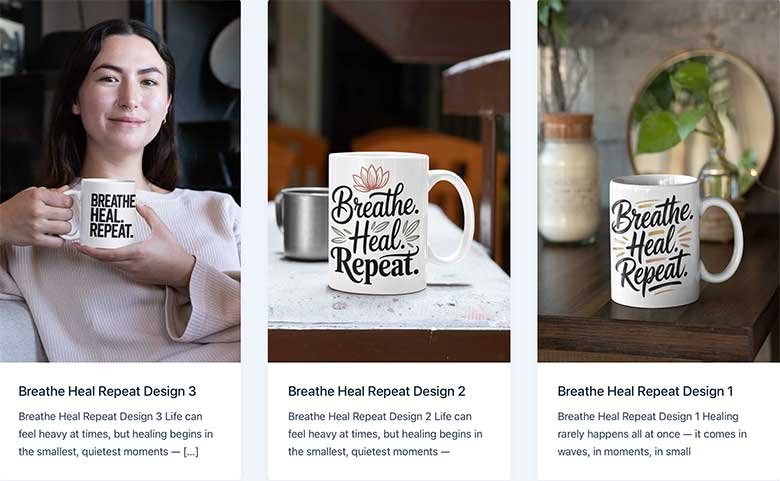
Premier Print Works creates quality prints, mugs, and shirts for people who look after their health. Find something that lifts your day.
Visit Premier Print WorksList the care you already expect
Some health costs are easy to see coming. Regular checkups, dental cleanings, eye exams, and ongoing prescriptions often follow a known schedule. Writing them down can make your fund more accurate.
Think about each person in your household. A child may need new glasses. Someone may have a monthly prescription. A planned procedure might be coming up. Each of these can be added to your list.
Expected costs form the base of your fund. Surprises can be covered by a cushion on top.
List the expected visits, prescriptions, and care for everyone in your home.
“Money set aside for care can make it a little easier to say yes to getting help.”
Do the monthly math with a simple example
Here is an example with made-up numbers. Four doctor visits at a $30 copay come to $120. A $15 prescription each month comes to $180 for twelve months. A dental cleaning costs $100 out of pocket. Glasses cost $150. A cushion toward the deductible adds $450. The total is $1,000.
Divide $1,000 by twelve months and you get about $83.33 a month. If you are paid twice a month, that is about $41.67 each payday. Your own numbers will be different, depending on your plan and needs.
If the total feels too high, starting with a smaller amount still helps.
Add up your expected costs and divide by twelve.

Track Your Medical Fund in One Place
The free Money Reset Workbook gives you a clear page to record deposits and the health costs you pay.
Get the Free WorkbookThink about how your deductible fits in
Deductibles can be large, and they often reset at the start of each plan year. Some people save toward the full deductible over time. Others save a part of it and add more as the fund grows.
Your plan papers can show which services count toward the deductible and which do not. Some plans cover certain preventive care before the deductible is met. Asking your insurer can clear up the details.
Knowing your deductible can help you pick a cushion amount that feels safe.
Check which of your regular services count toward your deductible.
Look for ways prescription costs might be lower
Prescription costs can vary by pharmacy, by plan, and by the form of the medicine. Some people ask their doctor or pharmacist whether a lower-cost option, like a generic version, could be right for them.
Some plans also offer lower prices through certain pharmacies or by mail. Your plan or pharmacist can explain what is available. Any change in medicine is a choice for you and your doctor to make together.
Asking a simple question can sometimes lower a monthly cost.
Write down one question about your prescription costs to ask your pharmacist.
Learn whether special health accounts are available to you
Some employers and some types of health plans offer special accounts for medical costs. These may have tax benefits, along with rules about who can use them, how much can be added, and what the money can be spent on.
These rules can be complex and they change. A workplace benefits office, your insurer, or a tax professional can explain whether an account is available to you and how it works. A regular savings account can also hold a medical fund.
Either way, the idea is the same, setting money aside before the bill arrives.
Ask your benefits office or insurer if any special health accounts are available to you.
Keep the fund easy to reach but separate
Health costs can come with little warning, so many people keep a medical fund where they can reach it quickly. A savings account or a labeled bucket at a bank is common. Cash at home is easy to reach but carries more risk.
Keeping the fund apart from everyday spending protects it. A clear name, like Health Costs, can remind you what it is for. You may also like saving ideas for a better financial plan.
Setting up an automatic transfer on payday can keep it growing.
Choose where your medical fund will live and set up a small regular deposit.
Ask about costs and payment options when a bill arrives
When a large bill comes, it can help to read it closely before paying. Checking that the dates, services, and amounts look right is a common first step. Billing mistakes do happen.
Many doctor’s offices and hospitals offer payment plans. Some have financial help programs for people who qualify. Asking about these options is normal, and your medical fund can cover the first payment while you sort out the rest. For related reading, see building a first emergency fund.
A calm phone call can sometimes make a big bill more manageable.
Next time you get a medical bill, compare it with your visit notes before paying.
Refill and review the fund each plan year
When you use the fund, that is a sign it is working. The regular deposits can keep refilling it. If a big cost used most of it, some people add a little extra for a few months to catch up.
When your plan changes, or at the start of each plan year, it can help to review your numbers. Copays, deductibles, and prescriptions may have changed. Updating the fund keeps it in step with real life. Another place to look is habits for more financial peace.
A fund that grows and adjusts with you can bring steady peace of mind.
Put a medical fund review on your calendar for when your plan renews.
Explore Our Top Picks for a Better Life
We have gathered the tools, resources, and products we think are genuinely worth your time, covering mindset, self-care, health, and home. All in one place, hand-picked to support the goals you are working toward.
See Our Top PicksReal Stories, Real Results
Let me share two examples I like to use. Kezia kept delaying dental cleanings because the cost always seemed to land at a bad time. She added up her family’s yearly health costs and started setting aside a small amount each payday. When the next cleaning came around, she booked it without worry. She told me that having the money ready took away a fear she had carried for years.
Daniel was surprised by his deductible after an urgent care visit. He learned what the terms on his plan meant and began saving a little toward the deductible every month. When another bill came, part of it was already covered. Both of them said the same thing: planning ahead made health costs feel less frightening.
Health Costs Can Feel Less Frightening With a Plan
Picture booking a checkup or picking up a prescription and knowing the money is already set aside. A bill arrives, and you pay it calmly. Your focus can stay on feeling well instead of on the cost.
Gather your recent health costs and start your fund with a small amount. Download the free Money Reset Workbook to plan your medical savings. Your health is worth preparing for.
Want Ready-Made Tools to Help You Put This Into Action?
Sometimes the fastest way forward is a tool that someone has already built. Browse our hand-picked resources and downloads, chosen to help you take the next step with less guesswork.
Browse Resources and Downloads
Ready to Feel Prepared for Health Bills?
The free Money Reset Workbook helps you plan for copays, prescriptions, and more.
Download Free Now
Bring a Little Comfort to Your Home
Premier Print Works makes quality prints, mugs, and shirts for people who plan ahead. Browse the collection today.
Visit Premier Print WorksDisclaimer
The content on this page is for informational and inspirational purposes only. It is not professional medical, financial, investment, tax, legal, insurance, or estate planning advice. This page was written with the United States in mind. The numbers in the example are made up to show how the math works. Health plans, prices, fees, tax rules for health accounts, and account terms vary and change, so please check with your insurer, benefits office, doctor, pharmacist, or a qualified tax professional. Please never skip or delay care you need because of cost, and talk with your doctor before changing any medicine. Results vary widely from person to person.
I am not a financial advisor, and I am not a licensed tax, legal, or investment professional. I share this information to help people learn about money and see new options. Please treat it as general information only, and talk with a qualified professional about your own situation before making financial decisions.
The stories of Kezia and Daniel are illustrative composite characters created to bring the content to life. They are not real people. Any resemblance to a real person is purely coincidental.
Some links on this page, including links to Premier Print Works and other resources, are affiliate links. If you make a purchase through one of these links, we may earn a small commission at no extra cost to you. We do not own, produce, or control any affiliate products, and we are not responsible for them — we only own and sell the products offered through our own store, Premier Print Works.
All content on A Self Help Hub is the property of Digital Marketing 215 LLC and is protected by copyright law. No part of this page may be copied, reproduced, republished, distributed, or transmitted in any form without prior written permission from the author.