Organizing Financial Documents for Emergencies: What to Keep and Where
The smoke alarm goes off at midnight, and you have ten minutes to leave. Or a parent lands in the hospital, and someone asks for their insurance card and a list of their bank accounts. Where would you even look?
Organizing financial documents is not the most exciting job in the world. It is one of the most useful things you can do before a crisis. When papers are scattered across drawers, emails, and old boxes, an emergency becomes even harder. When they live in a few known places, you can move faster and worry less.
This guide covers what many people choose to keep, where they keep it, and how to make copies. It shares general ideas only, and it is not advice or legal guidance. Parts of it are written with the United States in mind. Start with one small folder, and build from there over a few weekends.

Put Your Key Money Lists in One Place
Download the free Money Reset Workbook and get simple pages for your account list, bills, and contacts.
Get the Free WorkbookStart with the papers that prove who you are
Identity papers are the hardest to replace and the most often needed. These include birth certificates, Social Security cards, passports, driver’s licenses, and marriage or divorce papers.
Many people keep the originals in one safe place at home, and they do not carry their Social Security card in a wallet. Copies can go in an emergency folder.
If any of these are missing, ordering a replacement before an emergency can save a lot of stress later.
Find each family member’s identity papers and note any that are missing.
Gather insurance policies and cards
In an emergency, insurance details are often needed fast. That includes health insurance cards, and the policy numbers for auto, home or renters, life, and disability insurance. The phone number for filing a claim is just as important.
A simple one-page list with the company, the policy number, and the claims phone number can make a call much quicker.
Keeping the summary pages of each policy, often called the declarations page, can help you remember what is covered. For related reading, see habits for staying organized with money.
Make a one-page list of every insurance policy with its number and claims phone line.
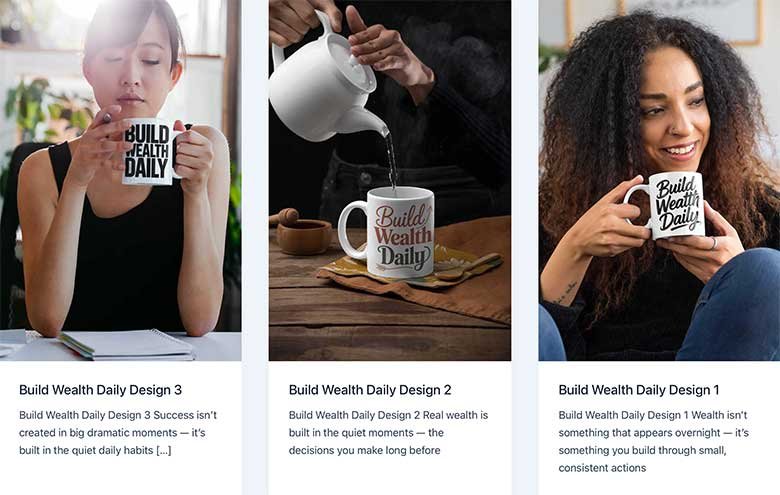
A Small Reminder to Stay Ready
Premier Print Works creates quality prints, mugs, and shirts for organized, caring people. Find a reminder you will love.
Visit Premier Print WorksMake a list of every account you have
Most people have more accounts than they remember. Checking, savings, credit cards, loans, retirement plans, and investment accounts can all be spread across different companies.
A master list with each company’s name, the type of account, the last four digits of the account number, and a phone number can be a lifesaver for you or a loved one. Leaving out full account numbers and passwords from this list keeps it safer.
Updating the list when you open or close an account keeps it useful.
Write a master list of your accounts with the company, type, and last four digits.
“An organized folder is a small gift to the future you who is having a very hard day.”
Include bills, debts, and due dates
If you are sick or away from home, bills still come due. A list of regular bills, with due dates and how each one is paid, helps you or someone you trust keep things running.
Noting which bills pay automatically and which need a manual payment can prevent missed payments.
This list can also help you see your monthly costs at a glance. You may also like making a monthly bills cheat sheet.
Write down each regular bill with its due date and how it gets paid.

Write Your Master Account List
The free Money Reset Workbook gives you a clear page to list accounts, bills, and due dates.
Get the Free WorkbookKeep property and legal papers together
Property and legal papers include deeds, car titles, leases, loan papers, wills, powers of attorney, and health care directives. A power of attorney is a legal paper that lets someone act for you if you cannot.
These papers may be needed if you sell something, file a claim, or face a health crisis. Keeping them together means you are not digging through boxes at a hard time.
If you do not have a will or other planning papers, an estate planning attorney or legal aid office can explain options.
Put your property and legal papers in one labeled folder.
Create a grab-and-go folder
A grab-and-go folder holds copies of your most important papers, ready to take if leaving home quickly becomes necessary. It might include copies of IDs, insurance cards, your account list, a list of medicines, and key phone numbers.
Some people add a small amount of cash and a list of emergency contacts. A waterproof pouch can protect the papers.
Keeping the folder near your emergency supplies or by the door makes it easy to grab.
Make copies of your key papers and put them in one waterproof folder.
Choose a safe home for the originals
Many people keep originals in a fire-resistant and water-resistant box at home. These boxes are often easy to buy and can protect against some damage. Ratings vary, so the label can tell you what it is built to withstand.
A safe deposit box at a bank is another choice. It can be very secure. It may only be open during bank hours, and the items inside are usually not covered by deposit insurance. Some people keep papers that may be needed quickly, such as a power of attorney, somewhere easier to reach.
Letting one trusted person know where your originals are kept can help in an emergency. Another place to look is making a home inventory.
Decide where your original papers will live and tell one trusted person.
Make secure digital copies
Digital copies can be a strong backup if paper is lost. You might scan or photograph key papers and store them in a password-protected, encrypted place. Encrypted means the files are scrambled so only someone with the right key can open them.
Storing a copy somewhere outside your home, such as a secure online account, can protect against fire or flood.
Because these files hold sensitive details, strong passwords and two-step login can help keep them safe.
Scan or photograph your key papers and save them in one secure, password-protected place.
Review the system once a year
Papers change. Policies renew, accounts close, and IDs expire. A yearly check keeps your system current. Some people pick a date they will remember, like the week after tax season.
During the review, you can update lists, replace expired copies, and shred papers you no longer need. Shredding helps protect against identity theft.
Each review gets faster. Once the system is set up, keeping it current can take less than an hour. See also strategies for keeping finances organized.
Pick a date for your yearly document review and put it on your calendar.
Explore Our Top Picks for a Better Life
We have gathered the tools, resources, and products we think are genuinely worth your time, covering mindset, self-care, health, and home. All in one place, hand-picked to support the goals you are working toward.
See Our Top PicksReal Stories, Real Results
Let me share two examples I like to use. Amara had to evacuate during a wildfire and left without any of her papers. Replacing them took months. She told me that she now keeps a grab-and-go folder by the door and digital copies saved securely online.
Joel ended up in the hospital, and his sister had no idea which bills were due or where his accounts were. When he got home, he made a master list and showed her where it was kept. Both of them said the same thing: an hour of organizing saved days of stress later.
You Can Find What You Need in Minutes
Imagine an emergency where you reach for one folder and have everything you need. No frantic searching, no lost cards, no guessing about accounts. You can focus on what matters most.
Start with one list from this guide this weekend. Download the free Money Reset Workbook to keep your account and bill lists in one place. A little organizing now can bring a lot of calm later.
Want Ready-Made Tools to Help You Put This Into Action?
Sometimes the fastest way forward is a tool that someone has already built. Browse our hand-picked resources and downloads, chosen to help you take the next step with less guesswork.
Browse Resources and Downloads
Ready to Get Your Papers in Order?
The free Money Reset Workbook helps you see your numbers clearly so emergencies feel less chaotic.
Download Free Now
Bring Some Order and Calm Home
Premier Print Works makes quality prints, mugs, and shirts for people who plan ahead. Browse the collection today.
Visit Premier Print WorksDisclaimer
The content on this page is for informational and inspirational purposes only. It is not professional financial, investment, tax, legal, insurance, or estate planning advice. Parts of this page are written with the United States in mind. Rules for wills, powers of attorney, and record keeping vary by state, so please talk with an estate planning attorney or a legal aid office about your own situation. Storage products, safe deposit box terms, prices, fees, and account terms vary and change. Results vary widely from person to person.
I am not a financial advisor, and I am not a licensed tax, legal, or investment professional. I share this information to help people learn about money and see new options. Please treat it as general information only, and talk with a qualified professional about your own situation before making financial decisions.
The stories of Amara and Joel are illustrative composite characters created to bring the content to life. They are not real people. Any resemblance to a real person is purely coincidental.
Some links on this page, including links to Premier Print Works and other resources, are affiliate links. If you make a purchase through one of these links, we may earn a small commission at no extra cost to you. We do not own, produce, or control any affiliate products, and we are not responsible for them — we only own and sell the products offered through our own store, Premier Print Works.
All content on A Self Help Hub is the property of Digital Marketing 215 LLC and is protected by copyright law. No part of this page may be copied, reproduced, republished, distributed, or transmitted in any form without prior written permission from the author.