Choosing How You Learn About Money: Reading, Listening, Watching, and Practicing
Some people learn best with a book open on their lap. Others take in new ideas while folding laundry with something playing in their ears. Still others need to see it done, or try it with their own hands, before it clicks.
There are many ways to learn about money, and no single one is right for everyone. Yet a lot of people give up on money learning because the first method they tried did not fit. A thick book felt like homework. A long video felt like a lecture. Choosing a way that matches how you like to learn can make the whole thing feel lighter and more natural.
This page shares general ideas to think about, and it is not advice or a set of instructions. We will look at four common ways to learn, reading, listening, watching, and practicing, along with tips for picking free and trustworthy sources. Go one step at a time. Learning about money can be something you enjoy.

Practice What You Learn With Your Own Numbers
Download the free Money Reset Workbook for simple pages that turn money lessons into real, hands-on practice.
Get the Free WorkbookThink about how you have learned other things well
A good place to start is your own past. Think about a skill you learned well, like a hobby, a job task, or a recipe. How did you learn it? Did you read about it, hear someone explain it, watch a demonstration, or just try it?
Most people use a mix. Still, many have a favorite way that feels easiest. Knowing yours can help you pick money learning that sticks.
There is no wrong answer. Each way of learning has its own strengths.
Write down one skill you learned well and how you learned it.
Reading lets you go at your own pace
Reading works well for people who like to slow down, reread, and take notes. You can pause on a hard idea and come back later. You can underline or copy down a useful line.
Free reading options include library books, short articles, and the help pages that banks and credit unions often provide. Short pieces can be a gentle start if long books feel like too much.
Some people like to read one short piece a week and write down one idea they want to try. For related reading, see thoughts on why money knowledge matters.
Pick one short money article or library book and read a few pages this week.
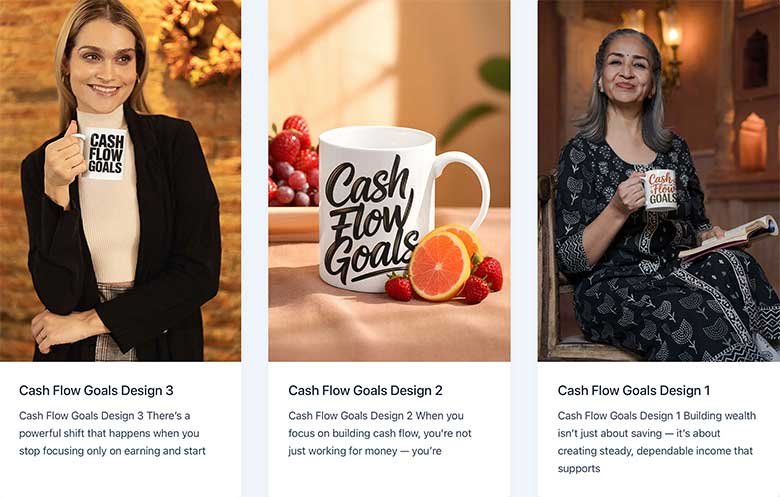
A Reminder to Keep Learning
Premier Print Works makes quality prints, mugs, and shirts for curious minds and lifelong learners.
Visit Premier Print WorksListening fits into busy days
Listening can be a great fit for people with full schedules. Audio shows, talks, and audiobooks can play during a commute, a walk, or while doing chores. Many libraries lend audiobooks for free.
Listening works best when you pause now and then to think about what you heard. A quick voice note to yourself or a few words in a phone note can help ideas stay.
If a speaker is pushing a product or a quick way to get rich, it may be worth moving on. Calm, plain talk is usually more helpful.
Find one free money audio show or library audiobook to try during a commute or chore.
“A way of learning that feels like yours is a way you will keep coming back to.”
Watching helps you see how it is done
Some money tasks are easier to understand when you can see them. Watching someone fill out a budget sheet, read a statement, or compare prices can make the steps clear.
Short videos can be helpful because you can rewatch the hard parts. Some community centers and libraries also offer free in-person classes where you can watch and ask questions.
Try to choose sources that explain without selling. A good teaching video leaves you clearer, not rushed into buying something.
Watch one short video that shows a basic money task you want to learn.

Turn Ideas Into Action
The free Money Reset Workbook gives you a calm place to try budget ideas and track what you learn.
Get the Free WorkbookPracticing makes ideas real
For many people, nothing sticks until they try it. Practicing means taking an idea and using it on your own money, in a small and safe way.
You might practice by tracking spending for a week, making a simple budget, or comparing unit prices at the store. Here is an example with made-up numbers. Tracking every purchase for seven days might show $42 on snacks and drinks, which is about $6 a day.
Practice turns reading, listening, or watching into real skill. You may also like ideas for building money confidence.
Choose one money idea you have heard about and practice it for one week.
Mix methods to help ideas stick
Many people learn best by combining ways. You might read about a budget method, watch a short video of someone using it, and then try it yourself.
Each step can fill a gap the others leave. Reading gives detail. Watching shows the steps. Practice makes it yours.
There is no need to use every method for every topic. Just notice when one way leaves you confused, and try another for that idea.
Pick one money topic and learn about it in two different ways this month.
Choose trustworthy, free sources
Money information is everywhere, and not all of it is helpful. Some sources aim to teach. Others aim to sell. A few signs of a helpful source: plain language, no pressure to buy, honest talk about risks, and no promises of quick or easy money.
Free places to start can include public libraries, nonprofit credit counselors, community classes, and official government websites. Your own bank or credit union may also have plain-language help pages.
If something sounds too good to be true, it may be worth a second look or a question to someone you trust.
Write down two free, trustworthy places you could go to learn about money.
Set a small, steady learning habit
Big bursts of learning can be exciting, then fade. A small habit may last longer. Ten minutes a week of reading, listening, watching, or practicing can add up to a lot over time.
You might link your learning to something you already do. Listen on Monday’s commute. Read on Sunday morning. Practice on payday.
Some people like to try a short learning challenge to get started. Another place to look is a thirty day skill challenge.
Choose a regular time each week for ten minutes of money learning, and set a reminder.
Keep notes on what you learn
Ideas can slip away fast. A simple notebook or phone note can hold the money lessons you want to keep. One or two lines per idea is plenty.
Over time, your notes become your own money guide, written in your words. Rereading them can be a quick refresher before a big decision.
You might also note which learning methods worked best for different topics. That can guide your next steps. For related reading, see ideas for learning about investing with no experience.
Start a money learning notebook and write down one idea you learned this week.
Explore Our Top Picks for a Better Life
We have gathered the tools, resources, and products we think are genuinely worth your time, covering mindset, self-care, health, and home. All in one place, hand-picked to support the goals you are working toward.
See Our Top PicksReal Stories, Real Results
Let me share two examples I like to use. Amara kept buying money books and never finishing them. She switched to listening to free library audiobooks while walking her dog and kept a short note in her phone after each walk. She told me that she learned more in two months of walks than in years of unfinished books.
Joel could not make sense of budgets from reading alone. He watched a short video of someone filling out a budget sheet, then tried it with his own numbers that same night. Both of them said the same thing: choosing a way of learning that fit them made money feel far less confusing.
Learning About Money in a Way That Feels Like You
Picture yourself enjoying money learning. Maybe it is a library book on a rainy afternoon, a calm talk on your commute, or a quick practice session at the kitchen table. Each little bit adds to what you know.
Pick one way to learn from this page and try it this week. Download the free Money Reset Workbook to practice what you learn with your own numbers.
Want Ready-Made Tools to Help You Put This Into Action?
Sometimes the fastest way forward is a tool that someone has already built. Browse our hand-picked resources and downloads, chosen to help you take the next step with less guesswork.
Browse Resources and Downloads
Ready to Learn Your Way?
The free Money Reset Workbook helps you practice money skills at your own pace.
Download Free Now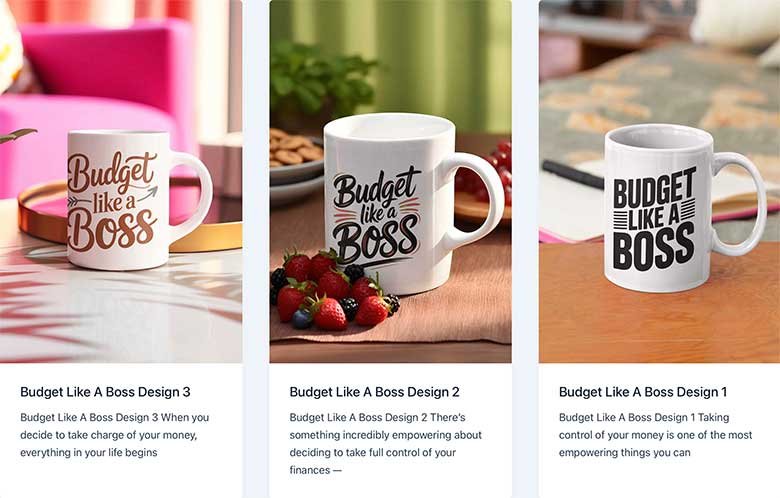
Gifts for Lifelong Learners
Premier Print Works offers prints, mugs, and shirts for people who love to grow. Browse the collection today.
Visit Premier Print WorksDisclaimer
The content on this page is for informational and inspirational purposes only. It is not professional financial, investment, tax, legal, insurance, or estate planning advice, and no specific book, show, video, or source is being recommended. Please check any money information with trusted sources. All investing involves risk, including the possible loss of principal. The numbers in the examples are made up. Prices, fees, and account terms vary and change, and results vary widely from person to person.
I am not a financial advisor, and I am not a licensed tax, legal, or investment professional. I share this information to help people learn about money and see new options. Please treat it as general information only, and talk with a qualified professional about your own situation before making financial decisions.
The stories of Amara and Joel are illustrative composite characters created to bring the content to life. They are not real people. Any resemblance to a real person is purely coincidental.
Some links on this page, including links to Premier Print Works and other resources, are affiliate links. If you make a purchase through one of these links, we may earn a small commission at no extra cost to you. We do not own, produce, or control any affiliate products, and we are not responsible for them — we only own and sell the products offered through our own store, Premier Print Works.
All content on A Self Help Hub is the property of Digital Marketing 215 LLC and is protected by copyright law. No part of this page may be copied, reproduced, republished, distributed, or transmitted in any form without prior written permission from the author.