Sentimental Spending: Understanding Why Memories Make Us Buy
What is it about an old song, the smell of cinnamon, or a cartoon from your childhood that makes your hand reach for your wallet? One moment you are walking past a shelf. The next moment you are holding a tin of cookies just like the ones your grandmother kept on her counter. It feels less like shopping and more like going home for a minute.
Many people call this pull sentimental spending. It means buying something mostly for the memory or feeling it carries, more than for the item itself. Sentimental spending can be sweet and full of meaning. It can also add up quietly, one keepsake and one treat at a time, until the budget feels tight and the shelves feel full.
This guide shares general ideas and information about why memories can make us want to buy, plus gentle ways to notice that pull. It is not advice or instructions, and every choice stays yours. Nobody here is asking you to give up the things you love. Read one section, try one small idea, and go one step at a time.

Make Room for the Memories That Matter
Download the free Money Reset Workbook and get simple pages to plan a small memory fund, so meaningful buys fit your budget.
Get the Free WorkbookNotice the memory behind the item
Sentimental buys often start with a quick spark of recognition. A coffee mug looks like the one your dad used every morning. A board game matches the one your family played on snow days. Before you even think about price, the item is already in your hand.
Many people find it useful to name the memory out loud or in their head. You might say, “This reminds me of Saturday mornings at my aunt’s house.” Putting the memory into words can give you a little space between the feeling and the checkout.
That space is all you are looking for. You can still buy the item. You simply get to decide with clear eyes.
Name the memory the next time an item makes you smile in a store.
Let the feeling be real, even when the purchase is optional
The warm feeling you get from a memory is real and worth respecting. Missing a person, a place, or an old season of life is part of being human. There is nothing silly about it.
At the same time, buying is only one way to honor a feeling. You might notice that the item feels like a bridge back to someone. Yet the bridge already lives in you, in your stories, and in the people who share those memories.
Holding both ideas at once can feel freeing. The feeling matters, and the purchase is a choice you get to weigh.
Write one sentence about a memory you treasure that never needed a purchase.

Keep a Warm Reminder Close
Premier Print Works creates quality prints, mugs, and shirts for people who treasure their memories. Find a small piece that feels like home.
Visit Premier Print WorksWatch for the moments that stir up old memories
Some days and places tend to bring memories close to the surface. Holidays, birthdays, a visit to your hometown, a reunion, or the back-to-school aisle can all carry extra feeling. Moving, cleaning out a closet, or hearing about an old friend can stir things up too.
On those days, many people find that shopping feels more tempting than usual. Knowing your own list of tender moments can help you plan ahead. You might choose to shop with a list, leave cards at home, or bring a friend along.
A little planning lets you enjoy the memory without being surprised by the bill later. For related reading, see ideas for slowing down impulse spending.
List three times of year or places that tend to stir up strong memories for you.
“A memory can be honored in many ways, and only some of them come with a price tag.”
Ask yourself what you are hoping to feel
Behind many sentimental buys is a wish to feel something again. Comfort, closeness, safety, or the lightness of being a kid can all hide inside a simple purchase. When you know the feeling, you can look at other ways to reach it.
A few questions you might try: “What feeling am I chasing right now?” “Who does this remind me of?” “Would a call, a photo, or a walk give me some of that same warmth?”
Sometimes the answer is that the item truly fits your life, and that is fine. Other times, you may notice the wish was for connection, and a phone call fills that space better than a bag.
Ask “What feeling am I hoping for?” before your next memory-driven purchase.

See Where Your Memory Buys Go
The free Money Reset Workbook gives you a clear page to track sentimental purchases, so you can spot the pattern with kindness.
Get the Free WorkbookTry a short pause before buying something that tugs at your heart
Feelings tied to memories can be strong in the moment and softer the next day. A short pause gives the feeling time to settle. Some people wait a day. Others wait until they have walked one lap around the store.
One simple idea is to take a photo of the item instead of buying it right away. Later, you can look at the photo and see if you still want it. Often, the photo itself holds the memory just fine.
Writing each purchase down can add another gentle pause. You may also like a thought on pausing before you buy.
Snap a photo of the next sentimental item you want and decide tomorrow.
Find free ways to visit a memory
Many memories can be visited without spending a dollar. You can look through old photos, play a song from a certain summer, or call a cousin and ask, “Do you remember the old tire swing?” Stories often feel more alive when they are shared.
Food memories can be honored at home too. Cooking a family recipe with what is already in your pantry can bring back the smell and taste of another time. Writing the recipe on a card and sharing it with family adds even more meaning.
A walk past an old school, a park, or a favorite library can also bring back sweet moments. When walking near streets, staying aware of traffic and your surroundings keeps it calm and safe.
Choose one free way to revisit a happy memory this week.
Keep the keepsakes you already own where you can see them
Many homes have a box of treasures tucked away in a closet. Old letters, a favorite toy, a pressed flower, a ticket stub. When those things stay hidden, it can be easy to buy new items that try to fill the same role.
Bringing a few keepsakes out into view can be a gentle change. A small shelf, a corner of a dresser, or a frame on the wall can hold them. Seeing them each day may quiet the urge to collect more.
Sorting through what you have can also show you which items matter most. For related reading, see some simple organizing habits.
Pick three keepsakes from storage and give them a spot where you will see them.
Look at the numbers with a made-up example
Here is an example with made-up numbers. Say someone buys a nostalgic snack, a vintage-style mug, or a small souvenir about three times a month. Each one costs around $12. That comes to $36 a month, and $432 over twelve months.
Now say that person decides to keep one sentimental buy a month and swap the other two for free memory moments. That is $12 a month, or $144 over twelve months. The difference is $288 kept in the budget, and they still get a special item each month.
Your numbers will look different. The point is simply to see the pattern, so your choices come from a clear picture and not from a passing feeling.
Add up what you spent on memory-driven items last month, using your own receipts.
Give sentimental spending a small, planned place
Some people find that a little room in the budget for meaningful buys works better than trying to cut them out. You might call it a memory fund. A set amount each month can go toward one special item, a family dinner, or a trip to visit an old friend.
When there is a plan, a sentimental purchase can feel joyful instead of guilty. And when the fund runs low, the choice is simple. You can wait for next month or find a free way to enjoy the memory.
Thinking about money in a gentle, roomy way can make choices like this feel lighter. Another place to look is the save money, live better mindset.
Choose a small monthly amount for meaningful buys and write it in your budget.
Be gentle with yourself about past purchases
Looking back, you may notice a pile of items bought on tender days. Maybe a closet full of baby clothes you never used, or a shelf of collectibles from a hard season. It is easy to feel a sting of regret.
Those purchases often came from love, longing, or a wish to hold on. That is a very human reason. You can keep what still means something, pass along what does not, and carry the lesson forward without blame.
Sometimes sentimental spending shows up during grief or a lonely stretch of life. If the feelings ever seem heavy, a doctor, counselor, or trusted person can help you talk them through.
Choose one past purchase to keep with love or pass on to someone who will enjoy it.
Explore Our Top Picks for a Better Life
We have gathered the tools, resources, and products we think are genuinely worth your time, covering mindset, self-care, health, and home. All in one place, hand-picked to support the goals you are working toward.
See Our Top PicksReal Stories, Real Results
Let me share two examples I like to use. Amara kept buying holiday ornaments that looked like the ones from her childhood home. Each one was small, yet the box in her closet kept growing. She started pausing to ask what memory each ornament held, and she began calling her sister to share the story instead. She told me that the phone calls felt warmer than any ornament, and now she picks just one special piece each winter.
Joel often bought the snacks and sodas he grew up with, three or four times a week. He wanted to keep the comfort, so he gave those treats a small, planned spot on his grocery list. He also started cooking his mother’s bean soup from pantry staples on Sundays. Both of them said the same thing: the memory mattered most, and they could keep it close without letting it run the budget.
Keeping Your Memories Close and Your Budget Calm
Picture yourself in a store, holding something that reminds you of a person you love. You smile, you name the memory, and you take a photo. Later that night, you call that person or look through old pictures. The warm feeling is still there, and the money stays where you planned it.
Start with one small step, like naming the memory or setting a tiny memory fund. Download the free Money Reset Workbook to give meaningful buys a clear spot in your plan. Your memories are already yours to keep.
Want Ready-Made Tools to Help You Put This Into Action?
Sometimes the fastest way forward is a tool that someone has already built. Browse our hand-picked resources and downloads, chosen to help you take the next step with less guesswork.
Browse Resources and Downloads
Ready to Honor Your Memories With a Plan?
The free Money Reset Workbook helps you see your numbers clearly, so the things you love have a calm place in your budget.
Download Free Now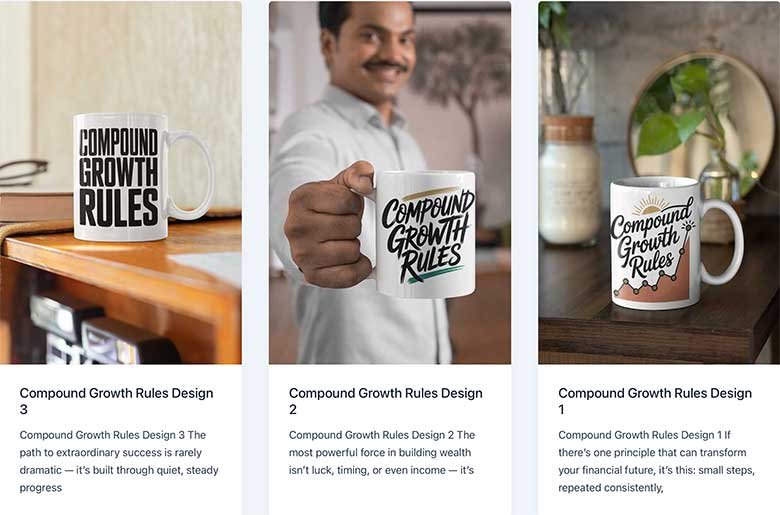
Bring a Little Nostalgia Into Your Space
Premier Print Works makes quality prints, mugs, and shirts for people who love a good memory. Browse the collection and find one that speaks to you.
Visit Premier Print WorksDisclaimer
The content on this page is for informational and inspirational purposes only. It is not professional financial, investment, tax, legal, insurance, or estate planning advice. Nothing here is counseling, medical, or mental health advice, and a doctor, counselor, or trusted person can help with heavy feelings, including grief. The numbers in the example are made up to show how the math works. When walking outdoors, please stay aware of traffic and your surroundings. Prices, fees, and account terms vary and change, and results vary widely from person to person.
I am not a financial advisor, and I am not a licensed tax, legal, or investment professional. I share this information to help people learn about money and see new options. Please treat it as general information only, and talk with a qualified professional about your own situation before making financial decisions.
The stories of Amara and Joel are illustrative composite characters created to bring the content to life. They are not real people. Any resemblance to a real person is purely coincidental.
Some links on this page, including links to Premier Print Works and other resources, are affiliate links. If you make a purchase through one of these links, we may earn a small commission at no extra cost to you. We do not own, produce, or control any affiliate products, and we are not responsible for them — we only own and sell the products offered through our own store, Premier Print Works.
All content on A Self Help Hub is the property of Digital Marketing 215 LLC and is protected by copyright law. No part of this page may be copied, reproduced, republished, distributed, or transmitted in any form without prior written permission from the author.