Putting Small Jobs in Writing: A Plain Look at What an Agreement Might Cover
Small jobs often start with a friendly chat. “Could you tidy up my newsletter?” “Sure, happy to help.” Then the newsletter turns into three newsletters, a flyer, and a website page, and nobody ever talked about the price.
A simple freelance agreement can prevent that kind of confusion. It does not need to be long or full of hard words. A short written note that both sides agree to can cover what the job includes, what it costs, when it is due, and how changes are handled.
This guide offers plain, general information and is not legal advice. Contract rules vary by place, and no written note can promise to protect anyone. An attorney or a free legal clinic can review anything important. Take it one section at a time.

Track Jobs and Payments Clearly
Download the free Money Reset Workbook and get simple pages to record jobs, prices, and payments.
Get the Free WorkbookDescribe the job in plain words
The heart of any agreement is a clear description of the work. What exactly will you do? How many pieces, pages, or hours? What format will the client receive?
For example, “Edit one four-page newsletter for spelling, grammar, and clarity, delivered as a document file.” That is much clearer than “help with the newsletter.”
Also noting what is not included can prevent surprises, such as “Does not include design or printing.”
Write a one-sentence job description for a small project, plus one thing it does not include.
State the price and how payment works
A clear price helps both sides. It might be a flat fee for the whole job or an hourly rate with a limit. Writing down when payment is due and how it will be paid can avoid awkward chats later.
Some freelancers ask for part of the payment upfront, especially with new clients. Here is an example with made-up numbers. A $200 job might have $100 due at the start and $100 due on delivery.
Keeping payment methods simple and traceable can help with records. For related reading, see money tips for freelancers.
Write your price, payment due dates, and accepted payment methods for one sample job.
Keep a Small Reminder in Plain Sight
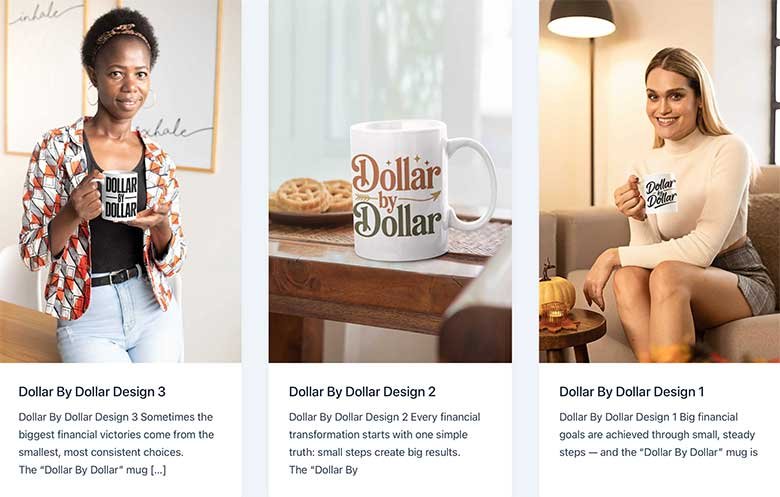
Premier Print Works creates quality prints, mugs, and shirts for thoughtful, thrifty people. Find a small reminder of what you are working toward.
Visit Premier Print WorksSet the timeline
A due date gives the project shape. If the job has steps, such as a first draft and a final version, listing a date for each can help.
Timelines often depend on the client too. If you need information or feedback from them, noting that the schedule may shift if those arrive late is reasonable.
Building in a little extra time for careful review is wise, especially when tools are part of the process.
Write the due dates for each step of one small job, including your review time.
“A few clear lines on paper can save a friendship and a paycheck.”
Explain how revisions work
Revisions are a common source of confusion. One round of changes? Two? Unlimited? Agreeing on this upfront can protect your time.
One option is to include a set number of revision rounds and an hourly rate for anything beyond that. Another is to define what counts as a revision versus a new request.
Clear revision terms can keep a small job from quietly growing into a large one.
Decide how many revision rounds you will include and what happens after that.

Keep Side Income Organized
The free Money Reset Workbook gives you clear pages to see what each job earns and when payment is due.
Get the Free WorkbookMention tool use honestly
If you use AI tools for parts of the work, a short line in the agreement can make that clear. For example, “I may use AI writing tools for early drafts. I review, fact-check, and edit all work before delivery.”
Some clients may ask for no tools at all. Writing that down protects both sides. Platform and client rules about tool use vary and change.
Being open from the start avoids hard questions later.
Write one honest sentence about tool use that could go into an agreement.
Cover privacy and ownership in simple terms
An agreement might note how you will handle the client’s information, such as keeping private details out of any tool and not sharing files without permission.
Ownership is a harder topic. Who owns the finished work, and whether AI-assisted parts can be owned at all, depends on the place and the situation. Those rules are still changing. A short line naming who may use the final work can help, and an attorney can explain the details.
Avoid promising anything you cannot be sure of, such as full ownership rights for AI-assisted parts.
Write one sentence about how you will handle the client’s private information.
Plan for how the job can end
Sometimes a job stops partway. The client may change plans, or you may need to step away. A line about what happens then can reduce stress.
For example, “If either side ends the project early, the client pays for work completed up to that point.” That keeps things fair for both people.
Planning for an early end is not pessimistic. It simply makes a hard moment easier. You may also like ideas for freelancers seeking clients.
Write one sentence about what happens if a project ends early.
Keep it short and get a clear yes
A small job does not need a long contract. A one-page document or a clear email can work. What matters is that both sides read it and agree in writing, such as by replying “I agree.”
Saving a copy of the agreement and any changes can help if questions come up later. A folder for each client makes this easy.
If a tool helps you draft the agreement, every line still needs your careful reading. Tools can add terms that do not fit or that are wrong for your area.
Create a simple one-page agreement template you can reuse for small jobs.
Know when to get professional help
For larger jobs, ongoing work, or anything involving significant money, an attorney can review an agreement. Many areas have free legal clinics or low-cost legal help for small business owners.
A local small business help office may also offer free sample forms or workshops. Tax duties for side income vary by place, and a tax professional can explain them.
Rules and tools change, so checking current information keeps your agreements fresh. Another place to look is starting a side hustle with no money. See also a budget template for irregular income.
Find one free or low-cost legal or small business help resource near you.
Explore Our Top Picks for a Better Life
We have gathered the tools, resources, and products we think are genuinely worth your time, covering mindset, self-care, health, and home. All in one place, hand-picked to support the goals you are working toward.
See Our Top PicksReal Stories, Real Results
Let me share two examples I like to use. Kezia agreed to help a friend’s bakery with social posts over coffee. A month later, the friend expected daily posts for the same small fee. She wrote a simple one-page agreement for the next round. She told me that both of them felt relieved to have it clear.
Daniel added a line about revision rounds to every small job agreement. When a client asked for a sixth round of changes, he pointed kindly to the note and offered his hourly rate. He said the client understood right away. Both of them said the same thing: a short note made hard conversations easy.
Small Jobs With Clear Expectations
Picture starting each small project with a short note both sides understand. The work is clear, the price is set, and if questions come up, you both know where to look.
Write your one-page template today. Download the free Money Reset Workbook to track jobs, payments, and income goals. Clear terms can make side work much calmer.
Want Ready-Made Tools to Help You Put This Into Action?
Sometimes the fastest way forward is a tool that someone has already built. Browse our hand-picked resources and downloads, chosen to help you take the next step with less guesswork.
Browse Resources and Downloads
Ready to Put Your Next Job in Writing?
The free Money Reset Workbook helps you see your money clearly, so every job fits your plan.
Download Free Now
Fill Your Space With Things You Love
Premier Print Works makes quality prints, mugs, and shirts for people who plan ahead. Browse the collection and find what speaks to you today.
Visit Premier Print WorksDisclaimer
The content on this page is for informational and inspirational purposes only. It is not professional financial, investment, tax, legal, insurance, or estate planning advice. No written agreement can promise protection, and contract, ownership, and tax rules vary by place and change over time. Please talk with an attorney, a free legal clinic, or a qualified professional about anything important. AI tools can make mistakes, so all drafted terms need careful human review. The numbers in the example are made up. Prices, fees, and account terms vary and change. Income is not guaranteed, and results vary widely from person to person.
I am not a financial advisor, and I am not a licensed tax, legal, or investment professional. I share this information to help people learn about money and see new options. Please treat it as general information only, and talk with a qualified professional about your own situation before making financial decisions.
The stories of Kezia and Daniel are illustrative composite characters created to bring the content to life. They are not real people. Any resemblance to a real person is purely coincidental.
Some links on this page, including links to Premier Print Works and other resources, are affiliate links. If you make a purchase through one of these links, we may earn a small commission at no extra cost to you. We do not own, produce, or control any affiliate products, and we are not responsible for them — we only own and sell the products offered through our own store, Premier Print Works.
All content on A Self Help Hub is the property of Digital Marketing 215 LLC and is protected by copyright law. No part of this page may be copied, reproduced, republished, distributed, or transmitted in any form without prior written permission from the author.