How the Stock Market Works in Plain English
Think of a busy Saturday farmers market. Sellers set out their goods, buyers walk the rows, and prices shift with how many people want the tomatoes. That picture is a handy way to start learning how the stock market works.
Instead of fruit and bread, people trade small pieces of companies. The words can sound fancy, yet the core idea is a meeting place for buyers and sellers. This guide explains how the stock market works in everyday language. It shares general information only, and it is not investment advice.
We will cover shares, exchanges, brokers, prices, indexes, and risk, with a couple of simple examples along the way. This guide is written with the United States in mind. Take it one stall at a time, and come back whenever a word feels fuzzy.

Start Your Money Learning With a Clear Page
Download the free Money Reset Workbook and get simple pages to note new words, goals, and questions as you learn about investing.
Get the Free WorkbookA share is a small slice of a company
A stock, also called a share, is a tiny piece of ownership in a company. If a company were a pizza cut into a million slices, one share would be one slice. People who own shares are called shareholders.
Owning a share does not mean you run the company or get a desk at its office. It means you own a small part of it. Shareholders may get a vote on some company matters, and they may share in its profits.
Big companies can have a huge number of shares, so one share is often a very small slice.
Write your own one-line meaning of the word share, using a picture that makes sense to you.
Why companies sell shares in the first place
Companies often need money to grow. They might want to build a factory, hire people, or create new products. Selling shares is one way to raise that money without taking out a loan.
When a private company first sells shares to the public, it is often called going public. After that, the shares can be bought and sold by investors on the market.
The trade-off for the company is that it now has many part owners. For investors, buying shares means taking on both the hopes and the risks of that business.
Think of a business you know and write one reason it might want to raise money.
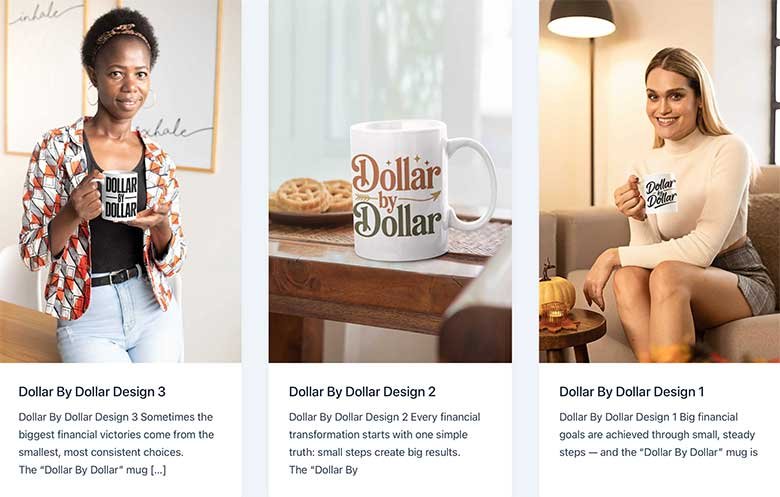
Keep a Reminder That Learning Pays Off
Premier Print Works creates quality prints, mugs, and shirts for curious minds. Find a small reminder to keep learning one step at a time.
Visit Premier Print WorksExchanges are the marketplace
A stock exchange is an organized marketplace where shares are bought and sold. Long ago, trading happened mostly by people shouting on a crowded floor. Today, most of it happens through computers in a split second.
Here is a key point many beginners miss. Most trades are between investors, not between an investor and the company. When you buy a share, you usually buy it from another person or firm that wants to sell.
The exchange sets rules for how trading works, so buyers and sellers can find each other in an orderly way.
Sketch a quick drawing of a buyer, a seller, and a marketplace between them.
“Every big idea becomes smaller once you can explain it in your own words.”
Brokers help you get to the market
Most people cannot walk up to an exchange and buy a share. Instead, they use a broker, which is a firm that places trades for its customers. People usually open an account with a broker and add money to it.
Brokers differ in their fees, tools, and account types. Some charge for each trade, and some charge in other ways. Fees and terms vary and change, so many people read the details before choosing.
Some workplace retirement plans also invest in the market for you, through a plan provider. For related reading, see things to do before you start investing.
Write down three questions you might ask about fees before opening any investment account.

Keep Your Investing Notes in One Place
The free Money Reset Workbook gives you a clear spot to write down goals and questions, so new money words feel easier to follow.
Get the Free WorkbookPrices come from buyers and sellers meeting
Like the tomatoes at the farmers market, a share’s price depends on how many people want to buy and how many want to sell. More eager buyers can push the price up. More eager sellers can push it down.
Here is an example with made-up numbers. One buyer offers $20.00 for a share. A seller asks for $20.10. The gap between them is $0.10, and it is called the spread. A trade happens when a buyer and a seller agree on a price.
This is why prices can change from moment to moment. Every trade is a fresh agreement between two sides.
Look up the words bid, ask, and spread, and write each one in your own words.
How people may gain or lose money with stocks
There are two main ways stock owners can gain. One is if the share price rises and they sell for more than they paid. The other is dividends, which are a slice of company profits that some companies pay to shareholders.
An example with made-up numbers: say someone buys 10 shares at $20 each, for $200 total. If the price rises to $22, the shares are worth $220, a $20 gain on paper. If the price falls to $18, they are worth $180, a $20 loss on paper.
Prices can also fall a lot, and a company can even fail. That is why the chance of gain always comes with the chance of loss. You may also like investment ideas for beginners.
Redo the example above with your own made-up numbers to practice the math.
An index is a scoreboard for a group of stocks
When the news says the market went up or down, it usually means an index moved. An index tracks the prices of a group of stocks, such as large companies or a certain industry. It works like a scoreboard for that group.
Some investments, called funds, hold many stocks at once. A fund pools money from many people and buys a basket of investments. Some funds try to match an index, while others are run by managers who pick what to buy.
Funds can make it easier to own a small piece of many companies at once. They also come with their own fees and risks.
Next time you hear a market report, notice which index is being named.
What moves the whole market
Many things can move stock prices. Company profits, interest rates, jobs reports, world events, and plain human mood all play a part. Sometimes prices move for reasons that are hard to explain.
Over short stretches, prices can jump around a lot. That swinging is called volatility. Over longer stretches, the path can still be bumpy, and no one can say for sure where prices will go.
Many people find it calming to know that sudden moves are a normal part of how markets behave. For related reading, see common investment myths.
Write down one news story you saw this week and note whether it mentioned the market.
Risk is part of the deal
Investing in stocks means accepting that you could lose money, including some or all of what you put in. That original amount is called principal. No honest person can promise that stock prices will rise.
Diversification means spreading money across many investments instead of putting it all in one place. It can lower the chance that one company’s trouble sinks everything. It cannot remove risk altogether.
Many people also think about time. Money needed soon may face more pressure from a drop than money meant for many years away.
Write how you might feel if an investment dropped in value, and keep that note for later.
Learning before acting
The stock market can look like a fast game on television, full of flashing numbers and loud voices. For many people, a slower path of learning feels more comfortable. Reading, asking questions, and starting with the basic words can help.
Be wary of anyone who promises quick riches, hot tips, or sure things. Scams often use excitement and pressure. Another place to look is investment rules for beginners.
A fiduciary financial planner, who is required to act in your best interest, can explain how investing might fit your own goals.
Make a short list of the investing words you now understand, and add one new word each week.
Explore Our Top Picks for a Better Life
We have gathered the tools, resources, and products we think are genuinely worth your time, covering mindset, self-care, health, and home. All in one place, hand-picked to support the goals you are working toward.
See Our Top PicksReal Stories, Real Results
Let me share two examples I like to use. Amara changed the channel every time the market news came on because it felt like a foreign language. She spent a few evenings learning words like share, exchange, and index. She told me that the nightly report now sounds like a story she can follow.
Joel thought buying a share meant handing money straight to the company. He learned that most trades happen between investors, and that prices come from buyers and sellers meeting. He felt far less intimidated after that. Both of them said the same thing: plain words made the market feel less like a mystery.
Picture Market News That Finally Makes Sense
Imagine hearing a report that an index fell today and knowing just what that means. You picture buyers and sellers, a scoreboard, and shares as tiny slices of companies. The words no longer feel like a wall between you and your money.
Pick a quiet evening, review the key words, and write down any questions. Download the free Money Reset Workbook to keep your notes and goals in one place. Understanding builds a little at a time.
Want Ready-Made Tools to Help You Put This Into Action?
Sometimes the fastest way forward is a tool that someone has already built. Browse our hand-picked resources and downloads, chosen to help you take the next step with less guesswork.
Browse Resources and Downloads
Ready to Feel at Home With Money Words?
The free Money Reset Workbook helps you see your goals clearly, so learning about the market feels calm and steady.
Download Free Now
Fill Your Space With Curious, Hopeful Reminders
Premier Print Works makes quality prints, mugs, and shirts for lifelong learners. Browse the collection and find what speaks to you.
Visit Premier Print WorksDisclaimer
The content on this page is for informational and inspirational purposes only. It is not professional financial, investment, tax, legal, insurance, or estate planning advice, and it is not a recommendation to buy or sell any stock, fund, or other investment. All investing involves risk, including the possible loss of principal. Prices, fees, and account terms vary and change. The numbers in the examples are made up to show how the math works. This guide is written with the United States in mind. Please talk with a fiduciary financial planner or other qualified professional about your own situation. Results vary widely from person to person.
I am not a financial advisor, and I am not a licensed tax, legal, or investment professional. I share this information to help people learn about money and see new options. Please treat it as general information only, and talk with a qualified professional about your own situation before making financial decisions.
The stories of Amara and Joel are illustrative composite characters created to bring the content to life. They are not real people. Any resemblance to a real person is purely coincidental.
Some links on this page, including links to Premier Print Works and other resources, are affiliate links. If you make a purchase through one of these links, we may earn a small commission at no extra cost to you. We do not own, produce, or control any affiliate products, and we are not responsible for them — we only own and sell the products offered through our own store, Premier Print Works.
All content on A Self Help Hub is the property of Digital Marketing 215 LLC and is protected by copyright law. No part of this page may be copied, reproduced, republished, distributed, or transmitted in any form without prior written permission from the author.