How to Prevent a Spending Rebound After a No-Spend Challenge
It is day thirty-one. Your shopping app still holds the eleven items you saved during the month, and every one of them looks a little brighter now. A small voice whispers that you earned this. Your thumb hovers over the checkout button.
That moment is the start of what many people call a spending rebound. After weeks of holding back, spending can spring back hard, a bit like a stretched rubber band. Some people end up spending more in the week after a challenge than they saved during it. It is a very human reaction, and it is also something you can plan for.
This guide shares general ideas to help you ease out of a no-spend challenge without undoing your progress. It is meant as information and ideas to think about, not advice. You will find ways to plan your exit, look at your wants list again, protect your savings, and keep the habits you liked. Take it one step at a time.

Plan the End of Your Challenge as Well as the Start
Download the free Money Reset Workbook and map out a simple re-entry budget, so your savings stay safe after the last no-spend day.
Get the Free WorkbookUnderstand why rebounds happen
When you hold back for a long stretch, wants can pile up in your mind. Each skipped coffee and each item left in a cart can start to feel like a debt you owe yourself. When the challenge ends, that pile can feel like permission to spend all at once.
Strict rules can also make spending feel like a reward. The tighter the rules, the bigger the release can feel. Knowing this pattern ahead of time can take away some of its power. You can notice the feeling without acting on it right away.
Rebounds are a common reaction to change, and they say little about your willpower.
Write down one want that has been on your mind during the challenge, and simply notice it.
Plan your exit before the last day
Many people plan the start of a challenge in detail and give little thought to the end. An exit plan can make a big difference. A week before the challenge ends, you might sit down and decide what the first few weeks after will look like.
Your plan could include a short list of things you will allow, a spending limit for the first week, and a date to look at your wants list. Having a plan gives the end of the challenge a clear shape. For related reading, see ways to plan before you spend.
A plan turns the finish line into a gentle ramp instead of a cliff.
Choose a day in the last week of your challenge to write your exit plan.
Keep a Reminder of How Far You Have Come
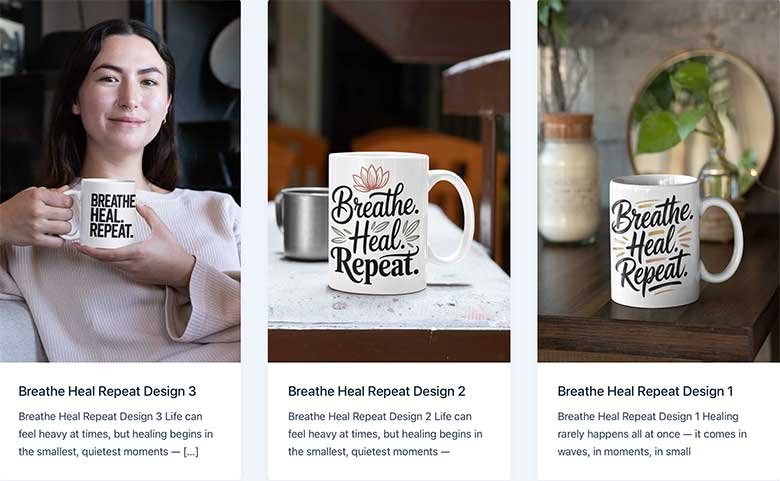
Premier Print Works creates quality prints, mugs, and shirts for people who build habits that last. Find a small reminder of your progress.
Visit Premier Print WorksLook at your wants list with fresh eyes
If you kept a list of things you wanted during the challenge, now is a good time to read it slowly. Some items may still feel important. Others may have faded. Many people find that a good number of their wants no longer feel exciting after a few weeks.
For each item, you might ask a few questions. Do I still want this? Do I already own something that does the same job? Would I buy it today at full price? Crossing off items you no longer want can feel freeing. You may also like ways to stop replacing things you already own.
The items that remain are the ones worth planning for.
Read your wants list and cross off anything that no longer feels important.
“The end of a challenge is a doorway, and you get to choose how you walk through it.”
Set a simple re-entry budget
A re-entry budget is a small, set amount for wants in the first weeks after a challenge. It gives you room to enjoy spending again without opening the floodgates. The amount is up to you and your situation.
Here is an example with made-up numbers. Say you choose $100 for fun spending in the month after your challenge. Split across four weeks, that is $25 a week. You might use it for one meal out, a new book, or a small treat. When the week’s $25 is gone, you wait for the next week.
Writing the amount down and tracking it can keep the plan real.
Pick a re-entry amount that fits your budget, and divide it by the number of weeks.

Track Your Re-Entry Budget in One Place
The free Money Reset Workbook gives you a clear page to set your weekly amount and watch your savings grow.
Get the Free WorkbookEase back in one category at a time
Instead of bringing back every kind of spending on day one, you can add things back slowly. Maybe takeout returns in the first week, and clothing waits until the third week. This gives you time to notice how each choice feels.
Some people find that they do not miss certain categories at all. If you went a month without buying coffee out and you did not mind, you might choose to keep that change. Easing in slowly helps you make choices on purpose. For related reading, see budgeting for needs before wants.
Slow changes tend to last longer than sudden ones.
List the categories you paused, and choose which one to bring back first.
Keep the habits you liked
Most challenges teach a few good things. Maybe you started packing lunch, cooking at home more, or borrowing books from the library. Maybe you liked the calm of fewer shopping trips. These habits are worth noticing, because they can stay with you long after the challenge ends.
You might write down two or three habits you would like to keep. Then decide how to fit them into a normal week. Packing lunch three days a week, for example, can be easier to keep up than packing it every day.
Holding onto a few good habits can be the biggest win of the whole challenge.
Write down two habits from your challenge that you would like to keep.
Move your savings quickly
Money left in a checking account can be easy to spend. Some people move what they saved during the challenge into a savings account right away. Others send it toward a goal, like a debt payment or an emergency fund. Moving the money gives it a clear job.
Seeing the number in its new home can also feel good. It turns a month of small choices into something you can point to. Another place to look is habits for tracking spending better.
Some people make the transfer on the last day of the challenge as a small ceremony.
Decide where your challenge savings will go, and plan when you will move them.
Celebrate without a splurge
Finishing a challenge is worth celebrating. The trick is choosing a celebration that fits your goals. A free hike, a homemade dinner with friends, a movie night, or a long bath can mark the moment without a big bill.
If you want to spend a little, you might pick one small, planned treat. A favorite meal or a single item from your list can feel special because you chose it with care. Planning the treat ahead of time keeps it from turning into a spree.
A celebration can honor your effort and protect your progress at the same time.
Plan one way to celebrate the end of your challenge that fits your budget.
Watch for your spending triggers
Triggers are the moments that make spending feel tempting. They might be stress, boredom, sales emails, or scrolling late at night. During a challenge, you may have learned which ones affect you most. That knowledge is useful afterward, too.
Some people keep a few challenge habits that protect against triggers. They stay unsubscribed from store emails, keep shopping apps off their phone, or wait a day before buying anything online. Small barriers like these can make a rebound less likely.
Knowing your triggers lets you plan for them instead of being surprised.
Write down your top two spending triggers and one way you might handle each.
If a rebound happens, start again gently
Even with a plan, a spending spree can still happen. If it does, try not to be hard on yourself. The habits you built are still there after one week of extra spending. Think of it as a moment to notice and learn from.
You might look at what happened. What triggered it? What would help next time? Then pick one small step to get back on track, like a no-spend weekend or a fresh look at your budget. Kind self-talk tends to work better than guilt.
Every fresh start builds on what you already learned.
If you overspend, write down one thing you learned and one small step for tomorrow.
Explore Our Top Picks for a Better Life
We have gathered the tools, resources, and products we think are genuinely worth your time, covering mindset, self-care, health, and home. All in one place, hand-picked to support the goals you are working toward.
See Our Top PicksReal Stories, Real Results
Let me share two examples I like to use. Kezia finished her first no-spend month and spent almost all her savings in the next ten days. For her second challenge, she wrote an exit plan and set a small weekly budget for wants. She told me that the end of the month felt calm this time, and her savings stayed put.
Daniel kept a list of everything he wanted during his challenge. When the month ended, he read it again and crossed off more than half of it. He bought two items he still wanted and moved the rest of his savings to his emergency fund. Both of them said the same thing: planning the end of the challenge mattered as much as planning the start.
Your Progress Can Last Long After the Challenge Ends
Imagine the weeks after your challenge. You enjoy a few planned treats, your savings sit safely in their new home, and the habits you liked still feel natural. There is no wild spree and no regret. The challenge simply became part of how you live.
Start by writing your exit plan, even if the end of your challenge is weeks away. Download the free Money Reset Workbook to set your re-entry budget and track your savings. A gentle plan can protect everything you worked for.
Want Ready-Made Tools to Help You Put This Into Action?
Sometimes the fastest way forward is a tool that someone has already built. Browse our hand-picked resources and downloads, chosen to help you take the next step with less guesswork.
Browse Resources and Downloads
Ready to Keep Your Progress Going?
The free Money Reset Workbook helps you see your numbers clearly, so the end of a challenge feels like a fresh start.
Download Free Now
Celebrate Your Wins in a Way That Lasts
Premier Print Works makes quality prints, mugs, and shirts for people who choose lasting habits. Browse the collection and find what speaks to you.
Visit Premier Print WorksDisclaimer
The content on this page is for informational and inspirational purposes only. It is not professional financial, investment, tax, legal, insurance, or estate planning advice. The numbers in the example are made up to show how the idea works, and your own budget will be different. Prices, fees, and account terms vary and change, so please check the details of any account you use. Results vary widely from person to person.
I am not a financial advisor, and I am not a licensed tax, legal, or investment professional. I share this information to help people learn about money and see new options. Please treat it as general information only, and talk with a qualified professional about your own situation before making financial decisions.
The stories of Kezia and Daniel are illustrative composite characters created to bring the content to life. They are not real people. Any resemblance to a real person is purely coincidental.
Some links on this page, including links to Premier Print Works and other resources, are affiliate links. If you make a purchase through one of these links, we may earn a small commission at no extra cost to you. We do not own, produce, or control any affiliate products, and we are not responsible for them — we only own and sell the products offered through our own store, Premier Print Works.
All content on A Self Help Hub is the property of Digital Marketing 215 LLC and is protected by copyright law. No part of this page may be copied, reproduced, republished, distributed, or transmitted in any form without prior written permission from the author.