How to Replace Shopping as a Stress-Relief Activity
It has been a long day. You sit on the couch, open a shopping app, and scroll. A cart fills with a candle, a shirt, and a gadget you saw in an ad. The tap of the buy button brings a small rush of relief, and for a moment the day feels lighter.
Stress shopping is buying things mainly to feel better when you are tense, tired, sad, or bored. It is very common, and it makes sense. Shopping can bring a quick lift. The trouble is that the lift often fades fast, and the bill stays. Finding other ways to unwind can protect both your mood and your money.
This guide shares general ideas for swapping shopping with other calming activities. It is information to think about and not advice, and it is never meant to shame anyone. Try one idea at a time and notice what helps. If shopping ever feels out of control or causes real harm, a doctor or licensed counselor can be a kind place to start.

Track Your Calm Swaps and Savings
Download the free Money Reset Workbook and get simple pages to note your triggers, plan your swaps, and watch your savings grow.
Get the Free WorkbookNotice when the urge to shop shows up
The first step is simply noticing. When do you feel the pull to shop? It might be late at night, after a hard call, on payday, or when you feel lonely.
A few notes on your phone can help. Write the time, what was going on, and how you felt. After a week or two, patterns often appear.
Knowing your triggers gives you a chance to plan. A trigger is anything that sparks the urge, like a feeling, a place, or a time of day.
For one week, jot down each time you feel the urge to shop and what was happening.
Name the need behind the shopping
Shopping often fills a deeper need. It might be rest, a sense of control, fun, connection, or a reward after hard work. Each need can be met in other ways.
Ask yourself what you are really hoping to feel. If the answer is calm, a warm bath or a short walk may help. If the answer is excitement, a new hobby or a game night might fit.
Matching the swap to the need makes it much more likely to work.
Write down the feeling you hope shopping will give you, and one free way to get it.

A Calming Reminder for Your Space
Premier Print Works creates quality prints, mugs, and shirts for people who choose calm over clutter. Find a gentle reminder for your home.
Visit Premier Print WorksBuild a short list of calming swaps
It is hard to think of new ideas in a stressful moment. A list made ahead of time can do the thinking for you. Keep it on your phone or on the fridge.
Ideas might include a walk around the block, a phone call with a friend, stretching, a favorite song, a library book, a puzzle, or a cup of tea on the porch.
Aim for a mix of quick and longer options. Some moments call for two minutes of calm. Others need a whole evening.
Write a list of ten free or low-cost things that help you relax.
“The calm we look for in a shopping cart is often waiting in a quiet walk or a kind voice.”
Make shopping a little less easy
Small barriers can slow down the urge. One option is to delete saved card details from shopping sites so each order takes more steps. Another is to log out of apps or move them off your home screen.
Turning off sale alerts and unsubscribing from store emails can cut down on the nudges. Many people find their urges drop when the reminders stop.
These steps do not ban shopping. They simply give you a moment to choose.
Unsubscribe from three store emails and remove one shopping app from your home screen.

See Your Skipped Purchases Add Up
The free Money Reset Workbook gives you a clear page to record each stress buy you skip, so your progress is easy to see.
Get the Free WorkbookTry a waiting period for wants
A waiting period is a set time between wanting something and buying it. Some people wait one day for small items and a week for larger ones.
Putting the item in a wish list or a note lets the want sit somewhere. When the time is up, you can look again with fresh eyes. Often, the want has faded.
If you still want it after the wait, and it fits your budget, buying it can feel good without the guilt.
Start a wish list and add the next thing you feel the urge to buy.
Move your body in a gentle way
Movement is one of the most common ways people ease stress. It does not have to be hard. A slow walk, a few stretches, or dancing to one song in the kitchen can shift your mood.
Getting outside can add even more calm. A few minutes in fresh air or sunlight may help clear your head.
If you have health concerns, a doctor can help you choose movement that is safe for you.
Next time the urge hits, take a ten-minute walk before deciding anything.
Refresh your space with what you have
Sometimes the urge to shop is really an urge for something new and fresh at home. Moving furniture, swapping pillows between rooms, or clearing one shelf can give that same feeling.
A small change can make a room feel brand new without spending. For related reading, see refreshing a room without new furniture.
Many people find a tidy, rearranged space feels calming in a way a new item rarely does.
Rearrange one corner of your home using only items you already own.
Find a low-cost hobby that brings joy
A hobby gives your hands and mind something to do. Drawing, baking, gardening, knitting, writing, or learning a song can all bring a sense of reward.
Many hobbies can start with free or very cheap supplies. A library card can open the door to books, classes, and sometimes even tools or kits.
If a hobby needs supplies, a secondhand store can be one place to look. You may also like thrift shopping with a specific list.
Pick one hobby you have wanted to try and find a free way to start it.
Lean on people, not purchases
Stress often feels lighter when it is shared. A text to a friend, a call to a family member, or a chat with a neighbor can bring real comfort.
Some people plan a regular walk or coffee at home with a friend. Having something to look forward to can ease the need for a shopping lift.
If you feel alone often, local groups, places of worship, or community centers may offer free ways to connect.
Reach out to one person this week just to talk.
Give your savings a feel-good purpose
When you skip a stress purchase, you might move that amount to savings. Watching it grow can bring its own small rush. Giving the savings a name, like Beach Day or Calm Fund, can make it feel even better.
Here is an example with made-up numbers. If you skip three $20 stress buys in a month, that is $60 saved. Over six months, that adds up to $360.
A short quote on a sticky note can be a nice reminder of why you are doing this. Another place to look is money quotes about smarter spending.
Name a savings goal and move the cost of each skipped stress buy into it.
Be kind to yourself when you slip
Old habits take time to change. Some days you may still shop to feel better. That is normal, and it does not erase your progress.
Instead of guilt, try curiosity. What was going on? What might help next time? Each slip can teach you something useful.
If you feel stuck or behind, small steps still count. For related reading, see ideas for when you feel behind with money.
Write one kind sentence you can say to yourself after a slip.
Explore Our Top Picks for a Better Life
We have gathered the tools, resources, and products we think are genuinely worth your time, covering mindset, self-care, health, and home. All in one place, hand-picked to support the goals you are working toward.
See Our Top PicksReal Stories, Real Results
Let me share two examples I like to use. Kezia shopped online most nights after work to unwind. She noticed the urge was strongest right after dinner, so she started a short walk at that time and deleted her saved card. She told me that the walks became the best part of her evening, and her card bill dropped a lot.
Daniel bought small gadgets whenever work felt stressful. He made a list of free swaps and found that calling his brother helped most. He said that once he talked things through, the urge to buy something usually passed. Both of them said the same thing: when they found what they truly needed, shopping lost much of its pull.
Calm Can Come From Many Places Besides a Store
Picture the end of a hard day. You feel the old pull to scroll and buy, and then you remember your list. You lace up your shoes, call a friend, or start a favorite song. An hour later, you feel lighter, and your money is still where you left it.
Start by noticing your triggers, write your list of swaps, and try one tonight. The free Money Reset Workbook can help you track what you save. Each calm choice adds up.
Want Ready-Made Tools to Help You Put This Into Action?
Sometimes the fastest way forward is a tool that someone has already built. Browse our hand-picked resources and downloads, chosen to help you take the next step with less guesswork.
Browse Resources and Downloads
Ready to Find New Ways to Unwind?
The free Money Reset Workbook helps you see your spending clearly, so calm choices can turn into real savings.
Download Free Now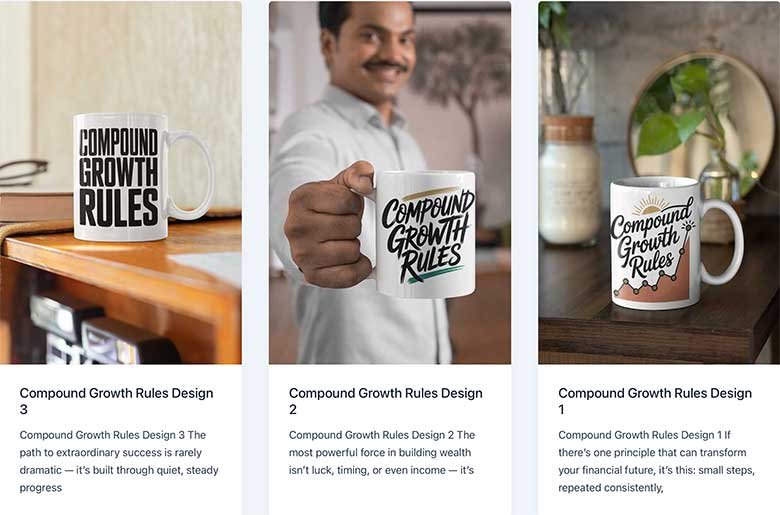
Fill Your Home With Peaceful Reminders
Premier Print Works makes quality prints, mugs, and shirts for people who value calm. Browse the collection and find what speaks to you.
Visit Premier Print WorksDisclaimer
The content on this page is for informational and inspirational purposes only. It is not professional financial, investment, tax, legal, insurance, medical, mental health, or estate planning advice. If shopping feels out of control, or if stress, anxiety, or sadness feel heavy, please reach out to a doctor or licensed counselor. Before starting new exercise, check with a doctor if you have health concerns. The numbers in the example are made up to show how the math works. Prices, fees, and account terms vary and change. Results vary widely from person to person.
I am not a financial advisor, and I am not a licensed tax, legal, or investment professional. I share this information to help people learn about money and see new options. Please treat it as general information only, and talk with a qualified professional about your own situation before making financial decisions.
The stories of Kezia and Daniel are illustrative composite characters created to bring the content to life. They are not real people. Any resemblance to a real person is purely coincidental.
Some links on this page, including links to Premier Print Works and other resources, are affiliate links. If you make a purchase through one of these links, we may earn a small commission at no extra cost to you. We do not own, produce, or control any affiliate products, and we are not responsible for them — we only own and sell the products offered through our own store, Premier Print Works.
All content on A Self Help Hub is the property of Digital Marketing 215 LLC and is protected by copyright law. No part of this page may be copied, reproduced, republished, distributed, or transmitted in any form without prior written permission from the author.