How to Understand Bonds in Plain English
Picture a friend asking to borrow $100. They promise to pay you a little extra for the favor and to return the full amount on a set day.
That simple deal is close to how a bond works. This guide covers bonds for beginners, using everyday words. A bond is a kind of loan. The buyer of the bond lends money to a government, a city, or a company. In return, the borrower usually pays interest along the way and pays the money back at the end.
This guide shares general information so the word feels less strange. It is learning material, never advice or a recommendation to buy or sell anything. The examples have the United States in mind. Take it one idea at a time, and feel free to come back to any part.

Keep Your Money Learning Organized
Download the free Money Reset Workbook and get simple pages to note new terms, questions, and goals as you learn.
Get the Free WorkbookSee a bond as an IOU with a schedule
An IOU is a note that says, I owe you. A bond is a formal IOU. It lists who is borrowing, how much, what interest they will pay, and when they will pay the money back.
The group that borrows the money is called the issuer. Governments issue bonds to pay for things like roads and schools. Companies issue bonds to grow or to pay for big projects.
So when someone owns a bond, they are a lender, not an owner. That is a key difference from a share of stock, where the buyer owns a small piece of a company.
Write one sentence that explains the difference between owning a stock and owning a bond.
Learn the words face value, coupon, and maturity
Three words come up again and again. Face value is the amount the issuer plans to pay back at the end. It is also called par value. Many bonds have a face value of $1,000, though amounts vary.
The coupon is the interest the bond pays. It is often shown as a percent of the face value. Maturity is the date when the loan ends and the face value is due back.
Once these three words feel familiar, most bond talk gets much easier to follow. For related reading, see personal finance tips for long-term stability.
Write face value, coupon, and maturity on a card with a short meaning next to each.

A Small Reminder to Keep Learning
Premier Print Works creates quality prints, mugs, and shirts for steady, thoughtful savers. Find a reminder that patience pays off.
Visit Premier Print WorksWalk through a simple example
Here is an example with made-up numbers. A bond has a face value of $1,000. It pays a coupon of 3 percent a year. It matures in five years.
Three percent of $1,000 is $30. So the owner would get $30 each year in interest. Over five years, that is $150 in interest. At the end, the issuer pays back the $1,000. Many bonds split the yearly interest into two payments, so this one might pay $15 twice a year.
Real bonds have their own terms. This example only shows how the pieces fit together.
Try the math for a made-up $1,000 bond that pays 4 percent for three years.
“A bond is simply a promise with numbers attached, and promises are easier to judge once you can read them.”
Understand why bond prices go up and down
Bonds can be bought and sold before they mature. Their prices can change. One big reason is interest rates in the wider economy.
Here is the general idea. Say you own a bond that pays 3 percent. Then rates rise, and new bonds pay 5 percent. Fewer people would want your 3 percent bond at full price. So its price tends to drop. When rates fall, the opposite tends to happen, and older bonds with higher interest can rise in price.
This is why people say bond prices and interest rates often move in opposite directions. For related reading, see money saving strategies for reaching your goals.
Draw a simple seesaw with rates on one side and bond prices on the other.

Write Down Your Questions as You Go
The free Money Reset Workbook gives you a clear page to track what you learn, so nothing slips away.
Get the Free WorkbookKnow the main risks in plain words
Bonds are often thought of as steadier than stocks, and they still carry risk. Default risk is the chance the issuer cannot pay the interest or pay back the loan. Interest rate risk is the price drop that can happen when rates rise.
Inflation risk is another one. Inflation means prices in general go up over time. If a bond pays a low rate and prices rise faster, the money may buy less later.
Any bond can lose value, so it helps to look at risk with clear eyes.
List the three risks named here and write one plain sentence about each.
Learn what credit ratings on bonds mean
Some companies rate how likely an issuer is to pay its debts. These ratings are shown with letters. Higher grades suggest lower default risk. Lower grades suggest more risk.
Bonds with lower ratings often pay more interest. That extra pay is a reward for taking on more risk. These are sometimes called high-yield bonds. Ratings are opinions, and they can change.
A rating can be one clue among many, and it never gives a full guarantee.
Write down the idea that higher interest often comes with higher risk.
Notice the different kinds of bonds
Bonds come in a few broad types. Government bonds are issued by a national government. Municipal bonds come from states, cities, or local agencies. Corporate bonds come from companies.
Each type has its own mix of risk, interest, and tax treatment. Tax rules for bonds can vary by type and by where you live. A qualified tax professional can explain what applies.
Knowing the types can help you follow along when bonds come up in the news. For related reading, see money management habits for a better future.
Write the three broad kinds of bonds and who issues each one.
See how bond funds differ from single bonds
Some people buy single bonds. Others own bond funds, which hold many bonds at once. A fund spreads money across lots of issuers, which can lower the effect of any one default.
A bond fund works a bit differently from a single bond. A single bond has a set maturity date. A fund keeps buying and selling bonds, so it usually has no end date. Its price can still rise and fall with interest rates.
Both paths have trade-offs. A fund’s own documents explain its fees and how it works.
Write one way a bond fund differs from owning a single bond.
Fit bonds into what you are learning
Many people learn about bonds as part of a bigger picture. They may hear that some portfolios mix stocks and bonds. A portfolio is just the full collection of someone’s investments.
How anyone mixes these is a personal choice that depends on goals, time, and comfort with risk. A licensed financial professional can talk through options for a specific situation. For related reading, see personal finance habits for long-term peace of mind.
For now, simply knowing what a bond is counts as progress.
Write down one question about bonds you would like to ask a professional someday.
Explore Our Top Picks for a Better Life
We have gathered the tools, resources, and products we think are genuinely worth your time, covering mindset, self-care, health, and home. All in one place, hand-picked to support the goals you are working toward.
See Our Top PicksReal Stories, Real Results
Let me share two examples I like to use. Kezia saw the word bond fund in her work retirement plan and felt too embarrassed to ask what it meant. She wrote down face value, coupon, and maturity, then worked through a made-up example on paper. She told me that the whole idea finally clicked when she pictured a loan with a due date.
Daniel heard that bond prices fell and assumed something was broken. He learned the seesaw idea, that prices often move opposite to interest rates. He said the news felt much less alarming once he knew why it happened. Both of them said the same thing: plain words turned a scary topic into one they could follow.
Understanding the Basics Can Quiet the Noise
Picture reading a money headline about bonds and actually following it. You know what a coupon is, what maturity means, and why prices move. The topic feels like something you can learn, not something meant for other people.
Choose one word from this guide and practice explaining it out loud. Download the free Money Reset Workbook to keep your notes and goals in one place. Every new word is a small step forward.
Want Ready-Made Tools to Help You Put This Into Action?
Sometimes the fastest way forward is a tool that someone has already built. Browse our hand-picked resources and downloads, chosen to help you take the next step with less guesswork.
Browse Resources and Downloads
Ready to Feel More Confident With Money Terms?
The free Money Reset Workbook helps you see your numbers and plans clearly, one page at a time.
Download Free Now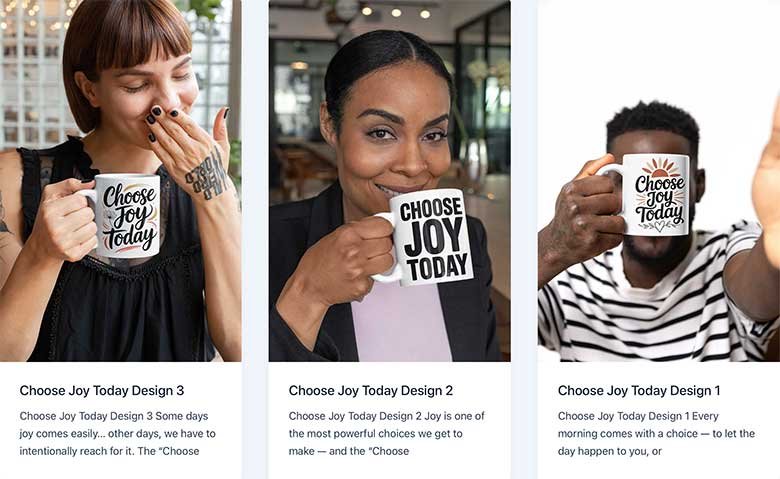
Surround Yourself With Calm, Steady Reminders
Premier Print Works makes quality prints, mugs, and shirts for people who plan with care. Browse the collection and find what speaks to you today.
Visit Premier Print WorksDisclaimer
The content on this page is for informational and inspirational purposes only. It is not professional financial, investment, tax, legal, insurance, or estate planning advice, and it is not a recommendation to buy or sell any security. All investing involves risk, including the possible loss of principal. Bond prices can fall, and issuers can fail to make payments. The numbers in the examples are made up to show how the math works. Tax rules vary and change, so a qualified tax professional can explain what applies to you. This page is written with the United States in mind. Prices, fees, and account terms vary and change. Results vary widely from person to person.
I am not a financial advisor, and I am not a licensed tax, legal, or investment professional. I share this information to help people learn about money and see new options. Please treat it as general information only, and talk with a qualified professional about your own situation before making financial decisions.
The stories of Kezia and Daniel are illustrative composite characters created to bring the content to life. They are not real people. Any resemblance to a real person is purely coincidental.
Some links on this page, including links to Premier Print Works and other resources, are affiliate links. If you make a purchase through one of these links, we may earn a small commission at no extra cost to you. We do not own, produce, or control any affiliate products, and we are not responsible for them — we only own and sell the products offered through our own store, Premier Print Works.
All content on A Self Help Hub is the property of Digital Marketing 215 LLC and is protected by copyright law. No part of this page may be copied, reproduced, republished, distributed, or transmitted in any form without prior written permission from the author.