Teaching What You Know: Local Classes, Workshops, and Online Lessons
Almost everyone knows how to do something that someone else wants to learn. Bread baking, basic car care, knitting, guitar chords, gardening, resume writing, or using a smartphone are all skills that other people would happily pay to pick up in an afternoon.
One way to earn from that knowledge is to teach local classes, run small workshops, or offer lessons online. Unlike one on one tutoring, a group class lets you teach several people at once. That can make each hour worth more, while also adding new things to plan, like a room, supplies, and sign ups.
This guide shares general ideas on choosing a topic, finding a place to teach, pricing, and running a first session. It is general information and not advice or a promise of income. Rules for venues, insurance, and small businesses vary by place. Go one step at a time and start small.

Plan Your Class Income and Costs
Download the free Money Reset Workbook and get simple pages to track sign ups, supplies, and earnings.
Get the Free WorkbookPick a topic people already ask you about
Think about the questions friends and family bring to you. Do people ask how you keep plants alive, fix a bike, or make such good pie? Those questions are clues about what others want to learn.
A narrow topic is often easier to teach and easier to sell. A class on making one kind of bread can be clearer than a class on all baking. For related reading, see side hustle ideas for using your skills.
List three things people often ask you to help with or explain.
Decide between a single workshop and a series
A one time workshop of two or three hours is easy for people to try. A series, like four weekly classes, lets students build skills over time and can bring steadier income.
Many teachers start with a single workshop to test interest. If people enjoy it and ask for more, a series can come next.
Write a title and length for one first workshop.
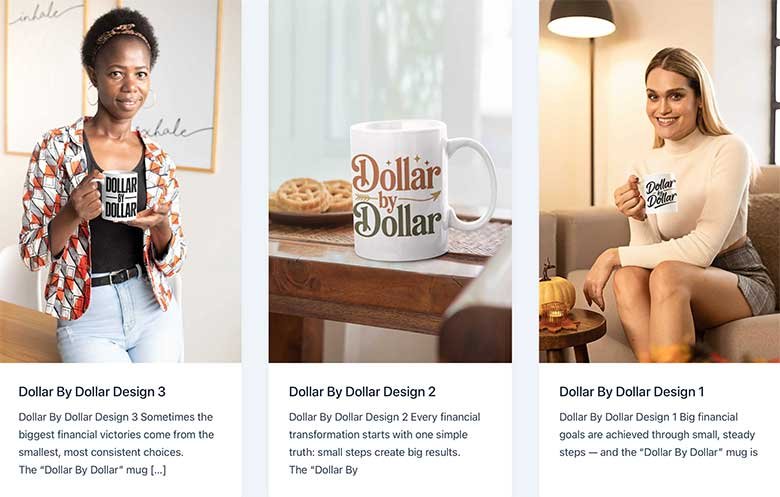
For People Who Love to Share What They Know
Premier Print Works creates quality prints, mugs, and shirts for teachers and makers. Find a small reminder of why you teach.
Visit Premier Print WorksFind a place to teach
Community centers, libraries, churches, parks departments, and local shops sometimes host classes. Some charge a room fee. Others take a share of the class price or offer the space free in exchange for bringing in visitors.
Teaching in your own home is possible for small groups, but it may raise questions about insurance, parking, and local rules. Asking a venue what they offer and what they charge can help you compare.
Contact two local places and ask whether they host community classes.
“What you learned slowly over the years can become someone else’s best afternoon.”
Try teaching online too
Online lessons remove the need for a room and let people join from anywhere. A live video class can feel personal, while recorded lessons can be sold again and again.
Online teaching calls for a steady internet connection, decent lighting, and clear sound. A phone on a stand is often enough to start. You may also like ways to make money online with simple skills.
Record a short practice video explaining one small part of your skill.

Track Every Class in One Place
The free Money Reset Workbook gives you clear pages to record what each class earns and costs, so your progress is easy to see.
Get the Free WorkbookPrice per person and think about class size
Group classes are usually priced per person. The total depends on how many people sign up, so it can help to know your costs and the fewest students it takes to break even.
Here is an example with made-up numbers. A workshop costs $40 for the room and $8 per person in supplies. If you charge $35 per person and 8 people come, you collect $280. Supplies cost $64, plus the $40 room, for $104 in costs. That leaves $176 for about 3 hours of teaching plus your prep time.
Write down your costs and the fewest students it takes to cover them.
Plan materials and a supply fee
Hands on classes often need supplies, like yarn, soil, flour, or printed handouts. Some teachers include supplies in the price. Others list a separate materials fee so students know what they are paying for.
Buying supplies after you know how many people signed up can prevent waste. Having one or two extra kits can help if someone joins at the last minute.
List the supplies one student would need and the cost per student.
Build a simple lesson plan
A clear plan helps a class feel smooth. Many teachers use a simple shape: a short welcome, a quick demonstration, hands on practice, time for questions, and a wrap up.
Planning a little less than you think you need can leave room for questions and mistakes. People often learn the most when they try something themselves.
Write a five part plan for your first class with rough times for each part.
Spread the word close to home
Flyers at the library, posts in local online groups, and a note to friends can fill a first class. Some venues also share classes in their newsletters or calendars.
Asking students to tell friends, or offering a small discount for bringing a friend, can help a class grow. Another place to look is earning extra money without buying a course.
Write a short class description that says what students will make or learn.
Set clear sign up and refund rules
Clear rules help everyone. You might decide how people sign up, when payment is due, the last day to cancel for a refund, and what happens if you cancel because too few people signed up.
Writing these rules in the class description can prevent awkward conversations. See also turning your passion into a business.
Write three simple rules for sign ups, payment, and refunds.
Ask for feedback and keep improving
After each class, a short note or quick question can show what students enjoyed and what could be better. Even a few words can guide your next class.
Over time, small changes can make a class feel polished. Happy students may come back for a second class or bring friends along. Records of income and costs can also help at tax time.
Write two questions you will ask students at the end of every class.
Explore Our Top Picks for a Better Life
We have gathered the tools, resources, and products we think are genuinely worth your time, covering mindset, self-care, health, and home. All in one place, hand-picked to support the goals you are working toward.
See Our Top PicksReal Stories, Real Results
Let me share two examples I like to use. Amara had been making sourdough for years and kept getting questions from friends. She booked a room at her community center and ran a small Saturday workshop for six people. She told me that seeing everyone leave with their own starter was a joy, and two students asked when the next class would be.
Joel worked in IT and noticed older neighbors struggling with their phones. He started a short online class on phone basics and kept the price low. He said that clear, simple lessons brought in steady sign ups through word of mouth. Both of them said the same thing: teaching one small skill well was a great place to start.
Share Your Skill and Earn From It
Picture a small room full of people trying something new for the first time, with you guiding them. Your costs are covered, your plan is clear, and students leave smiling. A little extra money comes with it.
Start by choosing one topic and planning one short class. That first session can open the door to many more.
Want Ready-Made Tools to Help You Put This Into Action?
Sometimes the fastest way forward is a tool that someone has already built. Browse our hand-picked resources and downloads, chosen to help you take the next step with less guesswork.
Browse Resources and Downloads
Ready to Teach What You Know?
The free Money Reset Workbook helps you see your numbers clearly as your classes and workshops grow.
Download Free Now
Celebrate the Joy of Teaching
Premier Print Works makes quality prints, mugs, and shirts for people who love to teach and learn. Browse the collection today.
Visit Premier Print WorksDisclaimer
The content on this page is for informational and inspirational purposes only. It is not professional financial, investment, tax, legal, insurance, or estate planning advice. Side income is not guaranteed, and results vary widely from person to person. The numbers in the example are made up to show how the math works. Venue rules, insurance needs, local business rules, tax rules, prices, fees, and account terms vary and change, so please check what applies to you and speak with a qualified professional if you have questions.
I am not a financial advisor, and I am not a licensed tax, legal, or investment professional. I share this information to help people learn about money and see new options. Please treat it as general information only, and talk with a qualified professional about your own situation before making financial decisions.
The stories of Amara and Joel are illustrative composite characters created to bring the content to life. They are not real people. Any resemblance to a real person is purely coincidental.
Some links on this page, including links to Premier Print Works and other resources, are affiliate links. If you make a purchase through one of these links, we may earn a small commission at no extra cost to you. We do not own, produce, or control any affiliate products, and we are not responsible for them — we only own and sell the products offered through our own store, Premier Print Works.
All content on A Self Help Hub is the property of Digital Marketing 215 LLC and is protected by copyright law. No part of this page may be copied, reproduced, republished, distributed, or transmitted in any form without prior written permission from the author.