The Use-It-Up Challenge: Finishing What You Own Before You Buy More
How many half-used bottles are hiding under your bathroom sink right now? Three lotions, two shampoos, a body wash that smelled nice in the store. Most homes have a little stockpile like this tucked away.
The use it up challenge asks you to finish what you already own before buying more of the same thing. It applies to food, toiletries, cleaning products, notebooks, craft supplies, and more. It can save money, cut clutter, and help you notice what you truly use. The use it up challenge can also feel oddly satisfying, like crossing items off a list.
This guide covers how to start, which areas to focus on, how to stay safe, and how to track what you save. It shares general ideas to try, and it is not advice. Go at a pace that feels comfortable, one shelf at a time.

Track What You Use Up
Download the free Money Reset Workbook and get simple pages to track what you finish and what you save.
Get the Free WorkbookTake a quick inventory of what you have
Start by looking. Open your pantry, bathroom cabinets, and cleaning closet. Note any item you have more than one of, and anything that is half used.
There is no need to count every single thing. A rough list is enough. Many people are surprised by how much they already own. For related reading, see making a home inventory.
This list becomes your use-it-up plan.
Make a quick list of items you have doubles or extras of.
Set simple rules for the challenge
Clear rules keep the challenge easy. One common rule is, no buying a new item until the current one is finished. Another is, use the oldest item first.
You can also choose a time frame, like one month, or simply run the challenge until a certain shelf is empty. Some people pick one area to start, like the bathroom, before moving on.
Real needs still come first. If you run out of something you need, buying a replacement is fine.
Write down two rules for your use-it-up challenge.
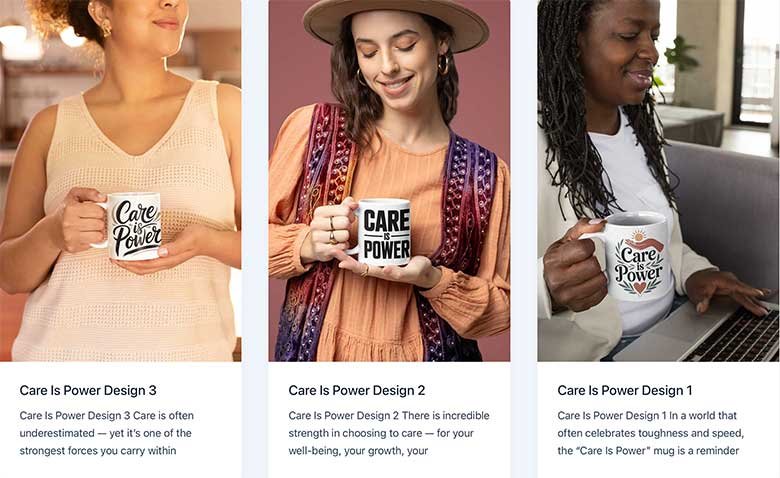
A Small Reminder to Use What You Have
Premier Print Works creates quality prints, mugs, and shirts for thoughtful, thrifty people. Find one for your home.
Visit Premier Print WorksStart with the pantry and freezer
Food is often the easiest place to start. Look for cans, grains, frozen items, and snacks that have been sitting for a while. Plan meals around them before buying more.
Getting creative can be fun. A can of beans, some rice, and frozen veggies can become a hearty bowl. A bag of oats can turn into breakfast for a week. You may also like building a grocery list from what you have.
Check dates and look for signs of spoilage. When in doubt about food safety, it is safer to throw it out.
Plan three meals using food you already have.
“The things you already own are often the easiest savings you will ever find.”
Finish bathroom and beauty products
Bathroom cabinets often hold extras. Shampoo, lotion, soap, and makeup can stack up fast. Using one at a time can stretch your supply for weeks or months.
Some products expire or change over time. Sunscreen, for example, usually has an expiration date and may not work as well after it. If something smells odd, changes color, or bothers your skin, it may be time to toss it.
Medicines are different. Expired medicines are best checked with a pharmacist, who can explain what is safe and how to dispose of them.
Line up bathroom products and use the oldest one first.

See Your Savings Add Up
The free Money Reset Workbook gives you a clear page to record every item you finish.
Get the Free WorkbookUse up cleaning supplies safely
Many homes have several half-used cleaning bottles. Finishing them one by one can save money and free up space.
Safety matters here. Never mix bleach with ammonia or vinegar, since the combination can make harmful fumes. Vinegar can also harm natural stone surfaces. Using one product at a time, and following the label, is a safer approach.
Keep cleaning products in their original containers, so the labels and safety information stay with them.
Choose one cleaning product to finish first, and read its label.
Use up paper, notebooks, and craft supplies
Drawers and shelves often hold notebooks with only a few pages used, pens, tape, and craft items from old projects. These can all be part of the challenge.
Kids may enjoy using leftover craft supplies for a fun project day. Half-used notebooks can become grocery lists, budgets, or doodle pads.
Finishing these small items can make the next purchase feel more thoughtful.
Gather leftover paper and craft supplies into one box.
Keep a simple use-it-up tracker
Tracking adds a sense of progress. Each time you finish an item, write it down. A list on the fridge or a note on your phone works well.
Some people also note what they would have spent on a new one. Here is an example with made-up numbers. If finishing a lotion, a shampoo, and a box of cereal means skipping purchases of 6, 5, and 4 dollars, that is 15 dollars not spent.
Watching the list grow can be a fun reminder of how much you already had.
Start a list of items you finish during the challenge.
Notice what you stop buying
One of the biggest benefits is learning about your habits. You may notice you buy more of certain things than you need, or that some items never get used.
Those insights can guide future shopping. You might buy fewer backups, skip trial sizes, or only buy when you are almost out. For related reading, see not replacing things you already own.
Over time, these small changes can add up to real savings.
Write down one item you plan to buy less of after the challenge.
Pass along what you will not use
Sometimes you find items you know you will never use. A scent you dislike, a gadget you never liked, or food your family will not eat. These do not have to sit on the shelf.
Unopened food may be welcome at a food bank. Unused toiletries may help a shelter. Friends or neighbors may want items you no longer need. Another place to look is decluttering without buying storage.
Passing things along keeps them useful and clears space for what you do use.
Set aside items you will not use and decide where they could go.
Explore Our Top Picks for a Better Life
We have gathered the tools, resources, and products we think are genuinely worth your time, covering mindset, self-care, health, and home. All in one place, hand-picked to support the goals you are working toward.
See Our Top PicksReal Stories, Real Results
Let me share two examples I like to use. Amara found seven half-used lotions in her bathroom. She decided not to buy any more until she finished them. It took almost four months. She told me that she was shocked by how much money she had been spending on things she already had.
Joel started with his pantry. He planned dinners around cans and grains that had been sitting for months. His grocery bill dropped for a few weeks, and he found recipes he loved. Both of them said the same thing: using what they had felt better than buying something new.
Your Shelves Can Hold Only What You Truly Use
Picture your pantry and bathroom a few months from now. There is space on the shelves, and every item has a purpose. You buy things only when you need them, and you know what you have at a glance. It feels calmer and lighter.
You could start with one shelf this week. Download the free Money Reset Workbook to track what you finish and what you save. Every empty bottle is a small win.
Want Ready-Made Tools to Help You Put This Into Action?
Sometimes the fastest way forward is a tool that someone has already built. Browse our hand-picked resources and downloads, chosen to help you take the next step with less guesswork.
Browse Resources and Downloads
Ready to Empty Your First Shelf?
The free Money Reset Workbook helps you see your spending clearly, so you buy only what you need.
Download Free Now
Celebrate a Lighter Home
Premier Print Works makes quality prints, mugs, and shirts for people who live with less clutter. Browse the collection today.
Visit Premier Print WorksDisclaimer
The content on this page is for informational and inspirational purposes only. It is not professional financial, investment, tax, legal, insurance, medical, or estate planning advice. The numbers in the example are made up to show how the math works. Please follow food safety guidelines, product labels, and manufacturer instructions. Never mix bleach with ammonia or vinegar. A pharmacist can explain questions about expired medicines. Prices vary and change. Results vary widely from person to person.
I am not a financial advisor, and I am not a licensed tax, legal, or investment professional. I share this information to help people learn about money and see new options. Please treat it as general information only, and talk with a qualified professional about your own situation before making financial decisions.
The stories of Amara and Joel are illustrative composite characters created to bring the content to life. They are not real people. Any resemblance to a real person is purely coincidental.
Some links on this page, including links to Premier Print Works and other resources, are affiliate links. If you make a purchase through one of these links, we may earn a small commission at no extra cost to you. We do not own, produce, or control any affiliate products, and we are not responsible for them — we only own and sell the products offered through our own store, Premier Print Works.
All content on A Self Help Hub is the property of Digital Marketing 215 LLC and is protected by copyright law. No part of this page may be copied, reproduced, republished, distributed, or transmitted in any form without prior written permission from the author.