10 Savings Myths That Keep People Overpaying
A lot of money habits are built on ideas that sound right but fall apart when you look closer. Bigger is cheaper. A sale is a win. Loyal customers get the best price. These beliefs feel like common sense, and they get passed from person to person.
Money saving myths can quietly lead to paying more, even for careful shoppers. The good news is that a little doubt goes a long way. Once you know which beliefs to question, it gets easier to pause, check a number, and choose with a clear head.
This guide looks at 10 common myths and the plain reality behind each one. It shares general information and ideas to think about, and it is not advice. Read through, notice which ones sound familiar, and take them one step at a time.

See Your Spending Clearly, Without the Myths
Download the free Money Reset Workbook and track what you actually pay, so sales and big packs never fool your budget.
Get the Free Workbook1. A bigger package can cost more per ounce than a smaller one
Many people reach for the largest box, trusting that it holds the better value. Often it does. But sometimes a smaller size, or two smaller packs, costs less per ounce. Stores set prices for many reasons, and the big size is not always the bargain.
The unit price on the shelf tag shows the cost per ounce, pound, or count. Here is an example with made-up numbers. A 32 ounce jar costs $6.40, which is $0.20 an ounce. A 16 ounce jar on sale costs $2.88, which is $0.18 an ounce. Two small jars would cost $5.76, less than the one big jar.
Compare the unit price of two sizes of one item on your next trip.
2. A sale price is still money spent
A sign that says 40 percent off can make spending feel like saving. If the item was not on your list, the sale still moves money out of your account. The amount you kept is only real if you would have bought the item anyway.
One way to think about it is to look at what you paid, not what you saved. A $50 jacket marked down from $80 still costs $50. If that fits your plan, great. If not, the sale was a nudge to spend. For related reading, see money habits for building wealth.
Look at your last sale purchase and ask if you would have bought it at full price.

A Reminder to Check the Real Price
Premier Print Works creates quality prints, mugs, and shirts for smart, curious shoppers. Find a small reminder to pause before you buy.
Visit Premier Print Works3. Bulk buying saves money only when you use it all
Buying in bulk can lower the cost per item. That savings disappears if food spoils, or if a giant bottle of lotion sits in the closet for years. Bulk works best for things you use often and that keep well.
Space matters too. A huge pack that clutters your home or gets lost behind other items may lead to buying more by mistake. Some people split bulk packs with a friend or neighbor, which can bring the price down while keeping amounts small.
Check one bulk item at home and see how much of it you have used so far.
“A deal is only a deal when the number in your account agrees.”
4. Free shipping often has a cost tucked in somewhere
Free shipping feels like a gift. Yet shipping always costs the seller something. Sometimes the cost is part of the item price. Other times, you are asked to spend a minimum amount to unlock it.
Adding a $12 item to reach a free shipping minimum, when shipping would have cost $6, means spending $6 more than you planned. If the item is something you wanted, it may be fine. If not, paying for shipping might be the cheaper choice.
The next time a free shipping minimum appears, compare the shipping fee with the extra item cost.
Write Down the Myths You Catch
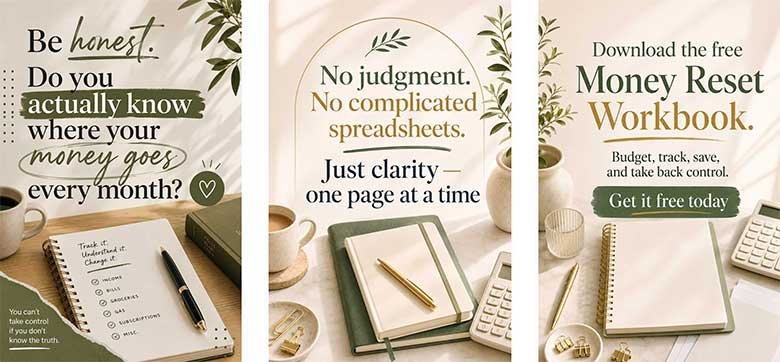
The free Money Reset Workbook gives you a clear page to note your spending and the deals that turned out to cost more.
Get the Free Workbook5. Reward points hold value only for things you would buy anyway
Points, stars, and cash back can feel like free money. They are a small slice of what you spent. Spending more to earn more points usually costs more than the points are worth.
Points also tend to lose meaning when they push you to one store over another that costs less. Some people treat rewards as a bonus on normal spending, never a reason to buy. You may also like money saving tips for building wealth.
Write down how many points you have and what they would buy you today.
6. The cheapest price up front can cost more over time
A low price feels like a win at the register. Some items, though, wear out fast and need to be replaced again and again. A pair of shoes that lasts one season may cost more over time than a sturdier pair that lasts three.
Cost per use is a simple way to think about it. Here is a made-up example. Boots that cost $40 and last 20 wears come to $2.00 per wear. Boots that cost $90 and last 90 wears come to $1.00 per wear. Both can be good choices, depending on how often you will use them and what your budget allows today.
Pick one item you replace often and estimate its cost per use.
7. Staying with one company for years does not always earn the lowest price
Many people believe long-time customers get the best deals. With phone plans, internet, and insurance, new customer offers are sometimes lower than what loyal customers pay. Prices can creep up a little at a time without much notice.
Looking at your current plan and comparing it with what is offered today can show if you are paying more than needed. A short call to ask about lower cost plans is often a normal thing to do. Policies and offers vary by company.
Look at one bill you have had for years and note what plan you are on.
8. Small daily costs can add up to as much as one big bill
Big bills get our attention. Small ones slip by. A snack here, a drink there, a delivery fee on one order. Each one feels harmless on its own.
Here is an example with made-up numbers. Spending $3 a day on small extras comes to $90 in a 30 day month. That is about the cost of a utility bill for some homes. Noticing small costs is about choice, not guilt. Many people keep the ones they love and drop the ones they hardly notice. Another place to look is saving money habits for more peace.
Track every small purchase under $10 for three days.
9. A higher price does not always mean higher quality
A price tag can shape what we think of a product before we try it. A pricey item feels better made. Sometimes it is. Other times, much of the price goes toward the name, the packaging, or the ads.
Store brands, plain versions, and simple tools often work just as well for daily use. Reading the label, comparing what is inside, and checking the warranty can help you judge quality on facts instead of price.
Choose one item you always buy as a name brand and compare its label with a store brand.
10. Comparing prices can take just a few minutes
Some people skip comparing because they think it will take hours. Often a quick look at two or three options is enough to spot a big gap. Many online stores and shelf tags make it simple.
Saving time is worth something, so it makes sense to compare where the gap could be large. Big purchases, items you buy often, and yearly bills tend to give the most back for a few minutes of looking. For related reading, see money saving ideas for growing your savings.
Set a five-minute timer and compare prices on one item you plan to buy.
Explore Our Top Picks for a Better Life
We have gathered the tools, resources, and products we think are genuinely worth your time, covering mindset, self-care, health, and home. All in one place, hand-picked to support clear, confident spending choices.
See Our Top PicksReal Stories, Real Results
Let me share two examples I like to use. Kezia always bought the biggest size of everything, sure she was saving money. One day she checked the unit prices on her usual cart. A few of her big packs cost more per ounce than the smaller ones, and some went bad before she used them. She told me that she felt a little silly at first, then proud that she had caught it.
Daniel had kept the same phone plan for many years, thinking loyalty paid off. He looked at his bill and saw it had crept up over time. He called and asked about lower cost plans. He said that the call took less time than he expected and the new monthly bill was lower. Both of them said the same thing: the ideas we never question are often the ones that cost us most.
Seeing Past the Myths Can Make Every Choice Feel Clearer
Picture yourself in the store, looking at a big sign that says SALE. You smile, check the unit price, and ask a simple question. Was this on my list? You decide with ease, and the choice feels like your own.
Choose one myth from this list to watch for this week. Download the free Money Reset Workbook to jot down what you notice. A little curiosity can keep more of your money where it belongs.
Want Ready-Made Tools to Help You Put This Into Action?
Sometimes the fastest way forward is a tool that someone has already built. Browse our hand-picked resources and downloads, chosen to help you take the next step with less guesswork.
Browse Resources and Downloads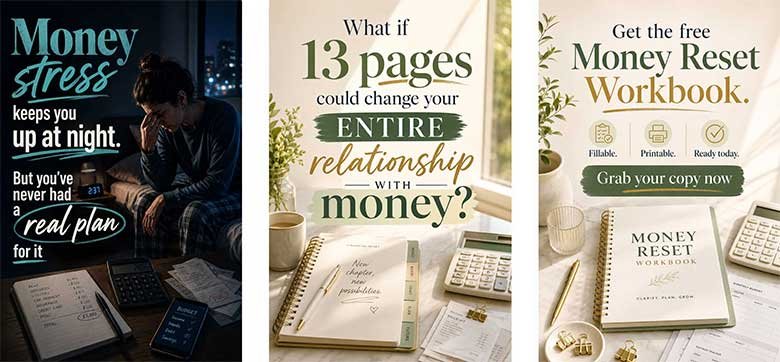
Ready to Stop Overpaying Without Feeling Deprived?
The free Money Reset Workbook helps you look at your real numbers, so every choice feels calm and clear.
Download Free Now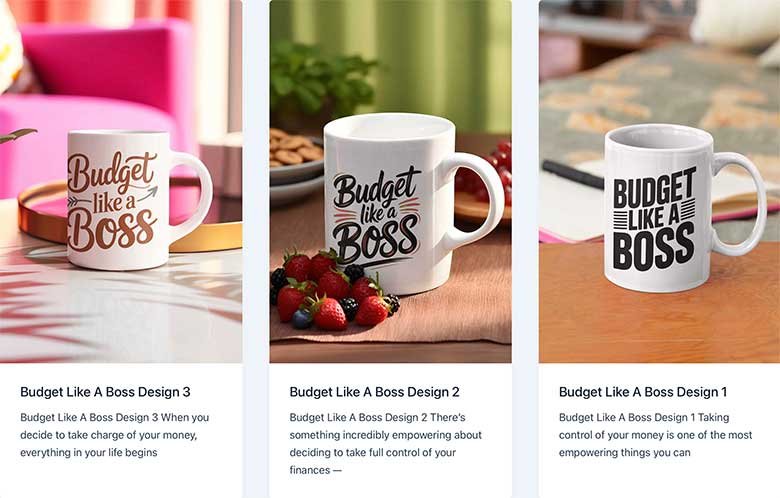
Bring Clear Thinking Into Your Home
Premier Print Works makes quality prints, mugs, and shirts for people who question the price tag. Browse the collection and find a favorite.
Visit Premier Print WorksDisclaimer
The content on this page is for informational and inspirational purposes only. It is not professional financial, investment, tax, legal, insurance, or estate planning advice. The numbers in the examples are made up to show how the math works and are not real prices. Prices, fees, and account terms vary and change, and offers, return rules, and store policies vary by store and company. Results vary widely from person to person. If money feels very tight, a nonprofit credit counselor or 2-1-1 (in the U.S.) may be able to point you to local help.
I am not a financial advisor, and I am not a licensed tax, legal, or investment professional. I share this information to help people learn about money and see new options. Please treat it as general information only, and talk with a qualified professional about your own situation before making financial decisions.
The stories of Kezia and Daniel are illustrative composite characters created to bring the content to life. They are not real people. Any resemblance to a real person is purely coincidental.
Some links on this page, including links to Premier Print Works and other resources, are affiliate links. If you make a purchase through one of these links, we may earn a small commission at no extra cost to you. We do not own, produce, or control any affiliate products, and we are not responsible for them — we only own and sell the products offered through our own store, Premier Print Works.
All content on A Self Help Hub is the property of Digital Marketing 215 LLC and is protected by copyright law. No part of this page may be copied, reproduced, republished, distributed, or transmitted in any form without prior written permission from the author.