13 Daily Routine Tips That Help You Build a More Productive Day
A more productive day is not built from more hours or more effort applied to the same undifferentiated schedule. It is built from the specific structure and sequencing of daily habits that protect the best attention for the most important work, prevent the reactive from consuming what the important requires, and build the consistent daily rhythm that sustained high-quality output actually depends on. The day that feels like it produced more in the same hours is the day that was structured to match the work to the energy and the attention available for it.
These 13 daily routine tips are built for that matching. They are not productivity optimization techniques that require elaborate tracking systems or dramatic lifestyle overhauls. They are the specific daily habits and structural choices that consistently produce a meaningfully more productive day from the same twenty-four hours that the unstructured day uses less effectively. Start with two or three. Build the routine from them. Let the productivity follow from the structure.

Free Download: The 9 Daily Habits Checklist
A more productive day is built from the right daily habits in the right sequence. The free 9 Daily Habits Checklist gives you nine proven daily practices that build the structure and consistency a genuinely more productive day requires. Download it free today.
Get the Free Habits Checklist1. Identify the single most important task of the day before it begins.
“A more productive day is not built from more hours. It is built from the structure and sequencing that protects the best attention for the most important work and prevents the reactive from consuming what the important requires.”
The most consistently high-impact daily routine practice available is the one that takes the fewest minutes and is most frequently skipped: identifying the single most important task the day should accomplish before any other work is opened. Not the most urgent. Not the longest list of things. The single task that, if accomplished, would make the day a genuine success regardless of what else happened or did not happen. Written down before the email is opened and before the reactive demands of the day have arrived to compete with it. The day organized around the single most important task produces more of what matters, consistently, than the day organized around responsiveness to whatever arrives most urgently. Name the task. Do it first.
2. Protect the first ninety minutes of the working day for deep, focused work.
The morning’s first ninety minutes, after sleep inertia has cleared and before the accumulated decisions and interactions of the day have depleted the attentional resources that focused work requires, is the highest-quality working time available to most people. The daily routine tip of protecting this window specifically for the work that requires the most sustained, uninterrupted cognitive attention, and relegating the email, the administrative tasks, and the reactive communications to after the focused work has been completed, produces a meaningfully different quality of daily output from the same total working hours. Do not begin the first ninety minutes with the inbox. Begin it with the most important task. Let the inbox and the reactive work have the hours that are left.
3. Remove the phone from the workspace during focused work blocks.
“The morning’s first ninety minutes is the highest-quality working time available. Protect it for the work that requires the most sustained cognitive attention. Do not begin it with the inbox. Let the reactive work have the hours that follow.”
The phone in the pocket or on the desk during a focused work block is not a neutral presence. It is a competing claim on the attention that requires ongoing willpower to resist, and the cognitive cost of resisting it, even when the phone is not actively used, measurably degrades the quality of the focused work being attempted in its presence. Research on smartphone presence and cognitive performance consistently shows that the phone on the desk produces lower performance than the phone in the bag, which produces lower performance than the phone in another room. Remove it from the physical workspace during the focused work. The focused work costs less and produces more when the primary competing claim on the attention has been removed rather than being continuously resisted.

Visit Premier Print Works
Keep the reminders of the more productive, more intentional daily life you are building visible in your workspace. Premier Print Works offers prints, mugs, and art for people who are building the daily structure and habits that produce genuinely more productive days and want their environment to support that work. Visit the shop today.
Visit Premier Print Works4. Batch similar tasks together in dedicated time blocks.
Context switching, the cognitive cost of moving from one type of work to a significantly different type, reduces the quality of both tasks and produces a level of mental fatigue that the same total work time spent on a single type of work does not. The daily routine tip of batching similar tasks together, doing all the email in two specific windows, all the creative work in a dedicated morning block, all the administrative tasks in an afternoon block, reduces the total switching cost and produces a depth of engagement within each block that the context-fragmented day cannot match. The batching is a scheduling decision made once, at the beginning of the week or the day, that produces a continuous productivity benefit every day it is applied without requiring any additional effort to maintain.
5. Use the end of the previous day to set up the next day’s beginning.
The five to ten minutes spent at the end of each working day preparing the beginning of the next one, opening the document for the next day’s most important task, writing the next day’s single priority, clearing the workspace of the previous day’s visual clutter, is among the most leverage-rich daily routine investments available. The morning that begins with the previous evening’s setup already done does not have to assemble itself before beginning. It begins. The activation energy of beginning the day’s most important work is reduced to nearly zero because the beginning has already been prepared. The prepared morning is consistently more productive in its first thirty minutes than the morning that spends those thirty minutes figuring out where to start.
6. Schedule the reactive work rather than allowing it to schedule the day.
“The five to ten minutes spent at the end of each day setting up the next one is among the most leverage-rich daily routine investments available. The prepared morning does not assemble itself. It begins. The difference in the first thirty minutes is consistently significant.”
The daily routine that has no designated time for email, messages, and reactive communications will have its entire structure consumed by them, because reactive communications are always present and always available to fill whatever space is left unprotected by deliberate scheduling. Designating two or three specific windows per day for the reactive work, and treating those windows as both adequate and sufficient for the communications that genuinely require response, protects the rest of the day for the work that the reactive would otherwise displace. The email that is checked three times a day at designated times is managed. The email that is checked every fifteen minutes manages the day. Schedule the reactive. Let the rest of the day belong to the important.
7. Take genuine breaks between focused work sessions.
Cognitive performance does not remain constant across extended periods of focused work. It declines, and the quality of the work produced in the second hour of uninterrupted focus is measurably lower than the quality produced in the first hour for most people. The Pomodoro technique, working in twenty-five-minute focused blocks followed by five-minute genuine breaks, and the longer break after four blocks, is effective not because it is a magic productivity formula but because it respects the attentional limits that extended focus places on cognitive performance and allows the recovery that restores those limits between sessions. The break is not the interruption of the productivity. It is the recovery that makes the next period of productivity possible at the same quality level as the previous one.
8. Protect the physical health practices that make the cognitive performance possible.
“The break is not the interruption of productivity. It is the recovery that makes the next period of productivity possible at the same quality level as the previous one. Skip the recovery and the productivity declines in proportion.”
Sleep, movement, and nutrition are not supplementary self-care practices. They are the physiological prerequisites for the cognitive performance that productive work requires. The sleep-deprived person has measurably lower impulse control, worse working memory, and reduced capacity for the kind of focused, sustained thinking that the most important work demands. The person who skips movement consistently produces work at a lower cognitive quality than the equivalent person with a regular physical practice. The person with the stable blood glucose of an adequate breakfast does better cognitively in the late morning than the person who is experiencing the spike-and-crash of a sugar-heavy or skipped breakfast. Protect the sleep. Maintain the movement. Fuel the work. These are not luxury habits. They are the infrastructure.
9. Use transition rituals between work modes to signal the shift to the self.
The transition between significantly different work modes, between focused creative work and the meetings, between the professional work and the home arrival, between the working state and the genuine rest state, is managed more effectively with a brief, consistent ritual that signals the transition than with the immediate shift that carries the previous mode’s mental and emotional content directly into the next one. The three-minute walk between the meeting and the next task. The specific action that closes the work day and signals the shift to home. The brief reset practice between the professional work and the personal evening. The ritual is not elaborate. It is the specific action that creates the cognitive and emotional boundary between modes, protecting the quality of each from contamination by the previous one.

Free Download: The Self-Care Starter Kit
A more productive day is built from the inside out. The free Self-Care Starter Kit gives you simple daily practices for your mind and body that build the inner foundation a genuinely more productive day requires. Download it free today.
Get the Free Self-Care Starter Kit10. Reduce the number of daily decisions to protect the decision-making quality for what matters.
“The transition ritual creates the cognitive and emotional boundary between work modes, protecting the quality of each from contamination by the previous one. Brief and consistent, it is the signal that the shift has happened.”
Decision fatigue, the documented decline in decision quality that follows a high volume of decisions regardless of their individual significance, is one of the most consistent performance limiters in the daily routine of people whose work requires high-quality decisions. The daily routine tip of reducing the volume of trivial daily decisions through routinization, planning, and automation, leaving the best decision-making capacity for the work and choices that genuinely require it, is the specific intervention that protects the decision quality at the points in the day where it matters most. The weekly meal plan that eliminates the daily dinner decision. The capsule wardrobe that eliminates the morning clothing decision. The batched administrative tasks that reduce the number of task-switching decisions. Each trivial decision eliminated is decision capacity preserved for what genuinely requires it.
11. Build in a midday reset to restore the afternoon’s energy and focus.
The midday slump, the decline in alertness and cognitive performance that most people experience in the early afternoon, is a physiological reality produced by the circadian rhythm and is not eliminated by caffeine. A deliberate midday reset, ten to twenty minutes of genuine physical movement, time outside, or even a brief rest if circumstances allow, produces a measurable restoration of the afternoon’s alertness and focus that the continued seated work through the slump does not. The twenty minutes invested in the midday reset produces more and better work in the three hours of the afternoon that follow it than the same twenty minutes of continued work through the low-energy period. The reset is not the luxury it can feel like. It is the investment in the afternoon’s performance quality.
12. End the working day at a consistent time and genuinely stop.
The productive day requires a genuine ending as much as it requires a genuine beginning. The work that never fully stops, the email checked at dinner, the task continued at ten at night, the work that bleeds into the personal time without a clean boundary, does not produce more total output than the work with a consistent ending time. Research on sustained performance consistently shows that genuine recovery after the working period produces higher next-day performance than the extended working period that substitutes for recovery. Set a consistent ending time. Close the work. Let the personal time be genuinely personal. The next day’s productivity is built in the recovery that the ending enables.
13. Review the day briefly and plan the next one before the working day closes.
“Genuine recovery after the working period produces higher next-day performance than the extended work that substitutes for the recovery. Set a consistent ending time. Close the work. The next day’s productivity is built in the recovery the ending enables.”
The five to ten-minute daily review, what was accomplished today, what was not, what the most important task for tomorrow is, and what one adjustment to the daily routine would produce the most improvement tomorrow, closes the productive day loop and opens the next day with a plan rather than a blank slate. The review is not an elaborate performance assessment. It is the brief, honest accounting of the day that makes the next one meaningfully informed by it rather than a fresh start from zero. The daily routine that ends with this brief review and begins with the prepared morning it produces is consistently more productive across the week than the routine that does neither. Five minutes. Same time. Every working day. Let the small daily accounting compound into the weekly, monthly, and yearly performance improvement it consistently produces over time.
How Joel and Kezia Each Found the Daily Routine Tip That Changed the Quality of Their Productive Days
Joel had been working long hours without the output volume those hours should have been producing, and the frustration of the discrepancy had led him to work even longer hours in search of the productivity that the extended hours were also not producing. A productivity coach he worked with briefly asked him to account for one week of actual work time: what was being done, when, and for how long. The accounting revealed a pattern Joel had not consciously recognized: the morning hours, which should have been the highest-quality working hours, were being systematically consumed by the email and the administrative tasks that were the first things opened each day. The creative and analytical work that required the best cognitive resources was being done in the afternoon when those resources had already been depleted by the morning’s reactive work. The coach’s recommendation was specific: protect the first ninety minutes for the most important task, every day, without exception, before the email was opened. The first week of the change produced more progress on the most important project than the previous two weeks of unstructured longer hours had generated. The work had not changed. The sequencing had. The productivity the hours were supposed to be producing had been available all along. It had just been misallocated to the wrong work at the wrong time.
Kezia’s routine tip was the end-of-day review and next-day setup. She had been starting each working day from a blank slate, assembling the day’s structure each morning from scratch, which was consuming twenty to thirty minutes of the morning’s best time in figuring out what the day was for rather than in doing what the day was for. She started spending ten minutes at the end of each working day writing the next day’s single priority, clearing the workspace, and opening the document for the next morning’s most important task. The first morning after the preparation produced a qualitatively different beginning: the day started in motion rather than in assembly. The twenty minutes that had been consumed by the assembly were available for the work the assembly had been delaying. She has done the ten-minute end-of-day setup since. The mornings have been consistently different. The daily productivity has been consistently better. The ten daily minutes of preparation produce consistently more than the twenty daily minutes of assembly they replaced.
The More Productive Day Is Built From the Structure That Protects the Best Work for the Best Hours and the Recovery That Makes the Best Hours Possible.
Productivity is not about doing more. It is about doing the right things in the right order with the right quality of attention, and building the daily structure that makes that matching consistently possible rather than occasionally accidental. These thirteen daily routine tips are thirteen different ways of building that structure: protecting the focused work, eliminating the competing attention claims, batching the reactive, recovering genuinely, preparing the next beginning, and ending with the brief review that makes tomorrow meaningfully informed by today.
Build two or three of these into the daily routine this week. Let them produce the difference. Add more when the first ones are reliable. The more productive day you want is not built from the willpower to do more. It is built from the structure that makes doing more of the right things the natural outcome of the daily routine. These tips are how that structure is built.

Free Download: The 9 Daily Habits Checklist
Let these daily routine tips be the reminder that a more productive day is built from the right daily habits in the right structure. The free 9 Daily Habits Checklist gives you nine daily practices that build the structure and consistency a genuinely more productive day requires. Download it free today.
Get the Free Habits ChecklistOur Top Picks for a Better Life
We have gathered our favorite tools, resources, and recommendations for people building more productive daily routines, developing the daily habits that support genuine output, and creating the structure that makes consistently excellent days genuinely possible. Everything we trust enough to share, all in one place.
See Our Top Picks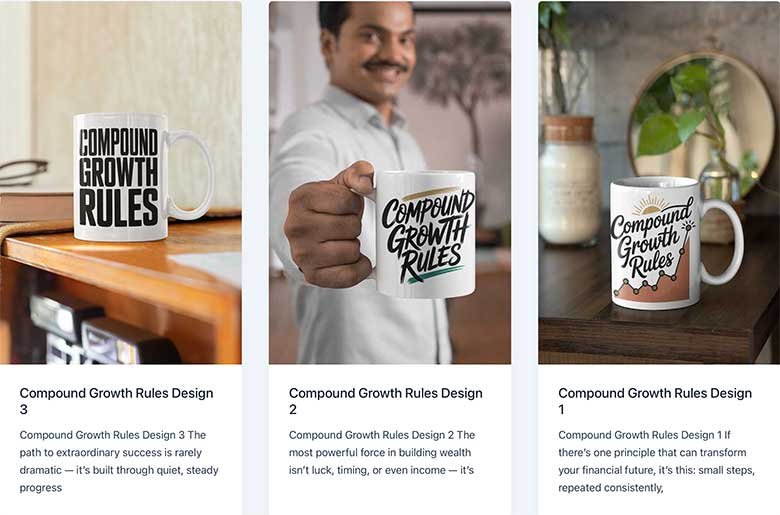
Productive Day Reminders at Premier Print Works
Keep the reminders of the more productive daily routine you are building visible in your workspace. Visit Premier Print Works for prints, mugs, and art for people who are building the daily structure and habits that make consistently more productive days the reliable, natural reality they are working toward.
Visit Premier Print WorksDisclaimer
The content on A Self Help Hub is for informational and inspirational purposes only. The daily routine tips and personal stories in this article offer general support for everyday productivity, personal development, and intentional living. They are not professional mental health advice, psychotherapy, medical advice, occupational therapy, or any form of clinical treatment.
If you are dealing with significant ADHD, depression, anxiety, burnout, or other conditions affecting your daily functioning and productivity, please speak with a qualified medical or mental health professional. General self-help content is not a substitute for professional care.
The stories and composite characters in this article, including Joel and Kezia, are illustrative. They are based on common experiences and created to make the content relatable. They are not real people. Any resemblance to a specific person is coincidental.
Some links on this site, including links to Premier Print Works, may be affiliate links. A Self Help Hub may earn a small commission at no extra cost to you. We only recommend things we genuinely believe in.
If you are in a mental health crisis or thinking about self-harm, please do not rely on this content for support. Contact emergency services or a crisis helpline right away. You deserve real help and it is available to you now.
All content on A Self Help Hub is copyrighted. You may not copy or republish it without written permission. By reading this article you agree to this disclaimer.