13 Habit Building Tips That Help You Create Long Term Growth
The long term growth that lasts is not built from the occasional dramatic effort, the intensive weekend retreat, the January surge of the motivated beginning, or the inspired commitment that burns brightly for the weeks before the daily life reclaims the hours the commitment was occupying. It is built from the specific, small, consistently practiced habits that compound invisibly across the months and the years until the person who began them and the person who has practiced them for a year are measurably different people: the growth is in the compounding, the compounding is in the consistency, and the consistency is most specifically built from the right habit building approach rather than the right motivation level.
These 13 habit building tips are the specific, honest, practical guidance for building the habits that create the long term growth rather than the short term burst that fades. Each tip addresses a specific dimension of the habit building that the consistent, long term practice most directly requires. They are not the tips for making the habits feel easy. They are the tips for making the habits most consistently maintainable through the full range of the daily conditions that the long term habit building most inevitably presents.

Free Download: The 9 Daily Habits Checklist
Creating long term growth starts with the right daily habits consistently practiced. The free 9 Daily Habits Checklist gives you nine proven daily practices that build the structure and consistency from which the long term growth these habit building tips are designed to produce grows most naturally. Download it free today.
Get the Free Habits Checklist1. Start with the habit that is almost embarrassingly small.
“The long term growth that lasts is built from the specific, small, consistently practiced habits that compound invisibly across the months and the years until the person who began them and the person who has practiced them for a year are measurably different people. The growth is in the compounding. The compounding is in the consistency.”
The most important habit building tip for the long term growth is the most consistently ignored one by the person who is most motivated to build the habit: start smaller than the motivation suggests is necessary. The motivation of the beginning produces the habit goal most commonly sized for the motivation of the beginning rather than the motivation of the Tuesday in month three when the novelty has fully faded and the daily life is fully reclaiming the time the habit requires. The two-minute version of the desired habit, the one page instead of the chapter, the two pushups instead of the twenty, the one-sentence journal entry instead of the full reflection, is the habit most consistently practiced through the full range of the daily conditions because it is most specifically sized for the lowest-motivation version of the daily conditions rather than the highest-motivation version of the first week. Start small. The long term growth is built from the small habit consistently practiced rather than the large habit consistently abandoned.
2. Attach the new habit to the existing daily anchor.
The habit stacking tip is the habit building technique that most directly reduces the remembering and the triggering burden of the new habit by attaching it to the existing daily anchor that most reliably occurs without the remembering: the existing daily habit, the morning coffee, the brushing of the teeth, the sitting down at the desk, the daily commute, serves as the specific, reliable trigger for the new habit attached to it. After the morning coffee, two minutes of the meditation. After the brushing of the teeth, one minute of the gratitude. The existing anchor provides the specific, reliable trigger that the new habit on its own most commonly lacks in the early weeks of the habit building before the habit has established its own internal trigger from the accumulated repetition. Stack the new habit on the existing anchor. The anchor’s reliability transfers to the stacked habit’s occurrence.
3. Design the environment to make the habit the path of least resistance.
“Attach the new habit to the existing daily anchor. The existing habit serves as the specific, reliable trigger the new habit most commonly lacks in the early weeks before the repetition has established the internal trigger. Stack the new habit on the existing anchor. The anchor’s reliability transfers to the stacked habit’s occurrence.”
The environment design tip is the habit building approach that most directly reduces the willpower requirement of the habit by making the habit the easiest available action in the immediate environment rather than the deliberate override of the easiest available action that the undesigned environment most commonly requires the habit to be: the book placed on the pillow rather than the phone charger, the gym shoes by the door rather than in the closet, the healthy food at eye level in the refrigerator rather than the convenient food that the hunger most quickly finds. The environment designed for the habit is the environment that most specifically and most reliably produces the habit without the daily willpower decision that the undesigned environment most consistently requires. Design the environment for the habit. The habit that requires no willpower to begin is the habit most consistently begun.

Visit Premier Print Works
Keep the reminders of the long term growth you are building visible in your daily space. Premier Print Works offers prints, mugs, and art for people who are building the daily habits that create long term growth and want their environment to reflect and reinforce the direction and commitment they are actively choosing. Visit the shop today.
Visit Premier Print Works4. Focus on the identity rather than only the outcome.
The identity-based habit tip is the habit building approach that most directly addresses the most consistent reason the outcome-focused habit building most commonly fails to produce the long term growth: the outcome-focused habit is practiced for as long as the motivation toward the outcome sustains it, which most commonly is for as long as the outcome feels close and recently re-motivating. The identity-focused habit is practiced from the specific, inner-directed motivation of the person who is becoming the specific kind of person rather than the person who is attempting to produce the specific outcome: the person who exercises daily is the person I am becoming, rather than the person who is losing twenty pounds. The identity motivation sustains the habit through the days when the outcome is distant because the identity is present in every repetition rather than waiting at the outcome. Build the habit from the identity. The long term growth is built from the person becoming rather than only the outcome approaching.
5. Track the habit visibly to build the streak that sustains the consistency.
The visible habit tracking tip is the habit building technique that most directly provides the behavioral reinforcement of the consistency that the long term growth most essentially requires: the physical or the digital habit tracker that makes the streak visible produces the specific, powerful motivation of the don’t-break-the-chain that the untracked habit most commonly lacks in the weeks after the initial motivation has faded and the consistency most requires the specific, available reinforcement that the visible streak most directly provides. The visible streak is the evidence of the consistency being built. The evidence of the consistency is the motivation for the continuing of the consistency. Track the habit visibly. The visible streak sustains the consistency that the long term growth is most specifically built from.
6. Plan specifically for the obstacles that will most predictably interrupt the habit.
The implementation intention tip is the habit building technique that most directly increases the habit’s consistency through the specific planning for the obstacles that will most predictably interrupt it: the if-then plan that specifically addresses the most predictable obstacle before the obstacle has arrived to interrupt the habit is the specific, available solution that the unplanned obstacle most commonly fails to produce in the moment of the obstacle’s arrival. If the morning meeting is scheduled before the morning habit’s time, then the habit will be practiced in the evening. If the travel disrupts the usual habit’s location, then the travel-compatible version of the habit will be practiced. Plan for the obstacles. The planned obstacle is the obstacle most consistently navigated without the habit interruption. The unplanned obstacle is the habit’s most reliable interrupter.
7. Make the habit immediately rewarding to build the neural pathway that makes the repetition more automatic.
“Plan specifically for the obstacles that will most predictably interrupt the habit before the obstacles have arrived to interrupt it. If the meeting is scheduled before the usual habit time, then the habit is practiced at the alternative time. The planned obstacle is the obstacle most consistently navigated without the habit interruption the unplanned version most reliably produces.”
The immediate reward tip is the habit building technique that most directly addresses the neurological challenge of the long term growth habit: the habit whose reward is the long term outcome most distant from the daily practice is the habit most dependent on the motivation to bridge the gap between the daily effort and the distant reward, while the habit whose practice is immediately followed by the specific, small, genuine reward is the habit most efficiently building the neural pathway that makes the repetition progressively more automatic. The immediate reward is not the undermining of the habit’s long term growth purpose. It is the specific, behavioral reinforcement that most efficiently bridges the gap between the daily effort and the distant outcome that the habit is building toward. Make the practice immediately rewarding. The neural pathway built from the immediate reward is the pathway that makes the long term consistency most neurologically accessible.
8. Focus on showing up rather than showing up perfectly.
The showing-up tip is the habit building approach that most directly addresses the most common cause of the long term habit failure: the perfectionism that treats the imperfect habit practice as the reason to stop rather than the normal, expected, entirely manageable feature of the long term habit building that the imperfect practice most accurately represents. The imperfect habit practice, the shortened workout, the skipped meditation that is compensated by two minutes rather than twenty, the reduced version of the full habit that is all the available day can support, is the specific, valuable habit practice that maintains the consistency the long term growth most essentially requires. The showing up imperfectly is the showing up that the long term habit most specifically requires the commitment to. Focus on showing up. The imperfect showing up is the showing up that the long term growth is most reliably built from across the years that the perfect-or-nothing approach most reliably prevents from accumulating.
9. Never miss twice.
The never-miss-twice tip is the habit building rule that most directly limits the damage of the inevitable miss that the long term habit building most inevitably produces: the missed day is the normal feature of the long term habit that the never-miss-twice rule converts from the beginning of the abandonment into the single blip that the return-on-the-next-available-day most directly prevents from becoming the pattern. The single miss does not break the habit. The second consecutive miss begins the pattern that the third consecutive miss most reliably continues into the abandonment. Never miss twice. Return to the habit on the next available day after the miss. The habit maintained across the long term is the habit from which the single miss is the regular, manageable, specifically non-catastrophic event that the return on the next day most specifically and most reliably keeps it.
10. Connect the daily habit to the long term vision it is most specifically building toward.
“Never miss twice. The single miss does not break the habit. The second consecutive miss begins the pattern the third consecutive miss most reliably continues into the abandonment. Return to the habit on the next available day after the miss. The habit maintained across the long term is the habit from which the single miss is the regular, manageable, non-catastrophic event the return most specifically prevents from becoming the pattern.”
The vision connection tip is the habit building approach that most directly sustains the long term motivation through the difficult stretches of the habit building where the daily effort is most available to the abandoning: the specific, daily renewed connection of the daily habit practice to the specific, long term vision it is most essentially building toward is the motivational resource most available in the difficult stretch when the daily effort is most visible and the long term outcome is most abstract. Connect the daily habit to the long term vision. The daily two minutes of the practice is the specific brick in the specific building. The building is the long term vision. The brick laid today is the long term vision’s most available present-moment expression. Connect them. The connection sustains the laying of the brick when the building is too far in the future to sustain the motivation from the visible absence of its completion.
11. Build the habits sequentially rather than simultaneously.
The sequential habit building tip is the most practically important habit building guidance for the person whose ambition for the long term growth exceeds the realistic habit adoption capacity of the beginning: the adding of the one new habit at a time, practiced until the consistency is established before the next habit is added to the building, produces the specific, sequential, solidly maintained habit stack that the simultaneous adding of the six habits at once most consistently fails to produce from the competing demands on the available willpower and the habit-adoption capacity that the simultaneous beginning most specifically exceeds. Build habits sequentially. One at a time. The habit stack built one solidly maintained habit at a time is the habit stack most reliably producing the long term growth from the sequential, consistently maintained building that the simultaneous attempt most commonly prevents from producing.
12. Measure the inputs rather than only the outcomes.
The input measurement tip is the habit building approach that most directly maintains the motivation through the periods of the long term growth when the outcomes are least visible from the consistent daily effort: the habit is the input. The outcome is the downstream product of the consistently maintained input. The measuring of whether the input was applied today, the habit practiced or not, is the specific, available, daily measurement that the long term growth most essentially provides the feedback mechanism for regardless of whether the outcome measurement is yet showing the result that the input is most specifically building toward. Measure the inputs. The outcome follows the input over time. The input measurement sustains the practice through the time the outcome measurement is most discouraging from the invisible compounding that the input is most reliably building toward.
13. Review and adjust the habit system regularly from the actual practice rather than the intended practice.
The regular habit review tip closes the list with the habit building practice that most directly ensures the habit system remains the one most specifically producing the long term growth it was designed for: the weekly or the monthly review of the habit system’s actual practice against the intended practice reveals the specific habits most consistently missed, the specific obstacles most frequently encountered, and the specific adjustments most directly available to increase the consistency that the review most specifically enables. Review the habit system regularly. Adjust from the actual. The long term growth is most efficiently built from the habit system most specifically optimized from the honest, regular review of what the actual practice has been producing rather than the continued application of the intended practice that the actual has been departing from without the adjustment the review most directly enables.
How Joel and Kezia Each Found the Habit Building Tip That Most Directly Converted the Short Term Burst Into the Long Term Growth That the Right Approach Most Specifically Produced
Joel had been in the specific habit building pattern most common in the person whose motivation-based approach to the habit building most consistently produced the January burst and the February fade: the habits sized for the January motivation level were the habits most specifically inadequate for the February motivation level, and the February motivation level’s encounter with the January-sized habit most reliably produced the specific, all-or-nothing conclusion that the habit was too difficult to maintain and the abandonment was the most available response to the difficulty. The habit building tip that most directly changed the pattern was the start-small tip. The deliberate, specific decision to reduce the target habit to the almost-embarrassingly-small version, the two-minute meditation instead of the twenty-minute, the one page instead of the chapter, the single pushup instead of the set, produced the specific quality of the always-achievable habit that the Tuesday-in-month-three motivation level could most specifically support without the abandonment that the January-sized version was most reliably producing at the same Tuesday-in-month-three motivation level. The habits that started small in January are the habits still maintained in the following December. The long term growth is visible from the December position. The start-small tip was the entire difference between the January burst and the December growth.
Kezia’s habit building tip was the never-miss-twice rule. She had been in the specific habit abandonment pattern most common in the person whose perfectionism converts the single missed day into the beginning of the abandonment: the missed day was most consistently producing the I’ve-already-broken-the-streak conclusion that the perfectionism was most specifically converting from the recoverable blip into the complete restart that most commonly occurred weeks later from the significant motivation rebuild required to begin again from the abandoned position. The never-miss-twice rule, the specific, simple commitment to returning to the habit on the next available day after the miss, converted the missed day from the beginning of the abandonment into the specific, recoverable blip that the next day’s return most directly prevented from becoming the pattern. The habits have been missed. The never-miss-twice rule has been applied. The misses have not become the abandonments they were most reliably becoming before the rule converted the inevitable miss from the beginning of the ending into the specific, manageable, single blip the return most specifically and most reliably keeps it.
The Long Term Growth These 13 Habit Building Tips Are Creating Is the Specific, Compounded, Measurable Difference Between the Person Who Began the Habits and the Person Who Has Practiced Them for a Year From the Consistent Approach These Tips Most Directly Build.
Creating long term growth through habits is built from the specific, practical, long-term-oriented habit building approach that these thirteen tips most directly describe: starting small enough to be always achievable, stacking the new habit on the existing anchor, designing the environment to make the habit the easiest path, building from the identity rather than only the outcome, tracking visibly to build the sustaining streak, planning for the predictable obstacles, making the practice immediately rewarding, focusing on showing up rather than showing up perfectly, never missing twice, connecting the daily habit to the long term vision, building habits sequentially rather than simultaneously, measuring the inputs rather than only the outcomes, and reviewing and adjusting the system regularly from the actual practice. These thirteen tips are the honest, practical, long-term-growth-oriented building practices for the habit that the long term growth most essentially requires.
Choose the two or three habit building tips from this list that most specifically address the current habit building approach’s most consistent failure points. Apply them to the next habit being built. Let the approach change the consistency. Let the consistency change the compounding. Let the compounding produce the long term growth that the right habit building approach is most specifically and most reliably capable of building from the daily practice that the approach most directly sustains.

Free Download: The 9 Daily Habits Checklist
Let these habit building tips be the reminder that creating long term growth starts with the right daily habits consistently practiced from the right approach. The free 9 Daily Habits Checklist gives you nine proven daily practices that build the structure and consistency the long term growth requires. Download it free today.
Get the Free Habits ChecklistOur Top Picks for a Better Life
We have gathered our favorite tools, resources, and recommendations for people building the long term growth habits, developing the specific habit building approach that most directly produces the consistent, compounding, measurably different long term person from the starting-point one, and creating the daily habit system from which the long term growth most naturally and most sustainably grows from the right approach applied most consistently. Everything we trust enough to share, all in one place.
See Our Top Picks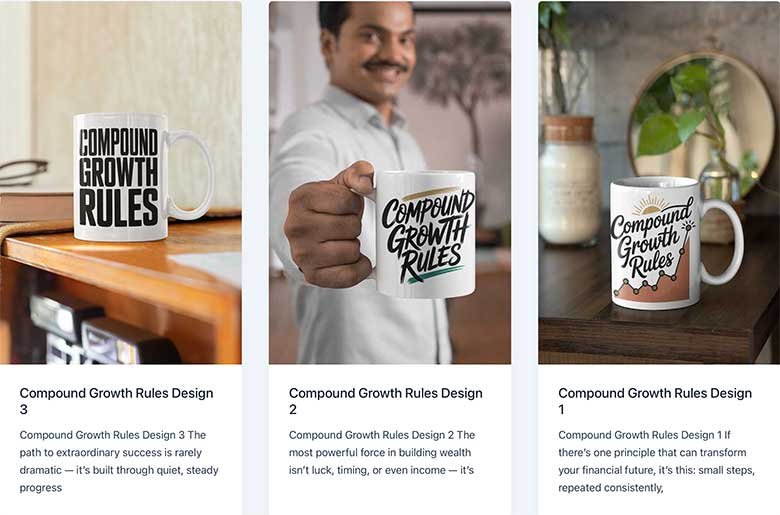
Long Term Growth at Premier Print Works
Keep the reminders of the long term growth you are building visible in your daily space. Visit Premier Print Works for prints, mugs, and art for people who are building the daily habits that create long term growth and want their environment to reflect and reinforce the direction and commitment they are actively choosing every day.
Visit Premier Print WorksDisclaimer
The content on A Self Help Hub is for informational and inspirational purposes only. The habit building tips and personal stories in this article offer general support for everyday personal development, habit formation, and intentional living. They are not professional mental health advice, psychotherapy, medical advice, or any form of clinical treatment.
If you are dealing with significant depression, anxiety, or other conditions affecting your daily motivation and ability to build and maintain healthy habits, please speak with a qualified mental health professional. General self-help content is not a substitute for professional care.
The stories and composite characters in this article, including Joel and Kezia, are illustrative. They are based on common experiences and created to make the content relatable. They are not real people. Any resemblance to a specific person is coincidental.
Some links on this site, including links to Premier Print Works, may be affiliate links. A Self Help Hub may earn a small commission at no extra cost to you. We only recommend things we genuinely believe in.
If you are in a mental health crisis or thinking about self-harm, please do not rely on this content for support. Contact emergency services or a crisis helpline right away. You deserve real help and it is available to you now.
All content on A Self Help Hub is copyrighted. You may not copy or republish it without written permission. By reading this article you agree to this disclaimer.