11 Personal Finance Habits That Help You Create Financial Freedom
Financial freedom is not the destination you arrive at suddenly when the winning lottery ticket arrives or the inheritance clears or the right investment finally pays off at the right time. It is the specific, accumulated product of the personal finance habits practiced consistently enough across the years to compound the income, reduce the obligation, build the assets, and progressively widen the gap between what the life costs and what the assets produce until the life no longer requires the job to run it. The financial freedom most people want is the freedom from the financial constraint rather than the freedom from all work, and the personal finance habits that build toward it are the specific, daily, structural practices that most reliably produce the gap-widening across the decades of the consistent application.
These 11 personal finance habits are the specific, honest, practical guidance for building toward the financial freedom from the current position. Each one addresses a specific dimension of the financial picture that the consistent habit most directly improves. They are not the get-rich-quick approach. They are the get-financially-free-eventually approach that the consistent long-term practice most reliably produces from the ordinary income and the disciplined habit that the financial freedom most essentially requires.

Free Download: The Money Reset Workbook
Building toward financial freedom starts with the right financial framework. The free Money Reset Workbook gives you the budget template, savings tracker, and financial reset framework that these personal finance habits are most directly designed to work within. Download it free today.
Get the Free Money Reset Workbook1. Live consistently below the means to widen the gap between income and expense.
“Financial freedom is the specific, accumulated product of the personal finance habits practiced consistently enough across the years to compound the income, reduce the obligation, build the assets, and progressively widen the gap between what the life costs and what the assets produce until the life no longer requires the job to run it.”
The below-the-means living habit is the foundational personal finance habit for the financial freedom because the gap between the income and the expense is the only raw material from which the financial freedom can be built: no investment strategy, no tax optimization, and no income growth produces the financial freedom from the zero-gap starting point where the spending matches the income regardless of the income level. The below-the-means life is the specific, chosen lifestyle that is consistently maintained at a level meaningfully below the available income, producing the specific, consistent monthly surplus that the saving and the investing convert into the growing asset base from which the financial freedom is most specifically built. Live below the means. The gap is the building material. The habit produces the gap.
2. Automate the investing in the diversified, low-cost index funds before the spending can claim the surplus.
The automated index fund investing habit is the personal finance habit that most directly converts the below-the-means gap into the growing asset base that the financial freedom is most specifically built from: the specific, standing instruction to invest the predetermined amount in the diversified, low-cost index funds on the day of the paycheck, before the checking account balance reflects the available-for-spending amount, is the structural practice that most reliably converts the monthly surplus into the long-term compounding asset base without the daily willpower decision or the market-timing temptation that the manual investing most commonly produces. Automate the index fund investing. The financial freedom is built from the automated, consistent, long-term compounding that the structural habit most reliably produces from the manual, inconsistent, timing-dependent alternative.
3. Eliminate the consumer debt that is draining the wealth-building capacity.
“Automate the investing in diversified, low-cost index funds before the spending can claim the surplus. The structural practice converts the monthly surplus into the long-term compounding asset base without the daily willpower decision or the market-timing temptation the manual investing most commonly produces. Automate it. The financial freedom is built from the consistent long-term compounding the automation most reliably produces.”
The consumer debt elimination habit is the personal finance habit that most directly addresses the most significant available drag on the financial freedom building: the consumer debt carrying the high interest rate that is compounding against the wealth in the direction opposite to the investment that is compounding for the wealth, most reliably at a rate that exceeds the available investment return and makes the debt elimination the most reliably high-return available financial action for the person with the significant consumer debt balance. Eliminate the consumer debt aggressively. The debt eliminated is the interest rate guaranteed return that the investment most reliably fails to match from the capital deployed in the investment rather than the debt elimination. The financial freedom building most specifically accelerates from the debt-free position.
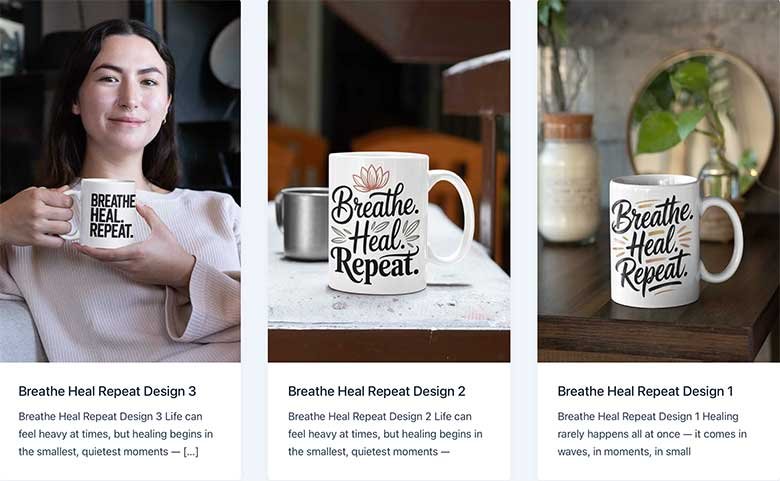
Visit Premier Print Works
Keep the reminders of the financial freedom you are building visible in your daily space. Premier Print Works offers prints, mugs, and art for people who are building toward financial freedom through the right consistent personal finance habits and want their environment to reflect and reinforce the direction and intention they are actively choosing. Visit the shop today.
Visit Premier Print Works4. Maximize the tax-advantaged account contributions before the taxable investing.
The tax-advantaged account maximization habit is the personal finance habit that most directly reduces the tax drag on the wealth building that the financial freedom most essentially requires the accumulation of: the employer-sponsored retirement account, the individual retirement account, and the health savings account each provide the specific, substantial tax advantage that the consistent, maximum contribution to them most directly compounds into the larger wealth accumulation than the equivalent dollar invested in the taxable account would produce over the equivalent period. Maximize the tax-advantaged account contributions before the taxable investing. The tax-advantaged compounding is the financial freedom building’s most reliably superior version of the taxable compounding that the habit most specifically and most permanently improves.
5. Build the robust emergency fund that protects the investment portfolio from the forced liquidation.
The robust emergency fund habit is the personal finance habit that most directly protects the financial freedom building from its most consistent available disruption: the unexpected financial emergency that forces the liquidation of the investment portfolio at the worst available timing, resetting the compounding from the reduced principal at the market value the forced-sale timing most commonly produces. The six-to-twelve month emergency fund, the specific amount in the accessible, cash-equivalent savings that covers six to twelve months of the full living expenses, is the specific financial buffer that prevents the unexpected from forcing the portfolio liquidation that most disrupts the long-term compounding the financial freedom is being built from. Build the robust emergency fund. The financial freedom building is most securely built on the emergency fund that prevents the most common available disruption of the compounding it is most essentially producing.
6. Continuously develop the high-income skills that increase the income the habits are building freedom from.
The high-income skill development habit is the personal finance habit that addresses the income side of the financial freedom building equation alongside the expense and the saving habits that most commonly receive the majority of the personal finance guidance: the higher income, all else held equal, produces the larger monthly surplus that the saving and the investing habits convert into the larger monthly asset accumulation that the financial freedom requires. The continuous development of the high-income skills, the specific, marketable capabilities that the professional market most consistently compensates at the above-average rate, produces the income growth that the expense-management habits convert into the accelerated financial freedom building from the larger surplus the higher income most specifically provides. Develop the high-income skills. The financial freedom is built faster from the higher income that the skill development most reliably produces alongside the below-the-means living that prevents the higher income from producing the higher lifestyle rather than the higher surplus.
7. Avoid the lifestyle inflation that consumes the income growth before the financial freedom can accumulate it.
“Continuously develop the high-income skills that increase the income the habits are building freedom from. The financial freedom is built faster from the higher income the skill development most reliably produces alongside the below-the-means living that prevents the higher income from producing the higher lifestyle rather than the higher surplus the financial freedom building most essentially requires.”
The lifestyle inflation avoidance habit is the personal finance habit most specifically linked to the high-income skill development habit: the income growth that the skill development produces is the financial freedom building resource only if the lifestyle inflation does not consume the income growth before the saving and the investing can claim it. Maintain the current lifestyle when the income increases. Direct the additional income to the saving and the investing. The financial freedom building accelerates from every income increase that the lifestyle inflation avoidance makes available for the asset accumulation rather than the lifestyle expansion. The financial freedom is built from the widened gap. The lifestyle inflation is the gap’s most consistent narrower. Avoid the inflation. Widen the gap. Build the freedom.
8. Educate yourself continuously in the personal finance domain that most directly determines the financial freedom’s timeline.
The continuous personal finance education habit is the personal finance habit that most directly prevents the most significant available financial freedom destroyer: the uninformed financial decision made from the default option that most commonly serves the financial product seller rather than the financial product buyer. The person who continuously educates in the personal finance domain most directly relevant to the financial freedom building, the tax-advantaged account options, the index fund investing principles, the debt elimination strategies, the estate planning basics, and the insurance optimization, is the person most capable of the informed financial decision that most specifically advances the financial freedom building rather than the uninformed financial decision that most commonly delays it. Educate continuously. The financial freedom is built most efficiently from the informed decisions the continuous personal finance education most directly enables.
9. Protect the wealth with the appropriate insurance that prevents the catastrophic loss.
The appropriate insurance habit is the personal finance habit that most directly protects the financial freedom building from the catastrophic financial loss that the uninsured or the underinsured risk most commonly produces: the medical emergency without the adequate health insurance, the disability without the adequate disability insurance, the property loss without the adequate property and casualty insurance, and the premature death without the adequate life insurance each represent the specific, catastrophic financial event that the appropriate insurance most directly prevents from resetting the financial freedom building to the before the catastrophe position. Maintain the appropriate insurance coverage. The financial freedom building is most securely built on the adequate insurance protection that prevents the catastrophic event from resetting the building it is most essentially protecting.
10. Review and optimize the financial plan annually rather than setting it and forgetting it.
“Maintain the appropriate insurance coverage. The financial freedom building is most securely built on the adequate insurance protection that prevents the catastrophic financial event from resetting the building the insurance is most essentially protecting. The uninsured catastrophic event is the financial freedom building’s most reliably available resetter.”
The annual financial plan review habit is the personal finance habit that most directly ensures the financial freedom building remains aligned with the financial position, the life circumstances, and the financial freedom timeline as all three evolve across the years of the building: the investment allocation that was appropriate at the beginning of the financial freedom building may be the allocation most requiring the optimization at the midpoint of it, and the tax strategy that was optimal at the earlier income level may be the strategy most requiring the revision at the higher income level that the high-income skill development has produced. Review the financial plan annually. The financial freedom is most efficiently built from the annually optimized financial plan rather than the initial plan that the life’s evolution has most specifically outgrown without the annual review that would most directly have addressed the outgrowing.
11. Define the specific financial freedom target that makes the building most purposeful and most measurable.
The financial freedom target definition habit closes the list with the personal finance habit that most foundationally determines the effectiveness of all ten of the others: the specific, honest, personally relevant definition of what the financial freedom most essentially means for the specific person pursuing it, translated into the specific, measurable financial target that the habits are most specifically building toward. The financial freedom without the specific target is the building without the destination: the habits are practiced, the saving and the investing accumulate, but the knowing of how much is enough requires the specific, honest answer to the specific, honest question of what the financial freedom most specifically looks like for the life it is being built for. Define the target. The habits build most purposefully toward the specifically defined target that the honest answering of the what-is-enough question most specifically produces.
How Kezia and Daniel Each Found the Personal Finance Habits That Most Directly Advanced the Financial Freedom Building That the General Financial Management Had Been Most Consistently Failing to Move Toward
Kezia had been managing the personal finances competently without the specific, deliberate orientation toward the financial freedom that the financial management without the explicit financial freedom goal most consistently produces: the bills paid on time, the credit card carried a modest balance that was paid off most months but not all, the retirement account receiving the minimum contribution that the employer match required, and the financial position stable but stationary in a way that the honest ten-year projection of the same approach most specifically confirmed would not produce the financial freedom the stability had been most consistently assumed to be building toward. The two personal finance habits that changed the trajectory from the stable-but-stationary to the specifically freedom-directed were the financial freedom target definition and the tax-advantaged account maximization. The honest definition of the specific financial freedom target produced the specific, measurable goal that the retirement account optimization was most specifically capable of advancing, and the maximization of the tax-advantaged contributions from the minimum-match level to the annual-limit level produced the specific, substantial acceleration in the asset accumulation that the ten-year projection confirmed was most directly building toward the specifically defined financial freedom target. The trajectory has changed. The habits were the change. The target and the maximization are the habits most specifically producing the building toward the target.
Daniel’s personal finance habits were the lifestyle inflation avoidance and the automated index fund investing. He had been receiving the consistent annual income increases from the professional advancement without the consistent building of the asset base that the income growth should theoretically have been producing: the lifestyle that had expanded proportionally to each income increase was consuming each additional income dollar in the expanded lifestyle before the saving and the investing had the opportunity to claim the additional income dollar for the financial freedom building that the expanding lifestyle was most consistently preventing from occurring. The lifestyle inflation avoidance habit, the specific decision to maintain the current lifestyle at the next income increase and direct the additional income entirely to the automated index fund investment, produced the specific, measurable financial freedom building from the additional income that the lifestyle inflation had been consuming without the asset accumulation that the automation was now most reliably converting it into. The lifestyle has not contracted. The lifestyle has simply not expanded with the income at the rate that the lifestyle inflation was previously consuming it. The financial freedom target is now visible from the trajectory the two habits are most specifically producing from the income that the skill development has grown and the lifestyle inflation avoidance is most consistently making available for the automated investing to compound toward.
The Financial Freedom These 11 Personal Finance Habits Are Building Is the Specific, Accumulated Product of the Habits Practiced Consistently Enough to Widen the Gap, Eliminate the Obligation, Build the Assets, and Progressively Free the Life From the Financial Constraint the Habits Are Most Specifically and Most Reliably Reducing.
Creating financial freedom is built from the specific, consistent personal finance habits that most directly widen the gap, reduce the obligation, and build the assets: the below-the-means living that produces the gap, the automated index fund investing that converts the gap into the compounding asset base, the consumer debt elimination that removes the highest available drag on the wealth building, the tax-advantaged account maximization that reduces the tax drag on the compounding, the robust emergency fund that protects the portfolio from the forced liquidation, the high-income skill development that grows the income the habits are building freedom from, the lifestyle inflation avoidance that keeps the income growth available for the asset accumulation, the continuous financial education that enables the informed decisions, the appropriate insurance that prevents the catastrophic reset, the annual plan review that keeps the building optimally aligned, and the specific financial freedom target that makes the building most purposeful. These eleven habits are the honest, practical, long-term building practices for the financial freedom the consistent habit most reliably produces. The information in this article is for general educational purposes only and is not personalized financial or investment advice.
Choose the two or three habits from this list that most specifically address the current financial position’s most limiting gap between the current financial life and the financial freedom it is most specifically building toward. Apply them consistently. Give the compounding the time the consistency provides. The financial freedom is being built from the habits practiced today. The building is in the habit. The habit is available right now.

Free Download: The Money Reset Workbook
Let these personal finance habits be the motivation to build the financial framework that makes the consistent financial freedom building most specifically and most sustainably possible. The free Money Reset Workbook gives you the budget template, savings tracker, and financial reset framework to build that foundation today. Download it free today.
Get the Free Money Reset WorkbookOur Top Picks for a Better Life
We have gathered our favorite tools, resources, and recommendations for people building toward financial freedom through the right consistent personal finance habits, developing the specific financial practices that most reliably widen the gap and build the assets, and creating the financial foundation from which the specifically defined financial freedom most naturally and most sustainably grows from the habits that are most consistently producing it. Everything we trust enough to share, all in one place.
See Our Top Picks
Financial Freedom at Premier Print Works
Keep the reminders of the financial freedom you are building visible in your daily space. Visit Premier Print Works for prints, mugs, and art for people who are building toward financial freedom through the right consistent personal finance habits and want their environment to reflect and reinforce the direction and intention they are actively choosing every day.
Visit Premier Print WorksDisclaimer
The content on A Self Help Hub is for informational and educational purposes only. The personal finance habits and personal stories in this article offer general guidance for everyday money management, wealth building, and financial planning. They are not professional financial advice, investment advice, tax advice, legal advice, insurance advice, or any form of regulated professional financial counsel.
Financial freedom timelines, investment returns, and wealth-building outcomes vary significantly based on individual circumstances, income, expenses, debt levels, market conditions, tax situation, geographic location, and many other factors. Nothing in this article constitutes a guarantee of financial outcomes, investment returns, or the achievement of financial freedom by any specific date or at any specific level. Before making significant financial, investment, insurance, or tax decisions, please consult with a qualified financial advisor, tax professional, insurance professional, or other licensed professional who can assess your specific situation.
The stories and composite characters in this article, including Kezia and Daniel, are illustrative. They are based on common experiences and created to make the content relatable. They are not real people. Any resemblance to a specific person is coincidental.
Some links on this site, including links to Premier Print Works, may be affiliate links. A Self Help Hub may earn a small commission at no extra cost to you. We only recommend things we genuinely believe in.
If you are in a mental health crisis or thinking about self-harm, please do not rely on this content for support. Contact emergency services or a crisis helpline right away. You deserve real help and it is available to you now.
All content on A Self Help Hub is copyrighted. You may not copy or republish it without written permission. By reading this article you agree to this disclaimer.