15 Cash Envelope Categories That Can Help Control Spending
Some spending is steady and easy to predict. Other spending slips out a few dollars at a time, and by the end of the month it is hard to say where it went. That second kind is where envelopes tend to shine.
Choosing your cash envelope categories is one of the first real decisions in an envelope budget. The right mix depends on your life. A parent of three will likely need different envelopes than a single person who works from home. Looking at a long list of options can make it easier to spot the ones that fit you.
This guide shares general ideas to consider, and it is not advice. Below are fifteen categories many people use, with a few notes on each. You might pick three to start and add more later. Read through, notice what sounds like you, and go one step at a time.

Choose Your Envelope Categories on Paper
Download the free Money Reset Workbook and get simple pages to list your categories and set a first amount for each.
Get the Free Workbook1. Groceries, the envelope many people start with
Food at home is a big, frequent cost for most households. It is also easy to overspend, one extra item at a time. A grocery envelope puts a clear limit on each trip, so you can see how much is left for the rest of the month.
Some people split this envelope by week so the first big trip does not eat it all. For related reading, see grocery shopping with a fixed budget.
Look up last month’s grocery total as a starting point for this envelope.
2. Gas and other driving costs
Fuel is a cost many people pay in person, which makes it a natural fit for cash. Some stations price cash and card differently, so paying with cash can sometimes cost a little less. It varies by station.
A gas envelope also makes it easy to notice extra trips. When it gets low, people often start grouping errands. You may also like lowering gas spending.
Add up a month of fuel receipts to set a first gas amount.
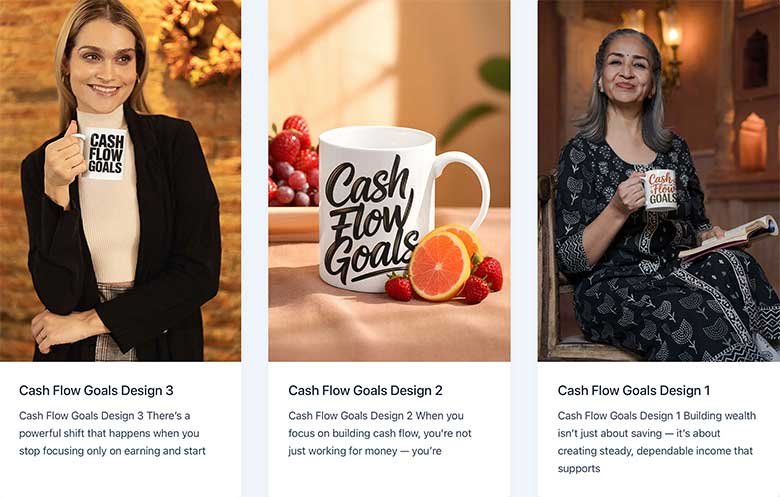
A Little Reminder for Your Budget Space
Premier Print Works creates quality prints, mugs, and shirts for people who plan with care. Find something that makes you smile.
Visit Premier Print Works3. Eating out and takeout
Restaurant meals and delivery orders can add up faster than almost anything else. They also tend to happen on tired days, when a plan feels far away. A separate envelope lets you enjoy them without the guilt.
When this envelope is empty, it is a gentle signal to cook at home until the next refill. Many people find they enjoy the meals out more once they are planned.
Decide how many meals out a month feels right, and price them out.
“The right envelopes are the ones that match the life you really live.”
4. Coffee, snacks, and small treats
A coffee here and a snack there may feel too small to track. Yet small, daily buys can quietly become one of the larger lines in a budget. A treat envelope keeps them visible.
This envelope is meant to keep the joy in, and not to take it away. Knowing you have, say, a set amount each week can make every treat feel chosen.
Count how many small treats you bought last week.

Keep All Your Categories in One View
The free Money Reset Workbook gives you a clear page to see every envelope and its amount at a glance.
Get the Free Workbook5. Household supplies
Paper towels, dish soap, trash bags, light bulbs, and cleaning items all fall here. These are needs, yet they are easy to overbuy when they sit next to tempting extras in a big store.
Some people buy these items on a separate trip with their own envelope. That way grocery money stays for food, and the household envelope covers the basics.
List the household items you buy most often.
6. Personal care and grooming
Shampoo, soap, razors, toothpaste, and haircuts belong in this envelope. Some people also include makeup and simple beauty items. Costs can swing a lot from month to month, so it can help to average a few months.
If a haircut only comes every six weeks, you might set aside a little each month so the money is ready when the appointment arrives.
Write down your personal care items and how often you replace them.
7. Clothing and shoes
Clothes are often bought in bursts, like a new season or a growth spurt. A small monthly amount in a clothing envelope can smooth those bursts out. It can also make a sale feel less urgent when you know your limit ahead of time.
Families with growing kids sometimes keep a separate envelope for them. For related reading, see saving on kids clothes as they grow.
Estimate what your household spends on clothing in a typical year, then divide by twelve.
8. Entertainment and fun
Movies, games, concerts, and day trips all fit here. Fun money is part of a healthy budget. Without it, many people feel deprived and give up on the plan.
A clear fun envelope lets you say yes without worry, as long as cash is left. When it runs out, free fun like parks and library events can fill the gap.
Pick a fun amount that feels kind and realistic.
9. Gifts and celebrations
Birthdays, weddings, baby showers, and holidays tend to sneak up. A gift envelope that gets a little each month can keep those moments from straining the budget.
Some people list every birthday and holiday they shop for, add up a rough total, and divide by twelve. That gives a steady monthly amount.
Make a list of the people you usually buy gifts for.
10. Kids’ activities and school extras
Field trips, class parties, sports fees, and snack days can pop up with little warning. A kids’ envelope gives these costs their own space, so they do not take from groceries or gas.
Some families let older kids see this envelope. It can be a simple way to show how a limit works.
Look back at last month for any school or activity costs.
11. Pet supplies and care
Food, litter, treats, and toys are regular pet costs. Grooming and checkups can come less often. A pet envelope helps keep these costs steady and easy to see.
For larger vet bills, some people keep a separate saving fund in the bank. The envelope can handle the everyday items.
Write down what your pet’s basic supplies cost each month.
12. A personal allowance with no questions asked
Many people like having a small amount that is just theirs. It can be spent on anything without explaining it to anyone, including yourself. This can be especially helpful for couples.
Having this envelope often makes it easier to stay within the others. Small wants have a place to go.
Pick a small personal allowance amount for each adult in your home.
13. Hobbies and crafts
Yarn, paint, fishing gear, garden plants, and game add-ons can all fit here. Hobbies bring joy, and they can also quietly grow in cost. A hobby envelope lets you enjoy them within a set limit.
Some people let this envelope build up for a few months to save for a bigger hobby item. You may also like everyday expenses you might trim.
Name your main hobby and estimate its monthly cost.
14. Social outings with friends
Group dinners, birthday drinks, and weekend plans with friends can be hard to predict. A social envelope means you can say yes to the moments that matter most to you.
If invites come often, the envelope can help you choose. Some people pick the outings they care about most and suggest free get-togethers for the rest.
Count how many social outings you joined last month.
15. A small buffer for surprises
Even the best plan misses something. A buffer envelope holds a small amount for the odd cost that fits no other category. A forgotten school fee or a broken umbrella might come from here.
This envelope can also keep you from raiding the others. When it is used, it is a sign to look for what your plan might be missing.
Add a small buffer envelope to whatever categories you choose.
Explore Our Top Picks for a Better Life
We have gathered the tools, resources, and products we think are genuinely worth your time, covering mindset, self-care, health, and home. All in one place, hand-picked to support the goals you are working toward.
See Our Top PicksReal Stories, Real Results
Let me share two examples I like to use. Kezia started with just groceries, gas, and eating out. After two months, she noticed small treats were still slipping by, so she added a coffee and snack envelope. She told me that giving those little buys their own space made them feel more fun and less sneaky.
Daniel tried to copy a list of twenty categories he found online. Half of them did not fit his life at all. He cut it down to seven that matched his real spending, including a hobby envelope for fishing. Both of them said the same thing: picking categories that fit their own lives made all the difference.
A Handful of Envelopes Can Fit Your Real Life
Picture a short stack of envelopes, each one named for something you truly spend on. You know where every dollar is going, and nothing feels forced. The budget looks like your life, and that is why it works.
Choose three categories from this list and give them a try this month. Download the free Money Reset Workbook to plan your envelopes. Your list can grow as you learn.
Want Ready-Made Tools to Help You Put This Into Action?
Sometimes the fastest way forward is a tool that someone has already built. Browse our hand-picked resources and downloads, chosen to help you take the next step with less guesswork.
Browse Resources and Downloads
Ready to Pick Your First Few Envelopes?
The free Money Reset Workbook helps you choose categories and track how each one works for you.
Download Free Now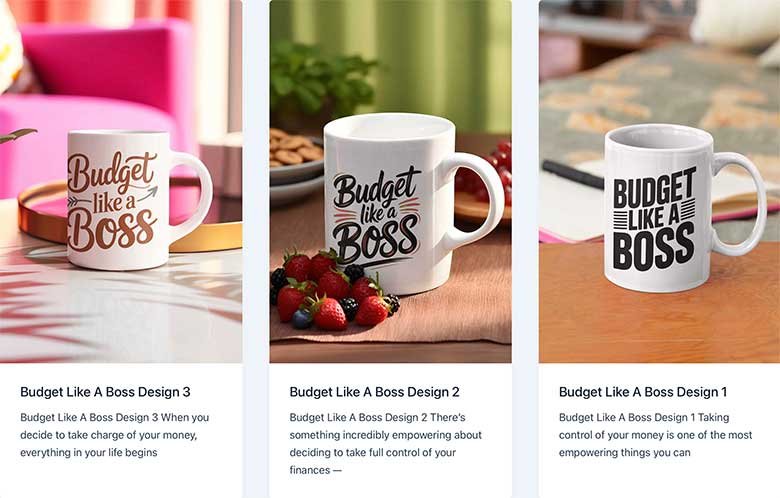
Add Some Warmth to Your Money Corner
Premier Print Works makes quality prints, mugs, and shirts for people who plan ahead. Browse the collection today.
Visit Premier Print WorksDisclaimer
The content on this page is for informational and inspirational purposes only. It is not professional financial, investment, tax, legal, insurance, or estate planning advice. Every household is different, and the categories here are general ideas only. Prices, fees, and account terms vary and change. Please keep paying for needs like housing, food, medicine, health care, and pet health. Keeping large amounts of cash at home carries risk. Results vary widely from person to person.
I am not a financial advisor, and I am not a licensed tax, legal, or investment professional. I share this information to help people learn about money and see new options. Please treat it as general information only, and talk with a qualified professional about your own situation before making financial decisions.
The stories of Kezia and Daniel are illustrative composite characters created to bring the content to life. They are not real people. Any resemblance to a real person is purely coincidental.
Some links on this page, including links to Premier Print Works and other resources, are affiliate links. If you make a purchase through one of these links, we may earn a small commission at no extra cost to you. We do not own, produce, or control any affiliate products, and we are not responsible for them — we only own and sell the products offered through our own store, Premier Print Works.
All content on A Self Help Hub is the property of Digital Marketing 215 LLC and is protected by copyright law. No part of this page may be copied, reproduced, republished, distributed, or transmitted in any form without prior written permission from the author.