Finding Low-Cost Health Care: Sliding-Scale Clinics and Community Health Centers
A cough hangs on for two weeks. A tooth aches when you drink something cold. You keep waiting for it to pass, because the cost of a visit feels like one more bill you cannot carry.
Many people put off care for this reason. Sliding-scale clinics and community health centers exist in many towns to make care more reachable. They often set what you pay based on your income and the size of your household, so a visit can cost much less than people expect.
This guide is written with the United States in mind. It shares general information about how these places often work, and it is not medical, financial, or legal advice. For a true emergency, call 911. For everything else, take this one step at a time.

Make Room for Care in Your Budget
Download the free Money Reset Workbook to see your monthly numbers and plan for health costs with less worry.
Get the Free WorkbookWhat a sliding fee scale means
A sliding fee scale is a pricing chart based on income. People with lower incomes pay less, and people with higher incomes pay closer to the full price. Household size usually counts too.
Each clinic sets its own scale. Some charge a small flat fee for a visit at the lowest level. Others take a percentage off the full cost. Asking for a copy of the scale is a normal request.
The point is to make care possible for people who would otherwise skip it. Many clinics say they will not turn anyone away for being unable to pay, though policies differ.
Write down your monthly household income and the number of people in your home.
Community health centers and what they often offer
Community health centers are clinics that receive public funding to serve people in areas where care is hard to reach. Many offer care whether or not a person has insurance, and many use a sliding fee scale.
Services often include checkups, care for ongoing health issues, shots, and care for pregnancy and children. Many also offer dental care, mental health care, and help with prescriptions. Some have staff who speak several languages.
Not every center offers everything. Calling ahead to ask which services are available can save a trip.
Look up the community health center closest to you and note which services it lists.
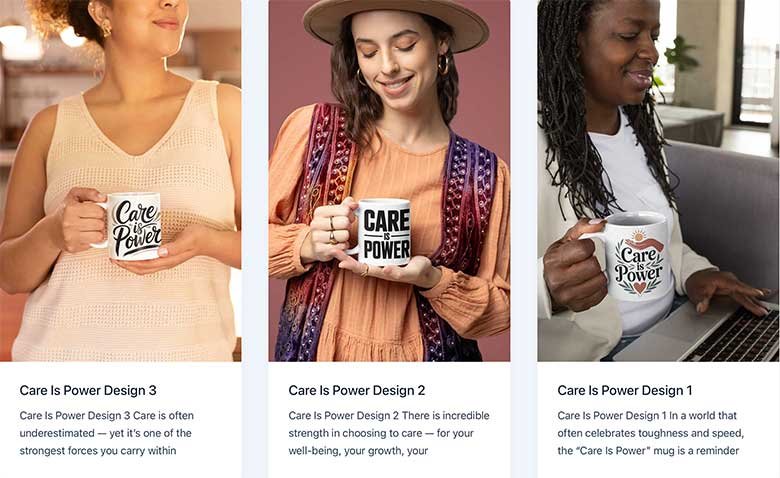
A Reminder to Take Care of You
Premier Print Works makes prints, mugs, and shirts for people who put their well-being first.
Visit Premier Print WorksFree clinics and other low-cost places
Free clinics are often run by volunteers, including doctors and nurses who donate their time. Some are open only certain evenings or days. Some see patients by appointment and others on a first-come basis.
Other places to look include local health departments, dental and nursing schools, and clinics run by faith groups or nonprofits. Schools often charge less because students do the work under close watch by teachers.
Calling 2-1-1 can help you find options near you. For related reading, see money saving ideas for lower everyday expenses.
Call 2-1-1 or search your area for free clinics and write down two with their hours.
“Caring for your health is part of caring for your future, even when money is tight.”
What to bring to your first visit
Many clinics ask for proof of income to place you on their sliding scale. This could be recent pay stubs, a benefits letter, or a tax return. Some will accept a signed statement if you have no income papers.
Photo ID, proof of address, and a list of any medicines you take are also helpful. If you have insurance of any kind, bringing the card can help too.
If you do not have some of these papers, it is still worth calling. Many clinics have ways to work with people in hard situations.
Put your pay stubs, ID, and a list of your medicines in one envelope before your visit.

Plan for Visits and Prescriptions
The free Money Reset Workbook gives you simple pages to track health costs and plan for upcoming care.
Get the Free WorkbookQuestions that can help you plan the cost
Before a visit, it can help to ask a few questions. What will my visit cost at my income level? Are lab tests charged separately? Is there a fee if I need to come back?
Asking about payment plans is also common. Some clinics let people pay over time without extra charges. Others may know of local funds that help with costs.
Writing the answers down keeps them clear later. You may also like personal finance tips for less money stress.
Write three cost questions on a card and bring it to your next call or visit.
Prescriptions often cost less than the first price you hear
Medicine costs can be a big worry. Some community health centers have their own pharmacy with lower prices. Others can point you to programs that help with the cost.
Asking a doctor or pharmacist whether a generic version exists is one idea. Generic medicines have the same active ingredient as the brand name and often cost much less. Comparing prices at a few pharmacies can also show big differences.
Skipping or splitting doses to stretch medicine can be risky. A pharmacist can talk through safer ways to lower the cost.
At your next refill, ask the pharmacist whether a lower-cost option is available.
Health coverage may be closer than you think
Many people who use sliding-scale clinics may also qualify for public health coverage. Rules depend on income, household size, age, and the state you live in.
Many health centers have staff who help people apply for coverage at no cost. These helpers are sometimes called navigators or enrollment assisters.
Even if you did not qualify in the past, a change in income or family size could change the answer. Another place to look is budgeting tips for people who want less money stress.
Ask at the clinic front desk whether someone can check if you qualify for coverage.
Hospital bills and financial help programs
Clinics handle many needs, and some situations still lead to a hospital visit. Many hospitals, especially nonprofit hospitals, have financial help programs for patients with lower incomes. These are sometimes called charity care.
Asking for an application, even after you get a bill, is an option. Some programs can lower or remove a bill. Asking for an itemized bill can also help you see every charge.
If a medical bill feels overwhelming, a legal aid office or a nonprofit credit counselor may be able to explain options. For related reading, see saving money habits for more peace around money.
If you have a hospital bill, call the billing office and ask about financial help programs.
Making a regular clinic your home base
Going to the same clinic over time can make care easier. The staff get to know you, your records stay in one place, and small problems may be caught before they grow.
Some people set a reminder for a yearly checkup or dental cleaning at their clinic. Preventive care, which means care to stay well, is often less costly than treating a problem later.
Having a home base also means you know who to call when something comes up. That alone can bring peace of mind.
Save your clinic’s phone number in your phone under a name you will remember.
Explore Our Top Picks for a Better Life
We have gathered the tools, resources, and products we think are genuinely worth your time, covering mindset, self-care, health, and home. All in one place, hand-picked to support the goals you are working toward.
See Our Top PicksReal Stories, Real Results
Let me share two examples I like to use. Amara had skipped dental care for years because she had no insurance. A friend told her about a community health center with a dental clinic and a sliding scale. She told me that her first cleaning cost far less than she feared, and she left with a plan for the next visit.
Joel worked part time and thought clinics were only for people with no job at all. He called a local health center, brought his pay stubs, and learned he qualified for a lower fee. Both of them said the same thing: asking about the sliding scale turned care from a fear into a plan.
Care That Fits Your Budget
Imagine having a clinic you trust, knowing about what each visit will cost, and feeling able to go when something does not feel right. Health care becomes part of your routine instead of a worry you push away.
Look up one sliding-scale clinic near you today. The free Money Reset Workbook can help you make room for care in your budget. Your health matters, and small steps can make care more reachable.
Want Ready-Made Tools to Help You Put This Into Action?
Sometimes the fastest way forward is a tool that someone has already built. Browse our hand-picked resources and downloads, chosen to help you take the next step with less guesswork.
Browse Resources and Downloads
Ready to Make Care Feel More Reachable?
The free Money Reset Workbook helps you plan your money so your health does not have to wait.
Download Free Now
Keep a Little Kindness in View
Browse Premier Print Works for prints, mugs, and shirts with gentle reminders to care for yourself.
Visit Premier Print WorksDisclaimer
The content on this page is for informational and inspirational purposes only, and it is not professional medical, financial, investment, tax, legal, insurance, or estate planning advice. This guide was written with the United States in mind. Clinic services, sliding fee scales, and coverage rules vary by location and change over time. Please talk with a doctor, nurse, or pharmacist about your health and medicines, and call 911 in an emergency. Prices, fees, and account terms vary and change. If medical bills or lost income feel overwhelming, a nonprofit credit counselor, a local legal aid office, or 2-1-1 may be able to help. Results vary widely from person to person.
I am not a financial advisor, and I am not a licensed tax, legal, or investment professional. I share this information to help people learn about money and see new options. Please treat it as general information only, and talk with a qualified professional about your own situation before making financial decisions.
The stories of Amara and Joel are illustrative composite characters created to bring the content to life. They are not real people. Any resemblance to a real person is purely coincidental.
Some links on this page, including links to Premier Print Works and other resources, are affiliate links. If you make a purchase through one of these links, we may earn a small commission at no extra cost to you. We do not own, produce, or control any affiliate products, and we are not responsible for them — we only own and sell the products offered through our own store, Premier Print Works.
All content on A Self Help Hub is the property of Digital Marketing 215 LLC and is protected by copyright law. No part of this page may be copied, reproduced, republished, distributed, or transmitted in any form without prior written permission from the author.