15 Self Confidence Building Tips Inspired by Powerful Life Quotes
Self confidence is not the feeling that everything will go well. It is the earned trust in your own ability to handle what comes, whatever it is: the challenge you have prepared for, the one you have not, the failure, the criticism, the fear, the unknown territory that the growing life consistently moves into. That trust is not given. It is built from the accumulated evidence of showing up, attempting, adapting, and continuing despite the imperfection of the results. The quotes that inspire the most are the ones that name that building process with enough honesty to make the next step feel genuinely available.
These 15 self confidence building tips are each grounded in a powerful piece of wisdom, using the specific truth the quote carries to anchor the specific practice it inspires. Read the quote. Read the tip. Let the truth and the practice together produce the building that neither alone quite achieves.

Free Download: The Self-Care Starter Kit
Self confidence grows from the daily self-care practices that keep you grounded, honest, and genuinely in contact with your own strength. The free Self-Care Starter Kit gives you simple daily practices that build the inner foundation genuine self confidence requires. Download it free today.
Get the Free Self-Care Starter Kit1. Act as if what you do makes a difference. It does. — William James
“Self confidence is not the feeling that everything will go well. It is the earned trust in your own ability to handle what comes, whatever it is. That trust is built from the accumulated evidence of showing up, attempting, and continuing despite imperfect results.”
The self confidence tip inspired by this wisdom is the one about acting from the assumption of impact before the evidence of it arrives. The confidence that what you do matters does not wait for the proof of the mattering. It acts as if the mattering is already true, which is the only orientation from which the action that produces the evidence is genuinely possible. The self confidence building practice: choose one thing you have been doing half-heartedly from the belief that it probably does not make much difference. Do it fully today. Act as if it makes a difference. Let the full doing be the beginning of the evidence that it does.
2. No one can make you feel inferior without your consent. — Eleanor Roosevelt
The self confidence tip inspired by this wisdom is the one about the specific practice of withdrawing the consent. The consent to feel inferior, given to the critical voice, the dismissive colleague, the comparison that diminishes, is not a requirement. It is a habit. And habits, recognized clearly, can be changed. The self confidence building practice: notice the next moment when the inferior feeling arrives. Ask honestly whether the person or the comparison that produced it is an authority worth the consent being given. In most cases, the answer is no. Withdraw the consent. The inferior feeling requires the consent to persist. The withdrawal is available immediately.
3. The most beautiful thing you can wear is confidence. — Blake Lively
“The consent to feel inferior, given to the critical voice or the comparison that diminishes, is not a requirement. It is a habit. And habits, recognized clearly, can be changed. Notice the moment. Ask whether the authority is worth the consent. Withdraw the consent.”
The self confidence tip inspired by this wisdom is the one about the practice of carrying the confidence physically before the feeling of it has fully arrived. The body posture, the eye contact, the pace and quality of movement: all of these communicate the self-regard to both the observer and, importantly, to the self. Research on power posing and physical confidence expression consistently shows that the physical carrying of confidence produces neurological effects consistent with the feeling of it. The self confidence building practice: the next time you enter a room, a meeting, or a conversation where the confidence feels shaky, carry it physically first. Stand as if the confidence is present. The physical carrying changes the felt experience in the direction of the carrying.

Visit Premier Print Works
Keep the reminders of the self confidence you are building visible in your daily space. Premier Print Works offers prints, mugs, and art for people who are building genuine self confidence and want their environment to reflect the strength and direction they are actively choosing. Visit the shop today.
Visit Premier Print Works4. You have to expect things of yourself before you can do them. — Michael Jordan
The self confidence tip inspired by this wisdom is the one about the practice of raising the internal expectation before the external evidence supports it. The expectation is not the delusion. It is the specific orientation toward the self that precedes and enables the performance the evidence would otherwise have had to arrive before the expectation could be formed. The self confidence building practice: identify one area where the internal expectation has been consistently lower than what the genuine effort and the genuine capability might produce if the expectation were raised to match them. Raise the expectation. Hold it specifically. Act from it. Let the action begin producing the evidence the expectation is now prepared to receive.
5. Believe in yourself! Have faith in your abilities! — Norman Vincent Peale
The self confidence tip inspired by this wisdom is the one about the daily practice of actively rehearsing the belief and the faith rather than waiting for the circumstances to produce them. Belief in the self is not the conclusion of the evidence-gathering process. It is the starting orientation from which the evidence-producing action is possible. The self confidence building practice: begin each day with a specific, written statement of what you believe you are capable of today. Not the aspirational claim disconnected from reality but the honest, genuine belief about the specific capability available on this specific day. The daily practice of naming the belief specifically and acting from it builds the evidence that strengthens the belief that produces more genuine action. The loop runs in the right direction.
6. Self confidence is the first requisite to great undertakings. — Samuel Johnson
“Belief in the self is not the conclusion of the evidence-gathering process. It is the starting orientation from which the evidence-producing action is possible. Name the belief specifically. Act from it. The loop runs in the right direction when the believing precedes the acting.”
The self confidence tip inspired by this wisdom is the one about the practice of identifying the great undertaking that has been waiting for the confidence, and beginning it with the confidence that is currently available rather than the confidence the undertaking seems to require. The self confidence building practice: name the specific undertaking you have been deferring until the confidence was sufficient. Assess honestly what level of confidence is genuinely currently available. Begin the undertaking from that level. The beginning of the undertaking builds the confidence the continuation requires, in a way that the deferring until the sufficient confidence never achieves.
7. Trust yourself. You know more than you think you do. — Benjamin Spock
The self confidence tip inspired by this wisdom is the one about the practice of consulting the inner knowledge before the external authority in the specific situations where the inner knowledge is the most relevant available source. The self confidence building practice: the next time you face a decision in your own domain of experience and the impulse is to seek external validation before acting on the internal assessment, pause. Ask what you actually know about this situation from your own experience and observation. Then act from that knowledge first. The practice of trusting the internal knowledge builds the evidence that the internal knowledge is trustworthy, which builds the confidence in the self that holds it.
8. With confidence, you have won before you have started. — Marcus Garvey
“The practice of trusting the internal knowledge builds the evidence that the internal knowledge is trustworthy, which builds the confidence in the self that holds it. Trust first. Let the evidence of the right trusting accumulate.”
The self confidence tip inspired by this wisdom is the one about the practice of entering the difficult situation with the confidence already established rather than waiting to see whether the situation confirms it. The self confidence building practice: before the next challenge, difficult conversation, or new attempt, take five minutes to specifically and genuinely build the confidence rather than walking in hoping it will be there. Review what you know. Recall a previous success in equivalent territory. Commit to the specific approach. Enter the situation having already done the internal confidence-building work that the outcome of the situation is about to test. Having done that work, you have already won the most important part of what you are walking into.
Free Download: The Self-Care Starter Kit
Let these self confidence building tips be the reminder that genuine confidence grows from the inside out. The free Self-Care Starter Kit gives you the daily self-care practices that build the inner foundation from which genuine self confidence grows and is sustained. Download it free today.
Get the Free Self-Care Starter Kit9. You are the only person on earth who can use your ability. — Zig Ziglar
“Before the next challenge, take five minutes to specifically build the confidence rather than walking in hoping it will be there. Having done that work, you have already won the most important part of what you are walking into.”
The self confidence tip inspired by this wisdom is the one about the practice of claiming the specific ability that is uniquely yours rather than comparing the specific ability unfavorably against someone else’s different one. The self confidence building practice: identify the specific capability that is most genuinely yours, the thing you do with a quality that is specific to your combination of experience, perspective, and natural inclination. Then use it. Fully and without apology. The confidence that comes from using the specific ability that only you can use in the specific way you can use it is the most grounded form of self confidence available, because it is not comparative. It is singular. Yours. Use it.
10. The way to develop self-confidence is to do the thing you fear and get a record of successful experiences behind you. — William Jennings Bryan
The self confidence tip inspired by this wisdom is the one about the practice of deliberately and specifically doing the feared thing to build the record the confidence is built from. Not the dramatic version of the feared thing but the smallest available version: the public speaking fear addressed by raising the hand in the meeting, the creative sharing fear addressed by showing the work to one trusted person, the new skill fear addressed by attempting it badly in private before worrying about attempting it publicly. The self confidence building practice: identify the specific fear that is most limiting the confidence right now. Find the smallest available version of doing it. Do that version this week. Add the experience to the record. The record is the confidence. Build it one experience at a time.
11. Nothing can stop the man with the right mental attitude from achieving his goal; nothing on earth can help the man with the wrong mental attitude. — Thomas Jefferson
The self confidence tip inspired by this wisdom is the one about the practice of actively managing the mental attitude rather than allowing it to be set by the circumstances. The mental attitude is not the product of the circumstances. It is the specific orientation brought to the circumstances, and that orientation is within the influence of the person holding it in a way that the circumstances themselves are not. The self confidence building practice: at the start of each significant effort or difficult day, spend two minutes deliberately and specifically setting the mental attitude rather than inheriting it from the circumstances. Describe it in writing: the attitude you are choosing to bring to today, what you believe about the challenge, how you intend to relate to the difficulty. Set the attitude. Then bring it to the day rather than waiting for the day to give it to you.
12. Once we believe in ourselves, we can risk curiosity, wonder, spontaneous delight, or any experience that reveals the human spirit. — E.E. Cummings
“The mental attitude is not the product of the circumstances. It is the orientation brought to them, and that orientation is within the influence of the person holding it in a way the circumstances are not. Set the attitude before the day begins.”
The self confidence tip inspired by this wisdom is the one about the practice of using self confidence not only for the achievement and the performance but for the full, curious, delighted engagement with the experience of being alive. The self confidence building practice: allow yourself one experience this week that the lacking confidence would have prevented, not necessarily the impressive one, but the curious, spontaneous, or wonder-filled one. The gallery visited alone. The creative thing attempted without the guarantee of doing it well. The conversation initiated with the interesting stranger. The delight indulged without self-consciousness. Self confidence makes these possible. These make the life that self confidence is building worth having built.
13. Confidence is not they will like me. Confidence is I’ll be fine if they don’t. — Christina Grimmie
The self confidence tip inspired by this wisdom is the one about the practice of building the inner security that is independent of the approval of others rather than the performance of confidence in service of gaining that approval. The self confidence building practice: identify the specific relationships or audiences whose approval has been most influencing the behavior. For each one, ask honestly: if their approval were not available, would you still be doing what you are doing? If yes, the action is grounded in self confidence. If no, the action is organized around approval-seeking. Gradually and specifically increase the proportion of the actions that are grounded in the first. The fine if they don’t is the confidence. Build it from the inside where it is most durable.
14. It takes courage to grow up and become who you really are. — E.E. Cummings
The self confidence tip inspired by this wisdom is the one about the practice of becoming who you really are as the ongoing self confidence building project rather than the performance of the expected person as the confidence-maintaining strategy. The self confidence building practice: identify one way in which the current self-presentation is adjusted toward what seems safe, expected, or acceptable rather than toward what is genuinely you. Make one small move this week toward the genuine version. The small move toward the genuine self produces the specific quality of self-respect that the adjusted performance consistently fails to provide. The self respect is the confidence. The courage to become who you really are produces both simultaneously.
15. Optimism is the faith that leads to achievement. Nothing can be done without hope and confidence. — Helen Keller
“The fine if they don’t is the confidence. The inner security that is independent of approval is more durable than the performance of confidence in service of gaining it. Build it from the inside. That is where it holds.”
The self confidence tip inspired by this wisdom closes the list with the one about the practice of cultivating the specific optimism that precedes achievement rather than following from it. Not the naive optimism that denies difficulty but the grounded optimism that holds the possibility alongside the honest acknowledgment of the challenge. The self confidence building practice: at the end of each day, write down one thing that went better than the pessimistic version of you expected it to, one piece of evidence that the optimism had something genuine to point at. The daily practice of finding the evidence for the optimism builds the confidence that the optimism deserves, which builds the action that justifies the optimism, which produces more evidence, which builds more confidence. The loop runs well from that starting practice.
How Kezia and Joel Each Found the Self Confidence Building Tip That Changed Their Relationship to Their Own Ability
Kezia had been a capable person who did not consistently feel like one, and the gap between the capability and the felt confidence had been producing a specific pattern of under-claiming: taking on less than the capability warranted, presenting the work less confidently than the work deserved, and interpreting the positive feedback through a skeptical filter that reduced it to politeness rather than genuine response to genuine quality. The tip that changed the pattern was the Eleanor Roosevelt one about not giving the consent to the inferior feeling. Kezia had not previously framed the inferior feeling as requiring her consent. She had been treating it as an accurate external report about her relative standing. The reframe that it required her consent changed the relationship immediately: the consent was being given habitually, unconsciously, automatically. And it could be withheld. She began withholding it. Not in every moment and not without the awareness of how deeply ingrained the habit was. But often enough, and specifically enough, that the pattern began to change. The under-claiming has been replaced by the more accurate claiming. The quality of the self-presentation has improved in proportion to the confidence withheld from the inferior feeling and returned to the genuine self-regard. The consent practice was the turning point.
Joel’s tip was the William Jennings Bryan one about building the record of successful experiences in the feared territory. He had a specific professional fear that had been limiting the scope of what he was willing to attempt: the fear of visible failure in a domain where the standards were high and the visibility was real. The smallest available version of doing the feared thing was a presentation to a small internal team rather than the larger external audience the fear was primarily organized around. He prepared carefully. He gave the presentation. It went reasonably well, better than the fear had been predicting. He noted the experience specifically and kept the note. The next month he presented to a slightly larger audience. Then a slightly larger one. The record grew. The fear did not disappear. Its relationship to the action changed: from the stop-signal to the reduce-the-size-and-do-it-anyway signal. The record is the confidence. The record had been unavailable because the fear had been preventing the experience. The smallest available version of the experience was the only thing that broke the loop. It broke it. The confidence has been building from the record since.
Self Confidence Is Built From the Daily Practice of Acting From the Belief That the Ability Is There Before the Circumstances Have Confirmed It. These 15 Tips Are How That Practice Begins.
The self confidence these tips are building is not the confidence that nothing will go wrong or that every attempt will succeed. It is the earned trust in the self’s ability to handle what comes, to learn from what doesn’t work, to continue from the imperfect result, and to maintain the self-regard that the attempt deserves regardless of the outcome. That trust is built one practice at a time, from the accumulated evidence that the showing up produces.
Choose two or three of these tips and the quotes that ground them for the specific confidence gap you are most wanting to close. Practice them specifically for a month. Let the practice produce the evidence. Let the evidence build the trust. Let the trust become the confidence that was always being built toward. It is available. These tips are how you build it.

Free Download: The Self-Care Starter Kit
Let these self confidence building tips be the reminder that genuine confidence grows from the inside out. The free Self-Care Starter Kit gives you the daily practices that build the inner foundation genuine self confidence requires. Download it free today.
Get the Free Self-Care Starter KitOur Top Picks for a Better Life
We have gathered our favorite tools, resources, and recommendations for people building genuine self confidence, developing the daily practices that build the trust in the self that confidence requires, and creating the inner foundation from which the most capable, courageous, and genuinely expressive version of themselves grows. Everything we trust enough to share, all in one place.
See Our Top Picks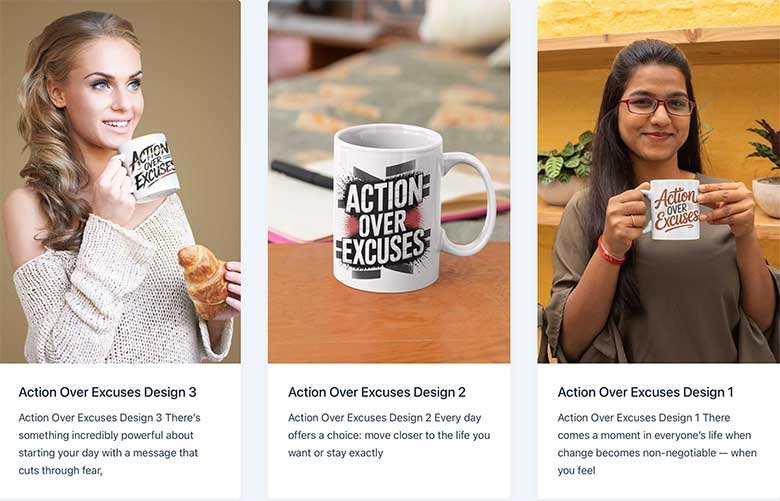
Self Confidence Reminders at Premier Print Works
Keep the reminders of the self confidence you are building visible in your daily space. Visit Premier Print Works for prints, mugs, and art for people who are doing the daily work of building genuine self confidence and want their environment to reflect the strength, direction, and self-trust they are actively choosing and building.
Visit Premier Print WorksDisclaimer
The content on A Self Help Hub is for informational and inspirational purposes only. The self confidence building tips, quotes, and personal stories in this article offer general support for everyday personal development, self-confidence, and intentional living. They are not professional mental health advice, psychotherapy, medical advice, or any form of clinical treatment.
If you are dealing with significant anxiety, depression, social anxiety, trauma, or other conditions affecting your daily functioning and sense of confidence, please speak with a qualified mental health professional. General self-help content is not a substitute for professional care.
The stories and composite characters in this article, including Kezia and Joel, are illustrative. They are based on common experiences and created to make the content relatable. They are not real people. Any resemblance to a specific person is coincidental.
Some links on this site, including links to Premier Print Works, may be affiliate links. A Self Help Hub may earn a small commission at no extra cost to you. We only recommend things we genuinely believe in.
If you are in a mental health crisis or thinking about self-harm, please do not rely on this content for support. Contact emergency services or a crisis helpline right away. You deserve real help and it is available to you now.
All content on A Self Help Hub is copyrighted. You may not copy or republish it without written permission. By reading this article you agree to this disclaimer.