17 Self Care Ideas That Help You Manage Emotions With More Grace
On one particularly tight day, a spilled cup of coffee made me want to throw in the towel entirely.
It was not really about the coffee, of course. It was about a long week, a short night’s sleep, and a small spill that was one thing too many. I have learned that handling emotions with grace has little to do with being calm all the time. It has more to do with how you treat yourself when you are not calm, and what small things help you find your way back.
These seventeen self care ideas are organized around different feelings and moments, such as anger, worry, sadness, overwhelm, and loneliness. Try the ones that suit you, and treat your emotions as visitors who have something to say. If your feelings feel too heavy, please reach out to a doctor or counselor.
Meet Your Emotions With Gentle, Practical Tools
Download the free Self-Care Starter Kit and get simple, practical tools for caring for yourself when feelings run high.
Get the Free Starter Kit1. Begin by naming what you feel, and let that be enough for a moment.
Before you do anything else, name the feeling. “I am angry.” “I am anxious.” “I am sad.” You do not need to fix it yet. Simply naming it can bring a little relief.
Try to be specific. Frustrated, lonely, disappointed, and jealous are different feelings, and each calls for a different kind of care.
Say it kindly to yourself, as you would to a friend.
Right now, name the main feeling you have, and say it quietly to yourself.
2. Take a few slow breaths, since your breathing can help your body settle.
When emotions run high, breathing often gets fast and shallow. Slowing it down can help your body calm. Breathe in through your nose for a count of four, and breathe out slowly through your mouth for a count of six. Repeat several times.
Place a hand on your chest or belly if that helps you focus. If breathing exercises make you feel uncomfortable, simply try sighing softly or breathing naturally.
This takes only a minute, and you can do it anywhere.
Take five slow breaths now, with a longer out-breath than in-breath.

Keep a Soft Reminder in Your Space
Premier Print Works creates quality prints, mugs, and shirts for people handling big feelings with grace. Find a small reminder that you can be kind to yourself.
Visit Premier Print Works3. When you feel angry, give your body somewhere safe to put the energy.
Anger carries a lot of energy. Before you speak or act, move it safely. Take a brisk walk, do some stretches, wash dishes, or squeeze and release your hands. Cool water on your face or wrists can also help.
Wait until the first wave has passed before you decide what to say. Then you can think about what the anger is telling you. It may be pointing to a boundary or an unmet need.
Avoid sending messages when you are at the peak of anger.
The next time you feel angry, take a ten-minute walk before you respond to anyone.
“Grace with your emotions often begins with how kindly you treat yourself when you are not at your best.”
4. When you feel worried, write down the worries and sort them into what you can and cannot control.
Worry can swirl endlessly in the mind. Putting it on paper gives it edges. Write down each worry, then mark it: can I do something about this? If yes, write one small step. If no, let it rest, and choose something calming to do.
This helps separate useful planning from circling thoughts.
If worry feels constant or overwhelming, please talk to a professional.
Write down your top three worries, and mark each as something you can or cannot control.
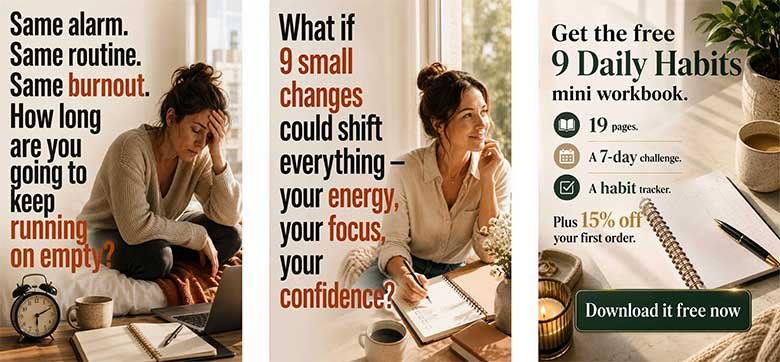
Build Steady Habits That Support Your Emotions
The free 9 Daily Habits guide gives you nine simple morning practices that help your emotions start the day on steadier ground.
Get the Free Guide5. When you feel sad, let yourself cry or rest, and choose comfort over productivity.
Sadness often asks for gentleness. Allow yourself to cry if you need to. Wrap up in a blanket, drink something warm, listen to soft music, or sit near a window. You do not have to push yourself to be productive.
Notice what the sadness is about. It might be a loss, a disappointment, or simply tiredness. Be kind about it.
If sadness lingers for weeks or feels heavy, a counselor can help.
The next time you feel sad, give yourself fifteen minutes of comfort, with no demands.
6. When you feel overwhelmed, shrink the day down to the next small step.
Overwhelm happens when everything seems to need attention at once. Take a pen and paper, and write down everything on your mind. Then circle just one thing to do next. Do only that.
Let the rest wait. Remind yourself that you do not have to solve everything today.
When the first step is done, choose another.
Write down everything on your mind, circle one next step, and do just that.
7. When you feel lonely, reach out in a small way instead of waiting.
Loneliness can tell us that no one wants to hear from us, which is often untrue. A small reach can break the cycle. Send a short message, call someone, step out for a walk where you will see people, or join a class or group.
You do not need a big conversation. A kind note, a shared meme, or a quick check-in can help.
If loneliness is constant, consider speaking with a counselor or finding a support group.
Send a short, warm message to someone you have not talked to in a while.
8. When you feel jealous or compare yourself, look for what it points to in your own life.
Jealousy can be uncomfortable, and it holds information. It often points to something you want. Instead of judging yourself, ask: what exactly am I envious of? Is it freedom, recognition, rest, skill, or connection?
Then consider a small step toward that thing in your own way. If it is rest, schedule some. If it is skill, take a class.
Be kind about the feeling. Almost everyone has it.
Write down what you feel envious of, and one small step you could take toward something similar.
9. When you feel guilty, ask whether there is something to repair, and then let yourself move on.
Guilt can be useful when it points to something you can make right. Ask: did I do something that hurt someone? If so, can I apologize or fix it? If yes, do it. If the guilt is vague or exaggerated, gently question it.
After you have done what you can, allow yourself to let it go.
If guilt feels overwhelming or connected to deeper pain, a counselor can help.
If you feel guilty about something, decide whether a repair is needed, and take one step.
10. When you feel embarrassed, remind yourself that most people have been there.
Embarrassment can feel enormous in the moment. Remember that most people are busy with their own concerns, and many of them have had similar moments. Often, they have already forgotten.
Take a breath, and let the heat pass. Treat yourself with the kindness you would offer a friend.
A laugh, if it comes, can help.
The next time you feel embarrassed, take three slow breaths, and tell yourself, “This will pass.”
11. Create a calm corner, so you have a place to go when feelings run high.
A small space in your home can become your reset spot. A chair by a window, a cushion in a corner, or a cozy blanket on the couch. Add things that soothe you, such as a soft light, a plant, a favorite book, or calming music.
When emotions are intense, go there for a few minutes. Over time, your body may learn to relax when you sit there.
It does not need to be fancy.
Choose a spot at home for a calm corner, and add one comforting item to it.
12. Use your senses to ground yourself when feelings feel too big.
A simple way to come back to the present is to notice what is around you. Name five things you can see, four you can feel, three you can hear, two you can smell, and one you can taste. Or hold a cool glass, or feel your feet on the floor.
Grounding does not erase feelings, and it can steady you enough to think. It works anywhere.
Practice it when you are calm, so it is easy to use when you are not.
Try a five-senses grounding exercise today, even when you are calm.
13. Move your body in a way that suits your mood.
Different feelings may call for different movement. Anger might want a brisk walk. Anxiety might want slow stretching. Sadness might want a gentle stroll or yoga. Overwhelm might want a few shakes of the arms and legs.
Listen to what your body wants, within what is safe and comfortable for you. If you have health concerns, check with a doctor before changing your activity.
Even five minutes can help.
Choose one type of movement that matches how you feel today, and do it for five minutes.
14. Spend a little time in nature, since fresh air and open space can soften a tight mood.
Many people find that being outside helps them feel calmer. Take a walk in a park, sit under a tree, or step into your yard. Notice the sounds, colors, and air.
Leave your phone in your pocket if you can. Let your attention rest on something simple.
A few minutes can make a difference.
Spend ten minutes outside today, and notice three things around you.
15. Talk to someone you trust, and let them be part of your care.
Sharing a feeling can lighten it. Choose someone who listens well. You do not need to have it figured out. You can start with, “I am having a tough day, and I would like to talk.”
If you do not have someone, a counselor, a support group, or a helpline can offer a listening ear.
Being heard is a form of self care.
Reach out to one trusted person today, and share how you are feeling.
16. Look after your body’s basics, so emotions have a steadier base.
Sleep, food, water, and rest all affect how we feel. When you are hungry, thirsty, or exhausted, emotions can feel bigger. Check in with the basics. Have you eaten? Had water? Slept enough?
Meeting these needs may not solve everything. It often makes things more manageable.
If you have ongoing difficulty with sleep or eating, please talk to a doctor.
Do a quick basics check right now, and meet one need that you notice.
17. Be kind to yourself afterward, and know when to ask for more help.
After a strong emotional moment, treat yourself with care. Do not criticize how you handled it. Offer comfort. Maybe a warm drink, a rest, or a kind word to yourself.
If your emotions feel too intense, or last a long time, or lead to thoughts of harming yourself, please reach out to a doctor, counselor, or crisis line. Support is available.
Grace begins with how you treat yourself.
Write down the name or number of one professional or support service, and save it where you can find it quickly.
Explore Our Top Picks for a Better Life
We have gathered the tools, resources, and products we think are genuinely worth your time, covering mindset, self-care, health, and home. All in one place, hand-picked to support the care you give your emotions.
See Our Top PicksReal Stories, Real Results
Let me share two examples I like to use. Kezia found that her anger surged during stressful workdays. She began taking a brisk ten-minute walk before replying to messages, and she told me that the walk gave the first wave time to pass. She still felt anger. She just responded to it in a way she felt better about.
Daniel’s hardest feeling was overwhelm. He would sit paralyzed in front of a long list. He began writing everything down, circling one next step, and letting the rest wait. He said that the page took the weight off his mind, and the single step felt doable. Both of them said the same thing: small, kind actions helped them handle big feelings with more grace.
Grace With Your Emotions Grows From Small, Kind Actions
Picture a hard feeling arriving, and you know a few things that help. You name it, breathe, move your body, reach out, or sit in your calm corner. The feeling is still real, and you meet it with care. Afterward, you are kind to yourself.
Choose two or three ideas from this list, and try them the next time a strong feeling arrives. Download the free Self-Care Starter Kit to give your days a gentle rhythm. Grace is something you can practice.
Want Ready-Made Tools to Help You Put This Into Action?
Sometimes the fastest way forward is a tool that someone has already built. Browse our hand-picked resources and downloads, chosen to help you take the next step with less guesswork.
Browse Resources and Downloads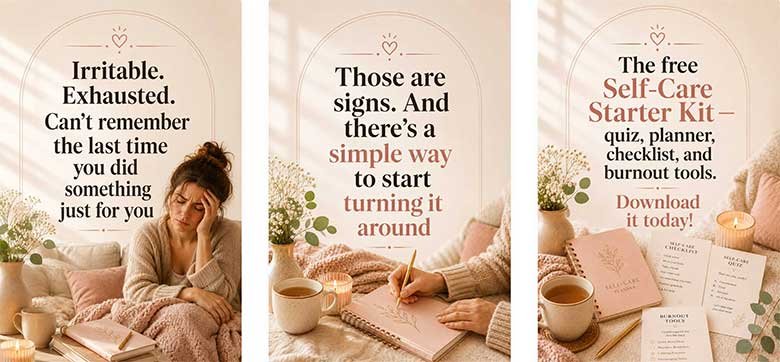
Ready to Handle Your Feelings With More Grace?
The free Self-Care Starter Kit gives you simple, practical tools to care for yourself through every kind of feeling.
Download Free Now
Fill Your Space With Gentle Grace
Premier Print Works makes quality prints, mugs, and shirts for people who meet their emotions with care. Browse the collection and find what speaks to your journey today.
Visit Premier Print WorksDisclaimer
The content on this page is for informational and inspirational purposes only. It is not professional mental health or medical advice of any kind, and it is not a substitute for professional care. If you are experiencing intense or persistent emotions, hopelessness, or thoughts of harming yourself, please reach out to a qualified healthcare or mental health professional, or contact a crisis line or emergency services in your area right away. If you have health concerns, please consult a doctor before changing your physical activity. Results and experiences vary significantly from person to person.
The stories of Kezia and Daniel are illustrative composite characters created to bring the content to life. They are not real people. Any resemblance to a real person is purely coincidental.
Some links on this page, including links to Premier Print Works and other resources, are affiliate links. If you make a purchase through one of these links, we may earn a small commission at no extra cost to you. We do not own, produce, or control any affiliate products, and we are not responsible for them — we only own and sell the products offered through our own store, Premier Print Works.
All content on A Self Help Hub is the property of Digital Marketing 215 LLC and is protected by copyright law. No part of this page may be copied, reproduced, republished, distributed, or transmitted in any form without prior written permission from the author.