9 Life Quotes That Help You See Things Differently
The circumstances do not always change when the perspective changes. The difficult situation is still the difficult situation. The setback is still the setback. The person who hurt you is still the person who hurt you. What changes when the perspective changes is the relationship to the circumstances — the meaning assigned to them, the options visible within them, the identity defined by them. And the relationship to the circumstances is the thing that most directly determines the quality of the daily life, the range of the available choices, and the capacity to move forward from wherever the current position is. The perspective is not the circumstance. But it shapes the experience of the circumstance more powerfully than almost anything else available.
These nine quotes are the perspective shifts — the specific lens changes that, if genuinely applied to the specific current circumstance, have the potential to make the same situation look different enough to respond to differently. Not the toxic positivity that denies the genuine difficulty. The honest reframe that reveals the aspect of the difficulty that the current perspective is missing — the resource, the possibility, the alternative interpretation that was always present and is now visible from the shifted angle. Read each one. Consider the specific situation the current life is presenting. Ask whether this particular lens shift applies to the specific view. The one that does is the one worth sitting with.
Free Download: The Self-Care Starter Kit
The perspective shifts these quotes offer take root most powerfully from the foundation of daily self-care that keeps you genuinely connected to yourself. The free Self-Care Starter Kit gives you simple daily practices for your mind, your body, and your inner life. Download it free today.
Get the Free Self-Care Starter Kit1. Change the Lens and You Change the Life — It Really Can Be That Simple
“Change the lens and you change the life — it really can be that simple.”
The lens through which the circumstances are viewed is not the neutral transparent thing that simply shows the circumstances as they are. It is the specific set of assumptions, beliefs, and interpretive habits that the life’s experience has built and through which every new experience is filtered before it is registered as the meaning it is given. The person who views every setback as the evidence of personal inadequacy and the person who views every setback as the information for the next attempt are looking at the same setback. The lens is different. The meaning produced by each is different. The subsequent behavior each produces is different. The life each produces, over years, is different.
This is not the dismissal of the genuine difficulty of the circumstances — the genuinely difficult circumstance is genuinely difficult regardless of the lens through which it is viewed. It is the honest recognition that among the things available to be changed, the lens is one of the most powerful and the most accessible — available in any moment, in any circumstance, requiring no external change before it can be changed. The life that follows the changed lens is not magically easier. It is navigated differently — from the perspective that sees the options the previous lens was blocking, the resources the previous lens was missing, the possibilities the previous lens had declared unavailable. Change the lens. The life that follows from the changed lens is the life the previous lens was preventing.
“The same situation looks completely different when you decide to see it differently.”
2. The Same Situation Looks Completely Different When You Decide to See It Differently
“Change the lens and you change the life — it really can be that simple.”
The decision to see it differently is the specific act of the perspective shift — not the waiting for the circumstances to change so that the seeing is easier but the deliberate choice to bring the different lens to the current unchanged circumstance. The job that is the disappointing current situation is also the specific daily experience that is building the specific skills that the next situation will require. The relationship that has reached the difficult season is also the relationship that has weathered the previous seasons and has the specific history that the current difficulty is testing against its durability. The financial constraint is also the specific condition that has produced the specific creativity and the specific resourcefulness that the unconstrained position would not have required.
The deciding to see it differently is not the dishonest reframe that denies the real difficulty. It is the honest widening of the view to include the aspects of the situation that the narrowed-by-difficulty perspective is currently excluding. The difficulty is real. The additional aspects are also real. The seeing of both is the more complete and more useful picture than the seeing of only the difficulty. Decide to see both. The both is always available in every situation that contains the genuine difficulty. The deciding to look for the both is the seeing differently that this quote is pointing to. The decision is available. Make it.
“The same situation looks completely different when you decide to see it differently.”
3. The Obstacle in the Path Is Also the Path — the Way Through Is Often the Way Over
“Change the lens and you change the life — it really can be that simple.”
The obstacle viewed as the interruption of the path — the thing that has arrived to block the route to the destination — is the obstacle that produces the frustration and the delay. The obstacle viewed as the path itself — the specific thing that, in the navigating of it, produces the specific capability the destination requires — is the obstacle that produces the development. The person who had to navigate the specific obstacle is the person who arrives at the destination with the specific capability the obstacle required that the obstacle-free path would not have produced. The obstacle was the path. The path ran through it rather than around it.
Apply this lens to the current obstacle. Not the toxic-positive version that pretends the obstacle is secretly the gift — the honest version that asks: what specific capability does the navigating of this obstacle require, and what does the arrival at the destination look like for the person who has built that capability through the navigation rather than the bypass? The path through the obstacle produces the person who needed to go through it. The path around it produces the person who avoided it. The destination is available from both paths. The person who arrives from each is different. The obstacle is the path to the more capable version. Navigate it.
Visit Premier Print Works
Keep the reminder that change the lens and you change the life — it really can be that simple — visible where the daily perspective-shifting work happens. Premier Print Works offers prints, mugs, and art for the person choosing the different angle that changes everything. Visit the shop today.
Visit Premier Print WorksHow Heloise Changed the Direction of Her Professional Life by Changing the Single Question She Was Asking About It
Heloise had been in the wrong career for six years by the time she finally acknowledged the wrongness clearly enough to act on it. The six years had not been miserable — they had been adequate, which was its own specific kind of wrong. The work was done competently. The compensation was reasonable. The recognition was present. The specific aliveness that she had felt in the work she had done before the career change that had led to the current position was absent. She had been performing the adequate rather than inhabiting the genuine for six years, and the performing had been sustainable enough that the acknowledging of the wrongness had been consistently deferred.
The perspective shift that changed the situation came from a single question a mentor asked her during a lunch conversation in which she had been describing the career situation as the trap — the specific sense of being stuck in the adequate position with the financial obligations that the wrong position’s reasonable compensation was meeting. The mentor asked: what would you do with the current position if you were not trying to escape it but were trying to learn everything it had to teach you before the next thing became possible? Heloise sat with this for a long time. She had been viewing the current position as the trap to be escaped. The mentor was offering the lens of the current position as the preparation to be completed.
The lens shift produced a practical change in the daily experience of the work. From the escaped-from position the work was the obstacle to the real life. From the preparation-to-be-completed position the work was the specific daily investment in the capabilities and the financial stability that the next position would require and that the current position was building every day she showed up to it with the genuine engagement rather than the managed endurance. She began showing up differently. The trap did not disappear — the position was still the wrong long-term one. The experience of it changed from the endured obstacle to the actively used preparation. Eighteen months after the lens shift she moved to the position she had been describing as the real one. She arrived there with the specific financial stability and the specific developed capabilities that the six years of the trap-viewed-as-preparation had been building. The lens shift had not freed her from the position. It had changed the relationship to the position in a way that made the six months of productive use of it possible rather than the six months of the endured waiting that the previous lens would have produced. Same position. Different lens. Different experience. Different outcome.
4. The Version of You That Could Not Have Done This Is Not the Version Reading This Right Now
“The same situation looks completely different when you decide to see it differently.”
The current capabilities are not the permanent ceiling. They are the current position — the specific point in the development of the specific person at the specific moment in the life. The version of the self that could not have done the specific thing that the current situation requires is the version that existed before the experiences that built the current capability. That version is not the current one. The current one has navigated the experiences that the earlier version had not yet faced. The current version is more capable than the earlier one by exactly the margin of the accumulated experiences and their navigation.
Apply this lens to the current challenge. The version of you that is currently being asked to navigate the specific difficulty is not the version from before the experiences that built the current capability. It is the version that those experiences built — the one with the specific resilience, the specific self-knowledge, the specific capacity for the navigation of the hard thing that the previous hard things required. The current challenge is being met by the most capable version available. Not perfectly capable — genuinely more capable than the version that faced the previous challenges, built from the navigation of each one. See the current self accurately. The version reading this is the most capable one yet.
“Change the lens and you change the life — it really can be that simple.”
5. The Story You Tell About Your Circumstances Is Not the Only True Story Available
“The same situation looks completely different when you decide to see it differently.”
The story being told about the circumstances — the account of the why and the how and the what-it-means of the situation — is not the objective record of the facts. It is the narrative constructed from the facts, filtered through the specific perspective, the specific emotional state, and the specific interpretive habits that the life has built. The narrative that the failed attempt produced because of the specific inadequacy is one available story. The narrative that the failed attempt produced because of the specific information gap that can now be addressed is another. Both are constructed from the same facts. One produces the conclusion that the next attempt is not worth making. The other produces the conclusion that the next attempt should be made differently.
Examine the story being told about the current circumstances. What facts is it built from? What interpretation has been applied to the facts? Is there an alternative narrative — equally consistent with the facts but producing a different conclusion — that the current story is excluding? The alternative narrative does not have to be more comfortable than the current one. It has to be more useful. The useful narrative is the one that reveals the option, the resource, or the path forward that the current narrative is blocking. Find it. The facts support multiple stories. The story being chosen most determines the life being lived from those facts. Choose deliberately.
“Change the lens and you change the life — it really can be that simple.”
6. The Slow Progress Is Still Progress — You Are Not Behind, You Are on Your Own Timeline
“The same situation looks completely different when you decide to see it differently.”
The comparison timeline — the implicit or explicit standard that measures the current progress against someone else’s pace, someone else’s starting point, or an idealized version of the pace the progress was supposed to be happening at — is one of the most reliable sources of the discouragement that stops the genuine progress rather than accelerating it. The person who is moving slowly toward the genuine goal is the person who is moving. The person who is moving is the person who will arrive. The comparison timeline does not measure the actual situation. It measures the actual situation against the irrelevant external standard and produces the discouragement of the falling-short that the actual situation, honestly assessed, does not warrant.
The own timeline is the only relevant one. The specific starting point, the specific circumstances, the specific available time and energy and resources of the specific person moving toward the specific goal — these are the variables that determine the realistic pace of the genuine progress being made. The person whose life contains the specific constraints that the comparison person’s does not is the person whose timeline is appropriately slower — not because of the inadequacy but because of the honest accounting of the different available variables. Measure the progress against the own starting point rather than against someone else’s pace. The progress is real. The timeline is appropriate. You are not behind. You are exactly where the honest accounting of the actual conditions puts you, moving in the right direction at the sustainable pace that the conditions support.
“The same situation looks completely different when you decide to see it differently.”
7. The Discomfort Is a Signal, Not a Verdict — It Points to the Growing, Not the Failing
“Change the lens and you change the life — it really can be that simple.”
The discomfort of the growth — the specific awkwardness of the new skill being built before it is fluent, the specific vulnerability of the new direction being pursued before the outcome is certain, the specific stretch of the capacity being extended beyond its previous comfortable limit — is the discomfort that the fixed-mindset lens reads as the evidence of the wrong path. The growth-mindset lens reads the identical discomfort as the signal that the path is right: this is hard because it is new, and new is where the growth is. The discomfort is not the verdict on the capability. It is the announcement of the location at the growing edge where the capability is currently being built.
Apply this lens to the current discomfort. Not the discomfort of the genuinely wrong direction — the appropriate discomfort of the genuinely right direction that has not yet produced the comfort of the mastered skill. The discomfort of the first year of the new career. The discomfort of the new relationship dynamic being practiced rather than the old default. The discomfort of the habit being built in the period before it has become automatic. Each of these is the discomfort of the growing edge. The growing edge is where the person is becoming more than they were. The discomfort is the address. You are growing. The discomfort says so. Let it say so accurately.
“The same situation looks completely different when you decide to see it differently.”

Free Download: The 9 Daily Habits Checklist
The perspective shifts these quotes offer take root most consistently from the daily habits that keep the growth mindset alive. The free 9 Daily Habits Checklist gives you nine proven daily practices to build the foundation from which the seeing-differently becomes natural. Download it free today.
Get the Free Habits Checklist
Shifting Perspective Through Recovery? This Is for You.
For some people, the most powerful perspective shift available is the one the recovery journey makes possible — the new lens through which the whole life looks different. If that is where you are, the free Sober Survival Guide offers honest daily support. Download it free.
Get the Free Sober Survival Guide8. The People Who Doubted You Were Working With Incomplete Information — So Were You
“Change the lens and you change the life — it really can be that simple.”
The doubt that others expressed about the specific capability — the person who said the goal was not realistic, the institution that did not accept the application, the relationship that underestimated the potential — was the doubt of the person working with the information available to them at the time they expressed it. That information was incomplete. It did not include the full picture of the capability, the resilience, the specific qualities that were not yet visible in the moment the doubt was expressed. The doubt was expressed by the observer looking at the partial information and drawing the partial-information conclusion. The partial-information conclusion is not the complete truth about the capability.
But here is the other half of the lens: so were you. The self-doubt that the others’ doubt reinforced — the conclusion drawn about the own capability from the partial information of the difficult moment — was also working with incomplete information. The incomplete information that did not yet include the future development, the future navigation, the future evidence that was not yet available when the doubt was most persuasive. The others’ doubt was incomplete. The self-doubt it reinforced was equally incomplete. Both were working from the partial information available at the time. The fuller information is available now. Let the fuller information be the current assessment. The doubt was not the verdict. It was the observation of the incomplete picture. The picture is more complete now. See it completely.
“The same situation looks completely different when you decide to see it differently.”
9. The Life You Are Living Is Not a Rehearsal — the Seeing It Differently Is the Living It Fully
“Change the lens and you change the life — it really can be that simple.”
The life viewed as the rehearsal — the current one being managed and endured in preparation for the real one that will begin when the circumstances finally cooperate — is the life being lived at the speed of the getting-through-it rather than the speed of the being-in-it. The perspective shift from the rehearsal view to the this-is-it view is the perspective shift that has the most immediate and most total effect on the quality of the daily experience. The rehearsal view produces the managed life. The this-is-it view produces the genuinely inhabited one. The same daily life. The same hours. The same circumstances. The entirely different quality of the experience produced by the entirely different relationship to the current moment.
This life is not the rehearsal. The specific Tuesday with the specific people in the specific circumstances is the specific life — the one actually happening, the one that will be the memory rather than the current experience before the specific Tuesday has ended. The seeing of it differently is the seeing of it fully — the recognition that this specific Tuesday, this specific person across the table, this specific quality of the afternoon light, this specific moment of the actual daily life deserves the genuine presence that the rehearsal view withholds in preference of some future version that will finally deserve it. See it differently. See it fully. The life is here. It is this one. It is already worth the seeing.
“The same situation looks completely different when you decide to see it differently.”
How Rafferty Changed His Relationship to the Setback That Had Been Defining His Professional Identity for Three Years
Rafferty had a professional setback three years before the perspective shift that changed his relationship to it. The setback was real and significant — the project that had represented two years of investment and had not produced the result that would have validated the investment. The failure was visible and the professional community he worked in was small enough that the visibility was uncomfortable. He had been carrying the setback as the defining professional experience — the most prominent entry in the professional identity that had been shaping his subsequent decisions, his risk tolerance, and the story he told himself about the limits of his professional capability.
The perspective shift arrived from an unexpected source: a conversation with a much younger person who was starting in the same professional field and who asked him what the most important thing he had learned in his career was. He answered without thinking: the project that had failed had taught him more about the specific conditions required for the work to succeed than the previous twenty projects that had worked had collectively taught him. He said it and immediately recognized that he had been living the opposite relationship to the same information. He had been carrying the failure as the defining evidence against the capability. He had just described it accurately to someone else as the most important professional education he had received.
The setback had not changed. His description of it to the younger person was the more accurate one — the one that included what the failure had actually produced in the professional development rather than only what it had cost in the professional standing. He had been so focused on the cost that the production had been invisible. The production was the more important story. The cost had been the price of the production. He had been paying the price without collecting what the payment had purchased. The perspective shift was the collecting. The professional decisions he made in the years following the shift were made from the person who had the most important professional education rather than the person who had suffered the most prominent professional failure. Same experience. Different lens. Entirely different professional identity and trajectory built from it.
The Nine Lens Shifts That Change the Life Are Available Right Now in the Circumstances You Are Already In
Change the lens and you change the life. The same situation looks completely different when you decide to see it differently. The obstacle in the path is also the path. The version of you that could not have done this is not the version reading this right now. The story you tell about your circumstances is not the only true story available. The slow progress is still progress — you are on your own timeline. The discomfort is a signal, not a verdict — it points to the growing. The people who doubted you were working with incomplete information — and so were you. The life you are living is not a rehearsal — the seeing it differently is the living it fully. Nine lens shifts. The circumstances are already there. The lens is yours to change. Change it.

Free Download: The Self-Care Starter Kit
Support the perspective shifts these quotes are building with daily self-care that keeps you genuinely present and open to the different views available in the life you are already living. The free Self-Care Starter Kit gives you simple sustainable daily practices for your mind, your body, and your inner life. Download it free today.
Get the Free Self-Care Starter KitOur Top Picks for a Better Life
We have gathered our favorite tools, resources, and recommendations for shifting perspective, developing the daily mindset practices that keep the growth lens accessible, and creating the inner foundation from which the seeing-things-differently that changes everything grows consistently. Everything we trust enough to share, all in one place.
See Our Top Picks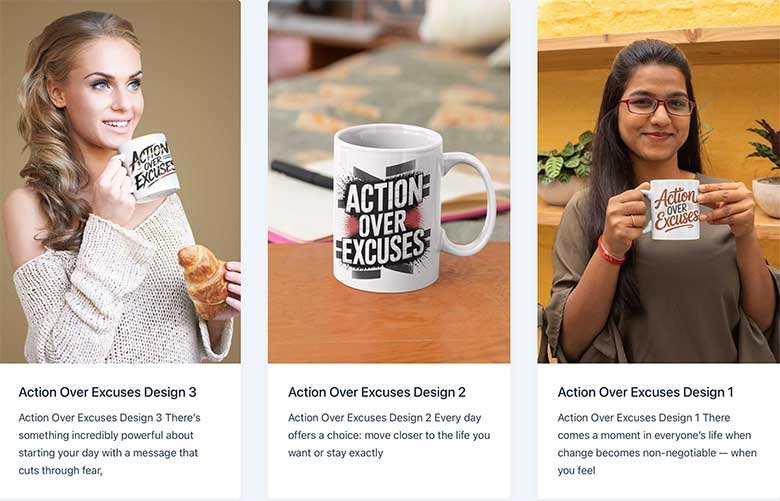
Perspective Prints at Premier Print Works
Keep the reminder that the same situation looks completely different when you decide to see it differently — visible where the daily lens-changing work happens. Visit Premier Print Works for prints, mugs, and art for the person choosing the different angle that changes everything.
Visit Premier Print WorksDisclaimer
The content on A Self Help Hub is for informational and inspirational purposes only. The life quotes and personal stories in this article offer general support for everyday personal development, mindset, and self-awareness. They are not professional mental health advice, psychological counseling, or any form of clinical treatment.
Perspective shifts and reframing can be powerful tools for personal growth and everyday wellbeing. However, if you are dealing with significant depression, anxiety, trauma, grief, or other mental health conditions, please seek support from a qualified mental health professional. General self-help content is not a substitute for professional care. If you are in an unsafe situation, please reach out to a trusted person or professional resource right away. Your safety comes first.
The stories and composite characters in this article, including Heloise and Rafferty, are illustrative. They are based on common experiences and created to make the content relatable. They are not real people. Any resemblance to a specific person is coincidental.
Some links on this site, including links to Premier Print Works, may be affiliate links. A Self Help Hub may earn a small commission at no extra cost to you. We only recommend things we genuinely believe in.
The Sober Survival Guide linked in this article is general supportive information only. It is not a substitute for professional addiction treatment or medical care. If you or someone you love is struggling with addiction, please seek help from a qualified professional. Recovery is possible.
If you are in a mental health crisis or thinking about self-harm, please do not rely on this content for support. Contact emergency services or a crisis helpline right away. You deserve real help and it is available to you now.
All content on A Self Help Hub is copyrighted. You may not copy or republish it without written permission. By reading this article you agree to this disclaimer.