7 Self Care Tips That Help You Protect Your Peace
The peace being protected is not the absence of difficulty in the outer world. It is the specific inner state that stays intact — grounded, clear, genuinely yours — even when the outer world is noisy and demanding and full of the people and the situations that would take the peace if it were left unguarded. Protecting the peace is not the passive state of the person who has somehow arranged the circumstances to be perpetually comfortable. It is the active daily practice of the person who has decided that the inner life is worth the effort it takes to maintain it in the face of everything that will try to disrupt it.
These seven self-care tips are the specific daily practices of the peace protection. Not the bubble bath and the scented candle — though rest and restoration are genuinely part of the practice. The specific, practical acts of the person who knows what takes the peace and has decided to stop allowing it in unchecked. The person who has been losing the peace to the same sources for long enough to name them and address them. The person who is ready to treat the peace not as the nice thing to have when the circumstances cooperate but as the necessity to be actively maintained regardless of the circumstances. These seven are the starting point. The peace is worth every one of them.

Free Download: The Self-Care Starter Kit
Protecting your peace is the deepest available form of self-care. The free Self-Care Starter Kit gives you simple daily practices for your mind, your body, and your inner life — the foundation from which the protected peace grows and holds. Download it free today.
Get the Free Self-Care Starter Kit1. Audit the Drains — Name What Is Actually Taking the Peace Before You Can Protect It
“Peace is not given — it is protected, and protecting it starts with you.”
The peace cannot be protected from what has not been named. The person who feels chronically depleted and anxious without the clear identification of the specific source of the depletion is the person who cannot address the specific source because it has not been specifically identified. The peace audit is the honest examination of the current daily life for the specific people, habits, environments, and obligations that most consistently leave the inner state worse after their presence than before — the specific drains that are taking the peace daily without the full acknowledgment of how consistently they are doing it.
Conduct the peace audit this week. At the end of each day, note the three interactions, situations, or activities that most consistently left the inner state depleted rather than restored. After five days, examine the pattern. The recurring names and situations on the list are the specific drains. The ones that appear most consistently are the ones most requiring the specific response — the limit set, the exposure reduced, the habit replaced, the obligation released. The audit does not produce the change. It produces the information that the change requires. Start with the information. The protection follows from the knowing what needs protecting from.
“Your peace is not a preference — it is a necessity, and these tips will help you treat it that way.”
2. Create the Daily Decompression Practice — Give the Nervous System the Reset It Needs
“Peace is not given — it is protected, and protecting it starts with you.”
The nervous system that moves from one demand to the next without decompression between them is the nervous system that accumulates the day’s stress load without releasing it — arriving at the evening carrying the combined emotional weight of every unsettled interaction and every unresolved concern of the day piled on top of each other. The decompression practice is the specific daily activity that interrupts this accumulation — the deliberate reset between the significant transitions of the day that releases the load before it has accumulated to the level that disrupts the peace the evening is supposed to hold.
Build the decompression practice for the specific transition that most reliably carries the stress forward. The transition from the work day to the personal evening is the most common and most consistently neglected. A ten-minute walk between the work and the home. The specific ritual that marks the end of the work mode and the beginning of the personal one. The brief physical activity that discharges the activated nervous system. The specific song, the specific practice, the specific signal to the body that the work day is over and the rest of the evening belongs to the person rather than the productivity. The decompression is not the luxury. It is the maintenance. Build it. The peace that follows the maintained nervous system is more consistently available than the peace attempted from the accumulated stress.
“Your peace is not a preference — it is a necessity, and these tips will help you treat it that way.”
3. Set and Hold the Digital Boundary — The Phone Is the Peace’s Most Consistent Thief
“Peace is not given — it is protected, and protecting it starts with you.”
The phone is the device that has made the peace’s primary enemies — the comparison, the outrage, the anxiety-producing news, the other people’s urgency interrupting the self’s genuine present moment — continuously and immediately available at every waking moment. The phone that is checked during every transition, that is present at every meal, that is the last thing looked at before sleep and the first thing reached for upon waking, is the phone that has been invited to disrupt the peace at every available opportunity. The digital boundary — the specific deliberate limitation on the phone’s access to the most peace-critical moments of the day — is the peace protection that addresses the single most consistent source of its disruption.
Build one specific digital boundary to start. The phone-free meal. The phone-off final hour before sleep. The notification settings that prevent the external urgency from interrupting the protected time. The phone charged outside the bedroom rather than beside the bed. Choose the one that addresses the most consistent disruption in the current daily life. Build it as the non-negotiable rather than the aspiration. The phone’s access to the peace is currently unlimited. The peace requires the specific limit. Set it. Hold it. The peace it protects is immediately and tangibly different from the peace attempted without the boundary. The digital boundary is one of the most immediately available peace-protection tools. Use it.
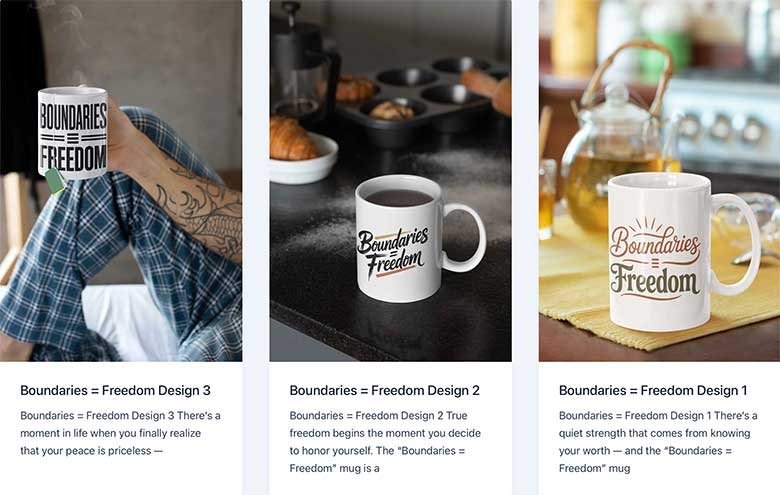
Visit Premier Print Works
Keep the reminder that peace is not given — it is protected, and protecting it starts with you — visible where the daily peace-protecting work happens. Premier Print Works offers prints, mugs, and art for the person choosing the peace and building the daily practices that keep it. Visit the shop today.
Visit Premier Print WorksHow Rowena Protected Her Peace by Finally Naming the Three Things That Had Been Taking It Every Day Without Her Realizing
Rowena had described herself as a person who struggled with anxiety without the clear external reason — the circumstances of the life were fine, the relationships were present, the professional situation was stable. The anxiety arrived anyway, reliably and daily, from sources she had not yet clearly identified. She had been managing the anxiety as the condition rather than investigating it as the symptom of the specific things in the daily life that were consistently producing it. The management had been genuine — the breathing practices, the therapy, the medication that helped. The investigation had been incomplete.
The peace audit she conducted during a week when the anxiety had been particularly high produced the information she had been managing around rather than gathering. Three sources appeared in the daily notes with a consistency that made them impossible to attribute to coincidence: the morning news consumption that was beginning every day from the activated nervous system before the day had officially started; the group messaging thread with three family members that reliably produced the specific anxiety of the person waiting for the next difficult message in an ongoing situation she could not resolve; and the late-afternoon social media check that was consistently occurring at the physiological low point of the day and producing the specific comparison-driven distress that the low-energy late-afternoon made the most available.
Three sources. Three specific daily practices that were producing the anxiety she had been treating as the mysterious condition rather than the predictable result of the known inputs. She made three changes. The morning news was moved to the early afternoon when the nervous system was fully awake. The group messaging thread notifications were turned off and replaced with a once-daily check at a time she chose. The late-afternoon social media check was replaced with the brief walk that the late-afternoon energy genuinely needed. The anxiety did not disappear. It reduced significantly in the weeks following the three changes — enough that the therapy could address the underlying contributors more directly without the daily additions the three habits had been continuously providing. She had not changed the anxiety. She had stopped feeding it with the three consistent daily inputs that the audit had finally made visible.
4. Protect the Mornings Before the World Arrives — the First Hour Sets the Tone
“Your peace is not a preference — it is a necessity, and these tips will help you treat it that way.”
The morning is the most available daily opportunity to set the peace before the world has had a single word in the day’s emotional climate. The morning given immediately to the inbox, the news, the social feed, the other people’s urgency — this morning is the morning that begins in the reactive state before the self has had a single moment of genuine presence in the day. The morning protected — the specific first window given to the practices and the presence and the intentional acts that belong to the self before anyone else — is the morning that establishes the peace as the starting point rather than the destination the rest of the day is trying to return to.
Protect the first thirty minutes of the morning as the non-negotiable peace investment. The specific acts of the morning that most reliably produce the genuine inner stability for the person who practices them — the quiet, the movement, the practice, the nourishment, the specific daily ritual that says this morning belongs to the self before it belongs to the schedule. The world will arrive fully within the hour. The first thirty minutes is the investment in the peace that the world will spend the rest of the day trying to disrupt. Invest it deliberately. The morning’s first thirty minutes is the most accessible and most regularly neglected daily peace protection available. Claim it.
“Peace is not given — it is protected, and protecting it starts with you.”
5. Practice the Honest No — the Yes That Depletes Is the Peace’s Quiet Killer
“Your peace is not a preference — it is a necessity, and these tips will help you treat it that way.”
The accumulated yeses that produced the depleted daily life — the commitments made from obligation rather than genuine willingness, the accommodations given from the discomfort with the no rather than the genuine desire to give — are the accumulation of the daily peace surrenders that the honest no would have protected. Each yes given from the genuine willingness is the peace preserved through the genuine gift. Each yes given from the guilt or the obligation or the path-of-least-resistance accommodation is the small peace surrender — small in the individual instance, significant in the accumulated daily practice of the person whose yeses are rarely genuinely chosen.
Practice the honest no as the peace protection habit. The brief internal check before the yes is given: is this something I am genuinely willing to do, or is this the path-of-least-resistance accommodation of the request I would prefer to decline? The request that receives the honest no is the request that has been treated with the honesty the relationship deserves. The request that receives the complied yes is the request that received the performance of the willingness that the resentment beneath it will eventually make visible anyway. The honest no protects the peace in the moment and the relationship in the long run. Practice it. The peace that the honest no protects is the peace that the complied yes consistently surrenders.
“Peace is not given — it is protected, and protecting it starts with you.”
6. Build the Restorative Practice — Fill the Inner Resource That the Day Depletes
“Your peace is not a preference — it is a necessity, and these tips will help you treat it that way.”
The daily life depletes. The demands, the decisions, the emotional labor, the sustained effort — these are the draws on the inner resource that the restorative practice must consistently refill for the peace to remain available through the day’s second half and the evening that follows it. The restorative practice is not the rest from the tiredness of the productive work — it is the specific activity that genuinely restores the inner resource rather than only pausing the depletion. The walk in the natural environment. The creative activity done for its own sake. The genuine laughter. The physical contact. The specific music. The presence with the person whose company genuinely restores rather than drains. These are the restorative activities — different for each person, requiring the honest self-knowledge of which activities produce the genuine restoration for the specific nervous system.
Schedule the restorative practice as the protected daily investment rather than the reward for the sufficient productivity. The person whose restorative practice is consistently displaced by the additional productivity is the person whose inner resource is being consistently depleted without the consistent refilling — the person who will arrive at the end of the week without the peace that the protected daily restoration would have maintained. Schedule it. Protect it from the productivity that will claim it if the choice is not deliberately made. The restorative practice is the peace maintenance. The peace is the necessity. Maintain it daily.
“Your peace is not a preference — it is a necessity, and these tips will help you treat it that way.”
7. Return to the Center — Build the Daily Practice That Brings You Back to Yourself
“Peace is not given — it is protected, and protecting it starts with you.”
The peace that holds through the difficult day is the peace that has a center to return to — a specific inner place of genuine groundedness that the difficult day displaces from temporarily and that the daily return practice brings the self back to. Not the permanent state of the undisturbed equilibrium — the consistently practiced return to the self’s own center after the disruption that the difficult day reliably produces. The center is not the location. It is the inner state — the specific quality of the genuine presence in the self that the daily practice of the meditation, the prayer, the journaling, the specific movement, or the dedicated quiet produces in the person who practices it consistently enough for it to become genuinely accessible when the difficult day has displaced from it.
Build the daily return practice — the specific five to fifteen minutes of the deliberate return to the self’s own center. The specific form is the secondary question. The consistency is the primary one. The daily practice of the return builds the specific capacity to return more quickly and more reliably after the difficult moment than the capacity built from the irregular practice. The center that is returned to daily is the center that is more accessible in the moment when the difficult situation has displaced from it. Build the return. Practice it daily. The peace that holds through the difficult day is the peace built from the consistent daily return to the place where the peace lives. Return to it. Every day. The peace is there.
“Your peace is not a preference — it is a necessity, and these tips will help you treat it that way.”

Free Download: The 7-Day Life Reset
Protecting your peace takes root most powerfully in a daily life that has been deliberately reset to create the space for it. The free 7-Day Life Reset gives you seven focused days to build the daily structure from which the protected peace grows and holds. Download it free today.
Get the Free 7-Day Reset
Protecting Your Peace Through Recovery? This Is for You.
For some people, protecting the inner peace these tips describe is the daily practice of the recovery journey — the specific work that makes the new life real and worth protecting. If that is where you are, the free Sober Survival Guide offers honest daily support. Download it free.
Get the Free Sober Survival GuideThe Peace Worth Having Is the Peace Actively Protected — These Seven Tips Are the Daily Practice of That Protection
Audit the drains — name what is actually taking the peace before you can protect it. Create the daily decompression practice. Set and hold the digital boundary. Protect the mornings before the world arrives. Practice the honest no — the yes that depletes is the peace’s quiet killer. Build the restorative practice that fills the inner resource the day depletes. Return to the center every day. Seven self-care tips. The peace being protected is the peace genuinely available — not dependent on the circumstances cooperating but maintained from the inside regardless of what the outside is doing. Peace is not given. It is protected. The protecting starts with you. Start today.

Free Download: The Self-Care Starter Kit
Support the protection of your peace with daily self-care that keeps you genuinely connected to the inner resource that the protection requires. The free Self-Care Starter Kit gives you simple sustainable daily practices for your mind, your body, and your inner life. Download it free today.
Get the Free Self-Care Starter KitOur Top Picks for a Better Life
We have gathered our favorite tools, resources, and recommendations for protecting the inner peace, building the daily self-care that maintains it, and creating the daily practices from which the peace that does not depend on the outer circumstances holds regardless of what the day delivers. Everything we trust enough to share, all in one place.
See Our Top Picks
Peace Protection Prints at Premier Print Works
Keep the reminder that your peace is not a preference — it is a necessity, and these tips will help you treat it that way — visible where the daily protecting happens. Visit Premier Print Works for prints, mugs, and art for the person actively choosing and protecting the peace they deserve.
Visit Premier Print WorksDisclaimer
The content on A Self Help Hub is for informational and inspirational purposes only. The self-care tips and personal stories in this article offer general support for everyday personal development, inner peace, and emotional wellbeing. They are not professional mental health advice, medical advice, psychological counseling, or any form of clinical treatment.
Everyone’s experience with peace, wellbeing, and personal history is deeply individual. If you are dealing with significant anxiety, depression, trauma, or other mental health conditions affecting your daily functioning and sense of inner peace, please speak with a qualified mental health professional. General self-help content is not a substitute for professional care. These tips are intended as supportive practices alongside — not in place of — professional support where it is needed. If you are in an unsafe relationship or situation, please reach out to a trusted person or professional resource right away. Your safety comes first. The National Domestic Violence Hotline is available at 1-800-799-7233. If you are in immediate danger, please call emergency services.
The stories and composite characters in this article, including Rowena and Croft, are illustrative. They are based on common experiences and created to make the content relatable. They are not real people. Any resemblance to a specific person is coincidental.
Some links on this site, including links to Premier Print Works, may be affiliate links. A Self Help Hub may earn a small commission at no extra cost to you. We only recommend things we genuinely believe in.
The Sober Survival Guide linked in this article is general supportive information only. It is not a substitute for professional addiction treatment or medical care. If you or someone you love is struggling with addiction, please seek help from a qualified professional. Recovery is possible.
If you are in a mental health crisis or thinking about self-harm, please do not rely on this content for support. Contact emergency services or a crisis helpline right away. You deserve real help and it is available to you now.
All content on A Self Help Hub is copyrighted. You may not copy or republish it without written permission. By reading this article you agree to this disclaimer.