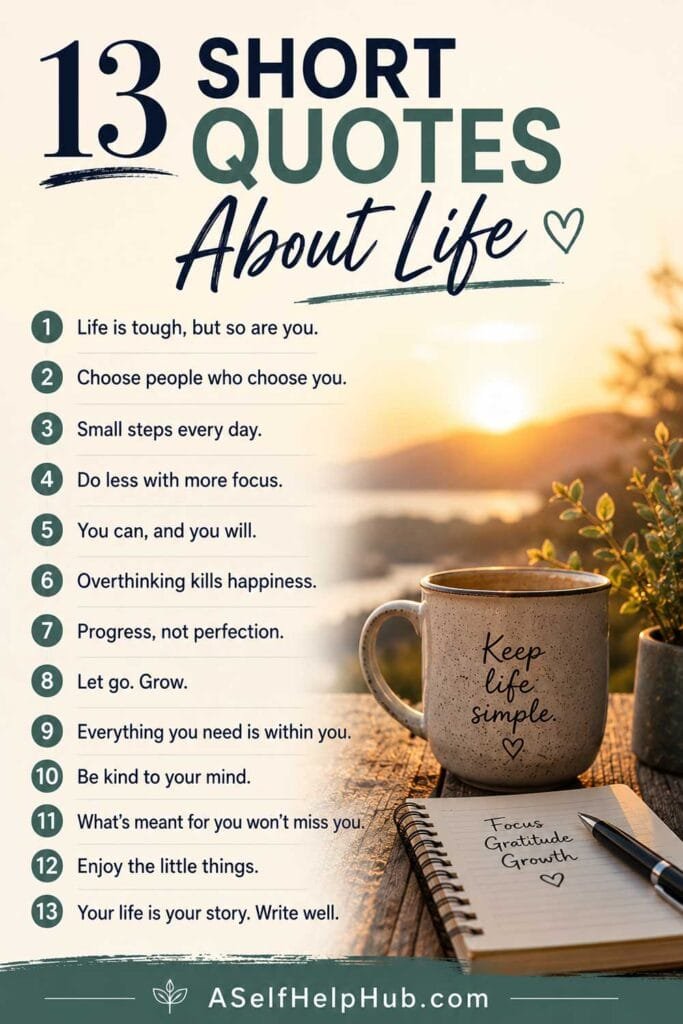
13 Positive Mindset Quotes That Help You Choose Hope Over Fear
Fear and hope are frequently both genuinely available responses to the exact same, uncertain situation. Neither one is more objectively accurate than the other. The actual difference is which one a person deliberately chooses to lead with, again and again, in each new moment that decision genuinely arises.
The thirteen quotes below sit specifically at that decision point — the moment fear and hope are both genuinely available, and one must actually be chosen.

Build the Daily Habits Behind Genuinely Choosing Hope
Download the free 9 Daily Habits guide and get nine simple morning practices that build the daily foundation this choice rests on.
Get the Free Guide1. “Fear and hope can both genuinely explain the same uncertain future. Only one of them is worth actually choosing to lead with.”
An uncertain future, genuinely explainable by either a fearful or a hopeful story, is sometimes treated as though fear were the more honest, realistic option, when hope explains the same uncertainty just as genuinely. This specific reflection names that choice directly, rather than assuming fear is somehow the more accurate default.
Reflect today on one uncertain situation where you could genuinely choose either story, and choose hope deliberately.
2. “Choosing hope is not denying that fear is genuinely there. It is deciding which one actually gets to lead.”
Choosing hope is sometimes mistaken for denying fear’s genuine presence entirely, when it more accurately means actually allowing fear to exist while still choosing hope to lead the specific response. This specific distinction protects the choice from requiring fear to fully disappear first.
Notice today one moment fear is genuinely present, and choose hope to lead anyway, without denying the fear.
Surround Yourself With What Supports Choosing Hope
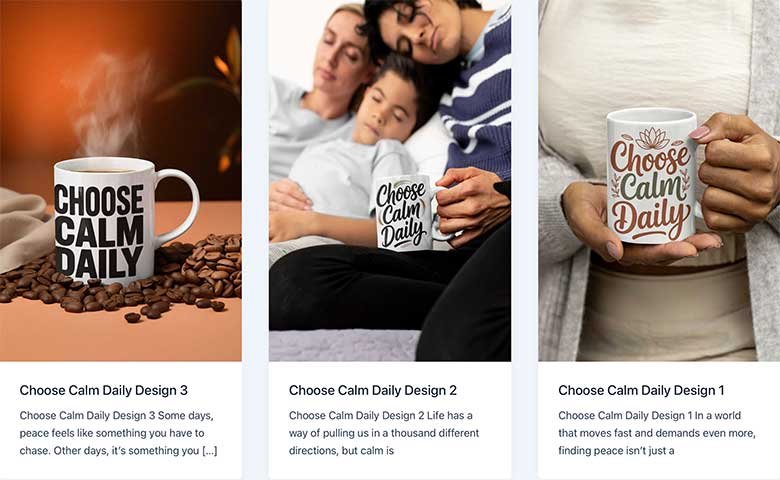
Premier Print Works creates quality prints, mugs, and shirts for people who are building the daily habits that support genuinely choosing hope over fear. Find what speaks to your journey today.
Visit Premier Print Works3. “Fear asks what could genuinely go wrong. Hope asks what could genuinely still go right. Both are honest questions.”
Fear’s specific question and hope’s specific question are both genuinely honest, valid questions to ask about the same, uncertain situation, neither one inherently more truthful than the other. This specific framing removes the assumption that fear’s question is somehow the more responsible one to actually ask.
Ask hope’s specific question today about one situation you have mostly been asking fear’s question about.
“Fear and hope are frequently both genuinely available responses to the exact same, uncertain situation. The actual difference is which one a person deliberately chooses to lead with.”
Get Clear on Where Fear Has Been Quietly Leading You
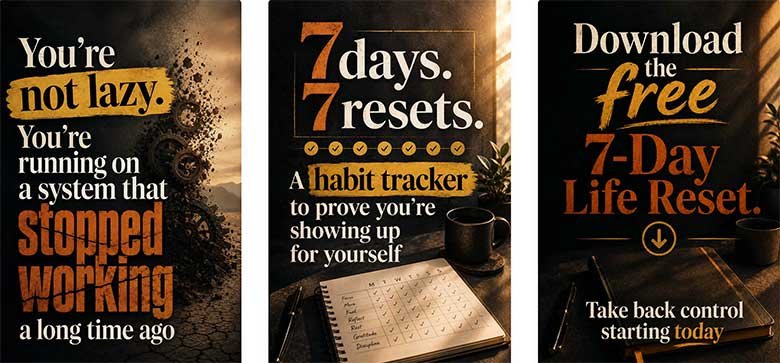
The free 7-Day Life Reset gives you one short prompt a day for a week, helping you get honest about where fear has been quietly leading you.
Start the Free Reset4. “A decision made from fear and the same decision made from hope can look identical on paper and feel entirely different to actually live.”
Two identical, outward decisions, one genuinely made from fear and the other from hope, can look the same on paper while producing an entirely different, felt experience of actually carrying them out. This specific distinction reveals that the choice between fear and hope shapes more than the decision itself.
Notice today whether your next decision is genuinely being made from fear or from hope, and choose deliberately.
5. “Fear has genuinely kept people safe. It has also genuinely kept people small. The choice is knowing which one is actually happening.”
Fear’s genuine, protective function is sometimes used to justify its presence in a situation where it is actually keeping a person small rather than genuinely safe, a distinction worth actually examining rather than assuming fear is always serving its protective purpose. This specific reflection asks which one is genuinely happening right now.
Ask today whether a specific fear is genuinely keeping you safe or actually keeping you small.
6. “Hope is not the absence of a genuine reason to be afraid. It is the decision that the reason does not get the final word.”
Hope is sometimes mistaken for requiring the genuine absence of any real reason to be afraid, when it more accurately means deciding that the reason for fear, however genuine, does not get to be the final, deciding word. This specific reframe makes hope available even alongside a genuinely valid fear.
Choose today to let hope, not fear, have the final word on one genuinely uncertain situation.
7. “The story fear tells is genuinely detailed and vivid. The story hope tells deserves the exact same level of genuine detail.”
Fear’s specific story about a possible, negative outcome is sometimes told in genuinely vivid, specific detail, while hope’s corresponding story is left vague and underdeveloped by comparison, an imbalance worth actually correcting. This specific reflection calls for building hope’s story with the same, genuine specificity.
Build hope’s specific story today with the exact same detail you have been giving fear’s story.
8. “Choosing hope once is a moment. Choosing it again tomorrow, and the day after, is genuinely what makes it a mindset.”
Hope, chosen once during a single, difficult moment, is a genuine act, but choosing it repeatedly, again and again across many separate moments, is what genuinely turns the single act into an actual, ongoing mindset. This specific distinction names hope as a practice, not a one-time decision.
Choose hope again today, in one specific moment, continuing the practice rather than treating it as already complete.
9. “Fear narrows what feels genuinely possible. Hope widens it. Notice which one is currently shaping your own view.”
Fear, allowed to lead a specific situation, genuinely narrows the range of what feels possible within it, while hope, chosen instead, genuinely widens that same range. Noticing which one is currently, actually shaping your own view directly reveals whether the narrowed or widened version is the one actually in charge.
Notice today whether fear or hope is currently narrowing or widening your own view of one specific situation.
10. “A hopeful person is not someone who has genuinely never been afraid. They are someone who chose again anyway.”
A genuinely hopeful person is sometimes imagined as someone who has simply never experienced real fear, when they more accurately are someone who has genuinely experienced fear and chosen hope again anyway, repeatedly. This specific reframe makes genuine hopefulness available to anyone who has actually felt afraid.
Choose hope again today, even in a moment you genuinely feel afraid, becoming the person this quote describes.
11. “Fear protects the version of you that already exists. Hope makes room for the version you are genuinely becoming.”
Fear’s protective function is frequently aimed at preserving a person’s current, already-existing version, while hope makes real, genuine room for the version a person is actually still becoming. This specific distinction reveals what each response is genuinely oriented toward protecting or enabling.
Notice today whether fear or hope is currently shaping one specific choice about who you are genuinely becoming.
12. “You do not need fear to fully disappear before choosing hope. You only need hope to be the one that actually moves first.”
Choosing hope is sometimes delayed until fear has genuinely, fully disappeared first, a wait that can delay the choice indefinitely, when hope can actually move first even while fear is still genuinely present. This specific reflection removes the requirement that fear must fully leave before hope can genuinely lead.
Let hope move first today in one specific situation, even while fear is still genuinely present.
13. Revisit your own relationship between fear and hope periodically, since the balance between the two can shift with each new season of life.
The genuine balance between fear and hope, appropriate for a person at one point, can shift as new circumstances and seasons of life genuinely arise, which means periodically revisiting this relationship keeps the choice genuinely conscious rather than defaulting automatically to one or the other. This specific, periodic review protects the practice of choosing deliberately.
Revisit your own relationship between fear and hope this month, and notice which one has been leading by default.
Explore Our Top Picks for a Better Life
We have gathered the tools, resources, and products we think are genuinely worth your time — covering mindset, habits, health, and home. All in one place, hand-picked to support the hope behind these reflections.
See Our Top PicksReal Stories, Real Results
Amara had always assumed fear’s specific story about a possible, negative outcome was simply the more honest, realistic option, without ever actually building hope’s corresponding story with the same, genuine detail. Building that specific, detailed hopeful story for the first time, revealed a genuinely valid, equally honest alternative her fear-only habit had never actually offered her. She said fear’s story had never actually felt like a choice to her before. Compared against a detailed, hopeful one, though, how much of a real choice it had actually been became clear.
Joel had always waited for a specific fear to genuinely, fully disappear before he would actually allow himself to choose hope in a difficult situation. Letting hope move first instead, for the first time, even while the fear was still genuinely present, revealed that hope did not actually require fear’s full absence to genuinely lead. He said his earlier waiting had never actually felt like an unnecessary delay to him. Moved past directly, though, how unnecessary the wait had actually been became clear.
The Choice Is Which One Gets to Lead
Each quote in this article sits at the specific decision point where fear and hope are both genuinely available — the identical uncertain future, the equally honest question, the choice of which story gets built in detail. None of these ask fear to fully disappear first.
Choose two or three quotes that speak most directly to where you are currently choosing between fear and hope, and revisit them this week. Download the free 9 Daily Habits guide to give this practice a consistent daily foundation to build from. Fear and hope are both genuinely available responses to the same, uncertain situation. The choice is which one leads.
Ready to Build the Habits Behind Genuinely Choosing Hope?
The free 9 Daily Habits guide walks you through nine simple morning practices that build the daily foundation this choice rests on.
Download Free Now
Fill Your Space With What Supports Choosing Hope
Premier Print Works makes quality prints, mugs, and shirts for people building genuine, deliberate hope. Browse the collection and find what speaks to your journey today.
Visit Premier Print WorksDisclaimer
The content on this page is for informational and inspirational purposes only. It is not professional mental health or medical advice of any kind. If you are experiencing significant or persistent fear or anxiety, please consider seeking support from a qualified mental health professional. Results and experiences vary significantly from person to person.
The stories of Amara and Joel are illustrative composite characters created to bring the content to life. They are not real people. Any resemblance to a real person is purely coincidental.
Some links on this page, including links to Premier Print Works and other resources, are affiliate links. If you make a purchase through one of these links, we may earn a small commission at no extra cost to you. We do not own, produce, or control any affiliate products, and we are not responsible for them — we only own and sell the products offered through our own store, Premier Print Works.
All content on A Self Help Hub is the property of Digital Marketing 215 LLC and is protected by copyright law. No part of this page may be copied, reproduced, republished, distributed, or transmitted in any form without prior written permission from the author.