9 Self Improvement Tips for People Who Want Real Change
How long does it take to build a new habit? You’ve probably heard 21 days. It’s a nice, tidy number, and it doesn’t hold up very well.
In 2010, psychologist Phillippa Lally and her colleagues published a study in the European Journal of Social Psychology that looked at habits as they formed in real life. They asked 96 volunteers to pick one eating, drinking, or activity behavior and do it every day in the same situation, like “after breakfast,” for 12 weeks. Every day, the volunteers rated how automatic the behavior felt. Of the 82 people who provided enough data, the estimated time to reach 95 percent of their peak automaticity ranged from 18 to 254 days. The average was about 66 days. The 254 figure was an estimate, since the study only lasted 84 days, and about half of the participants hadn’t reached a high level of automaticity by the end.
Two other findings matter just as much. The early repetitions produced the biggest gains, and missing one opportunity to do the behavior did not materially affect the habit-forming process. The researchers also reported that more complex behaviors seemed to take longer.
Some cautions. This was a fairly small study based on self-reports, and the behaviors were simple ones. I’m applying the ideas to self-improvement more broadly, and that’s my own extension. The nine tips below are built on what the study found. The ones that go beyond it are mine, and I’ll say so.

Start With One Small Daily Habit
Grab my free 9 Daily Habits guide. It has nine morning practices you can pick from, and any one of them makes a good small first step.
Get the Free Guide1. Expect real change to take months, not weeks
The study found a range of 18 to 254 days, with an average near 66. That’s a wide spread, and most of us would be somewhere in the middle. Plan for months.
When I first tried to build a daily writing habit, I quit at week three because it still felt like work. I thought I was failing. I wasn’t. I was simply early in the curve. Knowing the range would have saved me a lot of doubt.
Try this: Pick one change you want, and write “this will take about three months” at the top of the page.
2. Start with one small behavior
Complex behaviors seemed to take longer to become habits in the study. So make your first step simple. “Drink a glass of water after brushing my teeth” is easier to automate than “eat better.”
You can always add more later. One small behavior, done daily, is a better start than a big plan you can’t keep. The size advice is mine, based on the complexity finding.
Try this: Choose one change, and shrink it to something that takes under two minutes.

A Small Reminder That Change Takes Time
I make prints, mugs, and shirts at Premier Print Works. Some people like a reminder where they can see it.
Visit Premier Print Works3. Attach it to the same moment every day
Volunteers in the study did their behavior in the same context each day, like after breakfast. Those who did it more consistently showed a better fit with the habit-forming curve.
Choose a cue you already have, like pouring your coffee, getting into the car, or closing your laptop. Doing the new behavior right after it gives your brain a reliable signal.
Try this: Finish this sentence: “After I ___, I will ___,” and use it tomorrow.
Real change is slower than we hope and more forgiving than we fear.
4. Show up every day in the first few weeks
In the study, the early repetitions produced the largest gains in how automatic the behavior felt. That suggests the first weeks matter most.
So try hard to keep it going in the beginning. Make it easy, put it in your day, and protect it. This isn’t about being perfect. It’s about giving the habit a strong start.
Try this: For the first two weeks, treat your new behavior as a daily appointment, and put it on your calendar.

Take a Week to Notice What You Want to Change
My free 7-Day Life Reset is a short week of reflection on your own routines. It’s a good place to start seeing what gets in your way.
Start the Free Reset5. Don’t panic if you miss a day
Here’s the most freeing finding. Missing one opportunity did not materially affect the habit-forming process. One slip isn’t a reset.
Last spring, I skipped three days of a morning walk because of a cold. I’d have called the whole thing ruined in the past. Instead, I just started again, and it didn’t feel like starting over. The study supports this, and your experience may vary.
Try this: Decide in advance what you’ll do after a miss: “I’ll do it the next day, no makeup needed.”
6. Keep it simple until it feels automatic
Because complex behaviors took longer, resist the urge to stack on extras. Keep the habit as it is until it feels almost automatic. Then you can build on it.
It’s tempting to add things when you’re feeling good. Give the first habit time to settle. That patience is the part I most wish I’d learned sooner.
Try this: Hold your habit steady for at least a month before you add anything new.
7. Rate how automatic it feels, once a week
The researchers measured how automatic each behavior felt, using daily ratings. You can do a simple version. Once a week, rate your habit from 1 to 10 on how much you have to think about doing it.
Watching the number move is encouraging, since progress can be hard to see. This tracking idea is my own version of what the researchers did.
Try this: Write “how automatic does this feel?” on your calendar every Sunday, and note a number from 1 to 10.
8. Make it smaller if it isn’t sticking
If a month goes by and the habit still takes a lot of effort, don’t blame yourself. Shrink it or change the cue. Walk for five minutes instead of twenty. Do it at a different point in the day.
About half the people in the study hadn’t reached a high level of automaticity by day 84, so a slow start is common. Adjusting the plan is a smart move, not a failure. That advice is mine.
Try this: If your habit still feels hard after four weeks, cut it in half and keep going.
9. Keep going past the plateau, and mark the milestones
Habits rise quickly and then level off. The curve in the study flattened as the behaviors became automatic. When your habit gets there, it’s worth noticing.
Celebrate in a small way, and then choose your next change. If you feel stuck in patterns that are hurting you, and habits alone don’t seem to be enough, please talk with a doctor or a licensed mental health professional. Change is easier with support. That’s my caution, not a finding.
Try this: When your habit feels automatic, write down the date and pick your next small change.
Explore Our Top Picks for a Better Life
I put together a list of tools and products I think are worth your time, covering mindset, self-care, health, and home.
See Our Top PicksTwo People Who Gave Change Enough Time
I know a woman named Kezia who quit three different exercise routines because she felt she “wasn’t sticking to it.” She started with a ten-minute walk after lunch and gave herself three months. She told me the walk felt like a chore for about six weeks, and then one day she caught herself putting on her shoes without thinking.
I also think about a guy named Daniel who used to treat every missed day as proof that he couldn’t change. When he learned that one miss doesn’t derail a habit, he started simply picking up the next day. He told me that one idea was the difference between quitting and continuing.
Picture Change That Doesn’t Require Perfection
Imagine a habit that’s slowly becoming part of your day. Some days you miss it, and the next day you do it again. You aren’t counting days anymore. One morning, you realize it’s just what you do.
Pick one tiny change and attach it to something you already do. Give it a few months. If you’d like some simple habits to choose from, get my free 9 Daily Habits guide.
Want to Go Further?
I’m building out some deeper, paid resources for people who want more than a single article can cover. They’re not live yet, but you can see everything I currently have ready for you, free and otherwise, on my Top Picks page.
See What’s Available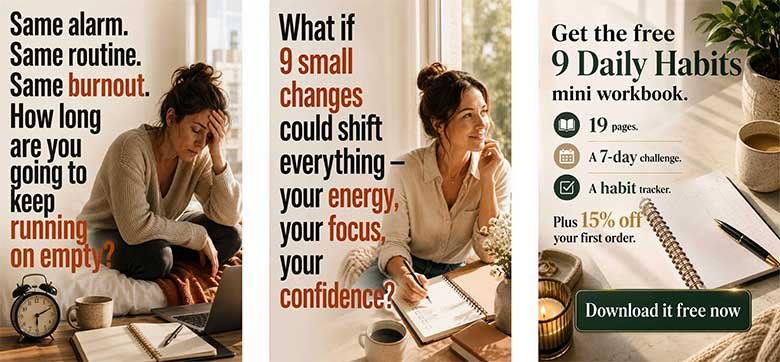
Ready to Start Something Small and Real?
Download my free 9 Daily Habits guide and pick one small habit to start today.
Download Free Now
A Small Reminder That Change Takes Time
Take a look at Premier Print Works for prints, mugs, and shirts made for people who like a small daily reminder.
Visit Premier Print WorksDisclaimer
This page is for informational and inspirational purposes only. It is not professional therapy, coaching, or medical advice. The research referenced here comes from the published work of Phillippa Lally, Cornelia H. M. van Jaarsveld, Henry W. W. Potts, and Jane Wardle, “How Are Habits Formed: Modelling Habit Formation in the Real World” (European Journal of Social Psychology, 2010), summarized here in plain language. It followed 96 volunteers who each chose a simple eating, drinking, or activity behavior and rated its automaticity for 84 days, with estimates of 18 to 254 days to reach near-peak automaticity and an average of about 66 days; it relied on self-report, and the 254-day figure was an estimate beyond the study period. It did not test the tips on this page beyond those tied to its findings, and the rest are my own and based on my experience. If you’re struggling with habits that harm you, please talk with a doctor or licensed mental health professional. Results vary from person to person.
Kezia and Daniel are made-up characters used to bring this content to life. They are not real people.
Some links on this page, including links to Premier Print Works, are affiliate links. If you buy something through one, we may earn a small commission at no extra cost to you. We only own and sell products through our own store, Premier Print Works.
All content on A Self Help Hub belongs to Digital Marketing 215 LLC and is protected by copyright law. No part of this page may be copied or reused without written permission.