13 Growth Mindset Hacks That Help You Handle Life With More Confidence
The confident person is not the one who never struggles. They are the one who has struggled enough times to know they can handle it. Confidence does not arrive before the hard thing. It gets built from the inside of it — from the decision to keep going when stopping would be easier, from the failure that produced the knowledge that the next attempt needed, from the challenge that turned out to be survivable despite everything the doubt said in advance.
These thirteen hacks are not shortcuts to confidence. They are the specific mindset shifts that make the building happen faster. Each one addresses a specific place where the growth mindset either develops or stalls. Pick the one that speaks most directly to where you are today. Apply it honestly. The confidence on the other side of that application is the only kind that lasts.

Free Download: The 9 Daily Habits Checklist
A growth mindset is built from consistent daily habits that keep the confidence growing through every challenge. The free 9 Daily Habits Checklist gives you nine proven daily practices to build the mindset and the confidence that lasts. Download it free today.
Get the Free Habits Checklist1. Reframe Failure as the Most Expensive and Effective Education Available
“A growth mindset does not just handle challenges — it is built by them.”
The fixed mindset experiences failure as a verdict. The growth mindset experiences it as tuition. You paid for the learning with the cost of the attempt. Now collect what you purchased. The specific knowledge of what did not work. The clarity about what the next attempt needs to do differently. The resilience built from having attempted something real and survived the outcome. These are the assets the failure produced. They do not arrive in any other way.
After any significant failure ask three questions before allowing yourself to draw any conclusions about capability. What specifically did not work and why? What would I do differently with what I know now? What do I know now that I did not know before the attempt? The answers to those three questions are the education. The failure was the price of enrollment. Collect the degree before you leave the classroom.
“Confidence is the byproduct of doing hard things and surviving every single one.”
2. Replace the Fixed Label With the Growth Question
“A growth mindset does not just handle challenges — it is built by them.”
Every fixed label closes a door. I am not good at this. I am not a confident person. I am not the kind of person who does that. These statements feel like facts because they have been rehearsed enough times to develop the texture of truth. They are not facts. They are conclusions drawn from limited evidence at a specific point in time that have been held as permanent beyond any reasonable expiration date.
Replace each fixed label with a growth question. Not I am not good at this but what would it take to get better at this? Not I am not a confident person but what would a more confident version of me do in this situation? Not I am not the kind of person who does that but what would I need to learn or practice to become someone who could? The question opens the door the label was keeping closed. Walk through it.
“Confidence is the byproduct of doing hard things and surviving every single one.”
3. Count the Survived Things More Often Than the Failed Ones
“A growth mindset does not just handle challenges — it is built by them.”
The brain has a negativity bias. It holds onto the failures more tightly than the survivals. The hard thing that did not go well is replayed. The hard thing that was handled well is quickly categorized as normal and forgotten. The result is a mental record that heavily overrepresents the failures relative to the actual history of competence and resilience that any honest accounting would reveal.
Deliberately count the survived things. Make the list. Every hard thing you have been through and come out of. Every setback that did not end the story. Every moment that felt like too much that turned out to be exactly enough. The list is longer than the brain’s automatic inventory suggests. The person who reads that list honestly sees something the negativity bias was hiding — a long and consistent record of being someone who handles hard things. That record is real. Let it be as available as the failure record has been.
“Confidence is the byproduct of doing hard things and surviving every single one.”
4. Act Like the Confident Version of You Before You Feel Like That Person
“A growth mindset does not just handle challenges — it is built by them.”
Waiting to feel confident before acting confidently has it exactly backwards. The feeling follows the action far more reliably than the action follows the feeling. You do not feel confident and then do the hard thing. You do the hard thing and then — from the evidence of having done it — you begin to feel like someone who does hard things. The feeling is the evidence of the action. The action comes first.
Ask yourself: what would a more confident version of me do right now in this specific situation? Then do that. Not because you feel ready. Because readiness is built from the doing and not from waiting for the feeling. Every action taken from the confident version of yourself before you fully feel it is a vote for the identity you are building. Cast enough votes. The identity becomes real. The feeling follows.
Visit Premier Print Works
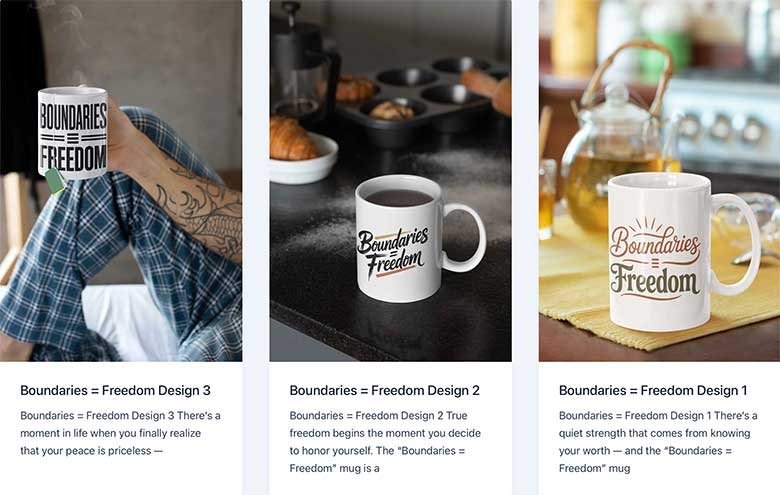
Keep the reminder that confidence is the byproduct of doing hard things and surviving every single one visible where your daily mindset work happens. Premier Print Works offers prints, mugs, and art for the person building the growth mindset that handles everything. Visit the shop today.
Visit Premier Print WorksHow Dessa Built the Confidence She Was Waiting to Find by Stopping the Waiting
Dessa had been waiting for confidence for most of her adult life. Not passively. She had been doing the personal development work. Reading the books. Building the habits. Taking the courses. She was not sitting still. She was preparing. And the preparation had become the substitute for the action it was supposed to enable. The reading about confidence was happening. The acting with confidence was perpetually next — after the next book, after the next skill was developed, after the next level of readiness arrived.
A mentor asked her a single question that shifted everything. She asked: if you were already the confident version of yourself you are trying to become, what would you do differently this week? Not eventually. This week. Dessa sat with the question for several days. The answer was specific and uncomfortable. The confident version of her would have asked for the project she had been watching someone else get. She would have submitted the writing she had been revising for six months. She would have said what she actually thought in the meeting where she had been saying the agreed-upon version instead.
She did all three that week. Not because the confidence had arrived. Because she had been given permission to act from the confident version before the feeling confirmed it. The project conversation went better than the waiting had suggested it would. The writing was submitted. The meeting thing was smaller and more doable than the rehearsed version in her head had made it seem. At the end of the week she had three pieces of evidence she had not had at the start. Not the confidence. The evidence. But the evidence was what the confidence was always going to be built from. She had just needed to stop waiting for the feeling before collecting the evidence.
5. Treat Every Criticism as Information to Be Evaluated — Not a Verdict to Accept or Reject
“Confidence is the byproduct of doing hard things and surviving every single one.”
The fixed mindset has two responses to criticism. Collapse or defensiveness. Neither produces the growth the criticism was supposed to enable. Collapse accepts the criticism as definitive evidence of inadequacy. Defensiveness rejects it entirely to protect the self-image. Both responses waste the information. Neither makes the thing being criticized better.
The growth mindset approach is the evaluation. Not acceptance and not rejection — examination. What specifically is the criticism pointing to? Is there something accurate in it even if the delivery was harsh or the source is not particularly trustworthy? What, if anything, is actionable? What can be used and what should be set aside? The evaluation keeps the information without letting the delivery determine the emotional response. Criticism evaluated and mined for the useful part is one of the fastest improvement loops available. Use it.
“A growth mindset does not just handle challenges — it is built by them.”
6. Find the Person Who Did the Hard Thing and Ask How Instead of Asking Whether
“Confidence is the byproduct of doing hard things and surviving every single one.”
The question whether the thing is possible is answered definitively by finding a single person who did it. Once one person has done it the question whether it is possible is closed. The remaining question is how — and how is a much more useful question for someone building the confidence to attempt it themselves. The story of how someone did the hard thing is far more confidence-building than any abstract belief in possibility.
When facing something that feels impossible find someone who has done it. Not the highlight reel version. The real path — the obstacles they encountered, the specific decisions they made, the way they responded when things did not go as planned. That level of specificity closes the gap between the person asking and the person who has done it in a way that general inspiration cannot. Find the how. The how makes the attempt feel real rather than merely possible.
“A growth mindset does not just handle challenges — it is built by them.”
7. Stop Describing Yourself in Terms of Fixed Traits and Start Describing Current Practices
“Confidence is the byproduct of doing hard things and surviving every single one.”
The person who says I am not a disciplined person has closed the development of discipline as a possibility. The person who says I have not built the discipline habit yet has left it open. The difference is not semantic. The brain responds differently to fixed identity claims than to current practice descriptions. The fixed claim makes the trait feel innate and unchangeable. The practice description makes it feel like a skill that is being built — which is what it actually is.
Listen for the fixed identity statements you make about yourself and reframe them as current practice descriptions. Not I am not organized — I have not built the organization system yet. Not I am not a reader — I have not built the daily reading habit yet. Not I am not confident — I am building the confidence through the daily practice of acting despite the doubt. Every reframe keeps the development open. Every fixed statement closes it. Keep them open.
“A growth mindset does not just handle challenges — it is built by them.”

Free Download: The Self-Care Starter Kit
Building a growth mindset and genuine confidence is easier from a foundation of daily self-care that keeps you steady through every challenge. The free Self-Care Starter Kit gives you simple daily practices for your mind, your body, and your inner life. Download it free today.
Get the Free Self-Care Starter Kit8. Use Hard Seasons as the Building Site — Not the Waiting Room
“A growth mindset does not just handle challenges — it is built by them.”
The hard season is where the growth mindset is built. Not in the easy stretches where everything is working. In the difficult ones where everything is being tested. The patience developed by waiting for the outcome while continuing to work. The resilience built from getting back up after the setback. The clarity about what actually matters that only the hard season can produce. These qualities cannot be developed in the absence of the difficulty that requires them.
Shift the frame on the hard season from waiting room to building site. Ask not when will this be over but what is this building in me? The patience. The specific knowledge that comes from the specific difficulty. The resilience that will be available for the next hard thing because it was built in this one. The hard season is not the pause in the growth. It is the accelerator of it. Let it build what it came to build.
“Confidence is the byproduct of doing hard things and surviving every single one.”
9. Acknowledge Progress Every Day Rather Than Measuring Only Against the Destination
“A growth mindset does not just handle challenges — it is built by them.”
Measuring progress only against the final destination produces the consistent experience of falling short. The destination is always further away than the progress of any single day. Measured against itself, today’s progress may be small. Measured against yesterday it is almost always real. The habit practiced again. The skill slightly improved. The decision made from the growth mindset rather than the fixed one. These are the daily progress markers that the destination-only measurement misses entirely.
End every day by naming one specific piece of progress. Not against the destination. Against yesterday. The one thing done today that was not done the same way yesterday. The one choice made from the growth mindset. The one hard thing handled rather than avoided. These specific daily acknowledgments build the body of evidence that confidence grows from. The destination will arrive from the accumulation of those days. The days are the building. Acknowledge the building.
“Confidence is the byproduct of doing hard things and surviving every single one.”

Building Confidence Through Recovery? This Is for You.
For some people, building a growth mindset and genuine confidence is happening alongside the daily work of sobriety. If that is where you are, the free Sober Survival Guide offers honest support for the person doing both kinds of growing at once. Download it free.
Get the Free Sober Survival Guide10. Seek Challenges Slightly Beyond Your Current Comfort Zone Every Week
“A growth mindset does not just handle challenges — it is built by them.”
The confidence built from challenges avoided is not built at all. It is performed. The real confidence — the kind that holds when life tests it — is built from challenges actually encountered and navigated. Not catastrophic challenges that overwhelm the system. The slightly uncomfortable ones. The ones that require a little more than the current comfort level provides and thereby expand what the comfort level includes.
Deliberately seek one challenge per week that is slightly beyond the current comfort zone. Not terrifying. Slightly uncomfortable. The ask you have been hesitating to make. The skill you have been avoiding because you are not yet good at it. The conversation you have been postponing because you are not sure how it will go. The intentional weekly stretch keeps the growth zone active. And the active growth zone is where the confidence is built. Stay in it. Deliberately and consistently. The confidence compounds from that.
“A growth mindset does not just handle challenges — it is built by them.”
11. Keep a Running Record of the Hard Things You Have Handled
“Confidence is the byproduct of doing hard things and surviving every single one.”
The evidence for your own capability exists. It is in the history of hard things handled, difficult seasons survived, and challenges navigated that have been the actual content of your life so far. The problem is not that the evidence does not exist. It is that it is not being actively maintained and accessed. The failure from last month is easy to recall. The competence demonstrated three years ago has been categorized as ordinary history and is no longer available as active evidence.
Keep a running record. A notebook or a document that gets a new entry every time something hard is handled. Not just the big things. The hard conversation that went well. The stressful period navigated without falling apart. The challenge that required everything you had and still got handled. The record builds the most reliable confidence resource available — the specific documented evidence that you are someone who handles hard things consistently. Access it before the next hard thing. Let the record speak for itself.
“A growth mindset does not just handle challenges — it is built by them.”
12. Give Yourself the Same Encouragement You Would Give a Close Friend
“Confidence is the byproduct of doing hard things and surviving every single one.”
Most people apply a double standard to themselves and their friends without realizing it. The friend who fails at something hard receives the generous interpretation — of course it did not work, it was difficult, you learned something important, try again. The self who fails at the same thing receives the harsh verdict — I should have done better, I am not capable of this, I always do this. The identical event interpreted entirely differently depending on whose experience it is.
Close the double standard. Give yourself the interpretation you would give a close friend in the identical situation. The generous one. Not as a form of self-deception but because the generous interpretation is actually more accurate. The friend is not being deluded about their failure. They are being given the honest complete view that includes the difficulty of the task, the effort made, and the learning produced. That honest complete view is what you deserve too. Apply it consistently.
“A growth mindset does not just handle challenges — it is built by them.”
13. Return to the Growth Mindset Every Time the Fixed One Comes Back
“Confidence is the byproduct of doing hard things and surviving every single one.”
The fixed mindset does not disappear when the growth mindset is developed. It returns. On the hard days. In the triggered moments. When the comparison is loudest or the failure is freshest. The growth mindset is not a permanent replacement for the fixed one. It is a practice that is chosen repeatedly in the moments when the fixed one would be the automatic response.
When the fixed mindset returns — and it will — acknowledge it without letting it stay. Notice it. Name it. I notice the fixed mindset is here. Then choose the growth response deliberately. Ask the growth question. Look for the learning. Count the survived things. Act from the confident version before it feels natural. The returning to the growth mindset is the practice. The practice is the growth mindset. There is no arrival at permanent growth mindset. There is only the consistent choosing that makes it feel more natural over time. Choose it now. Choose it again tomorrow. The confidence builds from the choosing.
“A growth mindset does not just handle challenges — it is built by them.”
How Kael Built Unshakeable Confidence by Learning to Use Every Setback as Building Material
Kael had a specific relationship with setbacks that he had never examined closely enough to change. When something went wrong his first instinct was to figure out what the setback meant about him. Not what it meant about the situation or the approach or the specific variables that had contributed to the outcome. What it meant about him specifically as a person. This interpretation arrived automatically and consistently and produced a recovery period after every setback that was longer and more difficult than the setback itself had been.
He started asking a different question after setbacks. Not what does this mean about me but what does this tell me about what I was trying to do and how to do it better? The shift was subtle on the surface. The effect was significant. The same setback that had previously produced days of difficult recovery now produced an hour or two of useful analysis followed by a clear understanding of what the next attempt needed to look like. The setback had not changed. The question asked about it had.
He kept a record of the changed questions and the information they produced. Over six months the record showed a pattern he had not been able to see before. Every setback had produced learning that had made the subsequent attempt better than it would have been without the setback. Not in a motivational poster way. In a specific, documented, traceable way. The product pitch that failed had revealed exactly what the decision-makers needed to see that the first version had not included. The relationship that ended had clarified what he actually needed in one that would work. The project that stalled had exposed a gap in the planning process that the rebuilt version no longer contained. The setbacks had been building something the whole time. He just had not been collecting what they built. He started collecting. The confidence that followed was not the performed kind. It was the earned kind — built from the specific documented evidence of someone who knew how to use hard things instead of just survive them.
The Confidence Built From These Thirteen Hacks Is the Kind That Lasts
Not the confidence that arrives when everything is going well and disappears when it is not. The kind built from the inside of the hard things. From the failure mined for education. From the survival counted alongside the failures. From the action taken before the feeling confirmed it was safe. From the weekly stretch into the slightly uncomfortable. From the return to the growth mindset every time the fixed one tries to come back. That confidence is built from these thirteen hacks applied honestly and consistently. Save them. Apply them. Come back to the one most needed when the next hard thing arrives. The confidence is in the building. And you are already building.

Free Download: The 9 Daily Habits Checklist
Keep building the growth mindset with the daily habits that sustain it through every challenge. The free 9 Daily Habits Checklist gives you the simple daily structure to keep the most important confidence-building practices consistent week after week. Download it free today.
Get the Free Habits ChecklistOur Top Picks for a Better Life
We have gathered our favorite tools, resources, and recommendations for building a growth mindset, developing genuine confidence, and creating the daily practices that make handling life’s challenges feel more natural over time. Everything we trust enough to share, all in one place.
See Our Top Picks
Growth Mindset Prints at Premier Print Works
Keep the reminder that a growth mindset does not just handle challenges — it is built by them — visible where your daily confidence work happens. Visit Premier Print Works for prints, mugs, and art for the person building the unshakeable kind.
Visit Premier Print WorksDisclaimer
The content on A Self Help Hub is for informational and inspirational purposes only. The growth mindset hacks and personal stories in this article offer general support for everyday confidence building and personal development. They are not professional mental health advice, psychological counseling, or any form of clinical treatment.
Everyone’s experience with confidence, mindset, and personal growth is different. If you are dealing with significant depression, anxiety, or other mental health conditions affecting your daily functioning and confidence, please speak with a qualified mental health professional. General mindset content is not a substitute for professional care.
The stories and composite characters in this article, including Dessa and Kael, are illustrative. They are based on common experiences and created to make the content relatable. They are not real people. Any resemblance to a specific person is coincidental.
Some links on this site, including links to Premier Print Works, may be affiliate links. A Self Help Hub may earn a small commission at no extra cost to you. We only recommend things we genuinely believe in.
The Sober Survival Guide linked in this article is general supportive information only. It is not a substitute for professional addiction treatment or medical care. If you or someone you love is struggling with addiction, please seek help from a qualified professional. Recovery is possible.
If you are in a mental health crisis or thinking about self-harm, please do not rely on this content for support. Contact emergency services or a crisis helpline right away. You deserve real help and it is available to you now.
All content on A Self Help Hub is copyrighted. You may not copy or republish it without written permission. By reading this article you agree to this disclaimer.