15 Saving Money Ideas That Help You Enjoy Life Without Overspending
The idea that enjoying life and saving money are in conflict is one of the most reliably expensive beliefs a person can carry. It produces the spending that feels like liberation while it is happening and guilt once it is done. The meal that was ordered because cooking felt like deprivation. The purchase made because the budget felt punishing. The trip taken without a plan because planning felt like restriction. These are the spending decisions that feel like enjoyment and function as its opposite — producing the financial stress that makes the next enjoyment feel necessary and the next overspend more likely.
These fifteen ideas are the alternative. Not the joyless restriction that confirms the conflict the spending habit was trying to resolve. The intentional approach that produces more genuine enjoyment for less money — because enjoyment chosen deliberately and anticipated is almost always better than enjoyment consumed automatically and regretted afterward. The life these ideas build is full. It is just not financially strained. Both are possible at the same time. These ideas show the way.
Free Download: The Money Reset Workbook
Enjoying life without overspending starts with a clear honest picture of where every dollar is going right now. The free Money Reset Workbook gives you the complete framework to find the balance between the life you enjoy and the financial stability you deserve. Download it free today.
Get the Free Money Reset Workbook1. Create a Fun Money Budget — and Spend It Without Guilt
“Enjoy more by spending smarter — the two are not enemies.”
The budget that does not include a specific enjoyment category is the budget that gets abandoned when enjoyment arrives — as it reliably does. The person who builds a budget with zero allocation for fun either overspends on fun because it was not planned for or lives so restrictively that the budget feels punishing and unsustainable. Neither outcome is the goal. The goal is the budget that includes the enjoyment explicitly — a specific dollar amount set aside each month for the things genuinely enjoyed, spent without guilt on exactly those things, within the defined limit.
The fun money budget is not the enemy of saving. It is the protection of the saving. The defined amount spent on genuine enjoyment each month prevents the unsanctioned spending that happens when the enjoyment need has no approved outlet. The person with two hundred dollars per month of guilt-free fun money spends it deliberately and does not spend beyond it. The person with zero dollars of approved fun spending finds the fun anyway — just less deliberately and often for more money. Build the fun category. Fund it honestly. Spend it joyfully. Save everything else.
“A full life does not require a full wallet — just a wise one.”
2. Plan the Experiences You Most Want and Save Toward Them
“Enjoy more by spending smarter — the two are not enemies.”
The planned experience is almost always more enjoyable than the impulsive one — and significantly less likely to produce regret. The trip saved for over six months is experienced differently from the trip booked on a whim that the credit card is still paying for. The anticipation of the planned experience is itself a form of enjoyment. The research, the saving, the looking forward — these are pleasures that the impulsive version skips. The planned experience arrives fully paid for and fully savored. The impulsive experience arrives with a financial tail that diminishes the memory of it.
Identify the three experiences most genuinely wanted in the next year. Not the experiences that seem like good ideas — the ones that produce genuine anticipation when imagined. Name them. Build a savings line item for each one. Watch the fund grow toward each experience with a specific purpose. The experience saved for is the experience owned rather than borrowed. The ownership changes the quality of the experience itself. It arrives without the financial shadow the impulse purchase casts. Plan for the best things. Save for them. Then enjoy them fully.
“A full life does not require a full wallet — just a wise one.”
3. Find the High-Joy Low-Cost Activities in Your Own Community
“Enjoy more by spending smarter — the two are not enemies.”
Most communities contain more free and low-cost activities than most of their residents are aware of. The free concerts and outdoor films in the summer. The library events and author talks. The hiking trails and parks that are accessible and beautiful at no cost. The community festivals and neighborhood events. The free museum days and gallery openings. These activities exist in almost every community of any size and are consistently underused by the people who pay for entertainment alternatives without knowing the free alternatives exist.
Spend one hour this month finding what is free and low-cost in the local community. The city parks and recreation website. The library events calendar. The local events newsletter. The community board in the coffee shop. The one hour of research will produce a list of activities that replaces a significant portion of the paid entertainment budget with experiences that are often equally or more enjoyable. The free outdoor concert with the picnic blanket and the homemade snacks is not the lesser version of the paid entertainment. It is often the more memorable one. Find it. Use it. The community built it for exactly this purpose.
“A full life does not require a full wallet — just a wise one.”
4. Shift the Social Default From Restaurants to Homes and Parks
“Enjoy more by spending smarter — the two are not enemies.”
The restaurant has become the default social venue for most people despite being one of the most expensive ways to spend time with people who matter. The food at the restaurant is the same quality available at home for a fraction of the cost. The conversation at the restaurant is available in a kitchen or a park or a living room for essentially no cost. The experience of being together is the point of the social occasion. The restaurant is the setting, not the substance of it. And the restaurant setting can be replaced with a different setting without reducing the substance at all.
Shift the default. Not for every occasion — the restaurant has its place for the celebration and the convenience. For the regular Tuesday dinner with friends who could just as easily come to the house. For the Saturday coffee that could be a walk in the park instead. These substitutions produce the same social value for a fraction of the financial cost. The relationship is not diminished by the cheaper setting. The financial position is improved by it. And the dinner hosted at home often produces the warmer, longer, more genuinely connected version of the same gathering the restaurant provided. Host more. Spend less. Connect better.
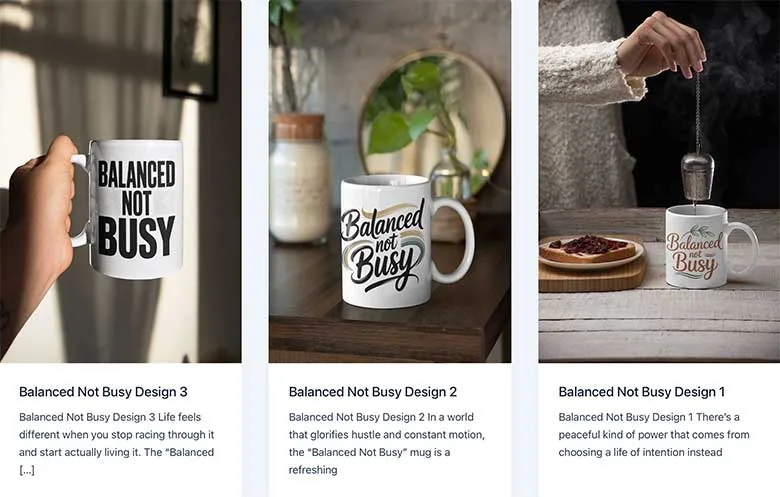
Visit Premier Print Works
Keep the reminder that a full life does not require a full wallet — just a wise one — visible where the daily spending decisions are made. Premier Print Works offers prints, mugs, and art for the person building the full and financially free life. Visit the shop today.
Visit Premier Print WorksHow Tess Discovered She Could Enjoy Her Life More by Spending on Less of It
Tess had a spending pattern she described honestly as spending her way to happiness without quite getting there. Not in the reckless way — she was not accumulating serious debt or making dramatic financial mistakes. In the quiet chronic way where the expenditure was consistently slightly higher than comfortable and the enjoyment it was producing was consistently slightly lower than expected. The spending felt like self-care and looked like financial drift. The two things were happening simultaneously and each was making the other worse.
A period of forced frugality — a reduction in income that lasted four months — changed the relationship between the spending and the enjoyment in ways she had not anticipated. The constraints removed the default options and required her to find alternatives. The restaurant became the kitchen. The expensive weekend activity became the free community event she had been vaguely aware of and never tried. The shopping that had been filling leisure hours became the walk that was filling them instead. And the specific thing she noticed at the end of the four months was the one that changed everything afterward: she had enjoyed those four months at least as much as any comparable four-month stretch of the previous two years. Sometimes more.
The enjoyment had not been in the spending the whole time. It had been in the activities the spending had been facilitating — some of which had free equivalents she had been bypassing. The coffee shop had been providing the pleasant hour of sitting with good coffee and unhurried time. The kitchen now provided the same hour for considerably less money. The restaurant had been providing the warm social time with people she cared about. The dinner at home provided the same warmth and often more of it. When the income returned she kept most of the lower-cost habits because the enjoyment had not gone with the higher spending. She simply now had better information about which spending was producing the enjoyment and which was providing the illusion of it. The information made the choices clearer. The clearer choices made the life fuller and the finances better at the same time.
5. Cook One Special Meal at Home Each Week That You Would Otherwise Eat Out
“A full life does not require a full wallet — just a wise one.”
The restaurant experience is being partially replicated — and often exceeded — when the effort of cooking is treated as the experience rather than as the obstacle to it. The meal planned with care, the ingredients chosen specifically, the preparation that fills the kitchen with the specific smells of the thing being built — these are genuine pleasures that the restaurant delivers by removing the involvement rather than by providing a better experience. The home version of the genuinely good meal is often more satisfying than the restaurant version because the person eating it was also the person who made it.
Choose one meal per week that would typically be a restaurant occasion and make it at home instead. The elaborate pasta that seemed too much effort. The grilled dinner that usually requires the restaurant setting. The brunch that has always been eaten out. Make it at home. Make it well. The cost is a fraction. The experience is the same category or better. The skill improves over time. The habit, practiced over a year, produces the cooking capability that makes the full restaurant substitution eventually available if desired — and the savings that fund the special restaurant occasion that remains for the genuine celebration rather than the routine Tuesday.
“Enjoy more by spending smarter — the two are not enemies.”
6. Take Day Trips Instead of Weekend Getaways When the Trip Is Truly for the Experience
“A full life does not require a full wallet — just a wise one.”
The weekend getaway involves the hotel, the restaurant meals away from home, the travel costs, and the packed schedule that is sometimes more exhausting than restorative. The day trip to the same destination involves the travel and nothing else — one day of the experience that drew the desire to go there in the first place, without the overnight accommodation and meal costs that often represent the majority of the trip’s expense. For destinations within a few hours’ drive, the day trip frequently delivers the core experience of the destination at dramatically lower total cost.
Before booking the hotel for the weekend trip, ask honestly whether the experience being sought requires the overnight stay or whether the drive, the day, and the return would deliver it. The beach day does not always require the beach house. The mountain hike does not always require the mountain lodge. The city experience often delivers its best version in a single full day than it does across the weekend that dilutes it. The day trip option is not the lesser version of the travel experience. It is the version that concentrates the experience into the best hours and leaves the overnight costs for the trips that genuinely require them.
“Enjoy more by spending smarter — the two are not enemies.”
7. Borrow, Rent, or Swap Before Buying What Is Only Needed Occasionally
“A full life does not require a full wallet — just a wise one.”
The full purchase price for the item needed once or twice a year is one of the most reliable ways to overpay for an experience. The power tool used for the one renovation project. The camping equipment for the annual camping trip. The specialized kitchen equipment for the once-a-year holiday baking. These items are typically available from the library of things programs now operating in many communities, from rental services, from the neighbors and friends with the same equipment used at different times of year, or from the buy-nothing community networks that exist in most areas. The experience the item was purchased for is fully available without the ownership cost.
Before any purchase of an item used less than once a month, ask whether borrowing, renting, or swapping can provide the same access at a fraction of the cost. The camping gear borrowed from the friend who does not use it in August. The library of things tool borrowed for the weekend project. The party supplies swapped with the neighbor who just hosted a similar event. These options are available more widely than most people realize and produce the same functional experience at dramatically lower cost. The ownership model serves the frequently used item. Everything else is a candidate for the access model instead.
“Enjoy more by spending smarter — the two are not enemies.”
Free Download: The Self-Care Starter Kit
Enjoying life without overspending is a form of self-care — and it is easier with a daily self-care foundation that keeps you grounded and clear about what you actually need. The free Self-Care Starter Kit gives you simple daily practices for your mind, your body, and your inner life. Download it free today.
Get the Free Self-Care Starter Kit8. Discover the Joy of the Slow Free Day
“A full life does not require a full wallet — just a wise one.”
The slow free day — a day with no agenda and no spending — is one of the most consistently underrated pleasures available and one of the most consistently avoided by people who have associated enjoyment with activity and activity with expenditure. The slow free day asks for none of those things. It asks only for the willingness to be present in the home, the neighborhood, the available hours without adding anything purchased to the equation. The long breakfast, the book that has been waiting, the nap that is genuinely desired, the walk that goes wherever the feet suggest — these are the pleasures of the day not organized around spending.
Build one slow free day into each month. The day with no scheduled activities, no entertainment purchases, and no pressure to make the day impressive. The pleasure available in the unstructured unhurried day is different from the pleasure available in the organized activity — more intimate, more restorative, more likely to produce the specific sensation of having genuinely rested rather than having consumed entertainment while waiting for the weekend to end. Try it once. Notice what the day contains when spending is not the organizing principle. The contents are almost always better than expected.
“Enjoy more by spending smarter — the two are not enemies.”
9. Create a Personal Experience Menu of Free Activities You Genuinely Love
“A full life does not require a full wallet — just a wise one.”
Most people have a longer list of genuinely enjoyable free activities than they access regularly because the paid alternatives have become the default and the free ones require the active choice to pursue. The long walk in the specific place that is always beautiful. The particular podcast that produces genuine absorption. The project that has been sitting waiting for the time to engage with it. The friend whose company is genuinely nourishing called rather than met at the restaurant. These pleasures are freely available and as genuinely satisfying as the paid alternatives when they are chosen rather than bypassed for the option that costs more.
Write the list. Specifically. Not the vague intentions but the concrete specifics: this trail, this podcast, this project, this person. Keep the list somewhere visible — the phone notes, the journal, the whiteboard. When boredom arrives and the spending impulse follows, consult the list before the wallet. The free option chosen deliberately is genuinely more satisfying than the paid option chosen by default. The list makes the deliberate choice accessible. Build it. Use it. The enjoyment it provides costs nothing after the list is made.
“Enjoy more by spending smarter — the two are not enemies.”
Finding Joy Without Overspending in Recovery? This Is for You.
For some people, learning to find genuine enjoyment without the old spending patterns is part of the recovery journey. If that is where you are, the free Sober Survival Guide offers honest daily support for that work. Download it free.
Get the Free Sober Survival Guide10. Use Rewards Points and Cashback for Experiences Rather Than Letting Them Expire
“A full life does not require a full wallet — just a wise one.”
The rewards points and cashback earnings sitting unused on credit cards and loyalty programs represent real money that most people allow to expire without using. The average household has significant unused rewards value across the programs they have enrolled in at various points — airline miles, hotel points, credit card cashback, grocery loyalty rewards, and others. These are not found money in the dramatic sense. They are money already spent and already earned that is being left on the table rather than redeemed for the experiences the earning was supposed to fund.
Audit the rewards programs currently active. Find the current balances. Research the redemption options for each — many programs have non-obvious redemption options that provide better value than the obvious ones. Direct the points toward experiences rather than statement credits when the experience redemption offers better value. The hotel night paid for with points, the flight upgrade that makes the trip more enjoyable, the coffee redeemed from the loyalty program — these are the experiences funded by spending that was going to happen anyway. Capture the value. It is already yours. Consult the terms of any rewards program before redeeming and note that rewards program terms can change.
“Enjoy more by spending smarter — the two are not enemies.”
11. Master the Art of the Homemade Version of One Treat You Spend On Regularly
“A full life does not require a full wallet — just a wise one.”
The homemade version of the regularly purchased treat is almost always cheaper, often comparable in quality, and occasionally better — with the additional pleasure of having made the thing yourself. The home espresso setup that replaces the daily coffee shop visit. The home cocktail that replaces the bar version at four times the cost. The baked good made from scratch on Sunday that replaces the bakery purchase during the week. Each of these represents a one-time skill and equipment investment that pays for itself rapidly through the regular savings it produces on every subsequent occasion.
Choose the one treat that is purchased most regularly and find the genuine home version. Not the compromise version that is clearly inferior — the version that is actually good. The investment in learning is usually one afternoon and one batch of imperfect results before the skill is sufficient. The savings begin immediately after and continue for every occasion the home version replaces the purchased one. The treat does not become less of a treat because it was made at home. The care put into making it often makes it more of one. Choose the treat. Learn the home version. Enjoy it at a fraction of the previous cost for the rest of the time it is genuinely enjoyed.
“A full life does not require a full wallet — just a wise one.”
12. Set a Conscious Spending Intention Before Every Leisure Outing
“Enjoy more by spending smarter — the two are not enemies.”
The leisure outing without a spending intention is the outing that spends whatever the opportunity presents. The museum visit that becomes the museum shop visit that produces the expensive impulse purchases. The farmer’s market walk that produces more specialty food items than were needed or planned. The mall trip made with no list that produces several unplanned items in addition to the one item that required the trip. These are not failures of character. They are the predictable result of the environment optimized for spending encountering the person without a specific intention about what the spending limit is.
Set the intention before leaving. Not the specific item list — the spending limit. The number. This outing has a fifty-dollar limit. This visit to the market has a thirty-dollar limit. The limit set before arrival is the limit held during the experience in a way the vague intention to not overspend almost never is. The specific number in the awareness produces the specific restraint that the vague intention cannot. Set the number. Enjoy the outing within it. The enjoyment is not reduced by the limit. The financial regret that used to follow the outing is.
“Enjoy more by spending smarter — the two are not enemies.”
13. Invest in One Quality Item Rather Than Several Cheap Versions That Need Replacing
“A full life does not require a full wallet — just a wise one.”
The buy-cheap-replace-often model costs more over time than the buy-quality-once model in most product categories where quality and longevity are significantly correlated. The thirty-dollar shoes that last six months replaced four times in two years cost more than the hundred-and-twenty-dollar shoes that last four years. The cheap pan that warps after one year replaced every eighteen months costs more than the quality pan that lasts a decade. The calculation that makes the cheap version look cheaper at the point of purchase looks different when the full timeline of ownership is included.
For the categories most used in daily life — footwear, cookware, bedding, everyday clothing — the investment in one quality item rather than the repeated purchase of several inferior versions is the financially smarter approach when the total cost over time is calculated honestly. Identify the two or three categories in your own daily life where the cheap-and-replace pattern is most clearly operating. Save toward the quality version of the item most likely to hold its value for years. The upfront cost is higher. The total cost over the relevant period is almost always lower. The enjoyment of the quality version over the period is consistently higher than the enjoyment of the series of lesser versions it replaces.
“Enjoy more by spending smarter — the two are not enemies.”
14. Find the Budget Version of One Luxury You Spend On That Has a Genuine Equivalent
“A full life does not require a full wallet — just a wise one.”
Many luxuries have genuine budget equivalents that deliver the same core experience at a significantly lower price. The first-class seat provides the extra legroom and the better meal — the exit row seat on the budget airline provides the legroom for a fraction of the cost. The hotel spa provides the relaxing experience — the day spa in the local community often provides the same experience at sixty percent less. The designer version of the daily-use item provides the quality — the well-reviewed store brand provides the same quality at the store brand price. These equivalents are not the inferior version when the core experience they deliver is the same.
Identify one regular luxury expenditure in the current budget. Research whether a budget equivalent provides the same core experience. Try the budget version once before concluding the luxury version is irreplaceable. The conclusion from the experience is often the same quality for less money. The conclusion is occasionally that the specific luxury genuinely does not have a real equivalent — in which case the spending is justified by the genuine differentiation. The honest test of the equivalent is the one that reveals which luxuries are genuinely irreplaceable and which are just the familiar option that has never been compared to the available alternative.
“A full life does not require a full wallet — just a wise one.”
15. Reframe Saving as Buying Future Freedom Rather Than Denying Present Pleasure
“Enjoy more by spending smarter — the two are not enemies.”
The mental model of saving matters as much as the mechanics of it. The person who experiences saving as the denial of the present — the money that could have been pleasure but was not — finds saving consistently harder than the person who experiences saving as the purchase of future freedom — the money being directed toward the option, the flexibility, and the security that the unsaved money would have spent on things less valuable. The same action — moving money to savings — feels like sacrifice in the first frame and like investment in the second. The frame shapes the emotion. The emotion shapes the consistency.
Practice the reframe. When the money moves to savings ask not what it is not buying now but what it is buying for the future. The specific future option it is funding. The emergency that will not become a crisis because the fund is growing. The month of financial breathing room it is building toward. The trip it will eventually fund or the debt it will eventually eliminate. The savings directed toward something specific is the savings that motivates rather than the savings that feels like deprivation. Name the something. Direct the savings toward it. Enjoy the building of the future freedom with the same satisfaction the present pleasure was supposed to provide and never quite delivered. Consult a qualified financial advisor about savings strategies appropriate for your specific situation.
“A full life does not require a full wallet — just a wise one.”
How Callum Learned to Live Fully on Less by Finding Out What His Enjoyment Was Actually Made Of
Callum had always spent at the top of his comfort zone — not beyond it dramatically but right at the edge where the money was usually mostly gone by the end of the month and the specific items and experiences that had consumed it were only partially remembered. He was not unhappy. He was also not as satisfied as the spending suggested he should be. The budget implied a full and pleasurable life. The actual remembered experience of the month was more moderate than the budget indicated it should be.
A conversation with a friend who lived demonstrably well on significantly less money produced the question he had not asked himself before: what specifically are you enjoying that requires the current level of spending? He tried to answer it and found the answer more difficult to produce than he expected. The restaurant dinners — he could name a few that had been genuinely memorable. The streaming services — he watched about two of the four he subscribed to regularly. The clothing purchases — some of which he still wore regularly and some of which he could not precisely recall acquiring. The spending was real. The specific enjoyment it had produced was harder to reconstruct than it should have been given the amount that had gone toward it.
He spent one month tracking not just the spending but the enjoyment — specifically noting after each significant expenditure how much genuine enjoyment it had produced. The correlation was weaker than he expected. Some of the highest-enjoyment experiences of the month had been free or nearly free. Some of the highest expenditures had produced only moderate enjoyment. The data from the experiment produced a specific reallocation: he cut the spending that the tracking had revealed was producing low enjoyment and increased the budget for the specific categories where the enjoyment had been highest. Total spending went down. Reported enjoyment went up. The money had not been buying the enjoyment he thought it was. The tracking had finally shown him where the enjoyment actually lived — and it cost considerably less than what the spending pattern had been assuming.
The Full Life and the Smart Budget Are the Same Goal — These Ideas Show You How to Reach Both
The enjoyment does not live in the spending. It lives in the specific activities, experiences, relationships, and moments that the spending was facilitating — many of which have equivalents at lower cost and some of which are free. These fifteen ideas are the ways of finding the enjoyment where it actually lives rather than in the spending that was approximating it. The life that results from applying them is full because it is built from the things that genuinely produce joy rather than from the things that have been consuming the budget on the assumption that more spending equals more life. It does not. These ideas are the proof of that. And the financial freedom that the redirected spending produces is itself one of the most significant sources of genuine peace and joy available. Build both. They belong together.
Free Download: The Money Reset Workbook
Build the complete financial picture that makes enjoying life without overspending possible. The free Money Reset Workbook gives you the spending tracker, the enjoyment categories, and the monthly review framework to find every dollar and direct it toward a life that is both full and financially free. Download it free today.
Get the Free Money Reset WorkbookOur Top Picks for a Better Life
We have gathered our favorite tools, resources, and recommendations for living fully on less, finding the enjoyment that does not require the overspending, and building the financial clarity that makes the full and free life feel genuinely available. Everything we trust enough to share, all in one place.
See Our Top Picks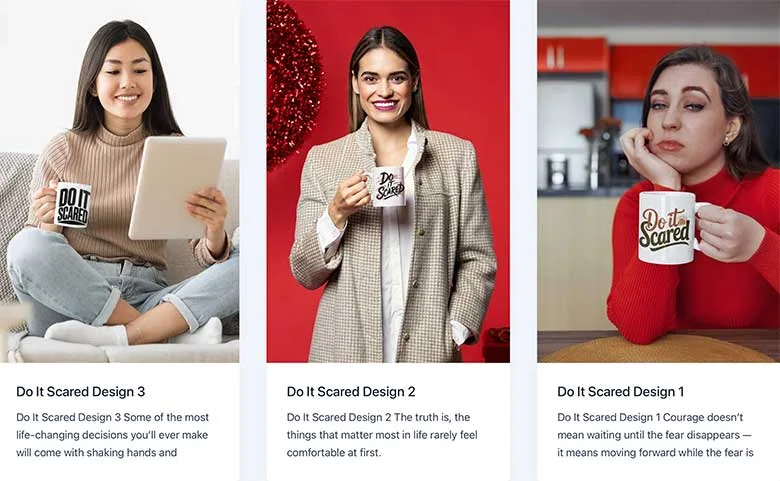
Wise Living Prints at Premier Print Works
Keep the reminder that you can enjoy more by spending smarter — the two are not enemies — visible where the daily spending decisions are made. Visit Premier Print Works for prints, mugs, and art for the person building the full and financially free life one intentional choice at a time.
Visit Premier Print WorksDisclaimer
The content on A Self Help Hub is for informational and inspirational purposes only. The saving money ideas and personal stories in this article offer general guidance for everyday financial decision-making and lifestyle choices. They do not constitute professional financial advice, investment advice, tax advice, or legal advice of any kind. A Self Help Hub is not a licensed financial advisor and nothing in this article should be interpreted as a recommendation to take any specific financial action.
Every person’s financial situation, income, obligations, and personal preferences are different. The savings approaches, quality-versus-cost comparisons, and rewards program guidance described in this article are general examples and may not be appropriate for every individual situation. Rewards program terms vary by program and can change; always consult current program terms before making redemption decisions. Before making significant financial decisions, please consult a qualified and licensed financial advisor who can evaluate your specific situation. Savings estimates referenced are illustrative examples only and are not guarantees of specific results.
The stories and composite characters in this article, including Tess and Callum, are illustrative. They are based on common financial experiences and created to make the content relatable. They are not real people. Any financial outcomes described are examples only and not representations of typical or guaranteed results.
Some links on this site, including links to Premier Print Works, may be affiliate links. A Self Help Hub may earn a small commission at no extra cost to you. We only recommend things we genuinely believe in.
The Sober Survival Guide linked in this article is general supportive information only. It is not a substitute for professional addiction treatment or medical care. If you or someone you love is struggling with addiction, please seek help from a qualified professional. Recovery is possible.
If you are in a mental health crisis or thinking about self-harm, please do not rely on this content for support. Contact emergency services or a crisis helpline right away. You deserve real help and it is available to you now.
All content on A Self Help Hub is copyrighted. You may not copy or republish it without written permission. By reading this article you agree to this disclaimer.