15 Relationship Advice Tips That Help You Create More Balance
A balanced relationship does not happen by chance. It is built through consistent small choices that honor both people equally, choices made not once in a dramatic gesture but repeatedly in the ordinary moments that make up most of a shared life.
These 15 relationship advice tips cover healthy communication, setting emotional boundaries, and creating shared space that allows both partners to feel seen, supported, and valued without losing themselves in the process. The balance you build in the small moments becomes the foundation that holds everything else.

Free Download: The 9 Daily Habits Checklist
The healthiest relationships are built by two people who both choose to show up, even when it is hard, and the right daily habits support that consistent showing up. The free 9 Daily Habits Checklist gives you nine proven daily practices to build your relationship foundation on. Download it free today.
Get the Free Habits Checklist1. Listen to Understand, Not to Respond
“Balance in love is not about keeping score, it is about making sure both people feel full.”
Most people listen while simultaneously preparing their response, which means they are only partially present for what the other person is actually saying. Listening fully, with the sole intention of understanding what is being expressed before forming any reply, is one of the most powerful and underused communication skills in any relationship. The other person can almost always feel the difference.
2. Speak Your Needs Directly Rather Than Hoping They Are Guessed
Unspoken needs create a slow accumulation of unmet expectations that tends to surface eventually as resentment rather than as a conversation. Naming what you need directly, even when it feels vulnerable, gives the relationship the information it requires to actually meet you where you are. Hoping to be understood without speaking removes the other person’s ability to genuinely show up for you.
3. Make Space for Both People to Have Hard Days
“The healthiest relationships are built by two people who both choose to show up, even when it is hard.”
A relationship where only one person is permitted to struggle at a time, while the other stays perpetually functional and supportive, is not a balanced one. Both people will have hard days, sometimes simultaneously. Building the expectation early that both people’s hard days deserve space prevents the pattern where one partner’s struggles always take priority simply because they are expressed more urgently.
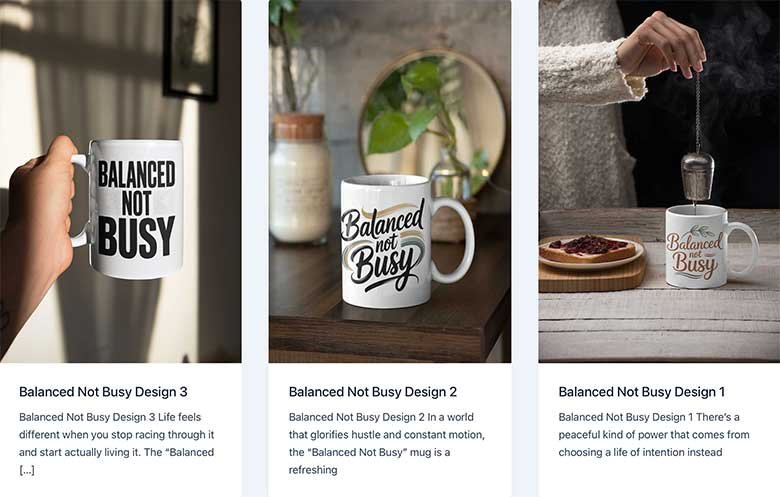
Visit Premier Print Works
Keep the reminder that balance in love is not about keeping score, it is about making sure both people feel full visible where your relationship grows. Premier Print Works offers prints, mugs, and art for the couple building a more balanced and connected life together. Visit the shop today.
Visit Premier Print Works4. Protect Time for Connection Outside of Logistics
Many long-term relationships gradually shift from genuine connection to logistics management, with most conversations centering on schedules, responsibilities, and problem-solving rather than on the two people themselves. Protecting even a small regular window, a weekly walk, a meal with no phones, a conversation that has nothing to do with the calendar, maintains the connection that the logistical life easily crowds out.
5. Maintain Individual Friendships and Interests
A relationship in which both people rely entirely on each other for all social and emotional needs places a weight on the partnership that most cannot sustain long-term. Maintaining individual friendships, interests, and time outside the relationship keeps both people fuller and more interesting to each other, and prevents the suffocation that comes from a love built entirely inward.
How Kezia and Daniel Found the Balance They Had Been Missing
Kezia and Daniel had built a life that looked balanced from the outside but felt off from the inside. They managed everything together efficiently, but both of them had quietly noticed that their conversations had become almost entirely logistical, full of practical coordination and almost empty of the kind of exchange that had made them want to be together in the first place.
They made two small changes. They protected one meal per week where neither work nor scheduling was discussed, only whatever either person genuinely wanted to talk about. And they each reclaimed one individual activity they had let go of during the busy years, Kezia her reading group and Daniel an old friendship he had been neglecting.
Neither change was dramatic. Within a few months, both of them noticed that the logistical conversations felt lighter because they were no longer the only conversations happening. The balance had not required a complete restructuring of their life. It had required only two small, consistent choices to protect something that had been quietly disappearing.
6. Address Conflict When It Is Small, Not When It Has Grown
“Balance in love is not about keeping score, it is about making sure both people feel full.”
Small conflicts addressed early tend to be conversations. Small conflicts avoided tend to become large ones that feel disproportionate to whatever finally triggered them, because they are carrying the weight of everything that was not said before. A relationship that handles friction regularly in small amounts rarely needs to process it in large, painful accumulations.
7. Acknowledge Your Partner’s Efforts Specifically and Often
Specific acknowledgment, “I noticed that you handled that difficult conversation with real patience,” lands differently from generic appreciation. The specific version demonstrates actual attention, which communicates something about how closely and genuinely a person is being seen. Both are worth saying, but the specific version tends to produce a deeper sense of being valued.

Free Download: The Self-Care Starter Kit
Showing up fully in a relationship requires genuinely taking care of yourself first. The free Self-Care Starter Kit gives you simple daily practices for your mind and body that support the version of you who shows up most fully for the people you love. Download it free today.
Get the Free Self-Care Starter Kit8. Set Emotional Boundaries Without Guilt
An emotional boundary is not a wall that shuts a partner out. It is an honest limit about what you can give, absorb, or carry in a given moment, stated clearly rather than managed silently through withdrawal. Boundaries communicated with honesty and kindness are one of the most respectful things one partner can offer the other, because they keep the relationship operating within what is genuinely sustainable.
9. Take Responsibility for Your Own Emotional Regulation
“The healthiest relationships are built by two people who both choose to show up, even when it is hard.”
Both partners are responsible for their own emotional regulation, which means that being upset does not give either person permission to express that upset in ways that harm the other. Taking a brief pause before a difficult conversation, requesting space when needed, and communicating your emotional state without directing its impact outward, preserves the safety that balanced communication requires.
10. Make Decisions Together on Anything That Affects Both People
Unilateral decisions on shared matters, even when well-intentioned, communicate that one person’s judgment is more important than the other’s input. Building the habit of consulting each other on decisions that affect both people, however small, creates a pattern of shared ownership that makes the larger decisions feel like genuine collaboration rather than ratification of a choice already made.
How Daniel’s Shift in Listening Changed the Whole Texture of Their Communication
Daniel had always considered himself a good listener and was surprised when Kezia gently pointed out that she often felt he had already formed his response before she had finished speaking. She was not criticizing his intentions. She was describing the experience she consistently had, which was that she felt only partially heard.
He began practicing a simple rule: do not speak until there has been at least five seconds of silence after the other person finishes. The pause felt artificial at first and quickly became something else, a genuine space in which he was actually absorbing what had been said rather than preparing to follow it.
Kezia noticed within days. She had not told him about the rule. She simply began feeling more heard, which changed how openly she spoke, which changed what Daniel was hearing, which changed how he responded. The shift in one person’s listening had moved through the entire pattern of how they communicated with each other.
11. Apologize Fully When You Have Caused Harm
A full apology acknowledges the specific harm caused, takes responsibility without deflection, and does not condition the apology on the other person’s behavior. Apologies that include “but” or that explain the circumstances that led to the harm tend to feel like defenses rather than genuine accountability. The full apology, simply and directly offered, is one of the most healing actions available in a relationship.
12. Celebrate Each Other’s Individual Wins, Not Only the Shared Ones
“Balance in love is not about keeping score, it is about making sure both people feel full.”
A balanced relationship celebrates both people’s individual growth and success, not only the milestones the couple reaches together. When one person’s individual achievement is met with genuine enthusiasm rather than comparison or quiet competition, it communicates that the other person’s flourishing is genuinely wanted, which is one of the most stabilizing things a relationship can offer.
13. Create Rituals of Connection That Belong Only to the Two of You
Small shared rituals, a particular way of saying goodbye in the morning, a nightly check-in, a specific joke or phrase that belongs only to this relationship, create a private language of belonging that accumulates over time into a deep sense of partnership. These rituals do not need to be elaborate. They need to be consistent and genuinely shared.
14. Allow the Relationship to Change as Both People Grow
A relationship that requires both people to remain exactly who they were when they first met places an impossible demand on the individuals inside it. Allowing the relationship to shift and adapt as both people grow, rather than treating change as a threat to the original commitment, is what allows long partnerships to remain genuinely alive rather than simply continuing by inertia.
15. Choose Each Other Actively, Not Just by Default
“The healthiest relationships are built by two people who both choose to show up, even when it is hard.”
The choice to be in a relationship is most meaningful when it is made actively and regularly rather than by default. Taking a moment to consciously choose your partner, not because the relationship is convenient or because leaving would be hard but because the person is genuinely someone you want to build your life alongside, keeps the relationship in the territory of active love rather than passive habit.
Relationship Balance Is Built From Small, Consistent, Mutual Choices
Listen to understand. Speak your needs directly. Make space for both people’s hard days. Protect time for real connection. Maintain individual friendships and interests. Address conflict when it is small. Acknowledge efforts specifically. Set emotional boundaries without guilt. Regulate your own emotions. Make decisions together. Apologize fully. Celebrate individual wins. Create shared rituals. Allow the relationship to grow. Choose each other actively. Fifteen tips. Balance in love is not about keeping score, it is about making sure both people feel full, and the healthiest relationships are built by two people who both choose to show up, even when it is hard.
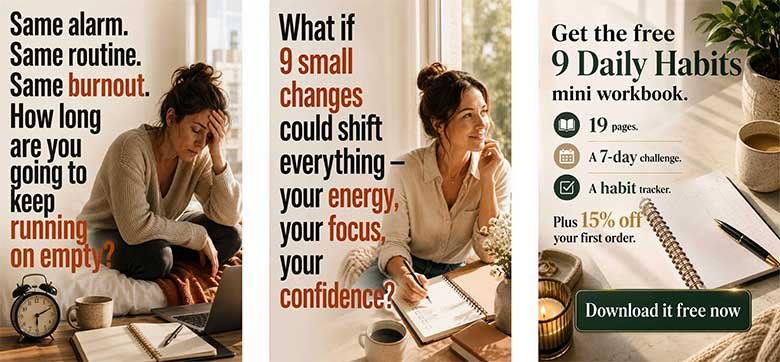
Free Download: The 9 Daily Habits Checklist
Start building the balance and connection your relationship truly deserves, supported by the daily habits that make consistent showing up possible. The free 9 Daily Habits Checklist gives you nine proven practices to build from. Download it free today.
Get the Free Habits ChecklistOur Top Picks for a Better Life
We have gathered our favorite tools, resources, and recommendations for building the healthy communication and balance that makes relationships genuinely thrive. Everything we trust enough to share, all in one place.
See Our Top Picks
Relationship Balance Reminders at Premier Print Works
Keep the reminder that the healthiest relationships are built by two people who both choose to show up, even when it is hard, visible where your daily life together happens. Visit Premier Print Works for prints, mugs, and art for the couple building a more balanced and connected relationship.
Visit Premier Print WorksDisclaimer
The content on A Self Help Hub is for informational and inspirational purposes only. The relationship tips and personal stories in this article offer general support for everyday relationship health and personal development. They are not professional relationship counseling, couples therapy, or any form of licensed mental health treatment.
If you are experiencing significant relationship conflict, abuse, or distress, please speak with a qualified couples counselor or mental health professional. General self-help content is not a substitute for professional care.
The stories and composite characters in this article, including Kezia and Daniel, are illustrative. They are based on common experiences and created to make the content relatable. They are not real people. Any resemblance to a specific person is coincidental.
Some links on this site, including links to Premier Print Works, may be affiliate links. A Self Help Hub may earn a small commission at no extra cost to you. We only recommend things we genuinely believe in.
If you are in a mental health crisis or thinking about self-harm, please do not rely on this content for support. Contact emergency services or a crisis helpline right away. You deserve real help and it is available to you now.
All content on A Self Help Hub is copyrighted. You may not copy or republish it without written permission. By reading this article you agree to this disclaimer.