How to Plan Charitable Giving on a Budget
Is it possible to give generously when money already feels tight?
For many people, charitable giving on a budget feels like a contradiction. You want to help, but bills come first, and every dollar seems spoken for. The good news is that giving can come in many sizes and shapes. A small, planned amount, some time, or a skill you already have can all make a real difference to a cause you care about.
This guide shares general ideas for making giving a calm, planned part of your money life. It is information to think about, and it is not advice. The guide was written with the United States in mind, and rules can differ elsewhere. Go one step at a time and shape the plan around your own values.

Make Room for Giving in Your Plan
Download the free Money Reset Workbook and get simple pages to add a giving line to your budget, so generosity feels calm and planned.
Get the Free WorkbookStart with what matters to you
Giving often feels best when it connects to something you care about. You might think about your own life. Maybe a food bank helped your family once, or an animal shelter gave you a pet. Maybe you care about your local library, a school, or a place of worship.
Writing a short list of causes can bring focus. Two or three is often plenty. Spreading a small amount across too many groups can make it hard to see the impact.
There is no right or wrong cause. What matters is that it feels meaningful to you.
Write down two or three causes that matter most to you.
Cover the basics before you set an amount
Many people find giving feels better when their own needs are covered first. Rent, food, utilities, and basic bills come before anything extra. That way, generosity does not turn into stress.
If money is very tight right now, giving time or skills can be a lovely option. Small cash gifts can wait until things feel steadier. For related reading, see budgeting habits for taking control of your money.
Caring for yourself and caring for others can go hand in hand.
Look at your budget and note how much is left after your basic needs.
Keep a Reminder of the Good You Do
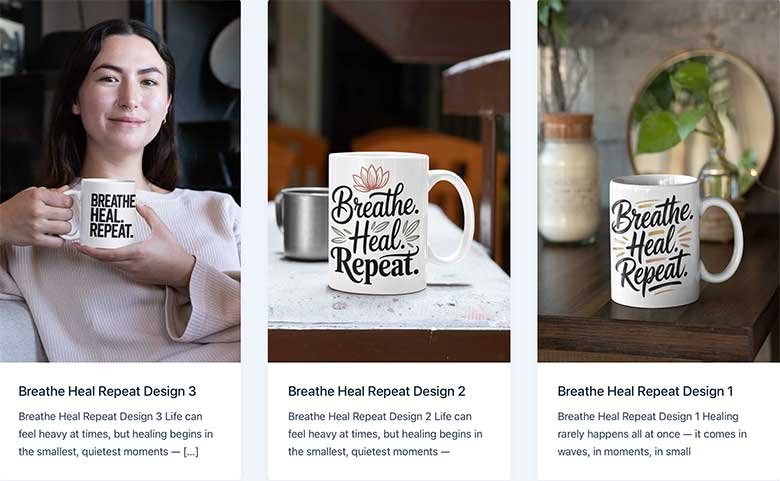
Premier Print Works creates quality prints, mugs, and shirts for people with generous hearts. Find a small reminder that kindness counts.
Visit Premier Print WorksPick a monthly giving amount
A set monthly amount can turn giving into a calm habit. Some people choose a dollar amount. Others pick a small share of their income. The size is up to you, and it can change over time.
Here is an example with made-up numbers. Say someone decides to give $25 a month. Over twelve months, that adds up to $300. They might split it, with $15 going to a food bank and $10 to an animal shelter each month.
Adding a giving line to your budget, just like any other bill, keeps it planned instead of sudden.
Choose a monthly giving amount and add it as a line in your budget.
“Generosity is measured by heart, not by the size of the check.”
Check a charity before you give
Most charities are honest, but it is wise to check before sending money. One option is to look at the charity’s own website for a mission, a list of programs, and yearly reports. Many groups share how they use donations.
In the United States, the IRS has an online search tool that lists many tax-exempt groups. Your state may also have an office that registers charities. Independent charity rating websites exist too, and they can give another view. For related reading, see budgeting tips for managing money with more confidence.
If anything feels unclear, you can call the charity and ask questions. A real charity is usually happy to explain its work.
Pick one charity on your list and look up its website and public reports.

Plan Your Giving in One Place
The free Money Reset Workbook gives you a clear page to choose causes and set a monthly giving amount.
Get the Free WorkbookWatch out for donation scams
Scammers sometimes pose as charities, often after a disaster or around the holidays. Warning signs include high pressure to give right now, requests for payment by gift card, wire transfer, or cryptocurrency, and names that sound very close to a well-known charity.
It is safer to give by reaching out to the charity yourself. You might type its address into your browser instead of clicking a link in a text or email. You can also hang up on a phone call and call the charity back at a number you find on your own.
A real charity will understand if you take time to check. Feeling rushed is a sign to slow down.
Decide to give only through channels you reach on your own, never through surprise calls or links.
Give time and skills too
Money is only one way to give. Many groups need volunteers. You might sort food, walk shelter dogs, tutor a child, or help at a community event.
Skills can be a gift as well. If you are good at writing, fixing things, cooking, or organizing, a local group may value that help. For related reading, see the beginner’s guide to frugal living on a tight budget.
Giving time can also bring new friends and a sense of purpose. Many people find it lifts their mood as much as it helps others.
Look for one local group where you could volunteer a few hours.
Donate items you no longer use
Clothes, books, toys, and household items can often find a second home through a charity. Many shelters and thrift stores welcome clean, working items in good shape.
Calling ahead or checking a group’s website can tell you what it accepts. Some items, like certain children’s gear, may have safety rules. Following those rules helps keep donations safe for the next family.
Decluttering and giving at the same time can feel twice as good.
Gather a small box of clean, working items to donate.
Keep tax questions general and simple
In the United States, some gifts to qualified charities may be tax-deductible. Whether that applies to you depends on several things, including how you file. Tax rules are detailed and can change.
Keeping receipts for your gifts is a simple habit that many people find useful. A written note from the charity, or a bank or card record, can help if you ever need it.
A qualified tax professional can explain what applies in your situation. It is fine to give simply because you want to, without thinking about taxes at all.
Start a folder, paper or digital, to keep receipts from your gifts.
Plan ahead for special requests
Giving requests often spike at certain times, like holidays or after news of a disaster. A school fundraiser or a friend’s charity walk may also come up. Without a plan, it can be easy to give more than you meant to.
One idea is to keep a small amount in your giving line for these moments. If nothing comes up, that money can roll into your regular gifts. For related reading, see saving money ideas for a better financial plan.
It is okay to say, “I have already planned my giving for this month.” That is a kind and honest answer.
Set aside a small part of your giving amount for special requests.
Look back and celebrate your giving
Once or twice a year, you might look back at what you gave. Add up money, time, and items. Many people are surprised by how much it adds up to.
This review is also a chance to adjust. You might give more if your budget grows, or less if things feel tight. Both are okay.
Giving is a journey, and every small gift counts. Taking a moment to notice that can bring real joy.
Put a reminder on your calendar to look back at your giving twice a year.
Explore Our Top Picks for a Better Life
We have gathered the tools, resources, and products we think are genuinely worth your time, covering mindset, self-care, health, and home. All in one place, hand-picked to support the goals you are working toward.
See Our Top PicksReal Stories, Real Results
Let me share two examples I like to use. Kezia felt guilty every time she walked past a donation box, because she believed small gifts did not matter. She set a giving line of twenty dollars a month for a local food bank and added a few volunteer hours. She told me that she finally felt like a giver instead of someone who always said no.
Daniel gave on impulse whenever someone asked, and then felt short on money later in the month. He picked two causes, set a monthly amount, and started checking charities before giving. He said that his giving felt calmer and more meaningful. Both of them said the same thing: a small, planned gift felt better than a big, rushed one.
Giving Can Fit Into Even a Careful Budget
Picture the end of a month where every bill is paid and a small gift has gone to a cause you love. There is no guilt and no stress. You know your money did good work.
Choose one cause today and think about a small monthly amount. Download the free Money Reset Workbook to add giving to your plan. Even the smallest gift can carry a lot of meaning.
Want Ready-Made Tools to Help You Put This Into Action?
Sometimes the fastest way forward is a tool that someone has already built. Browse our hand-picked resources and downloads, chosen to help you take the next step with less guesswork.
Browse Resources and Downloads
Ready to Give With Joy and Confidence?
The free Money Reset Workbook helps you see your numbers clearly, so your giving fits your life.
Download Free Now
Fill Your Home With Words of Kindness
Premier Print Works makes quality prints, mugs, and shirts for people who love to give. Browse the collection and find what speaks to you.
Visit Premier Print WorksDisclaimer
The content on this page is for informational and inspirational purposes only. It is not professional financial, investment, tax, legal, insurance, or estate planning advice. This guide is written with the United States in mind. Tax rules about charitable gifts are detailed, vary by situation, and can change, so please talk with a qualified tax professional about what applies to you. The numbers in the example are made up to show how the math works. Please check any charity before giving and watch for scams. Prices, fees, and account terms vary and change. Results vary widely from person to person.
I am not a financial advisor, and I am not a licensed tax, legal, or investment professional. I share this information to help people learn about money and see new options. Please treat it as general information only, and talk with a qualified professional about your own situation before making financial decisions.
The stories of Kezia and Daniel are illustrative composite characters created to bring the content to life. They are not real people. Any resemblance to a real person is purely coincidental.
Some links on this page, including links to Premier Print Works and other resources, are affiliate links. If you make a purchase through one of these links, we may earn a small commission at no extra cost to you. We do not own, produce, or control any affiliate products, and we are not responsible for them — we only own and sell the products offered through our own store, Premier Print Works.
All content on A Self Help Hub is the property of Digital Marketing 215 LLC and is protected by copyright law. No part of this page may be copied, reproduced, republished, distributed, or transmitted in any form without prior written permission from the author.