The Real Cost of Free Trials and Introductory Offers
A bright box pops up on your screen. Try it free for 30 days, it says. You tap the button, type in your card number, and forget about it by dinner.
A month later, a charge shows up on your statement. The trial ended, the plan started, and nobody sent a loud reminder. This is how free trial auto renewal works for many offers. The trial is free, but the plan that follows is not, and the switch can happen quietly. The same goes for low intro prices that rise after the first few months.
This guide looks at the moment you say yes to a free trial or intro deal, and what to notice before and after. It shares general ideas to think about, and it is not advice or legal guidance. Read through, pick one idea that fits, and take it one step at a time.

Keep Every Free Trial on Your Radar
Download the free Money Reset Workbook and track your trials, end dates, and regular prices, so no charge catches you off guard.
Get the Free WorkbookKnow why many free trials ask for a card
Many trials ask for a card number up front, even though nothing is charged today. Having the card on file lets the company start billing the moment the trial ends. For the company, it makes it easy for the trial to turn into a paying plan.
That is not always a bad thing. Some people try a service, love it, and are glad it keeps going. The cost comes in when a person forgets, or meant to stop and ran out of time. Knowing this pattern up front can make it easier to plan.
Before your next trial, notice whether it asks for a card and write that down.
Find the end date before you tap yes
Trials come in many lengths, such as 7, 14, or 30 days. The fine print often says exactly when the trial ends and billing begins. Sometimes it is measured to the hour, not just the day.
Writing down the end date right away, before you even start using the service, can save stress later. Some people count back a few days and use that as their own end date. That way there is room for a busy week. For related reading, see budgeting tips for staying organized.
Screenshots of the offer page can also help you remember what you agreed to.
Take a screenshot of the trial terms and note the end date in your phone.
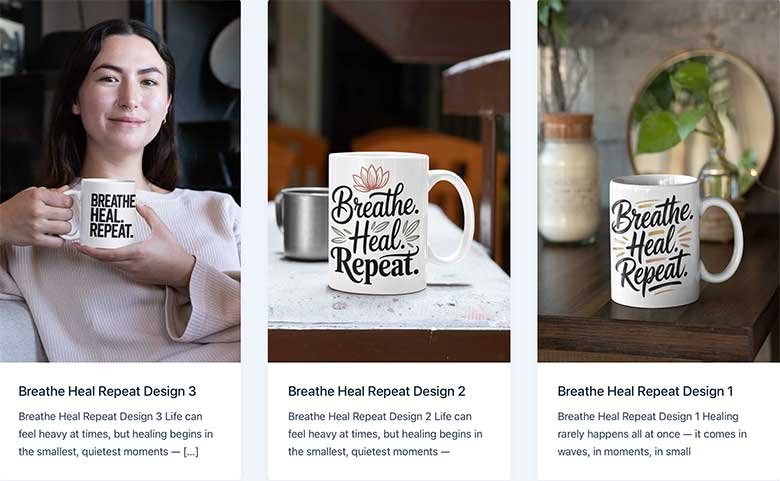
A Small Reminder to Read the Fine Print
Premier Print Works creates quality prints, mugs, and shirts for careful, curious shoppers. Find a little nudge to pause before you tap yes.
Visit Premier Print WorksLook at the price after the trial or intro period
The big number on an offer is usually the trial or intro price. The regular price is often in smaller text below. That second number is what you will pay once the offer ends.
Here is an example with made-up numbers. An offer is $5 a month for three months, then $15 a month. Over the first year, that is $15 for the first three months and $135 for the next nine. The total comes to $150 for the year, not $60. Seeing the full yearly cost can make the choice clearer.
Asking yourself a simple question can help. Would I sign up for this at the regular price?
Work out the full first-year cost of one intro offer you are thinking about.
“The word free deserves a second look whenever it asks for your card.”
Learn how to cancel before you start
Cancel steps vary a lot from one company to another. Some let you cancel with one click. Others ask you to call, chat, or go through several screens. A few send you offers to stay before letting you finish.
Looking up the cancel steps before signing up can take a minute and save a headache later. You might search the company’s help page or read the terms. If the steps seem hard, that is good to know before you commit. You may also like money management tips for facing your finances.
When you do cancel, saving the confirmation email or a screenshot can be useful if a charge shows up later.
Find the cancel page for one service you use and save the link.

Start Your Trial Log in One Place
The free Money Reset Workbook gives you a clear page to note each trial, its end date, and the price after.
Get the Free WorkbookSet a reminder a few days before the trial ends
A reminder is one of the simplest tools for any trial. A phone alarm or calendar note set two or three days before the end date gives you time to decide. You can keep it, cancel it, or switch to a lower plan.
Some people add the price to the reminder note. That way, when it pops up, the cost is right there. It turns a quiet charge into a clear choice.
Set a calendar reminder three days before your current trial ends.
Watch for add-ons bundled into the trial
Some trials include extras, like a premium tier or an add-on, that renew at a higher price. You may sign up for one thing and find later that the plan includes more than you meant to keep.
Reading the summary screen before confirming can show what is included. If there is a box already checked for an upgrade, you can often uncheck it. Each choice you skip now is one less charge to catch later.
Read the order summary on your next trial sign-up before you confirm.
Think about which card or payment method to use
The card on file is where the charge will land. Some people use one card for all trials and subscriptions, so it is easy to scan for new charges. Others use a card with a lower limit for online sign-ups.
Some banks and card issuers offer extra tools, like alerts for new charges or ways to lock a card. Features vary by bank, so it can help to check what your bank offers. Another place to look is budgeting habits for taking control of your money.
Turn on an alert for new charges on the card you use for online sign-ups.
Keep a simple trial log
A trial log is a short list of every free trial and intro deal you start. It can include the name, the start date, the end date, the price after, and how to cancel. A note on your phone or a page in a notebook both work.
When you start a new trial, add it to the list. When it ends or you cancel, cross it off. Many people find that just writing it down makes them more careful about which trials they start. For related reading, see personal finance habits for staying ahead of bills.
Start a note called Trial Log and add any trial you are using now.
Check your statement after the trial ends
Even with reminders, charges can slip through. A quick look at your statement a few days after the end date can show if you were billed. Catching it early can make it easier to sort out.
If you see a charge you did not expect, contacting the company is often the first step. Keep your cancel confirmation handy. Rules and refund policies vary by company, so it can help to ask what options there are. Your bank or card company can also explain next steps if something seems wrong.
Mark a date on your calendar to check your statement after your trial ends.
Give yourself permission to skip the offer
Free trials can feel like a prize to grab before it is gone. That pressure is often part of the design. Countdown clocks and limited time offers are built to rush a choice.
Saying no to a trial is a perfectly fine choice. The offer, or one like it, will often come back. Skipping it keeps your attention, your card, and your calendar free for things you truly want.
The next time a trial offer appears, wait one day before you sign up.
Explore Our Top Picks for a Better Life
We have gathered the tools, resources, and products we think are genuinely worth your time, covering mindset, self-care, health, and home. All in one place, hand-picked to support calm, clear choices about every offer.
See Our Top PicksReal Stories, Real Results
Let me share two examples I like to use. Amara signed up for three trials in one month and forgot about two of them. When the charges hit, she felt frustrated with herself. She started a simple trial log and set reminders before each end date. She told me that the next few trials ended exactly when she wanted, and she felt in charge again.
Joel jumped at an intro deal that cost very little for the first three months. He never looked at the regular price. When it went up, the new charge surprised him. He started doing the full first-year math before saying yes to any offer. He said that some deals still made sense, and others did not once he saw the whole number. Both of them said the same thing: a few minutes of noticing at the start saved them money and stress later.
A Free Trial Can Stay Free When You Know Its Rules
Picture yourself tapping yes on a trial with total calm. The end date is in your calendar, the regular price is in your notes, and you know how to cancel. When the reminder pops up, you decide with ease.
Choose one idea from this guide to try on your next offer. Download the free Money Reset Workbook to keep your trial log and see your spending clearly. A little planning can keep free things free.
Want Ready-Made Tools to Help You Put This Into Action?
Sometimes the fastest way forward is a tool that someone has already built. Browse our hand-picked resources and downloads, chosen to help you take the next step with less guesswork.
Browse Resources and Downloads
Ready to Make Free Trials Work for You?
The free Money Reset Workbook helps you see every charge clearly, so trials and intro deals stay on your terms.
Download Free Now
Bring a Calm, Clear Mind to Every Offer
Premier Print Works makes quality prints, mugs, and shirts for people who think before they click. Browse the collection today.
Visit Premier Print WorksDisclaimer
The content on this page is for informational and inspirational purposes only. It is not professional financial, investment, tax, legal, insurance, or estate planning advice. Trial lengths, renewal terms, cancel steps, and refund rules vary by company and change, so please read the terms of any offer. The numbers in the example are made up to show how the math works. Prices, fees, and account terms vary and change, and bank and card features vary by bank. Results vary widely from person to person. If money feels very tight, a nonprofit credit counselor or 2-1-1 (in the U.S.) may be able to point you to local help.
I am not a financial advisor, and I am not a licensed tax, legal, or investment professional. I share this information to help people learn about money and see new options. Please treat it as general information only, and talk with a qualified professional about your own situation before making financial decisions.
The stories of Amara and Joel are illustrative composite characters created to bring the content to life. They are not real people. Any resemblance to a real person is purely coincidental.
Some links on this page, including links to Premier Print Works and other resources, are affiliate links. If you make a purchase through one of these links, we may earn a small commission at no extra cost to you. We do not own, produce, or control any affiliate products, and we are not responsible for them — we only own and sell the products offered through our own store, Premier Print Works.
All content on A Self Help Hub is the property of Digital Marketing 215 LLC and is protected by copyright law. No part of this page may be copied, reproduced, republished, distributed, or transmitted in any form without prior written permission from the author.