A Budget-Friendly Self-Improvement Plan: Libraries, Free Courses, and Community Classes
A library card might be the most overlooked tool for growth in your wallet. It costs nothing in many towns, and it can open doors to books, classes, quiet places to read, and online learning. Yet plenty of people walk past the library on the way to sign up for something that costs far more.
Self improvement on a budget can feel like a puzzle at first. Ads for coaching programs and paid courses are everywhere, and it is easy to think real growth comes with a big price. In truth, many of the most useful ways to learn a skill or build a habit are free or close to it.
This guide shares general ideas for building a simple, low-cost plan around libraries, free courses, and community classes. It is information and inspiration only, not advice or instructions. Read it at your own pace, pick one idea that sounds fun, and go one step at a time.

Make Room in Your Budget for Learning
Download the free Money Reset Workbook to plan a small learning fund that fits your money.
Get the Free WorkbookStart by naming one thing you would like to grow
A plan feels easier when it has a clear target. Before you look at classes or books, you might ask yourself one question. What is one skill or habit that would make daily life a little better?
The answer could be practical, like learning to cook simple meals, managing a budget, or using a spreadsheet. It could also be personal, like reading more, speaking up with confidence, or learning a language for travel. Any of these can count as self-improvement.
Picking one focus keeps you from signing up for ten things at once. It also makes it easier to tell which free options fit and which ones you can skip.
Write down one skill or habit you would like to grow over the next few months.
Get the most from a library card
Many public libraries offer far more than printed books. Depending on where you live, a card may give you access to e-books, audiobooks, magazines, and sometimes online learning tools you can use from home. Library staff can usually tell you what is available.
Some libraries also lend unusual items, like kitchen tools, sewing machines, or tech gear. Others have meeting rooms, computers, and printers. It can help to ask at the desk or browse the library website to see the full list.
Borrowing instead of buying can save money over time. A book you read once and return costs you nothing but the trip, and the shelf at home stays clear.
Visit your library or its website and list three things your card can unlock.
A Reminder to Keep Learning
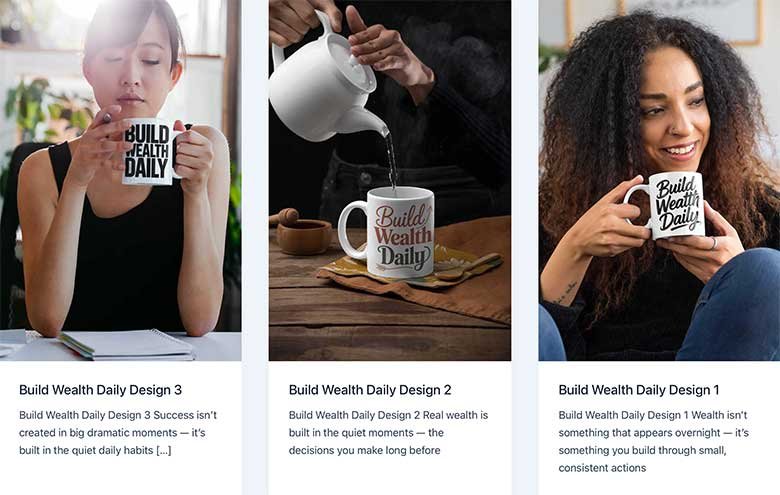
Premier Print Works makes quality prints, mugs, and shirts for curious minds. Find a little reminder to keep growing.
Visit Premier Print WorksLook for free library events and workshops
Libraries often host events that are free and open to the public. These might include book clubs, writing groups, computer basics, job search help, or talks on money topics. Some branches run language practice groups or classes for small business owners.
Event calendars are often posted near the entrance or online. Signing up early can help, since popular sessions sometimes fill up. Many events are casual, so you can try one without a long commitment.
Going to an event also puts you around people who are learning too. That small sense of company can make it easier to keep going.
Check your library’s event calendar and pick one free event to try this month.
“Growth does not wait for a big budget. It begins with a library card and a little curiosity.”
Try free online courses at your own pace
The internet holds a large number of free courses. Some come from colleges, some from nonprofits, and some from teachers who share lessons on video. You can often watch at night, during a lunch break, or whenever you have a quiet moment.
A few things can help you pick well. Look at who made the course, read the course outline, and check whether it matches the one skill you named earlier. Some free courses charge for a certificate at the end, and it is fine to take the lessons and skip the paid part if you do not need proof. For related reading, see online courses for personal development.
It can also help to finish one course before starting another. A half-done stack of lessons can feel heavier than having none at all.
Find one free online course that matches your goal and watch the first lesson.

Plan Your Low-Cost Learning
The free Money Reset Workbook gives you simple pages to track your budget alongside your goals.
Get the Free WorkbookExplore low-cost community classes
Community centers, parks and recreation departments, adult schools, and community colleges often offer short classes at a modest price. Topics can range from cooking and art to computer skills, fitness, and money basics. Some places offer lower fees for seniors, students, or residents.
A short class with a live teacher can be a nice middle ground. It costs less than many private programs, and you get real feedback. You also meet neighbors who share your interest.
Course catalogs are often printed a few times a year or posted online. Comparing two or three options can show you which one gives the most value for your money.
Look up one community class near you and write down the cost and schedule.
Learn alongside other people for free
Some of the best learning happens with friends, coworkers, or neighbors. A skill swap is one simple idea. You might teach a friend to bake bread while they show you how to fix a bike. No money changes hands, and both of you grow.
Clubs and groups can work the same way. Reading circles, walking groups, and hobby meetups often cost little or nothing. Some volunteer roles also teach real skills, like planning events or working with people.
Learning with others adds a bit of gentle accountability. When someone expects you on Thursday, it is easier to show up.
Think of one person who could swap a skill with you and reach out to them.
Set a small learning budget that fits your money
Even a mostly free plan may have a few small costs, like a notebook, a used book, or a class fee. Some people set aside a tiny monthly amount just for learning. That way, a good class does not come as a surprise.
Here is an example with made-up numbers. Say you put $15 a month into a learning fund. After twelve months, that adds up to $180. That could cover a community class or two, plus a few supplies, without touching money for bills. You may also like ideas for a rich life on a frugal budget.
If money is tight right now, the fund can be zero. The library and free courses still work without it.
Decide whether a small learning fund fits your budget, and if so, pick a monthly amount.
Build your learning into a weekly routine
Free resources only help when you use them. A simple routine can make learning part of the week instead of something you get to someday. You might choose two short blocks, like Tuesday evening and Saturday morning, for reading or a lesson.
Short sessions often work better than long ones. Twenty minutes, done often, can add up to more than a single long weekend that leaves you worn out. Another place to look is ways to build self-improvement into your routine.
Pairing learning with something you already do can help too. An audiobook on the commute or a lesson with your morning coffee fits into time you already have.
Put two short learning blocks on your calendar for the coming week.
Keep track of what you learn and what it saves
A simple log can show how far you have come. You might note the books you finished, the classes you took, and one thing you learned from each. Looking back after a few months can feel encouraging.
Some people also jot down what each free resource would have cost elsewhere. That habit can highlight how much value a library card or free class provides, and it can make frugal choices feel like wins. For related reading, see strategies for frugal living.
When one goal feels finished, you can pick the next. A low-cost plan can grow with you for years.
Start a one-page learning log and add the first thing you learned.
Explore Our Top Picks for a Better Life
We have gathered the tools, resources, and products we think are genuinely worth your time, covering mindset, self-care, health, and home. All in one place, hand-picked to support the goals you are working toward.
See Our Top PicksReal Stories, Real Results
Let me share two examples I like to use. Amara wanted to learn basic bookkeeping for her craft business but felt priced out of paid programs. She found a free online course and a library workshop on small business money. She told me that she learned more in two months than she expected, and she spent almost nothing.
Joel hoped to speak Spanish before visiting family abroad. He borrowed audio lessons with his library card and joined a free conversation group at a community center. He said the group kept him going on weeks when he felt stuck. Both of them said the same thing: the free options were closer than they thought, and they only had to start.
Growth Can Fit Inside Even a Tight Budget
Picture a few months from now. You have a stack of borrowed books on the table, a class you enjoy each week, and a new skill you are proud of. You did it without stretching your money thin.
Pick one goal, visit your library, and try one free lesson this week. Download the free Money Reset Workbook to make room for learning in your budget. Small, steady steps can take you a long way.
Want Ready-Made Tools to Help You Put This Into Action?
Sometimes the fastest way forward is a tool that someone has already built. Browse our hand-picked resources and downloads, chosen to help you take the next step with less guesswork.
Browse Resources and Downloads
Ready to Grow Without Overspending?
The free Money Reset Workbook helps you see your money clearly, so learning fits right in.
Download Free Now
Brighten Your Learning Corner
Premier Print Works offers prints, mugs, and shirts for lifelong learners. Browse the collection today.
Visit Premier Print WorksDisclaimer
The content on this page is for informational and inspirational purposes only. It is not professional financial, investment, tax, legal, insurance, or estate planning advice. The example numbers are made up to show how the math works. Library services, class offerings, prices, fees, and account terms vary by location and change over time, so please check the details with each provider. Results vary widely from person to person.
I am not a financial advisor, and I am not a licensed tax, legal, or investment professional. I share this information to help people learn about money and see new options. Please treat it as general information only, and talk with a qualified professional about your own situation before making financial decisions.
The stories of Amara and Joel are illustrative composite characters created to bring the content to life. They are not real people. Any resemblance to a real person is purely coincidental.
Some links on this page, including links to Premier Print Works and other resources, are affiliate links. If you make a purchase through one of these links, we may earn a small commission at no extra cost to you. We do not own, produce, or control any affiliate products, and we are not responsible for them — we only own and sell the products offered through our own store, Premier Print Works.
All content on A Self Help Hub is the property of Digital Marketing 215 LLC and is protected by copyright law. No part of this page may be copied, reproduced, republished, distributed, or transmitted in any form without prior written permission from the author.