Emotional Intelligence Sayings for Heated Money Moments
The receipt is still in your hand when the question comes. “You spent how much?” Your face gets warm. A sharp answer is already halfway out of your mouth, and the other person is waiting for it. In a heated money moment like this, emotional intelligence sayings can feel far away.
Emotional intelligence, in plain words, means noticing your own feelings, noticing other people’s feelings, and choosing what to do next with care. The emotional intelligence sayings below are short lines to carry into tense talks about bills, spending, and budgets. They can act like a small handrail when the stairs feel steep.
Every saying here is an original reflection written for this page and credited to no one. They are shared as general information, not advice. Each one has a short reflection, a made-up example in some spots, and a simple idea to try. Pick one saying at a time and see if it fits your life.

Make Money Talks Calmer With Clear Numbers
Download the free Money Reset Workbook and get simple pages to see your budget together, so tense talks start from the same facts.
Get the Free Workbook“We can both be upset at the bill and still sit on the same bench.”
In a money argument, it can start to feel like two teams. One person spent, the other person saved, and now the score is being kept. Yet most couples, roommates, and families want the same basic things: bills paid, less worry, and a little room for fun.
This saying is a reminder that the trouble is the bill, the gap, or the surprise. It is rarely the whole person across from you. You might even say it out loud: “I am frustrated, and I am still on your side.”
Sitting side by side, with the paper in front of both of you, can make that feel real. For related reading, see budgeting as a couple without fighting.
Next money talk, sit beside the other person instead of across from them.
“My voice can rise, or my understanding can. Rarely both at once.”
When voices go up, listening often goes down. Each person gets busy planning their next point. Very little gets heard.
This saying invites a small trade. If you notice your voice climbing, you might lower it on purpose and ask one question instead. “Help me see what worried you about this.” The other person may lower their voice to match.
There will be times when your voice rises anyway. That is part of being human. Coming back to a softer tone a minute later still counts.
When you notice your voice rising, ask one calm question.
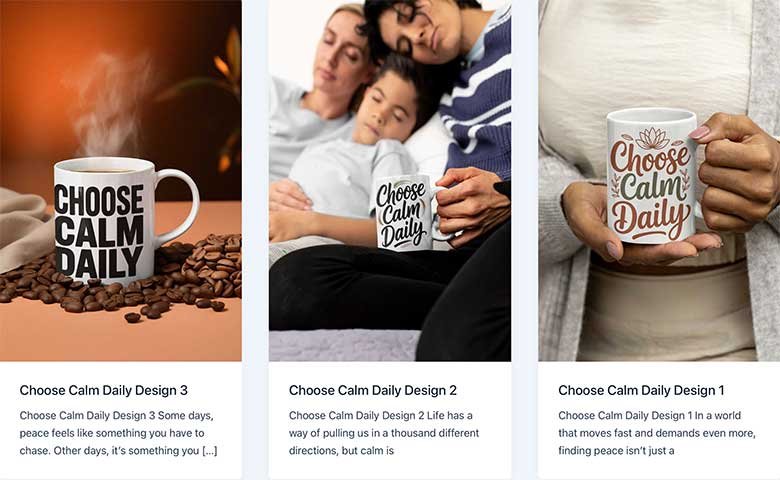
A Calm Saying for Your Kitchen Wall
Premier Print Works makes quality prints, mugs, and shirts for thoughtful, thrifty people. Find a small reminder to pause before a money talk heats up.
Visit Premier Print Works“A hot moment makes a poor calculator.”
Strong feelings can make numbers look bigger or smaller than they are. A small purchase can feel like a disaster. A real problem can get waved away.
Here is an example with made-up numbers. A $90 dinner out turns into a fight. After a ten-minute break, you both look at the month. The plan set aside $200 for eating out, so $110 is still left. The dinner fit the plan after all, and the fight fades.
Waiting to do the math until both of you feel calmer often leads to a clearer answer. If the numbers do show a problem, you can face it together with cooler heads.
Agree to check the actual numbers only after a short break.
“The budget can bend a little, and so can we.”
“Naming my feeling out loud keeps it from sneaking into my words.”
Feelings that go unnamed tend to leak out as sharp tone, eye rolls, or sarcasm. Saying the feeling plainly can take some of the sting out of the talk.
Example lines you might try: “I am feeling scared about rent, so I might sound short.” “I feel embarrassed, and that is why I am getting defensive.” Short and honest is enough. See also emotional intelligence in everyday talks.
The money problem stays the same size, yet the other person gets a clearer picture of what is going on inside you.
Practice one sentence that starts with “I am feeling” before your next money talk.

Put Your Budget on One Shared Page
The free Money Reset Workbook gives you a clear page to plan spending together, so fewer surprises turn into arguments.
Get the Free Workbook“Before I defend the receipt, I can ask what the receipt meant to them.”
Every purchase has a story behind it. A new pair of shoes might mean a long day finally ending. A grocery bill that ran high might mean someone was trying to make a special meal.
When a receipt sparks a fight, one option is to ask about the story first. “What was going on that day?” or “What made that one feel important?” The answer may change how the number looks to you.
This works both ways. If you are the one holding the receipt, you might share your own story before anyone asks. Another place to look is the pause that comes with recording a purchase.
Ask “What was going on that day?” before you react to a receipt.
“A short break is a bookmark, not an exit.”
Sometimes the kindest move is to stop talking for a while. Walking away in silence can feel cold, though. A break goes over better when everyone knows it has an end.
An example you might use: “I want to finish this, and I need twenty minutes to cool off. Can we come back to it at eight?” That marks the spot, just like a bookmark in a book.
During the break, a slow walk, a glass of water, or a few quiet minutes can give the heat time to fade. Then you can return to the same page.
Agree on a short phrase that means “break now, back soon.”
“Being right about the numbers is worth less than being kind about them.”
In money fights, it is easy to chase the win. You may have the spreadsheet, the dates, and the proof. Yet winning the point can leave the other person feeling small, and the next talk gets harder.
Kindness and accuracy can go together. You might say, “I think the total was a bit higher than we planned. Can we look at how to split it fairly?” The facts stay the same, and the tone stays warm. You may also like ways to split household costs fairly.
Over time, kind talks about numbers tend to make people more willing to bring money news forward early.
Rewrite one “I told you so” thought as a kind question.
“Tonight we only have to agree on the next small piece.”
Heated moments often try to settle everything at once. The debt, the savings, the holidays, the car, and every old purchase all pile into one talk. That can feel like too much for anyone.
This saying shrinks the goal. Maybe tonight you only agree on how to pay this one bill. The bigger plan can wait for a calmer day.
Small agreements can build trust. Each one shows that you can solve something together.
Pick one small money question to settle in your next talk, and save the rest.
“A small sorry can travel farther than a long speech.”
After a heated moment, some people want to explain every reason behind what they said. A long speech can start the argument all over again.
A short, honest apology often does more. “I am sorry I snapped about the groceries. I was worried about rent.” That is clear, kind, and done.
You can say sorry for the tone and still keep your view on the facts. A short apology shows that the person matters more to you than the heat of the moment.
Write a two-sentence apology you could use after a heated money talk.
“Steady and safe come before solved.”
Most money arguments are the everyday kind. People get loud, cool down, and make up. Sometimes, though, a talk crosses into threats, fear, or one person controlling every dollar.
If you ever feel unsafe, a counselor or trusted person can help. In the United States, 2-1-1 can point to local help. Call 911 in an emergency. You can also call or text 988 for emotional distress.
The bill can wait. Your safety and calm come first, and the money questions can be picked up later with support.
Save 2-1-1 and 988 in your phone today, just in case.
Explore Our Top Picks for a Better Life
We have gathered the tools, resources, and products we think are genuinely worth your time, covering mindset, self-care, health, and home. All in one place, hand-picked to support the goals you are working toward.
See Our Top PicksReal Stories, Real Results
Let me share two examples I like to use. Amara and her husband used to argue every time the card statement arrived. She started saying, “I am feeling scared about this, so I might sound short,” before they opened it. She told me that naming the feeling first made the talks shorter and kinder, and they started agreeing on one small step each month.
Joel would raise his voice whenever his roommate was late with the utility money. He began asking for a twenty-minute break and coming back with one calm question. His roommate started paying on time more often, and the apartment felt quieter. Both of them said the same thing: slowing down turned their money fights into money talks.
Calmer Talks About the Same Old Bills
Picture the same receipt and the same question. This time you notice the heat, name your feeling, and ask what the purchase meant. The other person softens. You agree on one small next step, and the evening goes on.
Choose one saying to keep close this week. To make your numbers easier to talk about, download the free Money Reset Workbook and give your budget a clear page. Calm talks often start with clear pages.
Want Ready-Made Tools to Help You Put This Into Action?
Sometimes the fastest way forward is a tool that someone has already built. Browse our hand-picked resources and downloads, chosen to help you take the next step with less guesswork.
Browse Resources and Downloads
Ready for Cooler Money Conversations?
The free Money Reset Workbook helps you see your numbers clearly, so you can talk about money with less heat.
Download Free Now
Keep a Gentle Reminder Close
Premier Print Works makes quality prints, mugs, and shirts for people who choose calm. Browse the collection and find a saying you love.
Visit Premier Print WorksDisclaimer
The content on this page is for informational and inspirational purposes only. It is not professional financial, investment, tax, legal, insurance, or estate planning advice. These sayings were written as original reflections for this page and are shared as general information. The example phrases are sample wording only. Nothing here is counseling, medical, or mental health advice, and a doctor, counselor, or trusted person can help with heavy feelings. If you ever feel unsafe, call 911 in an emergency, and in the United States 2-1-1 can point to local help and 988 can be called or texted for emotional distress. The example numbers are made up to show how the math works. Prices, fees, and account terms vary and change, and results vary widely from person to person.
I am not a financial advisor, and I am not a licensed tax, legal, or investment professional. I share this information to help people learn about money and see new options. Please treat it as general information only, and talk with a qualified professional about your own situation before making financial decisions.
The stories of Amara and Joel are illustrative composite characters created to bring the content to life. They are not real people. Any resemblance to a real person is purely coincidental.
Some links on this page, including links to Premier Print Works and other resources, are affiliate links. If you make a purchase through one of these links, we may earn a small commission at no extra cost to you. We do not own, produce, or control any affiliate products, and we are not responsible for them — we only own and sell the products offered through our own store, Premier Print Works.
All content on A Self Help Hub is the property of Digital Marketing 215 LLC and is protected by copyright law. No part of this page may be copied, reproduced, republished, distributed, or transmitted in any form without prior written permission from the author.