FOMO and Spending: What to Do When Everyone Is Going and You Are Staying Home
Your phone buzzes again. The group chat is full of weekend plans, a concert, dinner after, and a late breakfast the next day. Old photos from the last outing keep popping up. You look at your budget, then at your couch, and you type, “Have fun, I will catch the next one.” Then a funny, left-out feeling settles in. If that sounds familiar, FOMO and spending may be tangled together for you.
FOMO stands for fear of missing out. It is the uneasy sense that other people are having fun or making memories while you are somewhere else. Almost everyone feels it now and then. The link between FOMO and spending is simple. When the feeling shows up, saying yes and paying for it can seem like the quickest way to make it fade.
This guide shares general ideas and options for those staying-home moments. It is general information, not advice or instructions, and nothing here tells you what to do with your money. Some ideas may fit your life and some may not. Pick one that feels right and try it, one small step at a time.

Give Your Fun Money a Clear Place
Download the free Money Reset Workbook and get simple pages to plan for nights out and nights in.
Get the Free WorkbookNotice the feeling before you answer the invite
FOMO often arrives fast. A photo, a message, or a plan you overhear can bring a quick pull to join in. Many people find it useful to simply notice that pull before they reply. You might quietly say, “There is that left-out feeling again.”
Naming a feeling gives you a little room. In that room, you can ask what you want, and not only what the moment seems to ask of you. Some people set the phone down and get a glass of water first.
There is no right or wrong answer here. The aim is just to see the feeling clearly before money enters the picture.
Name the feeling out loud the next time a plan pops up.
Ask which part of the plan you really want
When everyone is going, the event itself is only part of the pull. Often it is the people, the jokes, or the sense of being included. One question to try is, “What part of this do I want most?”
Here is an example with made-up numbers. A night out might cost $25 for a ticket, $30 for dinner, and $15 for a ride, for a total of $70. If what you miss most is time with two close friends, a $10 coffee together might give you much of what you were after.
Seeing the pieces side by side can make the choice feel clearer. For related reading, see a save money, live better mindset.
Write down the one part of the plan you would miss the most.
A Small Reminder for Cozy Nights In
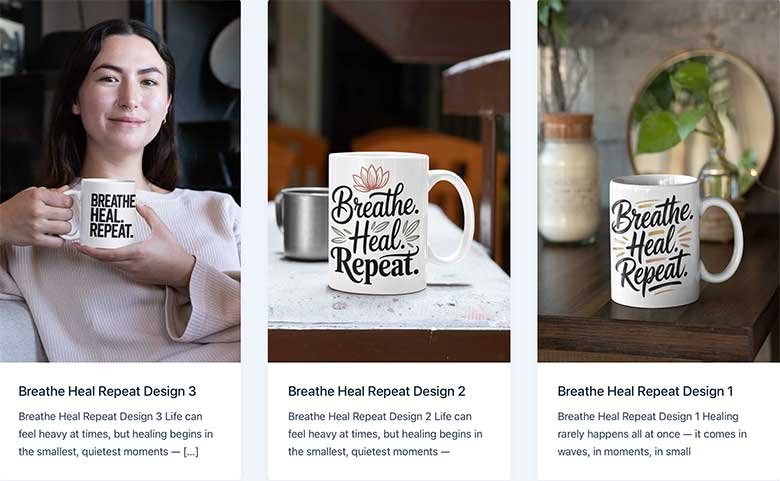
Premier Print Works makes quality prints, mugs, and shirts. Find a cheerful reminder that a night at home can be a good night.
Visit Premier Print WorksLook at your own goals before you look at the photos
Photos and posts tend to show the brightest moments. They rarely show the long line, the cold fries, or the tired drive home. Before you scroll, you might glance at your own money goals first.
Some people keep a short note on their phone with one or two goals, like a trip later on or a bill paid off. A quick look can remind you why you chose the couch tonight. The evening becomes a choice you made, rather than something you lost.
If scrolling makes the feeling stronger, one option is to close the app for the evening. The photos will still be there tomorrow, after the moment has passed.
Save one money goal as a note you can find in a few seconds.
“A quiet night at home can still be a full night, even when the group chat is loud.”
Say yes to a smaller piece of the plan
Staying home can still leave room for part of the fun. You might skip the concert and join the group for a walk the next morning. You might come for dessert instead of the full dinner. Or you might meet everyone at the park before they head out.
Many friends are happy to see you for any part of the day. A partial yes keeps you in the loop and keeps your spending closer to your plan.
You may also like making money goals fun.
Pick one low-cost piece of the next group plan you could join.

See What Your Nights In Add Up To
The free Money Reset Workbook gives you a page to track what you keep when you stay home, so your choices feel real.
Get the Free WorkbookKeep a short, warm reply ready
Turning down a plan can bring up an urge to over-explain. A short, friendly reply is often plenty. Here are a few examples you might choose or change to sound like you.
“I am sitting this one out, but send me pictures.” “Not this time for me. Want to grab coffee soon?” “I am staying in tonight. Have a great time, and tell me everything later.”
Having a line ready can make the moment feel lighter. You can use the same words again and again.
Write one short reply in your own words and save it on your phone.
Give your night at home a little shape
A night in can feel empty when it is only about what you skipped. Giving it a small shape can change how it feels. You might cook a favorite meal, start a library book, or call a cousin you have not talked to in a while.
Here is another example with made-up numbers. Say the night out would have cost $70, and you spend $8 on ingredients for a cozy dinner at home. That leaves $62 still in your budget. Over three weekends like that, you would keep $186.
For related reading, see a no-spend weekend challenge.
Plan one simple, low-cost thing to enjoy on your next night in.
Notice what the left-out feeling points toward
Sometimes FOMO is a sign that you miss people. Sometimes it points toward wanting more fun, more rest, or more adventure in your week. Paying attention to where it points can tell you more than the feeling alone.
If you notice you miss your friends, a free or low-cost hangout might be worth planning. If you notice you want adventure, a free trail, a free museum day, or a walk through a new neighborhood could fit.
When walking or exploring, staying aware of traffic and your surroundings keeps the outing calm and safe.
Finish the sentence “What I want more of is…” in a notebook.
Send your own low-cost invite
Waiting for the next big plan can leave you on the outside again. One option is to make a plan yourself. A potluck, a board game night, or a picnic in the park can bring people together for very little money.
Hosting can be simple. You might ask everyone to bring one dish or one snack. Many people are quietly glad to have a cheaper choice on the calendar.
Another place to look is budget-friendly home ideas.
Send one invite for a free or low-cost get-together.
Plan ahead for the nights that matter most
Some plans will matter enough that you choose to go. That can be a fine choice too. A budget can hold room for fun when you plan for it ahead of time.
If you go, you might pick a spending limit before you leave. Some people bring a set amount of cash. Others keep a number in mind and check it once during the night.
If you spend more than you hoped, shame has no place here. You can notice what happened and adjust the plan next time. Each choice shows you a little more about what matters to you.
Set a small fun line in your budget for the plans you care about most.
Talk with someone you trust when the feeling stays heavy
Feeling left out now and then is part of life. If the feeling stays heavy for a long time, or spills into many parts of your day, talking with someone can help. A doctor, counselor, or trusted person can help with heavier feelings.
Sometimes just telling a friend, “I wanted to go, but I chose to save,” can take some of the sting away. People who care about you often understand more than you expect.
Tell one trusted person about a money choice you feel good about.
Explore Our Top Picks for a Better Life
We have gathered the tools, resources, and products we think are genuinely worth your time, covering mindset, self-care, health, and home. All in one place, hand-picked to support the goals you are working toward.
See Our Top PicksReal Stories, Real Results
Let me share two examples I like to use. Kezia used to say yes to every group dinner, then wince when her card bill arrived. She started asking herself which part of each plan she wanted most. Often it was time with one friend, so she suggested a walk or coffee instead. She told me that she still felt close to her friends, and she no longer dreaded the end of the month.
Daniel spent many weekends at home, scrolling photos and feeling left behind. He decided to host a monthly game night where everyone brought a snack. Soon he was the one sending the invites. Both of them said the same thing: the left-out feeling got smaller once they stopped waiting and made plans of their own.
A Night In That Feels Like Your Own Choice
Picture the group chat lighting up with weekend plans. You read it, smile, and send a warm reply. Then you start the evening you planned for yourself, a good meal, a phone call, a show you love. The feeling of missing out may still drift by, and you let it pass.
Pick one idea from this list and try it the next time plans roll in. Download the free Money Reset Workbook to give your fun money a clear place in your budget. Staying home can be a choice you feel good about.
Want Ready-Made Tools to Help You Put This Into Action?
Sometimes the fastest way forward is a tool that someone has already built. Browse our hand-picked resources and downloads, chosen to help you take the next step with less guesswork.
Browse Resources and Downloads
Ready to Feel Calmer When Plans Roll In?
The free Money Reset Workbook helps you see your numbers clearly, so every yes and every no feels like your own choice.
Download Free Now
Make Your Home a Place You Enjoy
Premier Print Works offers prints, mugs, and shirts for people who love a good night in. Browse the collection and see what you like.
Visit Premier Print WorksDisclaimer
The content on this page is for informational and inspirational purposes only. It is not professional financial, investment, tax, legal, insurance, or estate planning advice. The replies and ideas here are examples only. Nothing here is counseling, medical, or mental health advice, and a doctor, counselor, or trusted person can help with heavy feelings. When walking or exploring outdoors, please stay aware of traffic and your surroundings. The example numbers are made up to show how the math works. Prices, fees, and account terms vary and change, and results vary widely from person to person.
I am not a financial advisor, and I am not a licensed tax, legal, or investment professional. I share this information to help people learn about money and see new options. Please treat it as general information only, and talk with a qualified professional about your own situation before making financial decisions.
The stories of Kezia and Daniel are illustrative composite characters created to bring the content to life. They are not real people. Any resemblance to a real person is purely coincidental.
Some links on this page, including links to Premier Print Works and other resources, are affiliate links. If you make a purchase through one of these links, we may earn a small commission at no extra cost to you. We do not own, produce, or control any affiliate products, and we are not responsible for them — we only own and sell the products offered through our own store, Premier Print Works.
All content on A Self Help Hub is the property of Digital Marketing 215 LLC and is protected by copyright law. No part of this page may be copied, reproduced, republished, distributed, or transmitted in any form without prior written permission from the author.