Reusable Household Items That May Save Money Over Time
How many times a month do you buy something that goes straight into the trash?
Paper towels, bottled water, plastic bags, disposable batteries, coffee filters. Each one costs only a little, and that is exactly why they add up unnoticed. A reusable version usually costs more at the start, and it can pay for itself if you use it enough.
I want to be honest about the word may in the title. A reusable item only saves money if you really use it, and if you take care of it. A drawer full of cloth napkins you never wash does not save anyone a cent. This guide walks through common reusable items, shows you how to work out whether each one is worth it, and explains how to look after them. Pick the ones that fit your habits, and skip the rest.

See Which Household Costs Add Up the Most
Download the free Money Reset Workbook and get a simple way to track what your household buys again and again, so you know where reusables could help.
Get the Free WorkbookFirst, learn how to tell whether a reusable item will pay off
The idea is called break-even. Divide the price of the reusable item by the cost of the disposable item you will stop buying, and you get the number of uses it takes to pay for itself. For example, a $20 water bottle that replaces $1.50 bottles of water breaks even after about 14 uses. A $12 set of cleaning cloths that replaces $2 a week of paper towels breaks even in about 6 weeks. If you like thinking this way about your whole budget, my frugal living tips for creating a more peaceful money life may help.
Then ask the honest question. Will I really use it that many times? An item you use daily may pay off quickly. An item you use twice a year may never pay off.
Also count the cost of washing and care, such as water, soap, and time. For most items, it is small.
Pick one disposable item you buy often, and calculate how many uses a reusable version would need to break even.
A good reusable water bottle or travel mug
Buying drinks away from home is one of the most common repeated costs. A sturdy bottle and a travel mug let you carry water and make coffee or tea at home. Over a few months, the savings can be noticeable, especially if you used to buy a drink every day.
Choose a design that is easy to clean and that you will actually carry. Wash it regularly with warm, soapy water, and let it dry fully, to keep it fresh.
Keep it somewhere you will remember, like by the door or in your bag.
Choose one place to keep your bottle or mug, and carry it for a full week.

Add a Piece That Is Made to Last
Premier Print Works creates quality prints, mugs, and shirts for homes that reuse and last. Find something worth keeping for years.
Visit Premier Print WorksCloth rags, towels, and napkins
Paper towels and paper napkins are small costs that repeat all month. A stack of cloth rags, dish towels, and napkins can replace many of them. Old t-shirts and worn towels can be cut into rags for free, which makes the break-even immediate. For other ways to cut household costs, these frugal living tips that help you save money every week are worth a look.
Keep a basket for used cloths, and wash them with your regular laundry, hot if the fabric allows. Use separate cloths for kitchen counters and for other jobs, and avoid reusing a cloth that has touched raw meat juices without washing it.
You do not have to give up paper towels completely. Keep a roll for the occasional big mess.
Cut up two worn t-shirts or towels into rags, and put them where you usually keep paper towels.
“A reusable item saves money only when it keeps getting used.”
Reusable food containers and wraps
Plastic wrap, foil, and sandwich bags are easy to run through. Glass or plastic containers with lids, reusable silicone bags, and washable beeswax or cloth wraps can replace many of them. You may already own a cupboard of containers.
Use what you have first. Save takeout and food containers that are meant to be reused, and match lids to bases so you can find them. Wash them well, and replace any that are cracked or stained beyond cleaning.
A good set of lunch containers can also help you pack lunch more often, which saves more than the wraps.
Match every lid in your kitchen to its container, and recycle the ones that do not fit.

Track Your Household Spending in One Place
The free Money Reset Workbook gives you a clear page for recurring household costs, so the savings from reusables are easy to spot.
Get the Free WorkbookReusable shopping bags and produce bags
Some stores charge a few cents for each bag, and the cost adds up over a year. A few sturdy bags kept by the door or in your car can replace them. Mesh produce bags can replace thin plastic ones.
The trick is to remember them. Keep them in the car, by the door, or folded in your purse. Wash cloth bags from time to time, especially if they carry fresh food.
Check the rules where you live, since some places have bag fees or bans.
Put reusable bags in your car or by your door today, so they are there for your next trip.
Rechargeable batteries and a charger
If you use many batteries, in remotes, toys, flashlights, and small devices, rechargeable ones can pay off over time. They cost more at first, with a charger, and they can be reused many times.
Match the type of battery to the device. They work best in items you use often. For items you use rarely, such as a smoke detector, follow the manufacturer’s advice, since some devices need a specific type.
Dispose of old batteries at a proper collection point, and not in the trash.
List the devices at home that use batteries often, and consider switching one or two of them to rechargeables.
Washable filters and reusable coffee options
Some products come in a reusable form. A permanent coffee filter or a reusable pod can replace paper filters and single-use pods. Some air filters and vacuum filters are washable. Always check that the product is designed to be reused, and follow the care instructions. If you want to sort out which small costs matter most, these future lifestyle tips for saving money with purpose may help you decide.
A washable filter that is not cleaned properly can work poorly, so set a reminder to clean it. Do not use a washable filter in a device that is not made for it.
These items often pay off within a few months of daily use.
Check whether your coffee maker or vacuum has a reusable or washable option, and read the care instructions.
Washable mop pads and cleaning cloths
Disposable mop pads and wipes are convenient and cost more over time. Washable mop pads and microfiber cloths can be tossed in the laundry and used many times. A good set may last for a long while.
Wash them separately from towels, and skip fabric softener, which can reduce how well microfiber works. Let them dry fully before storing.
Use the right cloth for each job, and replace them when they are worn out.
Switch one disposable cleaning product to a washable one, and track whether you buy refills less often.
Care for what you buy, so it lasts
A reusable item saves money only if it stays in use. Wash and dry items fully, store them where you will see them, and replace the ones that wear out. Avoid buying a large set all at once. Start with one or two items, and see how they fit your routine, then add more. For a bigger picture of everyday saving, my list of money saving ideas for living well on a budget may give you more places to look.
Be honest about what works for you. If you stop using something, pass it along to someone who will, so it does not just take up space.
A few well-used reusables will save more than a cupboard full of unused ones.
Write down which two reusable items you will actually try this month, and the disposable item each one replaces.
Explore Our Top Picks for a Better Life
We have gathered the tools, resources, and products we think are genuinely worth your time, covering mindset, self-care, health, and home. All in one place, hand-picked to support a thrifty, comfortable home.
See Our Top PicksReal Stories, Real Results
Let me share two examples I like to use. Amara bought a pack of paper towels almost every week. She cut up a few old t-shirts into rags, kept a basket for used ones, and washed them with her laundry. She told me that she still keeps one roll of paper towels for big messes, and that roll now lasts for months.
Joel’s biggest change was a water bottle and a travel mug. He had been buying a drink on most workdays. He said that the first month felt like a small thing, and by the third month he could see the difference in his statements. Both of them said the same thing: a few reusables, used every day, made a real difference over time.
A Few Reusables Used Every Day Can Quietly Lower Your Costs
Picture a basket of cloth rags by the sink, a water bottle by the door, and sturdy bags in the car. Nothing about your day feels different. Over a few months, you notice that you are buying fewer small things, and your statements show it.
Choose one or two items from this guide, and begin with the break-even math. Download the free Money Reset Workbook to see which costs repeat the most. Small switches can add up when you use them again and again.
Want Ready-Made Tools to Help You Put This Into Action?
Sometimes the fastest way forward is a tool that someone has already built. Browse our hand-picked resources and downloads, chosen to help you take the next step with less guesswork.
Browse Resources and Downloads
Ready to Find the Costs You Can Stop Repeating?
The free Money Reset Workbook helps you see your numbers clearly, so every switch you make is based on real spending.
Download Free Now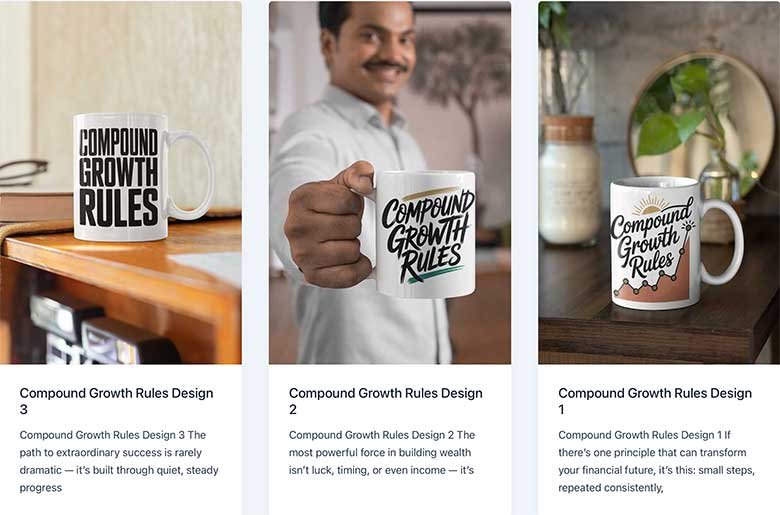
Fill Your Home With Things That Last
Premier Print Works makes quality prints, mugs, and shirts for thoughtful, thrifty homes. Browse the collection and find what speaks to you today.
Visit Premier Print WorksDisclaimer
The content on this page is for informational and inspirational purposes only. It is not professional financial, investment, tax, legal, insurance, health, or estate planning advice. The numbers in the examples are made up to show how break-even math works, and your own savings will depend on prices and how often you use each item. Please follow the manufacturer’s instructions for cleaning, care, and safe use of any product, and wash food-contact items thoroughly. Prices vary by store and change over time, and results vary widely from person to person.
The stories of Amara and Joel are illustrative composite characters created to bring the content to life. They are not real people. Any resemblance to a real person is purely coincidental.
Some links on this page, including links to Premier Print Works and other resources, are affiliate links. If you make a purchase through one of these links, we may earn a small commission at no extra cost to you. We do not own, produce, or control any affiliate products, and we are not responsible for them — we only own and sell the products offered through our own store, Premier Print Works.
All content on A Self Help Hub is the property of Digital Marketing 215 LLC and is protected by copyright law. No part of this page may be copied, reproduced, republished, distributed, or transmitted in any form without prior written permission from the author.