Sharing What You Have Learned: Passing Simple Money Lessons to Younger People Kindly
Most people learn about money the hard way. A bounced payment, a card balance that grew too fast, a lease signed without reading every line. By the time those lessons sink in, many of us wish we could hand them to someone younger and spare them a little trouble.
Passing on simple money lessons can be a real gift. It works best when it feels like a conversation, not a lecture. Young people often tune out advice that sounds like a rule, yet they may listen closely to a story, a question, or a moment you share together. Kindness tends to open more doors than warnings do.
This guide offers general ideas for sharing what you know with kids, teens, and young adults in your life. It is information to think about, not advice, and every family and every young person is different. Start with one small moment.

Sit Down Together With a Simple Budget Page
Download the free Money Reset Workbook to share a clear, simple way to look at money with a younger person.
Get the Free WorkbookStories often land better than rules
A rule like “Never carry a balance” can sound like nagging. A short, honest story about a time money surprised you can feel more real. It shows that you are human and that mistakes can be fixed.
The story does not need a big lesson at the end. Sometimes it is enough to say what happened and what you would do differently now.
Keeping stories short and light helps. A young person may ask more questions if they do not feel trapped in a long talk.
Think of one short money story from your own life that you would feel comfortable sharing.
Questions can invite thinking instead of pushing back
Asking a question can open a door that advice might close. In place of a line like “Save that money,” you might ask, “What are you hoping to do with that money?”
Questions let young people work through their own thinking. They may come to a wise choice on their own, and that choice often sticks better.
Some other examples: “How did you decide on that one?” or “What would happen if the price went up?” These are only examples, and your own words will fit better.
Write down two open questions you could ask a younger person about money.
A Gift With a Good Lesson
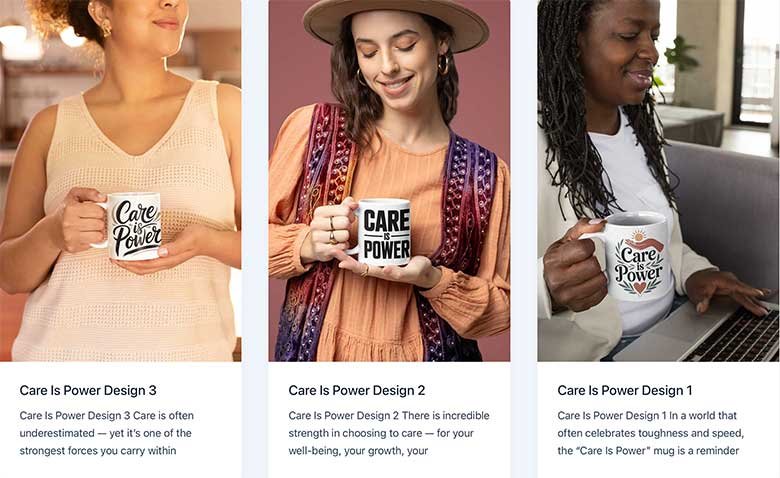
Premier Print Works makes prints, mugs, and shirts that make thoughtful gifts for graduates and young adults. Find one you like.
Visit Premier Print WorksEveryday moments make natural teaching times
Grocery trips, paying a bill, or comparing two prices are simple, real moments to talk about money. Saying your thinking out loud can show how choices get made.
For example, “This brand costs a dollar more, and I cannot tell the difference, so I will try the other one.” Small comments like that add up over time.
For related reading, see ways to teach kids about money.
Choose one everyday task where you could talk through a money choice out loud.
“A lesson shared with kindness tends to be remembered longer than one handed down as a rule.”
Matching the lesson to the age
Young children may enjoy counting coins, saving in a clear jar, or choosing between two small treats. Teens may be ready to talk about a first paycheck, a phone plan, or a car. Young adults might be facing rent, credit, and their first bills.
A lesson that fits their stage feels useful. A lesson that is too early or too late may not stick.
Paying attention to what they are dealing with right now can guide what to share. Another place to look is money tips for college students.
Think about one younger person and what money step they are facing right now.

A Page to Share
The free Money Reset Workbook gives you simple pages that young people can use to start tracking their own money.
Get the Free WorkbookSharing mistakes without shame
Many people hide their money mistakes. Yet sharing them, in a calm way, can teach a lot. It shows that mistakes are common and that people can recover from them.
You might say, “I once missed a bill because I forgot the due date. Now I set reminders.” That one sentence carries a lesson and a solution.
It can help to keep the focus on what you learned, not on how bad it felt. That keeps the moment hopeful.
Pick one money mistake you could share along with what you learned from it.
Letting them make small choices and small mistakes
Young people often learn best by doing. Giving them a small amount to manage, like a weekly allowance or a set budget for a school trip, lets them practice.
If they spend it all on day one, that is a lesson too. A small mistake with a small amount of money can be a cheap way to learn.
Stepping back and letting them feel the result, with kindness, can teach more than stepping in to fix it every time.
Give a younger person one small money choice to make on their own.
Offering help without taking over
When a young adult asks for help, it can be tempting to take over and solve everything. Offering to sit with them while they look at their own numbers can be more helpful in the long run.
You might say, “Want to look at it together?” and then let them lead. Answering questions as they come up keeps them in charge of their own money.
For related reading, see money basics for young adults.
Next time a younger person asks for money help, offer to look at it together instead of fixing it.
Respecting that their path may look different
Young people today may face different prices, jobs, and choices than earlier generations did. A lesson that worked for you may need a twist to fit their world.
Listening to their view can help you share in a way that feels relevant. It also shows respect, which tends to make them more open to hearing you.
Saying “Here is what worked for me, though your situation may be different” can keep the conversation friendly.
Ask a younger person what money feels hardest for them right now, and listen.
Pointing to warning signs gently
Some lessons are about staying safe, like spotting scams, avoiding very costly loans, and reading contracts before signing. These can be shared calmly, without trying to scare anyone.
A light approach might be, “A lot of offers out there sound too good to be true. Want to look at that one together?”
Another place to look is money red flags for people in their twenties.
Choose one money warning sign you would like a younger person to know about.
Explore Our Top Picks for a Better Life
We have gathered the tools, resources, and products we think are genuinely worth your time, covering mindset, self-care, health, and home. All in one place, hand-picked to support the goals you are working toward.
See Our Top PicksReal Stories, Real Results
Let me share two examples I like to use. Kezia wanted her teenage niece to learn about saving, but every time she brought it up, the talk fizzled. She started asking questions during shopping trips and telling short stories about her own first job. She told me that her niece began asking her for money tips on her own.
Daniel used to step in and pay his nephew’s bills whenever he got behind. He changed his approach and offered to sit with him and look at his budget together. Both of them said the same thing: sharing lessons kindly, through stories and questions, helped the younger people in their lives learn without feeling lectured.
Lessons That Get Passed On
Picture a younger person in your life saying, “You told me about this once,” as they make a smart money choice. Your stories and questions became part of how they think.
Start with one short story or one good question. Download the free Money Reset Workbook to sit down together and look at a simple budget page.
Want Ready-Made Tools to Help You Put This Into Action?
Sometimes the fastest way forward is a tool that someone has already built. Browse our hand-picked resources and downloads, chosen to help you take the next step with less guesswork.
Browse Resources and Downloads
Ready to Pass It On?
The free Money Reset Workbook is an easy way to help a younger person see their numbers clearly for the first time.
Download Free Now
Something for the Next Generation
Premier Print Works creates quality mugs, prints, and shirts for families and new beginnings. Browse the collection today.
Visit Premier Print WorksDisclaimer
The content on this page is for informational and inspirational purposes only. It is not professional financial, investment, tax, legal, insurance, or estate planning advice, and it is not parenting advice. The example phrases are made up and can be changed to fit your own family. Prices, fees, and account terms vary and change. Results vary widely from person to person.
I am not a financial advisor, and I am not a licensed tax, legal, or investment professional. I share this information to help people learn about money and see new options. Please treat it as general information only, and talk with a qualified professional about your own situation before making financial decisions.
The stories of Kezia and Daniel are illustrative composite characters created to bring the content to life. They are not real people. Any resemblance to a real person is purely coincidental.
Some links on this page, including links to Premier Print Works and other resources, are affiliate links. If you make a purchase through one of these links, we may earn a small commission at no extra cost to you. We do not own, produce, or control any affiliate products, and we are not responsible for them — we only own and sell the products offered through our own store, Premier Print Works.
All content on A Self Help Hub is the property of Digital Marketing 215 LLC and is protected by copyright law. No part of this page may be copied, reproduced, republished, distributed, or transmitted in any form without prior written permission from the author.