Ten Questions to Ask Yourself After a No-Spend Challenge
The last day of the challenge comes and goes. Nothing big happens. There is no finish line or confetti. Yet something feels different. You have gone days or weeks choosing not to buy extras, and you may be wondering what all of it meant.
That quiet moment is a great time for a few no-spend challenge questions. A challenge teaches you a lot, but the lessons can slip away fast if you jump right back into old routines. A short check-in with yourself helps you hold on to what you learned. It turns a few weeks of effort into something you can use for a long time.
This guide shares general ideas to think about, and it is not advice or a set of rules. Below are ten questions, each with a little room to reflect. You can answer them in a notebook, on your phone, or just in your head on a walk. Go one question at a time. There are no wrong answers here.

Turn Your Challenge Into Lasting Lessons
Download the free Money Reset Workbook and get simple pages to write down what your no-spend challenge taught you.
Get the Free Workbook1. What did I actually save, and what did I do with it?
Start with the simple facts. Look at your bank and card apps and compare this stretch with a normal one. You might see fewer small charges, a lower grocery bill, or no online orders at all.
Here is an example with made-up numbers. Say you usually spend about $220 a month on extras like takeout, coffee, and little online buys. During a one-month challenge, you spent $40 on extras that came up. That means about $180 stayed in your account. Seeing a real number can feel very encouraging.
Then ask where that money is now. Some people move it to savings or a bill. Others leave it sitting in checking, where it can quietly drift away. Knowing which one happened is useful.
Write down roughly how much you kept and where that money is sitting now.
2. Which purchases did I not miss at all?
This question often brings the biggest surprises. Think about the things you normally buy without thinking. Which ones did you forget about after the first few days?
Many people find that some habits were mostly about routine. The drive-thru on the way home, the extra item in the cart, or a monthly box you barely open can fade from your mind quickly once you stop. Those are good clues about where money tends to leak.
You do not have to give these up forever. Simply knowing you did not miss them gives you a choice next time.
List three things you did not miss during the challenge.

Keep a Reminder of What Matters Most
Premier Print Works creates quality prints, mugs, and shirts for thoughtful people who spend on purpose. Find a small reminder of your best lesson.
Visit Premier Print Works3. Which purchases did I truly miss?
Now flip the question. What did you really look forward to having again? Maybe it was a coffee with a friend, a favorite snack, or a hobby supply.
Missing something is not a failure. It tells you what adds real joy to your life. Those are often the things worth keeping in your budget on purpose, so you can enjoy them without guilt.
Some people turn this list into a small fun money line in their budget. That way the things they love have a home. For related reading, see money management tips for planning before you spend.
Write down the one or two things you most want to bring back.
“The challenge ends in a day, but what you learn from it can last for years.”
4. When was the challenge hardest?
Think about the moments when you almost gave in, or did. Was it late at night, on payday, after a hard day at work, or while scrolling on your phone?
Patterns often show up. Some people struggle most when they are tired. Others feel the pull on weekends, or when they are bored, lonely, or stressed. Knowing your hard moments is like having a map of where to be gentle with yourself.
Once you know the pattern, you can plan around it. A short walk, a call to a friend, or simply waiting a day are small ideas that some people find helpful.
Note the time of day or feeling that made the challenge hardest.

Write Your Answers in One Place
The free Money Reset Workbook gives you a clear page to record your reflections, so the habits you want to keep are easy to see.
Get the Free Workbook5. Did I bend or break any rules, and why?
Most people slip at least once during a challenge. That is normal and human. The useful part is looking at why it happened.
Maybe a rule was too strict for real life. Maybe a need came up, like a broken shoe or a gift for a birthday. Or maybe a strong urge simply won. Each reason points to a different lesson. A rule that was too tight can be adjusted next time. A real need can be planned for. You may also like no-spend month rules that make sense.
Looking at slips with curiosity, and not shame, keeps the challenge a learning tool.
Write down any slip, plus one word for why it happened.
6. What did I do instead of shopping?
When you stop buying extras, time and attention open up. Think back. Did you cook more, take walks, read, call friends, or clean out a closet?
Some of these new activities may have been more fun than you expected. Others might have just filled the gap. Both are worth noticing. Free or low-cost activities that you liked can stay part of your week, challenge or not.
A few people find that this question changes how they see their free time. The goal shifts from spending less to living more fully with what they already have.
List the free activities you enjoyed most during the challenge.
7. How did I feel about money during the challenge?
Feelings matter as much as numbers. Did you feel calmer, more in control, or proud? Did you feel tense, left out, or tired of saying no?
There is no right answer. Some people feel a wonderful sense of space. Others feel strained, especially if money was already tight before the challenge began. If the challenge brought up hard feelings, that is good information too.
Being honest about your feelings helps you choose a better fit next time. A shorter challenge, a single-category pause, or looser rules may feel kinder.
Write one sentence about how the challenge felt emotionally.
8. What surprised me about my spending?
Most challenges reveal at least one surprise. Maybe you learned that small purchases added up faster than you thought. Maybe you discovered you already own enough of something, like books, pens, or kitchen gadgets.
Surprises are useful because they break old beliefs. Someone who thought, “I never spend on snacks,” might find a pattern of daily gas station stops. Someone who thought, “I can never save,” might find a few dollars left at the end of the month.
Write down the surprise in plain words. It can guide the next small change you choose to make. Another place to look is ways to stop replacing things you already own.
Write down the biggest surprise the challenge showed you.
9. Which new habit do I want to keep?
A challenge is a short burst. The real gift is the one or two habits that stay afterward. Think about what felt natural and easy to keep going.
It might be checking the pantry before shopping, waiting a day before online orders, or keeping one no-spend day each week. Small habits like these are easier to keep than big rules. Many people find that one steady habit does more over time than a long, strict challenge.
Choose just one to start. You can always add another later.
Pick one habit from the challenge to keep for the next month.
10. What would I change if I did this again?
The last question looks forward. If you tried another challenge, what would you do differently? Would you make it shorter or longer, add a fun money cushion, or plan ahead for a known event?
Your answers to the first nine questions can guide this one. If evenings were hard, you might plan an evening activity. If a rule felt unfair, you might soften it. If you loved the results, you might choose a new category to pause. For related reading, see planning your first no-spend month.
Write your ideas down while they are fresh. A future you will be glad to find them.
Write two changes you would make before your next challenge.
Explore Our Top Picks for a Better Life
We have gathered the tools, resources, and products we think are genuinely worth your time, covering mindset, self-care, health, and home. All in one place, hand-picked to support the goals you are working toward.
See Our Top PicksReal Stories, Real Results
Let me share two examples I like to use. Kezia finished a two-week challenge and almost moved on without thinking about it. Instead, she sat down with a notebook and answered a few questions. She noticed she had not missed her weekly online orders at all, and she decided to keep a 24-hour wait before buying anything online. She told me that one small habit felt like the real prize.
Daniel found his challenge hard, especially in the evenings after work. When he looked back, he saw that most of his slips happened when he was tired and bored. Next time, he planned a short walk and a simple dinner for those hours. He said the second challenge felt much lighter. Both of them said the same thing: the questions after the challenge taught them more than the challenge itself.
Picture a Challenge That Keeps Paying You Back
Imagine finishing a no-spend challenge and walking away with a clear list. You know what you saved, what you missed, what you did not miss, and the one habit you want to keep. Months later, that habit is still quietly working for you.
Set aside twenty quiet minutes after your next challenge to go through these questions. Download the free Money Reset Workbook to write down your answers and your next small step. A few honest answers can turn a short challenge into a lasting change.
Want Ready-Made Tools to Help You Put This Into Action?
Sometimes the fastest way forward is a tool that someone has already built. Browse our hand-picked resources and downloads, chosen to help you take the next step with less guesswork.
Browse Resources and Downloads
Ready to Keep the Best Habit Going?
The free Money Reset Workbook helps you see your numbers clearly, so the lessons from your challenge stay with you.
Download Free Now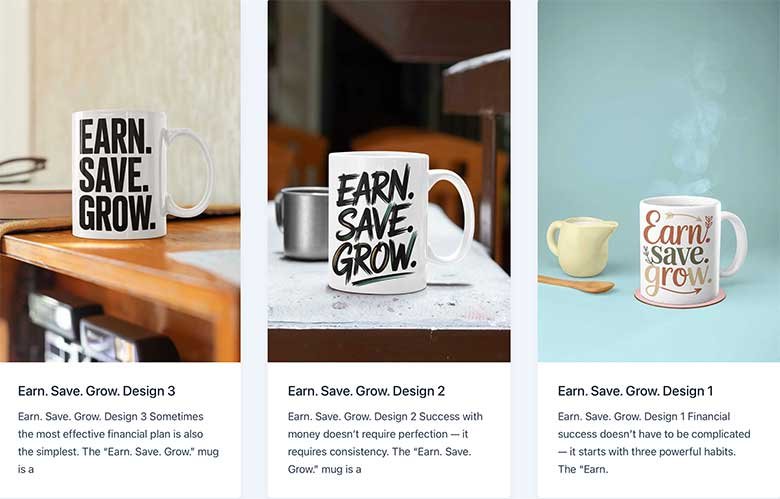
Fill Your Space With Gentle Reminders
Premier Print Works makes quality prints, mugs, and shirts for people who choose their spending with care. Browse the collection and find what speaks to you today.
Visit Premier Print WorksDisclaimer
The content on this page is for informational and inspirational purposes only. It is not professional financial, investment, tax, legal, insurance, or estate planning advice. The numbers in the example are made up to show how the math works, and your own spending will be different. Prices, fees, and account terms vary and change. A no-spend challenge is never meant to replace paying for needs like food, housing, health care, or safety. Results vary widely from person to person.
I am not a financial advisor, and I am not a licensed tax, legal, or investment professional. I share this information to help people learn about money and see new options. Please treat it as general information only, and talk with a qualified professional about your own situation before making financial decisions.
The stories of Kezia and Daniel are illustrative composite characters created to bring the content to life. They are not real people. Any resemblance to a real person is purely coincidental.
Some links on this page, including links to Premier Print Works and other resources, are affiliate links. If you make a purchase through one of these links, we may earn a small commission at no extra cost to you. We do not own, produce, or control any affiliate products, and we are not responsible for them — we only own and sell the products offered through our own store, Premier Print Works.
All content on A Self Help Hub is the property of Digital Marketing 215 LLC and is protected by copyright law. No part of this page may be copied, reproduced, republished, distributed, or transmitted in any form without prior written permission from the author.