15 Daily Habits That Help You Improve Your Life One Step at a Time
The life that is significantly different one year from now will not be different because of the single dramatic decision made in a peak moment of motivation. It will be different because of fifteen small habits practiced consistently enough that the compounding of them, accumulated across three hundred and sixty-five days, produced the person who lives the different life. This is not the discouraging version of how the improvement works — it is the honest and genuinely accessible one. The dramatic decision is available to anyone. The consistent small habit is available to anyone. The compounded result of the consistent small habit is available only to the person who practiced it consistently enough to receive it. That person can be you.
These fifteen habits are the specific daily practices that produce the specific compounded improvements across the areas of the life that the improvement most matters for. Find the two or three that address the most immediate and most available improvement in the current daily life. Begin with those. Add from the list as the capacity and the momentum build. The great life is built from these small daily practices more reliably than from any other available source. One step at a time. Three hundred and sixty-five steps per year. The direction is everything. These fifteen ensure the direction is right.

Free Download: The 9 Daily Habits Checklist
The consistent daily habits that improve the life one step at a time need the daily structure that makes the consistency possible. The free 9 Daily Habits Checklist gives you nine proven daily practices to build the foundation from which the great life grows. Download it free today.
Get the Free Habits Checklist1. Begin Each Day With One Intentional Act Before the Reactive World Claims the Morning
“One step a day in the right direction is still three hundred and sixty five steps forward by the end of the year.”
The intentional act that begins the day before the phone is checked, before the inbox is opened, before the first external demand claims the morning’s first energy — this is the daily declaration that the day belongs to the person living it rather than to the world pressing in from the outside. The act does not need to be large. It needs to be intentional. The cup of tea in the quiet. The five minutes of the movement practice. The journal entry that names the day’s intention. The specific small thing done for the self rather than for the response to others — the thing that establishes the internal before the external has had a single word.
Build this habit from whatever intentional act is most naturally available in the specific morning. The act that takes five minutes and requires only the decision to do it before the phone is reached for. The doing of it consistently — not perfectly, not every single morning without exception, but consistently enough that the intentional morning becomes the default rather than the exception — produces the specific quality of the day that begins from the inside. Over months and years the person whose days begin from the inside is a different person from the one whose days begin from the reactive outside. The habit builds the person. Begin with the one intentional act. The rest of the day follows from it.
“Small habits done daily are the most underestimated force in building a great life.”
2. Move the Body for Thirty Minutes Every Day
“One step a day in the right direction is still three hundred and sixty five steps forward by the end of the year.”
The thirty minutes of daily movement is the single habit with the broadest positive impact across the most areas of the daily life simultaneously. The energy that the sedentary day cannot sustain and the moved day reliably produces. The mood that the movement improves more consistently than most available alternatives. The cognitive clarity that the physical activity delivers to the mental work that follows it. The sleep quality that the daily movement supports through the improved regulation of the sleep-wake cycle. The long-term health trajectory that the daily movement habit influences more significantly than almost any other single daily choice. Thirty minutes. Every day. Not the performance fitness routine — the sustainable daily movement that the body genuinely benefits from and the daily life genuinely sustains.
Find the form of the daily movement that the specific person will actually do rather than the form that is theoretically optimal but practically unsustainable. The walk, the bike, the yoga, the strength session, the dance — the specific form that produces the genuine enjoyment or at minimum the genuine willingness, because the movement practice that the person will do every day is infinitely more effective than the movement practice that they will do three times and abandon. Begin with thirty minutes. If thirty is too much today, begin with fifteen. The consistency is worth more than the duration. Build the consistency first. The duration grows from the built habit.
“Small habits done daily are the most underestimated force in building a great life.”
3. Read for Twenty Minutes Before the Screen Claims the Evening
“One step a day in the right direction is still three hundred and sixty five steps forward by the end of the year.”
The twenty minutes of reading is the daily investment in the most productive and the most accessible form of continuing education available — the specific knowledge, perspective, or narrative that the specific book provides in the specific context of the quiet evening, before the screen’s stimulation has replaced the focus that the reading requires. Twenty minutes per day of the committed reading practice is the equivalent of approximately twelve to fifteen books per year — the specific accumulated wisdom, the expanded understanding, the broadened perspective that the non-reading year does not provide. The reading does not require the elaborate ritual or the dedicated library. It requires the book, the twenty minutes, and the choice to prioritize the reading before the scrolling claims the available time.
Choose the book that genuinely interests the current self. Not the book that should be read — the one that actually will be. The genuine interest sustains the habit past the initial motivation that fades after the first week for the books chosen from the obligation rather than the genuine curiosity. Twenty minutes per night. Twelve books per year minimum. Twenty years of the reading habit. The compounded education of the reading habit across the adult life is one of the most significant available investments in the self. It begins with twenty minutes tonight. Read the thing that genuinely interests you. The habit holds from the genuine interest.
“Small habits done daily are the most underestimated force in building a great life.”
4. Practice the Daily Gratitude That Is Specific Rather Than Generic
“One step a day in the right direction is still three hundred and sixty five steps forward by the end of the year.”
The gratitude practice that produces the genuine shift in the daily experience is the specific one rather than the generic one. The generic gratitude — I am grateful for my health, my family, my home — is not wrong. It is the gratitude that is available without the genuine attention that the specifically noticed thing requires. The specific gratitude — I am grateful for the specific conversation in the parking lot that produced the unexpected laughter, the specific quality of the light on the specific afternoon, the specific person who said the specific thing that landed with the specific honesty that was needed — is the gratitude that requires the genuine noticing of the specific life being lived. The specific gratitude is the proof that the day was genuinely inhabited rather than merely managed.
Write three specific things per day that are worth the genuine acknowledgment. Not the categories — the specific instances. The specificity is the practice. The practice of the specificity trains the attention toward the genuinely present good rather than only toward the genuinely present difficulty. The attention trained toward the good does not ignore the difficulty — it holds both. The life held with both the difficulty and the specific good is the life with the more accurate picture of itself. The accurate picture is the better foundation for the action that the life’s improvement requires. Practice the specific gratitude. The attention it trains is the attention the improvement is built from.
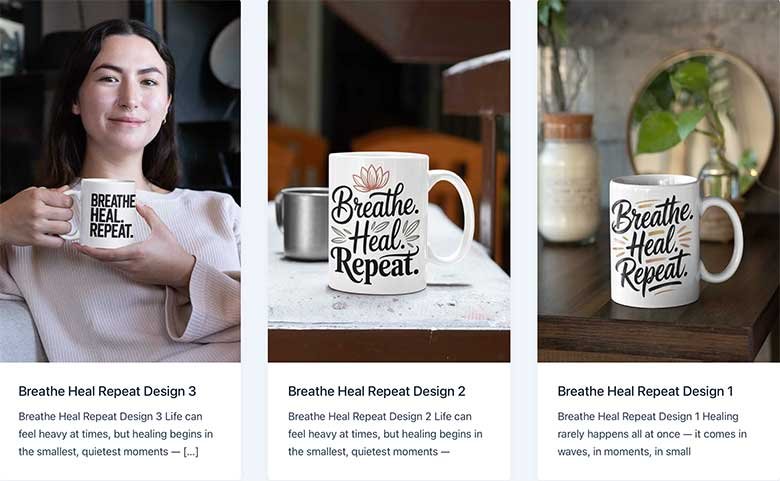
Visit Premier Print Works
Keep the reminder that small habits done daily are the most underestimated force in building a great life — visible where the daily improvement happens. Premier Print Works offers prints, mugs, and art for the person building the great life one step at a time. Visit the shop today.
Visit Premier Print WorksHow Petra Changed the Direction of Her Life Not by Changing Her Circumstances but by Changing Five of Her Daily Habits
Petra had been waiting for the circumstances to change before the life improvement she wanted would be possible. The income needed to reach a certain level before the savings habit could begin. The work situation needed to stabilize before the creative practice could be resumed. The relationship needed to improve before the energy for the personal growth work would be available. Each improvement was real and genuinely desired. Each was contingently deferred — dependent on the prior change in the circumstances that had not yet arrived and that the waiting for was not producing.
The shift came from a conversation with a friend who had been observing the deferral pattern for long enough to name it clearly. She said: the circumstances that would make all of these things possible are going to arrive from the things you are deferring until they arrive. The savings habit that was being deferred until the income increased was the habit that would produce the financial confidence that would support the professional risk that would produce the income increase. The creative practice that was being deferred until the work situation stabilized was the practice that was producing the energy and the perspective that would make the work situation more navigable. The habits were the cause of the changed circumstances, not the effect of them. The deferral had the sequence reversed.
Petra picked five habits from a list she had been meaning to implement for two years. Not the full fifteen — five. The daily movement, the twenty minutes of reading, the specific daily gratitude, the one intentional morning act, and the five minutes of daily creative practice that the creative work required to remain alive during the period when the full practice was not yet sustainable. She implemented all five in the same week. The first three weeks were the specific difficulty of the new habit before it has become the automatic behavior. The first three months produced the specific measurable changes in the energy, the mood, the creative capability, and the financial picture that the five habits were producing. The circumstances had not changed first. The habits had. The changed habits were changing the circumstances from the inside out. The sequence had been right the whole time. She had simply had it backwards.
5. Drink the Water Before Anything Else in the Morning
“Small habits done daily are the most underestimated force in building a great life.”
The morning glass of water before the coffee, before the food, before the phone — this is the simplest available daily habit with the most immediate daily payoff. The body that wakes from seven or eight hours without hydration is the body running on the dehydration that the sleep produced. The first glass of water rehydrates the system that the sleep depleted and provides the specific improvement in the energy, the cognitive clarity, and the physical feeling that the dehydrated morning start does not produce. The habit requires fifteen seconds. It produces the consistently better morning start. It is the most efficient available daily habit — the highest daily return relative to the investment of the time and the effort it requires.
Put the glass of water next to the bed tonight. Drink it before the feet hit the floor tomorrow. The habit is built from the physical cue of the glass in the visual field rather than from the willpower required to remember the intention. The water in the visual field is the prompt. The prompt produces the habit without the required recall. Build the cue, not the willpower. The cue is the glass. Place it tonight. The habit begins tomorrow. The three hundred and sixty-five mornings of the hydrated start compound into the three hundred and sixty-five days of the consistently better morning energy that the dehydrated start never produces.
“One step a day in the right direction is still three hundred and sixty five steps forward by the end of the year.”
6. Keep a Daily To-Do List That Has No More Than Three Priorities
“Small habits done daily are the most underestimated force in building a great life.”
The task list that contains twenty items is the task list that produces the specific anxiety of the overwhelmed person and the specific confusion of the person who cannot determine which of the twenty items is the most important one to begin. The three-priority daily task list is the task list that produces the specific clarity of the person who knows exactly what the day’s most important work is and can give the full available attention to the completing of it before the less important items claim the day’s best energy. The three priorities are the day’s most important work. The rest is the managed life — necessary, real, handled in the time that remains after the three priorities have been addressed.
Write the three priorities for tomorrow tonight. Not the full task list — the three that, if accomplished, would make tomorrow a genuinely productive day regardless of what else was or was not completed. Put them at the top of whatever system is used for the daily task management and begin the working day from the first of the three rather than from the inbox. The three-priority day is the day that builds the consistent evidence of the productive person — the person who consistently delivers on the most important daily commitments and who builds the confidence and the focus from the accumulated evidence of the consistent delivery. Three priorities. Tomorrow. Write them tonight.
“One step a day in the right direction is still three hundred and sixty five steps forward by the end of the year.”
7. Practice the Five-Minute Tidy That Prevents the Accumulated Chaos
“Small habits done daily are the most underestimated force in building a great life.”
The physical environment has a direct and consistent influence on the mental environment. The cluttered space is the space that consistently produces the distracted and overwhelmed mental state for many people — not because the clutter is a moral failing but because the visual noise of the unaddressed physical disorder is a consistent low-level demand on the attention that the focused mind needs for the important work. The five-minute daily tidy is the minimum effective practice that prevents the accumulated disorder from reaching the level that the focused mind finds genuinely distracting — a consistent small investment that prevents the much larger investment of the periodic deep clean that the five-minute tidy would have prevented from being necessary.
Build the five-minute tidy as the end-of-day practice — the brief pass through the primary living and working space that returns each area to the baseline organization from which the next day can begin. The dishes in the sink. The papers in their place. The items out of the positions they were borrowed from returned to the positions they belong in. Five minutes. The morning that begins from the clear space is a different morning from the one that begins from the visual chaos. The clearer morning produces the clearer start. The clearer start produces the clearer day. The five-minute investment has the disproportionate daily return. Build the five-minute tidy. The return is worth every minute of it.
“Small habits done daily are the most underestimated force in building a great life.”
8. Send the Message That Has Been Unsent Too Long
“One step a day in the right direction is still three hundred and sixty five steps forward by the end of the year.”
The relationship maintenance habit — the daily small act of the connection kept alive — is the habit that the busy life most consistently defers and whose deferral most quietly erodes the specific quality of the life that the important relationships produce. The message that was thought about and not sent. The check-in that was intended and not completed. The genuine expression of the care or the appreciation or the thinking-of-you that was felt and not communicated because the moment passed before the intention was acted on. These small unrealized connection moments are the compound interest of the relationship neglect — individually small, cumulatively significant, and reversible through the simple daily habit of the one sent message.
Send one message per day to a person in the life who deserves the genuine connection. Not the obligatory response to the received message — the proactive reaching out to the person whose presence in the life is genuinely valued and whose knowledge of that value has been deferred too long. One message. Per day. The habit takes two minutes and produces the specific return of the maintained connection that the neglected relationship cannot provide. The relationships that are actively maintained are the relationships that produce the specific quality of the life that the relationships-managed-by-obligation do not. One message per day. Send it. The relationship is worth the two minutes.
“Small habits done daily are the most underestimated force in building a great life.”
9. Protect the Last Hour Before Sleep From the Screen
“One step a day in the right direction is still three hundred and sixty five steps forward by the end of the year.”
The sleep that the screen-filled final hour prevents from being the restorative sleep the body and the mind require is the sleep that the following day is built from — the specific tiredness, the reduced cognitive performance, the lower emotional regulation threshold that the insufficient restorative sleep consistently produces. The final hour before sleep is the body’s preparation for the restorative sleep — the period during which the nervous system is designed to downregulate from the day’s demands, the melatonin to begin the rise that signals the readiness for sleep, the waking mind to begin the gentle transition toward the rest. The screen’s blue light and stimulating content disrupts this preparation reliably. The hour protected from the screen honors it.
Build the screen-free final hour as the one habit that most directly improves the quality of the sleep that every other habit depends on for its sustainable execution. Replace the screen with the book. The conversation. The gentle movement. The journaling. The anything that the body and the mind can wind down from rather than be stimulated by. The improved sleep that the protected final hour produces is the improved energy, focus, emotional regulation, and physical health of the following day that the screen-filled final hour consistently prevents. Protect the hour. The sleep it produces improves everything that follows from the sleep.
“Small habits done daily are the most underestimated force in building a great life.”
10. Practice the Daily Five-Minute Skill Investment
“One step a day in the right direction is still three hundred and sixty five steps forward by the end of the year.”
The skill that is improved by five minutes of deliberate daily practice is the skill that is improved by thirty hours per year — the specific accumulated expertise that the inconsistent longer practice session cannot match because the daily practice builds the neural pathways more effectively than the irregular intensive one. The language being learned. The instrument being played. The writing being developed. The specific professional skill being built. The creative capability being expanded. Five minutes per day is not the pace of the dramatic breakthrough. It is the pace of the genuine skill development that the dramatic breakthrough rests on. It is also the pace sustainable enough to become the daily habit that the intensive practice session rarely does.
Choose the one skill that would most directly improve the quality of the life or the confidence in the most important domain. Five minutes per day. The specific deliberate practice rather than the passive exposure — the active engagement with the material that produces the skill rather than the passive consumption of it that produces the familiarity. Five minutes of the deliberate practice is worth more than thirty minutes of the passive consumption in terms of the skill development it produces. Five minutes. Daily. The skill compounds from the daily investment in ways that the irregular larger investment cannot replicate. Begin the five minutes today.
“Small habits done daily are the most underestimated force in building a great life.”

Free Download: The Self-Care Starter Kit
The daily habits that improve the life one step at a time are supported most powerfully by the daily self-care that keeps you genuinely connected to yourself. The free Self-Care Starter Kit gives you simple daily practices for your mind, your body, and your inner life. Download it free today.
Get the Free Self-Care Starter Kit11. Replace the Complaint With the Requested Change or the Acceptance
“Small habits done daily are the most underestimated force in building a great life.”
The complaint that has no next step is the energy spent on the problem without producing the solution or the peace that the acceptance of the unsolvable produces. The habit of replacing the complaint with either the requested change — the honest communication of what the self needs rather than the expression of the frustration about what it is not receiving — or the acceptance of the genuinely unchangeable situation — the deliberate choice to release the resentment of the thing that cannot be altered — is the habit that converts the energy of the complaint into the energy of the action or the peace. Both outcomes are improvements on the complaint that produces neither.
When the complaint arrives — the internal one or the external one — ask the question: is this something that can be changed through the requested change? If yes, make the request rather than the complaint. If no, is this something that genuine acceptance would release the energy of? If yes, practice the acceptance rather than the continued complaint about the unchangeable. The habit of the either-or response to the complaint is the habit that conserves the energy that the unproductive complaint drains and redirects it toward the improvement that the action or the peace produces. Not once — daily. The daily practice of the either-or response is the habit that gradually reduces the proportion of the day spent in the unproductive complaint and increases the proportion spent in the productive response to the same circumstances.
“One step a day in the right direction is still three hundred and sixty five steps forward by the end of the year.”
12. Invest Two Percent of the Daily Income in the Long-Term Future
“Small habits done daily are the most underestimated force in building a great life.”
The daily financial habit — the consistent small contribution to the savings, the investment, or the debt reduction that produces the long-term financial stability — is the habit that the large future financial event is built from rather than the single dramatic financial decision. The two percent is not the precise amount appropriate to every financial situation — it is the principle of the consistent small financial contribution that, practiced daily or on every pay period, produces the compounded improvement in the financial position that the inconsistent larger contribution cannot match. Always consult a qualified financial advisor for guidance on the savings and investment approach appropriate to the specific financial situation.
Begin with the smallest possible consistent financial contribution to the long-term future. The amount is less important than the consistency — the automated transfer that happens on the same day as the income without requiring the monthly decision about whether to do it. The automated consistent small contribution is the financial equivalent of the daily movement habit: not the most dramatic available intervention but the most consistently sustainable one, and therefore the one most likely to be in place in twenty years when the compounding has produced its full result. Start small. Start automated. Start now. The financial future is built from the consistent small daily choices, not the perfect plan.
“Small habits done daily are the most underestimated force in building a great life.”
13. Reflect for Five Minutes at the End of Each Day
“One step a day in the right direction is still three hundred and sixty five steps forward by the end of the year.”
The five-minute daily reflection is the practice that converts the experienced day into the learned day — the brief honest look at what happened, what worked, what did not, and what the specific experience of the day has added to the self-understanding and the forward planning. Without the reflection the day passes through the life without the full available learning being extracted from it. With the reflection the day produces not only the outcomes it contained but the specific understanding that the outcomes provide for the day that follows. The reflection is the daily compounding mechanism — the practice that ensures each day’s experience is not lost as the next day arrives but is integrated into the accumulating wisdom that the daily practice builds across the year.
Five minutes. Three questions: what was the specific win from today — the thing done well or the thing navigated successfully or the thing produced that deserves the honest acknowledgment? What was the specific learning — the thing that did not go as intended and that the honest reflection reveals as the specific adjustable factor? What is the single most important thing for tomorrow? The five-minute daily reflection answers these three questions from the honest account of the specific day rather than the general sense of it. The answers produce the daily learning that accumulates into the specific wisdom the year’s consistent reflection builds. Five minutes. Every day. The learning compounds from the five minutes.
“Small habits done daily are the most underestimated force in building a great life.”
14. Say No to One Draining Commitment This Week
“One step a day in the right direction is still three hundred and sixty five steps forward by the end of the year.”
The daily habit of the protected energy — the ongoing practice of the honest assessment of which commitments genuinely serve the life and which ones drain the energy without proportionate return — is the habit that prevents the gradual accumulation of the obligations that produce the overwhelmed, depleted daily existence that improvement feels impossible from. The no to the draining commitment is not the weekly dramatic refusal of everything that requires effort. It is the honest ongoing assessment that identifies the specific commitment that is currently costing more than it is contributing and that can be declined, reduced, or ended without genuine harm to the life or the relationships it contains.
Identify one draining commitment per week that can be honestly released. Not the important responsibility that the life genuinely requires — the accumulated obligation that has outlasted the genuine willingness or the genuine value. The volunteer commitment that became the obligation rather than the genuine giving. The social engagement that is attended without genuine enjoyment and that the attending produces the depletion that nothing is recovering. The small service provided to the person who returns nothing to the relationship and who the boundary would actually serve better than the continued accommodation. One per week. The energy recovered from the released obligation is the energy available for the habits in this list that build the life the improvement is aiming for. Protect the energy. The building requires it.
“Small habits done daily are the most underestimated force in building a great life.”

Building the Daily Habits of the Better Life Through Recovery? This Is for You.
For some people, building the daily habits in this list is one of the most meaningful parts of the recovery journey — the daily construction of the life that the sobriety is making possible. If that is where you are, the free Sober Survival Guide offers honest daily support. Download it free.
Get the Free Sober Survival Guide15. Do the One Thing You Have Been Putting Off the Longest
“Small habits done daily are the most underestimated force in building a great life.”
The most avoided task — the one that has been in the back of the mind the longest, deferred the most consistently, generating the specific low-level anxiety of the unfinished business — is the task whose completion produces the most significant daily improvement in the overall mental and emotional state available. Not because it is the most important task. Because it has been the unaddressed drain on the mental energy for the longest time. The completion of the long-avoided task removes the specific cognitive load it has been producing, releases the specific relief that its resolution provides, and demonstrates to the self the specific capability that the avoidance has been obscuring.
Make the completion of the most-avoided task the daily habit of the one-step-forward that this article is built around. Not the entire project if the entire project is large — the first available step of the project. The making of the appointment. The sending of the first message. The opening of the document. The single first step that the avoidance has been preventing for the longest time. The first step is the breaking of the avoidance. The breaking of the avoidance is the relief. The relief is the reward that reinforces the habit. Do the one avoided thing. Do it today. The mental space it recovers and the confidence it builds are among the most immediately available daily improvements in the current list. Begin. Now. The one most-avoided thing. Take the first step. The whole task does not need to be done today. The first step does.
“One step a day in the right direction is still three hundred and sixty five steps forward by the end of the year.”
How Joss Changed His Life Not by Changing What He Wanted but by Changing What He Did With the Small Spaces of Each Day
Joss had been clear about what he wanted the improved version of his life to look like for several years. The clarity about the destination had not produced the movement toward it. He had the goal clearly defined, the motivation genuinely present, the understanding of what the improved life required — and the consistent experience of the day ending without the meaningful movement toward any of it. The day had been full. The fullness had been produced by the reactive life’s demands. The intentional life’s requirements had been consistently displaced by the day’s urgent things without getting any of the day’s best energy.
The change came from an honest accounting exercise. He tracked a single week’s actual time at thirty-minute intervals. Not the aspirational version of how the week was being spent — the actual one. The accounting produced a specific and uncomfortable picture: the day contained approximately three hours of genuinely discretionary time — time that was not committed to the necessary work, the necessary relationships, or the necessary rest — and that three hours was being spent almost entirely in the passive consumption of content that was producing nothing in the direction of the improved life he had been wanting for several years.
Three hours per day. He was not lacking the time the improvement required. He was using the available time in the direction that produced the current life rather than the improved one. He restructured the three hours. Thirty minutes of daily movement replaced thirty minutes of the morning scroll. Twenty minutes of reading replaced twenty minutes of the evening screen. Ten minutes of daily reflection replaced ten minutes of the habitual late-night consumption. Five minutes of the skill practice replaced five minutes of the gap-filler. The three hours that had been producing the current life began producing the improved one — not dramatically or immediately but consistently and compoundingly. The life he had wanted for several years was not waiting for more time. It had been waiting for the time that was already there to be used differently. The habits changed the use. The changed use changed the life.
The Great Life Is Being Built From These Fifteen Small Daily Habits — One Step at a Time, Three Hundred and Sixty-Five Steps Per Year
Begin each day with one intentional act. Move the body for thirty minutes. Read for twenty minutes before the screen claims the evening. Practice the daily gratitude that is specific rather than generic. Drink the water before anything else in the morning. Keep a daily to-do list with no more than three priorities. Practice the five-minute tidy that prevents the accumulated chaos. Send the message that has been unsent too long. Protect the last hour before sleep from the screen. Practice the daily five-minute skill investment. Replace the complaint with the requested change or the acceptance. Invest two percent of the daily income in the long-term future. Reflect for five minutes at the end of each day. Say no to one draining commitment this week. Do the one thing you have been putting off the longest. Fifteen habits. Two or three to begin with. The compounding begins from the first consistent one. Start today.

Free Download: The 9 Daily Habits Checklist
Keep the daily habit practice consistent with the checklist that makes the consistency possible. The free 9 Daily Habits Checklist gives you nine proven daily practices to build and sustain the daily foundation from which the great life grows. Download it free today.
Get the Free Habits ChecklistOur Top Picks for a Better Life
We have gathered our favorite tools, resources, and recommendations for building the daily habits that improve the life one step at a time, creating the daily structure that makes the consistency possible, and developing the daily practices that compound into the great life the improvement is building toward. Everything we trust enough to share, all in one place.
See Our Top Picks
Daily Habits Prints at Premier Print Works
Keep the reminder that one step a day in the right direction is still three hundred and sixty-five steps forward by the end of the year — visible where the daily habit practice happens. Visit Premier Print Works for prints, mugs, and art for the person building the great life one small step at a time.
Visit Premier Print WorksDisclaimer
The content on A Self Help Hub is for informational and educational purposes only. The daily habits and personal stories in this article offer general support for everyday personal development, daily structure, and lifestyle improvement. They are not professional mental health advice, medical advice, financial advice, or any form of clinical treatment.
Everyone’s circumstances, health, and financial situation are different. The daily movement habit described in this article is general guidance — please consult a qualified healthcare professional before beginning a new exercise program, particularly if you have any health conditions that may affect your ability to exercise safely. The financial habit described in this article is general guidance — please consult a qualified financial advisor for guidance on the savings, investment, and debt reduction approach appropriate to your specific financial situation. If you are experiencing significant anxiety, depression, burnout, or other mental health conditions affecting your daily functioning, please speak with a qualified mental health professional. General self-help content is not a substitute for professional care.
The stories and composite characters in this article, including Petra and Joss, are illustrative. They are based on common experiences and created to make the content relatable. They are not real people. Any resemblance to a specific person is coincidental.
Some links on this site, including links to Premier Print Works, may be affiliate links. A Self Help Hub may earn a small commission at no extra cost to you. We only recommend things we genuinely believe in.
The Sober Survival Guide linked in this article is general supportive information only. It is not a substitute for professional addiction treatment or medical care. If you or someone you love is struggling with addiction, please seek help from a qualified professional. Recovery is possible.
If you are in a mental health crisis or thinking about self-harm, please do not rely on this content for support. Contact emergency services or a crisis helpline right away. You deserve real help and it is available to you now.
All content on A Self Help Hub is copyrighted. You may not copy or republish it without written permission. By reading this article you agree to this disclaimer.