15 Mindfulness Activities That Help You Calm Your Mind
The calm mind is not the empty one. It is not the mind that has somehow stopped thinking or the mind that has eliminated the anxious thoughts through the superior willpower. It is the specific, practiced mind that has learned to return to the present moment from wherever the anxiety, the rumination, the overwhelm, and the endless future-projection have taken it: the mind that has built, through the specific daily practice of the returning, the capacity to come back to the here and the now from whatever the mental weather is doing, and to find in the here and the now the specific, available, genuinely sufficient resting place that the agitated mind most needs and most consistently cannot access without the practice that makes the access a habit.
These 15 mindfulness activities are chosen for the specific quality of the mind-calming they produce. Each one is a specific, accessible, genuinely practiced route back to the present moment from a different direction that the anxious or the overwhelmed mind most commonly departs from it. Each is followed by the reflection on why this specific activity produces the calm that it produces and how to practice it most effectively. Find the one or two that fit the current life most naturally and begin there. The calm is built from the practice, not the knowing about the practice.

Free Download: The Self-Care Starter Kit
Calming the mind starts with the right daily self-care practices consistently maintained. The free Self-Care Starter Kit gives you simple daily practices that build the grounded inner foundation from which the calm these mindfulness activities are designed to produce grows most naturally and most sustainably. Download it free today.
Get the Free Self-Care Starter Kit1. The extended exhale breath: the fastest physiological route to the calm.
“The calm mind is not the empty one. It is the specific, practiced mind that has learned to return to the present moment from wherever the anxiety, the rumination, and the overwhelm have taken it: the mind that has built, through the daily practice of the returning, the capacity to come back to the here and now from whatever the mental weather is doing.”
The extended exhale breath, the specific practice of inhaling for four counts and exhaling for eight, is the mindfulness activity with the most immediate physiological access to the calm: the extended exhale directly activates the parasympathetic nervous system through the vagus nerve, shifting the body from the sympathetic, fight-or-flight dominant state toward the parasympathetic, rest-and-digest state from which the calm is physiologically most available. Five to eight cycles of the extended exhale, practiced anywhere, without equipment, in under two minutes, produce the measurable shift in the heart rate variability and the cortisol level that the physiological calm requires. No other mindfulness activity on this list produces the calm as quickly or as reliably as the extended exhale breath practiced with the genuine attention on the breath.
2. The four-seven-eight breathing technique: the structured breath that signals the rest.
The four-seven-eight breathing technique, the specific practice of inhaling for four counts, holding for seven, and exhaling for eight, is the structured breath pattern developed by Dr. Andrew Weil that has become one of the most widely practiced and most consistently effective accessible routes to the calm available outside the clinical setting. The holding for seven is the specific element that distinguishes this practice from the general extended exhale: the breath hold produces the mild carbon dioxide accumulation that the vagal response uses to deepen the parasympathetic activation that the exhale initiates. Four repetitions of the four-seven-eight cycle, practiced twice daily or in the moment of the acute anxiety or the acute overwhelm, produce the calm that the structured breath pattern is specifically designed to generate. Simple. Accessible. Genuinely effective.
3. The body scan: the sequential attention that returns the mind to the body it is living in.
“The four-seven-eight breathing technique produces the calm the structured breath pattern is designed to generate: four repetitions practiced twice daily or in the moment of the acute anxiety. Simple. Accessible. Genuinely effective at producing the calm through the physiological pathway the structured breath most directly accesses.”
The body scan, the specific mindfulness activity of the slow, sequential movement of the deliberate attention from the top of the head through the feet, noticing the physical sensation at each area without the judgment or the effort to change what is found, is the mind-calming practice that uses the body as the portal to the present moment. The anxious and the ruminating mind is almost always the mind that has left the body, the mind that is in the future-projection or the past-rehearsal rather than the present-moment physical experience of the body it is inhabiting. The body scan returns the mind to the body from wherever the mental activity has taken it. The body is always in the present. The attention to the body is the attention to the present. The present is where the calm is.

Visit Premier Print Works
Keep the reminders of the calm mind you are cultivating visible in your daily space. Premier Print Works offers prints, mugs, and art for people who are building the daily mindfulness practices that calm the mind and want their environment to reflect and reinforce the peace and direction they are actively cultivating. Visit the shop today.
Visit Premier Print Works4. The five senses grounding exercise: the sensory inventory that anchors the attention in the present.
The five senses grounding exercise, the specific mindfulness practice of naming five things currently visible, four things currently audible, three things currently touchable, two things currently smellable, and one thing currently tasteable, is the mind-calming activity that most directly interrupts the mental loop by replacing the abstract mental content of the loop with the concrete sensory data of the present moment. The sensory data is exclusively available from the present: the accessing of it requires the attention to leave the mental loop and return to the present moment where the data is. The return is the calming. The calming is the arriving in the present from the mental loop that the sensory inventory most directly produces. The counting is the structure. The sensory attending is the practice. The present moment is the calm.
5. The mindful walk: the movement that discharges the stress while the attention grounds in the present.
The mindful walk, the specific practice of walking with the deliberate attention on the physical experience of the walking, the feet on the ground, the body moving through the space, the air and the light and the sounds of the environment, is the mind-calming activity that combines the physiological stress discharge of the physical movement with the present-moment grounding of the mindful attention. The physical movement discharges the cortisol and the adrenaline that the stress response produces and that the sitting still maintains without the physical outlet the body produced the stress hormones to prepare for. The mindful attention prevents the walk from becoming the extended anxious mental loop with the feet moving. The combination produces the specific quality of the discharged, present, genuinely calmed mind that the mindful walk most reliably delivers after the twenty minutes that allow both the discharge and the grounding to complete.
6. The progressive muscle relaxation: the tension-and-release cycle that teaches the nervous system to let go.
“The mindful walk combines the physiological stress discharge of the physical movement with the present-moment grounding of the mindful attention. The physical movement discharges the cortisol the stress response produced. The mindful attention prevents the walk from becoming the extended anxious mental loop with the feet moving.”
The progressive muscle relaxation, the specific mindfulness activity of the sequential tensing and releasing of the muscle groups from the feet through the head, is the mind-calming practice that works from the body’s physical tension as the entry point to the nervous system calm: the deliberate tensing of the muscle group for five seconds followed by the deliberate releasing of the tension for thirty seconds produces the specific, measurable reduction in the overall muscle tension and the corresponding reduction in the nervous system activation that the physical tension maintains. The mental calm follows the physical relaxation because the nervous system reads the reduced physical tension as the signal that the threat requiring the activation has passed. Tense. Release. The nervous system follows the muscle group’s signal into the rest.
7. The mindful eating practice: the full sensory engagement with the present-moment nourishment.
The mindful eating practice, the specific mindfulness activity of eating with the full, unhurried, sensory attention on the food being eaten, the appearance, the aroma, the texture, the flavor, the experience of the nourishment, rather than the divided attention of the eating-while-doing-something-else that the default meal has become, is the mind-calming activity most naturally integrated into the existing daily routine: it requires no additional time, only the reallocation of the attention already present at the meal to the meal rather than to the screen or the task or the anxiety that has been claiming it. The full sensory engagement with the present-moment nourishment is the mindfulness practiced in the already-occurring activity, producing the calm of the genuine presence from the meal that the distracted eating was passing through without the attending that the present-moment engagement most directly provides.
8. The loving-kindness meditation: the compassion practice that opens the contracted anxious inner orientation.
The loving-kindness meditation, the specific mindfulness practice of generating the sincere wish for the wellbeing of the self and then the progressively expanding circle of the other, is the mind-calming activity that works through the inner orientation rather than the breath or the body: the anxious, overwhelmed mind is almost always the contracted, self-focused mind, and the deliberate expansion of the attention outward toward the genuine wish for the wellbeing of the others produces the specific opening of the inner orientation that the contraction of the anxiety was sustaining. The open, compassionate orientation of the loving-kindness practice is physiologically incompatible with the contracted, anxiety-activating orientation: the practice converts the contraction into the expansion that the calm most naturally inhabits.
9. The mindful journaling practice: the externalizing of the mental content that clears the internal space.
“The loving-kindness meditation opens the contracted anxious inner orientation by expanding the attention outward toward the genuine wish for the wellbeing of others. The open, compassionate orientation is physiologically incompatible with the contracted, anxiety-activating one. The practice converts the contraction into the expansion the calm most naturally inhabits.”
The mindful journaling practice, the specific activity of writing the current mental content, the thoughts, the worries, the ruminations, the feelings, without editing or stopping for ten to fifteen minutes, is the mind-calming activity that works through the externalization: the mental content that has been running in the closed loop of the mind is moved onto the page where it can be seen rather than only experienced, which produces the specific quality of the observer relationship to the mental content that reduces its grip on the inner experience. The writing empties the mental RAM. The emptied mental RAM is the calmed mind. The calming is the product of the externalization rather than the suppression of the content.
10. The nature immersion: the specific attention to the natural environment that restores the directed attention.
The nature immersion, the specific mindfulness practice of spending the uninterrupted time in the natural environment with the genuine, undistracted attention on the natural surroundings, is the mind-calming activity supported by the most robust available body of the psychological research: the Attention Restoration Theory identifies the natural environment as the specific context that most effectively restores the directed attention depleted by the sustained cognitive effort and the anxiety, because the natural environment provides the fascination, the being-away, the extent, and the compatibility that the restorative experience requires and that the urban, screen-mediated environment does not provide. Thirty minutes in the natural environment with the genuine, unplugged attention produces the measurable improvement in the directed attention capacity and the measurable reduction in the anxiety that the research most consistently demonstrates.
11. The single-task focus practice: the ten minutes of the complete, undivided attention.
The single-task focus practice, the specific commitment to ten minutes of the complete, undivided attention on a single task, with the phone in the other room and the browser closed to everything except the task, is the mind-calming activity that produces the calm through the absorption rather than the relaxation: the mind that is completely absorbed in the single task is not simultaneously running the anxiety loop that requires the divided attention for its maintenance. The complete absorption in the single present-moment task is the specific, available route to the calm that the multitasking environment most consistently prevents from being accessed by keeping the attention perpetually divided among the competing inputs. Ten minutes. One thing. The complete attention. The loop cannot run in the complete attention. The calm is the loop interrupted.
12. The mindful listening practice: the full, unhurried attention on the sounds currently present.
“The mind completely absorbed in the single task is not simultaneously running the anxiety loop that requires the divided attention for its maintenance. Ten minutes. One thing. Complete attention. The loop cannot run in the complete attention. The calm is the loop interrupted by the fullness of the present-moment attending the single task produces.”
The mindful listening practice, the specific mindfulness activity of sitting with the eyes closed and the full, deliberate attention on the sounds currently present in the immediate environment, without the labeling or the judging of the sounds but with the genuine attending to the auditory experience of the present moment, is the mind-calming activity that uses the auditory present as the grounding for the attention that the mental loop has been claiming from the auditory present. The sounds are always in the present. The attending to them is the returning to the present from wherever the mental loop has taken the attention. The present-moment auditory attending produces the calm from the specific, available, always-present portal of the sounds the present moment contains.
13. The gratitude pause: the three specific things genuinely present and genuinely good that redirect the anxious attention.
The gratitude pause, the specific mindfulness activity of identifying three specific things currently present in the life that are genuinely good and sitting with the genuine appreciation of each for one minute, is the mind-calming activity that works through the attentional redirection: the anxious mind is the mind whose attention is most fully occupied by the threat, the lack, and the not-yet-arrived, and the deliberate redirecting of the attention toward what is specifically, genuinely present and specifically, genuinely good produces the specific interruption of the anxiety’s attentional dominance. The gratitude pause does not deny the anxiety’s content. It interrupts the attention that the anxiety is claiming by directing it toward the content that the anxiety most consistently misses. The redirection is the calming. The three specific things genuinely present are the specific content the redirection is built from.
14. The cold water sensory reset: the physiological interruption through the immediate sensory present.
The cold water sensory reset, the specific mindfulness activity of placing the hands in the cold water or splashing the cold water on the face with the full, deliberate attention on the physical sensation of the cold, is the mind-calming activity that uses the strong, immediate, unavoidable sensory signal of the cold water as the specific physiological interruption of the anxiety loop: the cold water activates the dive reflex, the physiological response that immediately slows the heart rate and reduces the physiological activation of the anxiety, while simultaneously providing the strong, concrete sensory present-moment experience that the attention of the anxious mind is most directly and most effectively interrupted by. The cold is the interruption. The interruption is the calm’s opening.
15. The evening wind-down ritual: the specific sequence that signals the nervous system to release the day.
“The cold water activates the dive reflex that immediately slows the heart rate and reduces the physiological activation of the anxiety, while providing the strong, concrete sensory present-moment experience that the anxious mind is most effectively interrupted by. The cold is the interruption. The interruption is the calm’s opening.”
The evening wind-down ritual, the specific sequence of the calming activities practiced in the hour before sleep, the dimmed lights, the screen-free time, the gentle movement, the warm drink, the brief journal, the deliberate breathing, is the mind-calming activity most directly in the service of the sleep that the calm mind most essentially requires for its daily renewal. The anxious, overwhelmed mind is almost always the mind that has not been given the specific signal sequence that the nervous system needs to transition from the activation of the day to the genuine rest of the sleep: the evening wind-down ritual is the specific, practiced sequence of these signals. The ritual does not guarantee the immediate sleep. It provides the progressive, consistent, physiological preparation for the sleep that the abrupt transition from the screen to the bed most commonly prevents the nervous system from accessing. Build the ritual. The nervous system follows the signal sequence. The sleep follows the nervous system.
How Amara and Daniel Each Found the Mindfulness Activity That Most Directly Calmed the Specific Quality of the Mind-Disturbance That Had Been Most Resisting the Calming
Amara had been in the specific pattern of the mind-disturbance that the extended periods of the acute anxiety most consistently produce: the loop that was no longer about the specific content of the original anxiety but had become the self-sustaining activation of the nervous system that continued running after the specific content had become less urgent than the activation itself. The mindfulness activity that most directly interrupted the self-sustaining activation was the body scan. She had been attempting the sitting meditation that the anxiety made genuinely difficult by providing the quiet and the stillness in which the loop most readily intensified without the sensory interruption that the activity-based mindfulness provides. The body scan gave the attention the specific, sequential, concrete task of noticing the physical sensation that was both mindful and sufficiently attention-occupying to prevent the loop from filling the space the sitting meditation had been leaving available to it. The body scan’s sequential structure was the specific feature that the loop-prone attention most needed: the next body part was always the next available anchor for the attention that the loop had been reclaiming in the space between the breath and the next breath. Twenty minutes of the body scan produced the specific quality of the quieted loop that the sitting meditation alone had not been producing. The practice is daily now. The loop is less self-sustaining from the daily practice of the body-based present-moment attending that the body scan provides in the sequential, structured form the attention most needed.
Daniel’s mindfulness activity for calming the mind was the single-task focus practice. He had been in the specific pattern of the mind-disturbance that the perpetual multitasking most consistently produces in the knowledge worker whose attention is never fully given to any single thing: the chronic partial attention that maintains the ambient anxiety of the multiple-things-simultaneously-requiring-the-attention that the multitasking environment most effectively prevents the completion of any of. The single-task focus practice, the specific, deliberate commitment to ten minutes of the complete, undivided attention on the single task, was the specific interruption of the ambient anxiety’s structural cause rather than its surface expression. The ambient anxiety had been produced by the perpetual partial attention that the multitasking required. The single-task focus produced the complete attention that the ambient anxiety most needed the interruption of: the complete absorption in the single present-moment task that the anxiety loop cannot simultaneously occupy with the attention the absorption is claiming for the task. The ten minutes of the genuine complete attention produced the specific quality of the discharged, present, calmed mind that the ambient multitasking had been preventing. He practices the single-task focus daily. The ambient anxiety has reduced in direct proportion to the increased percentage of the daily attention that is completely present to the single task rather than partially present to the multiple. The calm is in the completeness. The practice builds the completeness. The completeness calms the mind.
The Calm Mind These 15 Mindfulness Activities Are Building Is the Specific, Practiced, Daily-Returning Mind That Has Learned to Come Back to the Present Moment From Wherever the Anxiety, the Rumination, and the Overwhelm Have Taken It.
Calming the mind is built from the specific, consistent daily practice of the mindfulness activities that most directly return the attention to the present moment from wherever the mental activity has taken it: the physiological interruption of the extended exhale, the sensory grounding of the five senses exercise, the movement and the discharge of the mindful walk, the body-based return of the body scan and the progressive muscle relaxation, the externalization of the journaling, the restoration of the nature immersion, the absorption of the single-task focus, and the nervous system signal of the evening wind-down ritual. These fifteen mindfulness activities are the specific, accessible, genuinely practiced routes to the calm mind that the consistent daily practice of the returning most directly builds.
Choose the two or three activities on this list that most naturally fit the current daily life and the specific quality of the mind-disturbance most present in the current season. Practice them consistently. Let the consistency build the capacity for the returning. Let the capacity build the calm that the returning most directly produces. The calm mind is built from the practice of the returning. The practice is available right now, from any of the fifteen activities on this list that the current moment and the current mind most need.

Free Download: The Self-Care Starter Kit
Let these mindfulness activities be the reminder that calming the mind starts with the daily self-care practices that build and maintain the grounded inner foundation the calm mind requires. The free Self-Care Starter Kit gives you those practices. Download it free today.
Get the Free Self-Care Starter KitOur Top Picks for a Better Life
We have gathered our favorite tools, resources, and recommendations for people building the daily mindfulness practices that calm the mind, developing the specific activities that most directly return the attention to the present moment from wherever the anxiety and the overwhelm have taken it, and creating the daily inner foundation from which the genuinely calm mind grows most naturally. Everything we trust enough to share, all in one place.
See Our Top Picks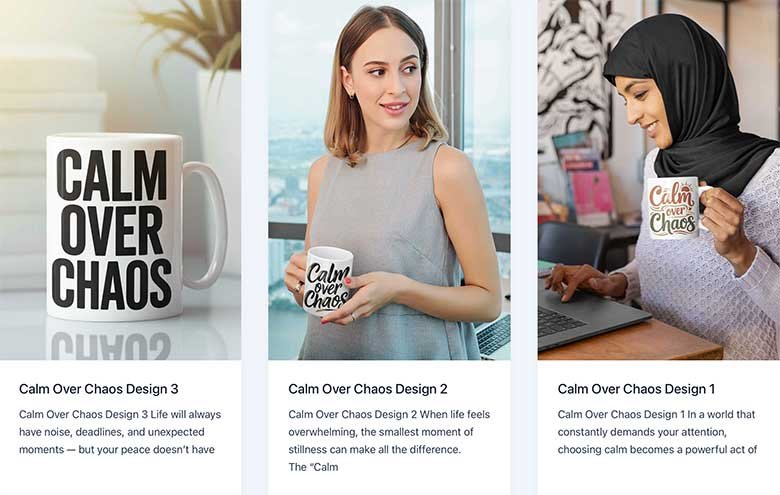
Calm and Presence at Premier Print Works
Keep the reminders of the calm mind you are cultivating visible in your daily space. Visit Premier Print Works for prints, mugs, and art for people who are building the daily mindfulness practices that calm the mind and want their environment to reflect and reinforce the peace and presence they are actively cultivating every day.
Visit Premier Print WorksDisclaimer
The content on A Self Help Hub is for informational and inspirational purposes only. The mindfulness activities and personal stories in this article offer general support for everyday mental wellness, self-care, and intentional living. They are not professional mental health advice, psychotherapy, medical advice, or any form of clinical treatment.
If you are dealing with significant anxiety disorders, panic attacks, depression, trauma, or other conditions significantly affecting your daily mental functioning and wellbeing, please speak with a qualified mental health professional. General mindfulness activities and self-help practices are not substitutes for professional care.
The stories and composite characters in this article, including Amara and Daniel, are illustrative. They are based on common experiences and created to make the content relatable. They are not real people. Any resemblance to a specific person is coincidental.
Some links on this site, including links to Premier Print Works, may be affiliate links. A Self Help Hub may earn a small commission at no extra cost to you. We only recommend things we genuinely believe in.
If you are in a mental health crisis or thinking about self-harm, please do not rely on this content for support. Contact emergency services or a crisis helpline right away. You deserve real help and it is available to you now.
All content on A Self Help Hub is copyrighted. You may not copy or republish it without written permission. By reading this article you agree to this disclaimer.