11 Uplifting Words That Help You Feel More Encouraged
I remember a stretch when I kept a sticky note on my desk that said, “Get it together.” I thought it would push me. Mostly it made my stomach tight. Some days I’d read it and want to do less, not more.
I wondered whether harsh words work at all, so I went looking. In 2012, psychologists Juliana Breines and Serena Chen published four experiments in the journal Personality and Social Psychology Bulletin. In one of them, students took a difficult test and did poorly. Some of them then read a message saying they weren’t alone, that many students struggle with tests like this, and that they shouldn’t be too hard on themselves. Others read a message that boosted their self-esteem, something like “you must be smart if you got into this school.” A third group got no message. The students who read the kind, “you’re not alone” message spent more time studying for the next test.
The other experiments pointed the same way. People who were kind to themselves about a weakness were more likely to believe it could change, and they felt more motivated to make up for a mistake. The researchers said that, somewhat paradoxically, taking an accepting approach to failure may make people more motivated to improve.
A few cautions. These were short lab experiments, mostly with college students, and a one-time message isn’t the same as a hard year. It also doesn’t mean praise is bad. It suggests that words which admit the struggle may help more than words that only flatter. The 11 sentences below are my own, written in that spirit. They aren’t quotes from anyone.

Get a Simple Plan for Kind, Steady Days
Grab my free Self-Care Starter Kit. It’s a set of small daily practices you can fit into a busy day.
Get the Free Kit1. “You’re not the only one who finds this hard.”
This is the heart of the message in the study. Students were told that many people struggle with tests like this one. Hearing that a struggle is common can make it feel less like a personal failing.
I remember texting a friend that I’d had a rough week, and he wrote back, “Me too, last week.” That tiny reply helped me more than advice would have. The next time you feel alone in a struggle, say this sentence out loud, or send it to someone who might need it.
2. “It’s okay that this didn’t go the way you hoped. It’s also okay to try again.”
Notice that this sentence doesn’t pretend things went well. It admits the disappointment and then leaves the door open. The message in the study did something similar. It was honest that the test had been hard, and gentle with the person who took it.
Use it after a missed goal, a bad meeting, or a day that got away from you. Say the first half and let yourself feel it. Then say the second half and pick one small next step.
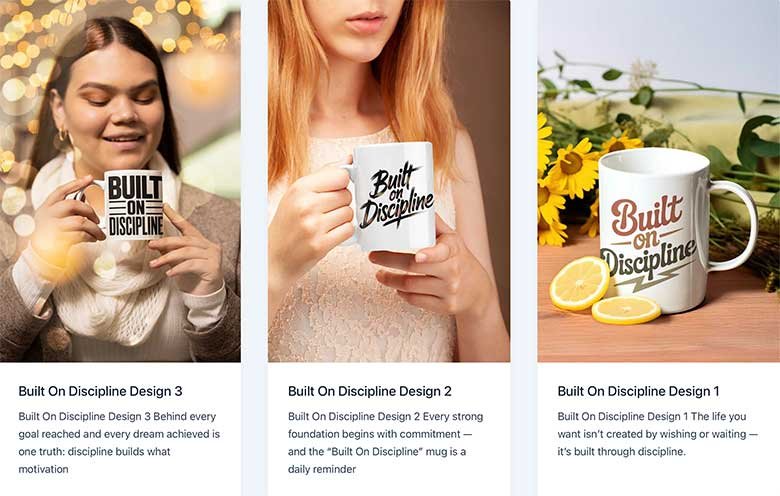
A Small Reminder to Be Kind to Yourself
I make prints, mugs, and shirts at Premier Print Works. Some people like a reminder where they can see it.
Visit Premier Print Works3. “You can be disappointed and still be on your own side.”
Being kind to yourself doesn’t mean you can’t feel bad. Both can be true at once. You can be upset about a mistake and still treat yourself like someone worth helping.
Think of a coach who’s unhappy about a loss and still believes in the team. Try this sentence the next time you catch yourself piling on.
Kind words that admit the struggle can motivate more than words that only praise.
4. “Needing another try doesn’t mean you’re bad at this.”
In the experiments, people who were kind to themselves were more likely to believe a weakness could change. That belief matters, because it’s hard to work on something you think is fixed.
If you’re tempted to say “I’m just not good at this,” swap in this sentence. Then ask, “What would make my next try a little easier?”

Build Small Habits That Keep You Going
My free 9 Daily Habits guide has nine morning practices you can pick from, so you can start with one small habit.
Get the Free Guide5. “What would you say to a friend who had this exact day? Say that to yourself.”
Most of us are much gentler with friends than with ourselves. To me, the message in the study sounded like what a kind friend might say: you’re not alone, it’s common, go easy on yourself. This sentence is my own way of reaching for that voice.
Next time you’re being hard on yourself, write down what you’d tell a friend in the same spot. Then read it back to yourself. It feels a little silly, and in my experience it works better than you’d expect.
6. “A mistake tells you what to work on. It doesn’t tell you who you are.”
One of the experiments had people think about a personal weakness. Those who were kind to themselves were more willing to see it as something that could change. A mistake is information, and information is useful.
Try turning a mistake into a question: “What is this showing me?” Then write one answer, even if it’s small.
7. “You don’t have to be hard on yourself to get better.”
Many of us believe the harsh voice keeps us in line. These experiments didn’t test harsh criticism directly. They compared kindness with flattery and with no message. Still, the kind message led to more effort, and that’s enough to make me question whether I need the harsh voice at all.
Try going one day without it and see what happens. You can always bring it back.
8. “This is a rough patch, and rough patches are part of nearly everyone’s story.”
This is another way of saying what the students heard, that struggling is common. It isn’t a claim that your pain is small. It’s a reminder that you’re part of a very large group.
I keep this one in mind when I’m in a slump. It doesn’t fix anything, but it makes the slump feel less like a verdict.
9. “You’ve handled hard things before. You can take one small step now.”
This sentence is mine, and it isn’t from the study. I like it because it pairs kindness with a small action. Comfort alone can feel flat, and a tiny step gives the comfort somewhere to go.
Name one hard thing you’ve handled before. Then pick the smallest step you can take right now, and take it.
10. “It’s fine to rest first. The work will still be here, and so will you.”
Sometimes the kindest move is a pause. Rest isn’t quitting. You can take ten minutes, or an evening, and then come back.
I use this when I’m too worn out to think straight. Take the rest, and set a time to return, so the pause doesn’t turn into avoiding. This is my own habit, not a research finding.
11. “You’re allowed to start over as many times as it takes.”
In the study, the kind message was followed by more time spent studying after a failure. That’s a kind of starting over. The students didn’t give up. They tried again.
Starting over doesn’t reset you to zero, because you bring everything you’ve learned with you. Say this sentence when you feel like you’ve blown it, and then begin again with one small step.
Explore Our Top Picks for a Better Life
I put together a list of tools and products I think are worth your time, covering mindset, self-care, health, and home.
See Our Top PicksTwo People Who Changed the Words They Used
I know a woman named Amara who used to talk to herself like a drill sergeant after every mistake at work. She told me she tried saying, “This is hard, and plenty of people find it hard,” and then asking what she could fix. She said the mistakes still stung, but she stopped dreading them as much.
I also think about a guy named Joel who would skip a workout and then call himself lazy, which made him skip more. He started saying, “Okay, I missed it. What’s the smallest thing I can do today?” He told me that one change got him moving again within a few days.
Picture Hearing the Kinder Voice
Imagine a hard day where the voice in your head sounds like a good friend. It doesn’t pretend things are fine. It says this is hard, you’re not alone, and you can try again.
Pick one of the 11 sentences today and say it the next time you’re hard on yourself. Write it on a sticky note if that helps. Get the free Self-Care Starter Kit if you’d like some simple daily practices to go with it.
Want to Go Further?
I’m building out some deeper, paid resources for people who want more than a single article can cover. They’re not live yet, but you can see everything I currently have ready for you, free and otherwise, on my Top Picks page.
See What’s Available
Ready to Be Kinder to Yourself?
My free Self-Care Starter Kit walks you through simple daily practices, with room to make them your own.
Download Free Now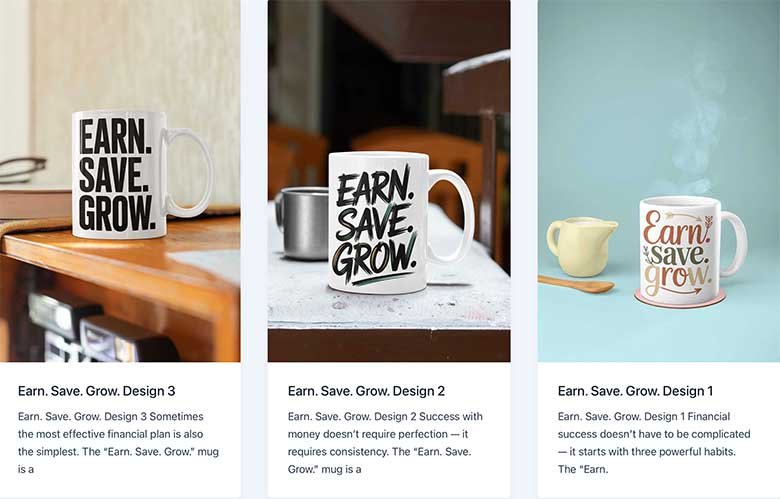
A Small Reminder to Be Kind to Yourself
Take a look at Premier Print Works for prints, mugs, and shirts made for people who like a small daily reminder.
Visit Premier Print WorksDisclaimer
This page is for informational and inspirational purposes only. It is not professional therapy or mental health advice. The research referenced here comes from the published work of Juliana G. Breines and Serena Chen, “Self-Compassion Increases Self-Improvement Motivation” (Personality and Social Psychology Bulletin, 2012), summarized here in plain language. It used four short experiments, mostly with college students, so it shows a pattern and not a guarantee. The 11 sentences and the personal stories are my own and are not findings from the study. If you’re struggling with low mood or thoughts of hurting yourself, please reach out to a doctor or a licensed mental health professional, or, in the U.S., call or text 988. Results vary from person to person.
The 11 sentences above are original words written for this site. They are not attributed to, or the words of, any real person.
Amara and Joel are made-up characters used to bring this content to life. They are not real people.
Some links on this page, including links to Premier Print Works, are affiliate links. If you buy something through one, we may earn a small commission at no extra cost to you. We only own and sell products through our own store, Premier Print Works.
All content on A Self Help Hub belongs to Digital Marketing 215 LLC and is protected by copyright law. No part of this page may be copied or reused without written permission.